
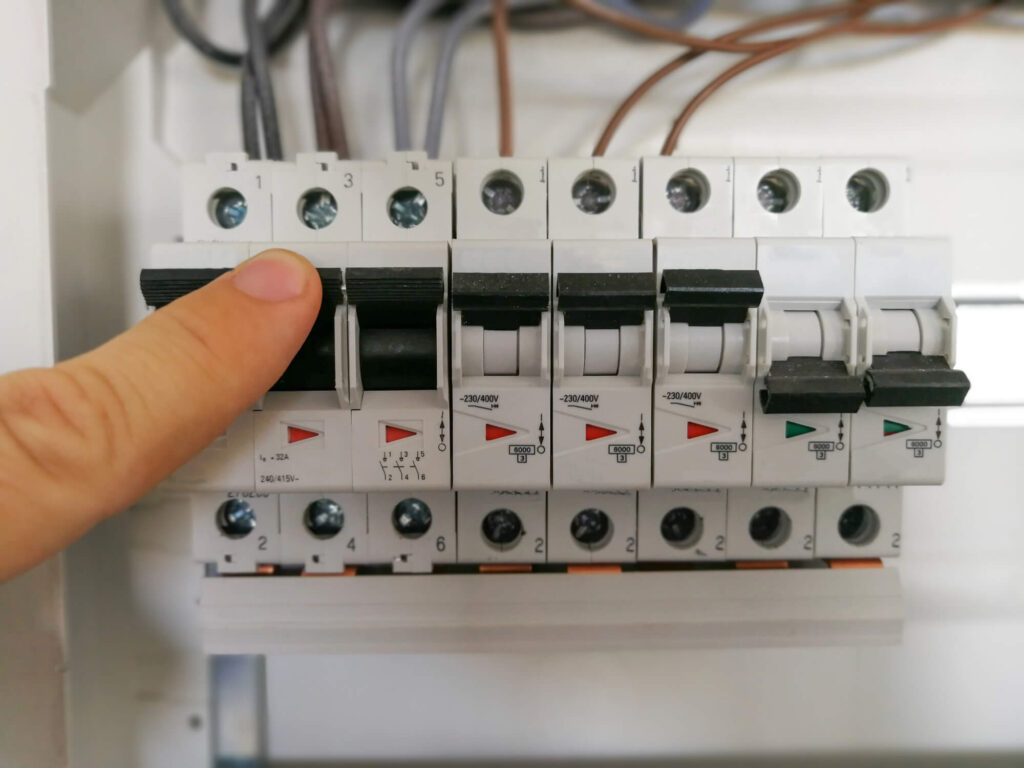
If you hear a circuit breaker buzzing — a symptom the CPSC warns can indicate a failing breaker, loose wiring in the panel, or arcing that poses a serious fire hazarding inside your electrical panel, it’s a warning sign that something may not be functioning properly in your home’s electrical system. Circuit breakers normally operate silently, so a buzzing sound often means electricity isn’t flowing correctly or a component inside the panel is under stress.
While the issue may sometimes be minor, persistent buzzing should never be ignored. It could indicate loose wiring, an overloaded circuit, or a failing breaker. In this guide, we’ll explain why circuit breakers buzz, how to troubleshoot the issue safely, and when it’s time to call a professional electrician.
⚡ Key Takeaways
- A circuit breaker protects your home by shutting off power when electrical demand exceeds safe limits.
- Overloaded Circuit One of the most common reasons for a buzzing breaker is too many devices drawing power from the same circuit.
- If your circuit breaker is buzzing, check for these additional warning signs:
What It Means When a Circuit Breaker Is Buzzing
A circuit breaker protects your home by shutting off power when electrical demand exceeds safe limits. When the breaker detects an overload or short circuit, it trips to prevent overheating and electrical fires.
If you hear buzzing, humming, or vibrating coming from a breaker, it typically means electricity is not flowing cleanly through the breaker contacts. Small electrical arcs, loose internal parts, or excessive current can create vibration inside the breaker.
This vibration produces the buzzing noise homeowners hear. Even if the breaker has not tripped, the sound indicates the breaker or circuit may be under strain.
Common Causes of a Circuit Breaker Buzzing
Overloaded Circuit
One of the most common reasons for a buzzing breaker is too many devices drawing power from the same circuit.
Examples include:
- Kitchen appliances running simultaneously
- Portable space heaters
- Hair dryers and bathroom devices
- Large entertainment systems
When the electrical load approaches the breaker’s capacity, the breaker can vibrate internally, producing a buzzing sound.
Loose Wiring in the Panel
Loose electrical connections inside the panel can cause electricity to arc slightly as it passes through the connection. This arcing often produces buzzing or humming noises.
Loose connections also generate heat and can damage the breaker over time.
Failing Circuit Breaker
Circuit breakers do not last forever. Over time, internal components wear down and electrical contacts degrade.
A worn breaker may buzz or hum because the internal connection points are no longer making solid contact.
High-Power Appliances
Large appliances like air conditioners, dryers, or ovens may cause brief buzzing sounds when they start because they draw a surge of electricity.
If the buzzing continues while the appliance is running, the circuit may be overloaded.
Faulty Electrical Panel Components
In some cases, the buzzing may come from deeper inside the electrical panel rather than the breaker itself. Internal bus bars or connection points may be loose or damaged.
This type of issue should always be inspected by a licensed electrician.
Danger and Warning Signs to Watch For
If your circuit breaker is buzzing, check for these additional warning signs:
- Burning smell near the electrical panel
- Breakers that feel warm or hot
- Frequent breaker trips
- Lights flickering throughout the home
- Crackling or popping sounds
- Scorch marks inside the panel
If you notice any of these symptoms along with a buzzing breaker, turn off the circuit and contact an electrician immediately.
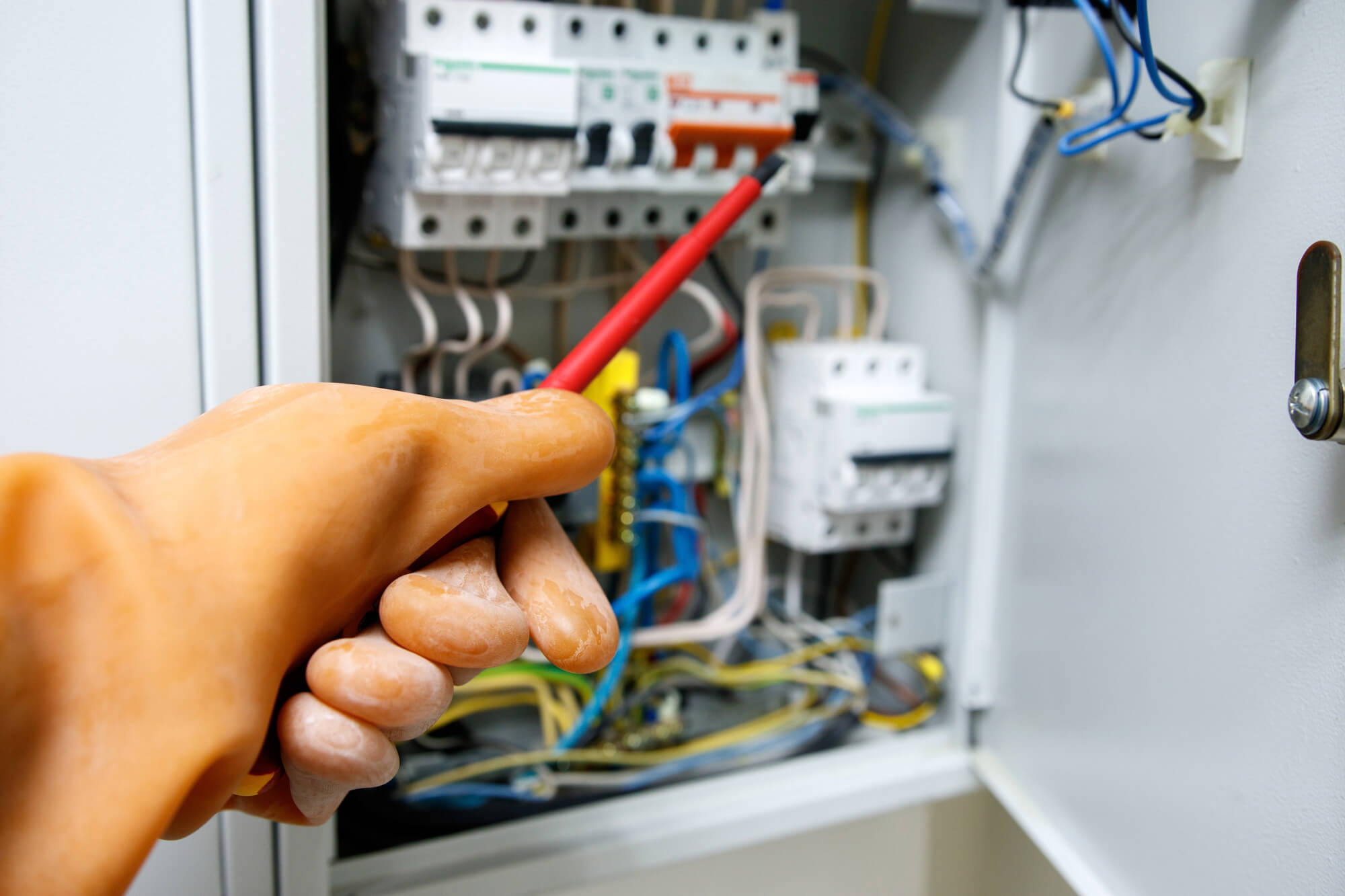
How to Troubleshoot a Buzzing Circuit Breaker
Homeowners can perform several simple checks to determine whether the buzzing is caused by electrical overload or another issue.
Identify the Noisy Breaker
Open your electrical panel and listen carefully to determine which breaker is making the buzzing sound.
Reduce Electrical Load
Turn off or unplug devices connected to the circuit. If the buzzing stops, the circuit was likely overloaded.
Reset the Breaker
Turn the breaker completely off, then turn it back on. If buzzing continues, the breaker itself may be failing.
Check for Heat
Carefully feel the front of the breaker. If it feels unusually warm, shut off the breaker and contact an electrician.
Observe Appliance Behavior
If the buzzing only happens when a specific appliance runs, the appliance may be drawing too much current.
Need an Electrician to Inspect Your Breaker?
A buzzing breaker can quickly turn into a serious electrical issue. If troubleshooting does not resolve the problem, a licensed electrician should inspect your electrical panel.
InstaElectricians can help homeowners connect with experienced electricians who can diagnose and repair breaker problems safely.
A buzzing breaker can signal arcing inside the panel — a serious hazard. Our panel specialists and emergency team respond fast.
How to Prevent Circuit Breaker Buzzing
Preventative electrical maintenance can reduce the chances of breakers buzzing or failing.
- Avoid overloading circuits with too many devices
- Use dedicated circuits for major appliances
- Schedule electrical panel inspections
- Replace aging breakers when necessary
- Upgrade outdated electrical panels
Modern electrical panels distribute electricity more efficiently and reduce the likelihood of breaker vibration or electrical noise.
Cost to Repair a Buzzing Circuit Breaker
The cost to repair a buzzing breaker depends on the cause of the problem.
- Circuit breaker replacement: $150 – $350
- Electrical panel inspection: $100 – $250
- Loose wiring repair: $200 – $500
- Electrical panel replacement: $1,500 – $4,000+
In many cases, replacing the breaker resolves the problem. However, if the electrical panel is outdated or damaged, a larger panel upgrade may be necessary.
Circuit Breaker Replacement Cost
If your circuit breaker is damaged or failing, replacement is usually the only solution. A standard single-pole breaker (15 or 20 amp) costs between $10-$30 per unit, but the total cost with professional installation typically ranges from $150-$300 per breaker. The labor component covers the electrician’s time to safely shut down and work inside your panel, test for hazards, remove the old breaker, verify that the circuit’s wiring is undamaged, install the new breaker, test it for proper tripping, and restore power. Working inside an electrical panel carries serious safety risks (risk of arc flash, electrocution, and panel damage), so DIY breaker replacement is never recommended—even licensed electricians are required by code to follow strict safety protocols. Most electricians charge an hourly rate ($75-$150/hour) for breaker replacements, and a single breaker replacement typically takes 45-90 minutes, depending on panel accessibility and whether additional wiring repairs are needed.
Specialty breakers cost significantly more than standard breakers. Arc-fault (AFCI) breakers, which protect against arc faults and reduce fire risk, cost $20-$50 each; professionally installed, they total $200-$400 per breaker. Ground-fault (GFCI) breakers for bathroom and outdoor circuits cost $20-$40 each and installed total $200-$350. Dual-function AFCI/GFCI breakers are also available at $30-$60 per unit, with installation costs of $250-$400. If your panel is old or has multiple failing breakers, replacing all of them can quickly become expensive; in such cases, a full panel upgrade ($3,000-$5,000) may be more cost-effective than replacing breakers one at a time. The age of your panel and the quality of the components matter—Square D, Siemens, and Eaton breakers are generally more reliable and widely available than older Federal Pacific Electric (FPE) or Zinsco breakers, which are increasingly difficult to source and may drive panel replacement instead of individual breaker replacement.
Before replacing a breaker, identify why it’s failing: frequent tripping can indicate an overloaded circuit (requiring circuit extension or load redistribution), a ground fault (wiring insulation failure), or a short circuit (damaged appliance or wire). If the breaker itself is faulty (won’t reset, burns when installed, or was previously recalled), replacement is straightforward. However, if the problem is the circuit itself, replacing the breaker won’t solve the underlying issue; you’ll need an electrician to diagnose and repair the wiring or appliances. Get a full diagnosis before authorizing repair, and if your panel is over 25 years old or has experienced multiple breaker failures, ask your electrician whether panel replacement is a more practical long-term solution than continued spot repairs.
Frequently Asked Questions
Is a buzzing circuit breaker dangerous?
Yes, it can be. A buzzing breaker may indicate electrical arcing, loose wiring, or an overloaded circuit. These problems can eventually lead to overheating or electrical fires if ignored.
Why does my breaker buzz when appliances turn on?
Large appliances draw a surge of power when they start. If the circuit is near its capacity limit, the breaker may buzz briefly as electricity flows through it.
Can I replace a buzzing circuit breaker myself?
Replacing a breaker requires working inside the electrical panel where live electricity is present. Most homeowners should hire a licensed electrician to safely replace a breaker.
Should I ignore a faint buzzing sound from a breaker?
No. Even faint buzzing can indicate loose electrical connections or internal breaker wear. It is best to have the issue inspected before it becomes more serious.
Get Help Fixing Electrical Problems in Your Home
If you hear a circuit breaker buzzing, do not ignore it. Electrical problems rarely resolve themselves and can worsen over time.
Speak with a qualified electrician today to diagnose and repair the issue before it becomes a major electrical hazard.