
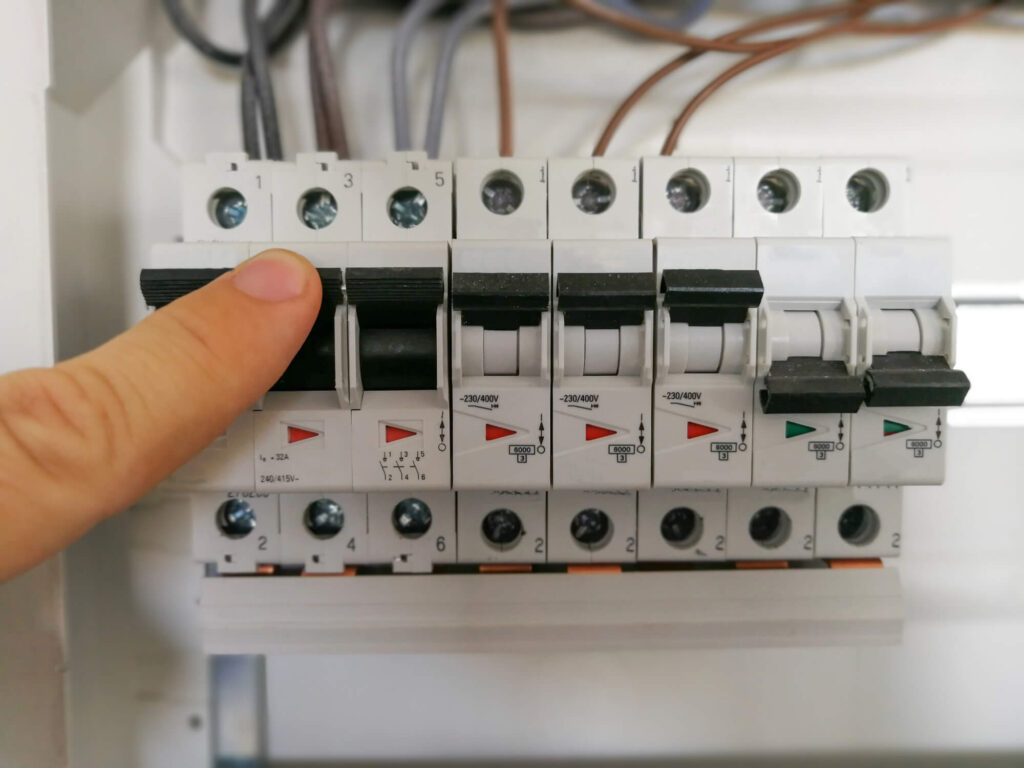
If your breaker trips after storm, it’s usually a sign that your electrical system has been affected by power surges, moisture, or damage caused by severe weather. Storms can put a huge strain on your home’s wiring and electrical panel, and repeated breaker trips should never be ignored. In this guide, we’ll explain the causes, warning signs, and how to safely troubleshoot and fix the issue.
⚡ Key Takeaways
- Circuit breakers are designed to shut off power when they detect unsafe conditions.
- After a storm, look out for these signs of electrical issues:
- You can take these steps to safely assess the situation:
What It Means When a Breaker Trips After a Storm
Circuit breakers are designed to shut off power when they detect unsafe conditions. After a storm, this can happen due to:
- Power surges from lightning or grid fluctuations
- Water intrusion into outlets or wiring
- Damaged electrical components
- Short circuits or ground faults
While a single trip may not be serious, repeated tripping indicates an underlying issue that needs attention.
Common Causes of Breaker Trips After Storm
1. Power Surges from Lightning
Lightning strikes—even nearby ones—can send high-voltage surges through power lines. These surges can damage circuits and cause breakers to trip as a safety measure.
2. Moisture in Electrical Components
Rainwater can seep into outdoor outlets, junction boxes, or even indoor wiring if there are leaks. Moisture can create short circuits or ground faults.
3. Flooding or Water Damage
If your home experienced flooding, water may have reached outlets, appliances, or your electrical panel, making it unsafe to operate.
4. Damaged Wiring
High winds or falling debris can damage external wiring, service lines, or connections, leading to faults that trip breakers.
5. Faulty Appliances After Surge
Appliances connected during the storm may have been damaged by a surge and now draw irregular current.
6. Tripped GFCI or AFCI Protection
Modern homes often use GFCI or AFCI breakers, which are more sensitive and may trip due to moisture or electrical disturbances.
Warning Signs to Watch For
After a storm, look out for these signs of electrical issues:
-
- Breaker won’t stay reset
- Flickering or dimming lights
- Burning or musty smells
- Outlets not working or sparking
- Water near outlets or electrical panels
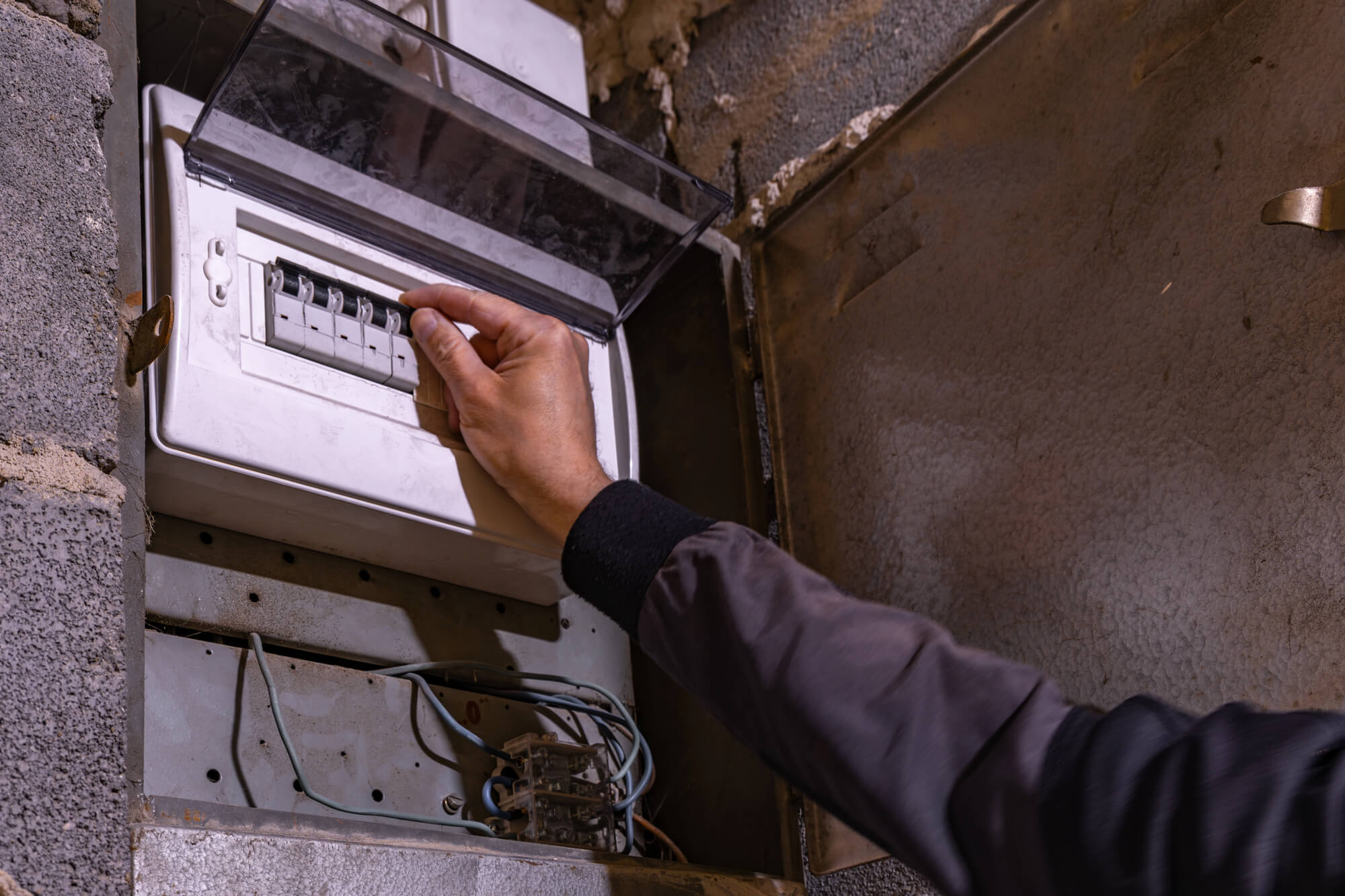
Breaker Trips After Storm: Troubleshooting Steps
You can take these steps to safely assess the situation:
1. Turn Off All Affected Circuits
Before resetting breakers, switch them fully off to prevent further damage.
2. Unplug Appliances
Disconnect all devices on the affected circuit. This helps identify whether an appliance is causing the issue.
3. Check for Visible Water Damage
Look for moisture around outlets, switches, or the breaker panel. Do not touch wet electrical components.
4. Reset the Breaker
Turn the breaker back on. If it trips immediately, there is likely a short circuit or serious fault.
5. Test Circuits One at a Time
Reconnect appliances gradually to identify if a specific device is causing the trip.
6. Avoid Using Damaged Equipment
If any appliance shows signs of damage, do not use it until it has been inspected.
Storm-related electrical damage needs urgent assessment. Our emergency electricians and repair team are ready.
When to Call an Electrician
Storm-related electrical issues can be dangerous. You should call a licensed electrician if:
- The breaker won’t reset or keeps tripping
- You see water near electrical components
- There are burning smells or visible damage
- Your panel or outlets feel warm
- You suspect lightning or surge damage
An electrician can safely inspect your system, test circuits, and repair or replace damaged components.
Electrical Repair Costs
The cost to fix a breaker that trips after a storm depends on the extent of the damage:
- Breaker replacement: $100 – $300
- Outlet or wiring repair: $150 – $600
- Surge damage repair: $200 – $1,000+
- Electrical panel repair or replacement: $1,000 – $3,500+
- Appliance repair or replacement: $100 – $1,500+
Insurance may cover some storm-related electrical damage, so it’s worth checking your policy.
How to Prevent Breaker Trips After Storms
- Install whole-home surge protection
- Use weatherproof outdoor outlets and covers
- Seal any leaks around electrical entry points
- Unplug sensitive electronics during storms
- Schedule regular electrical inspections
Post-Storm Electrical System Recovery & Safety Protocols
After a major storm, electrical systems may be unstable for hours as utilities repair distribution lines, replace damaged transformers, and restore service. During restoration, voltage surges commonly occur when different sections of the grid reconnect. Power may flicker on and off, damaging appliances that rely on clean, stable voltage. Turn off major appliances at their circuit breakers before power is restored to prevent surge damage — this is especially important for electronics like computers, televisions, and network equipment.
If your breaker tripped after a storm but power is available elsewhere in your home, the fault is localized to that circuit or appliance. Before resetting the breaker, check for visible damage: burned outlets, melted wiring insulation, a burning smell, or scorch marks in the electrical panel. If visible damage is present, do not reset the breaker — call an electrician immediately. If no damage is visible, disconnect all appliances on the affected circuit, then reset the breaker. If it holds, the problem was an appliance; test each device individually to identify the faulty one.
Documentation, Insurance Claims & Utility Liability Assessments
Storm-related electrical damage may be covered by homeowners insurance, but documentation is critical. Photograph the breaker panel, damaged appliances, and any visible storm damage (downed lines, damaged utility equipment) immediately after the event. Note the exact time the power failed and when it was restored. If lightning struck nearby, the utility should acknowledge this in a damage report — request one formally by phone and in writing.
Contact your homeowners insurance agent within 24–48 hours to file a claim for damaged appliances. Include photos, receipts for appliances, and repair estimates. Ask the utility whether they will reimburse customers for appliance damage caused by utility equipment failure — some utilities have programs for this. Keep all documentation organized and provide copies to both insurance and the utility. If you made temporary repairs to restore power (like replacing a tripped breaker without identifying the underlying fault), have an electrician perform a complete system inspection to ensure hidden damage isn’t creating ongoing hazards.
Surge Damage vs Lightning Strike Damage: What’s the Difference?
A utility-side voltage spike or surge (caused by utility switching, downed power lines, or a nearby lightning strike) sends excessive voltage through your service entrance, typically in the 500–2,000V range. Surge damage is often subtle: it can degrade internal components in your electrical panel, appliances, and electronics without obvious signs, leading to early failures weeks or months later. A nearby lightning strike is far more catastrophic, delivering millions of volts in a fraction of a second directly into your home. Lightning doesn’t just cause a surge—it can literally vaporize components, create explosions inside the electrical panel, fuse breaker contacts together, and damage multiple devices simultaneously across your entire home.
After a storm, you can identify lightning damage by checking for clear evidence: burned or melted components visible inside the breaker panel, a distinct electrical or burning smell, AFCI (arc-fault) breakers tripping repeatedly even after reset, multiple unrelated devices failing simultaneously (TV, refrigerator, computer all dead), or visible scorch marks on the panel cover. After a lightning strike, never restore power to the entire home—call a licensed electrician for a full electrical inspection before resetting any breakers. Lightning damage requires a comprehensive panel evaluation, testing of downstream circuits, and likely replacement of multiple components. Surge protection devices installed at the service entrance (whole-home surge suppressors costing $300–$800) can prevent most utility-side surge damage, but they cannot protect against a direct or near lightning strike. Homeowners insurance typically covers lightning damage, so document all damage with photos for your claim.
Frequently Asked Questions
Why does my house smell like burning plastic?
Burning plastic smells often occur when wire insulation overheats or melts due to electrical overloads, loose connections, or faulty appliances.
Can a storm damage my electrical system?
Yes. Lightning, power surges, and water intrusion can all damage wiring, breakers, and appliances.
Is it safe to reset a breaker after a storm?
Only if there is no visible water or damage. If unsure, it’s best to call an electrician.
Why won’t my breaker stay on after a storm?
This usually indicates a short circuit, moisture issue, or damaged component that needs professional repair.
Final Thoughts
If your breaker trips after a storm, it’s your electrical system’s way of protecting your home. While some issues are minor, others can pose serious safety risks. By identifying the cause early and taking the right steps, you can restore power safely and prevent further damage.