
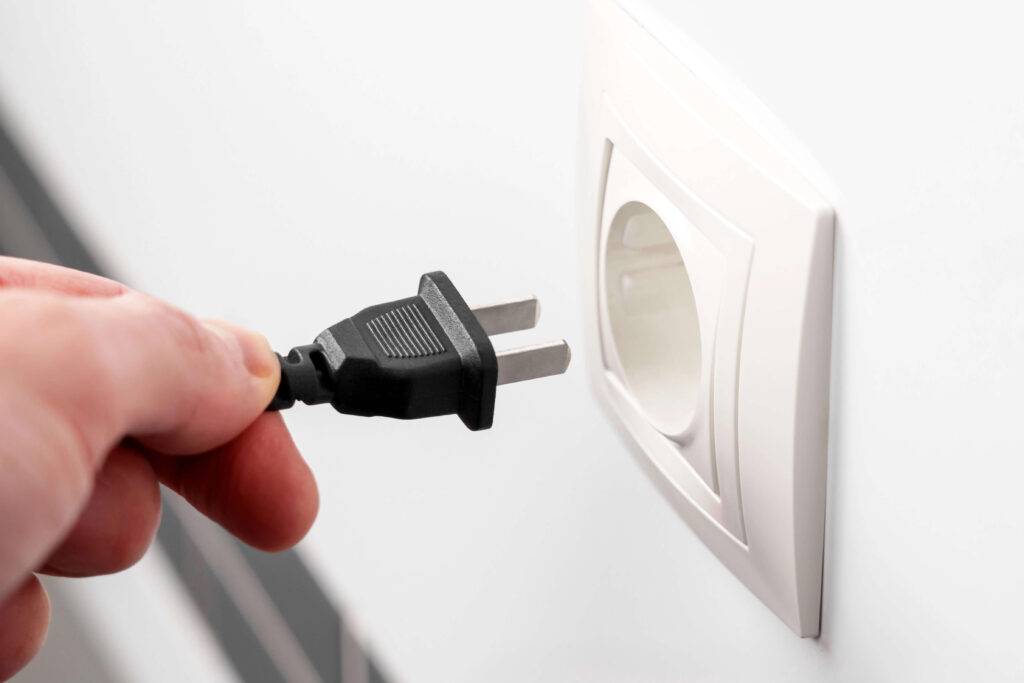
If your breaker trips when plugging something in, it usually means the circuit is detecting a problem and shutting off power to prevent damage or fire. While this can be frustrating, circuit breakers are designed to protect your home from electrical hazards.
Sometimes the issue is simple, like too many devices on one circuit. In other cases, the problem could involve a faulty appliance, damaged wiring, or a failing breaker. Understanding why the breaker trips can help you determine whether the fix is simple or if a licensed electrician is needed.
This guide explains the most common causes, warning signs to watch for, troubleshooting steps homeowners can safely try, and the typical cost to repair the issue.
Contents
- 1 What It Means When a Breaker Trips When Plugging Something In
- 2 Common Causes When a Breaker Trips When Plugging Something In
- 3 Danger and Warning Signs to Watch For
- 4 How to Troubleshoot When a Breaker Trips When Plugging Something In
- 5 Need an Electrician to Diagnose the Problem?
- 6 How to Prevent Breaker Trips in the Future
- 7 Cost to Fix a Breaker That Trips When Plugging Something In
- 8 Frequently Asked Questions
- 9 Get Help Fixing Electrical Problems in Your Home
What It Means When a Breaker Trips When Plugging Something In
A circuit breaker automatically shuts off electricity when it detects unsafe electrical conditions. When a breaker trips the moment you plug something in, it usually means the circuit instantly detected too much electrical current or a short circuit.
The breaker disconnects power to stop wires from overheating. Without this safety feature, overloaded circuits could easily cause electrical fires.
In most cases, one of three things is happening:
- The circuit is overloaded
- The appliance being plugged in is faulty
- There is a wiring issue in the outlet or circuit
Identifying which of these is causing the issue is the key to fixing the problem safely.
Common Causes When a Breaker Trips When Plugging Something In
Overloaded Circuit
The most common reason a breaker trips is an overloaded circuit. This happens when too many devices draw power from the same breaker.
For example, if several kitchen appliances are running and another device is plugged in, the electrical load may exceed the breaker’s limit.
Common overload situations include:
- Microwave, toaster, and coffee maker on one circuit
- Space heaters and portable AC units
- Entertainment centers with multiple electronics
- Power strips filled with many devices
Faulty Appliance
If the breaker trips immediately when a specific device is plugged in, the appliance itself may be defective.
Internal wiring damage or electrical shorts inside the device can cause breakers to trip instantly.
Short Circuit
A short circuit occurs when a hot wire touches a neutral wire or metal surface. This creates a sudden surge of electricity that forces the breaker to trip immediately.
Short circuits are serious and usually require professional electrical repair.
Ground Fault
A ground fault occurs when electricity flows through an unintended path to the ground. This can happen in damaged wiring or faulty appliances.
Ground faults are common in kitchens, bathrooms, garages, and outdoor outlets.
Worn or Weak Circuit Breaker
Circuit breakers can wear out over time. An aging breaker may trip too easily when normal electrical demand occurs.
If the breaker trips frequently without clear overload conditions, the breaker itself may need replacement.
Danger and Warning Signs to Watch For
If your breaker trips when plugging something in, watch for these warning signs that indicate a more serious electrical problem:
- Burning smells from outlets
- Scorch marks around outlets
- Sparking when plugging in devices
- Frequent breaker trips throughout the house
- Lights dimming when appliances start
- Warm outlets or switches
If you notice any of these issues, turn off the circuit and contact an electrician.
How to Troubleshoot When a Breaker Trips When Plugging Something In
Homeowners can safely perform several checks to determine the likely cause.
Unplug Other Devices
If several items are plugged into the same circuit, unplug everything and reset the breaker.
Plug devices back in one at a time to see if the breaker trips again.
Test the Appliance in Another Outlet
Plug the device into a different outlet on another circuit. If the breaker trips again, the appliance is likely faulty.
Check the Outlet
Look for visible damage such as cracks, burn marks, or loose plugs. Damaged outlets should always be replaced.
Reset the Breaker
Turn the breaker fully off and then back on. If it trips immediately again, there may be a short circuit or wiring issue.
Avoid Using Extension Cords
Extension cords can overload circuits and cause breakers to trip when additional devices are connected.
Need an Electrician to Diagnose the Problem?
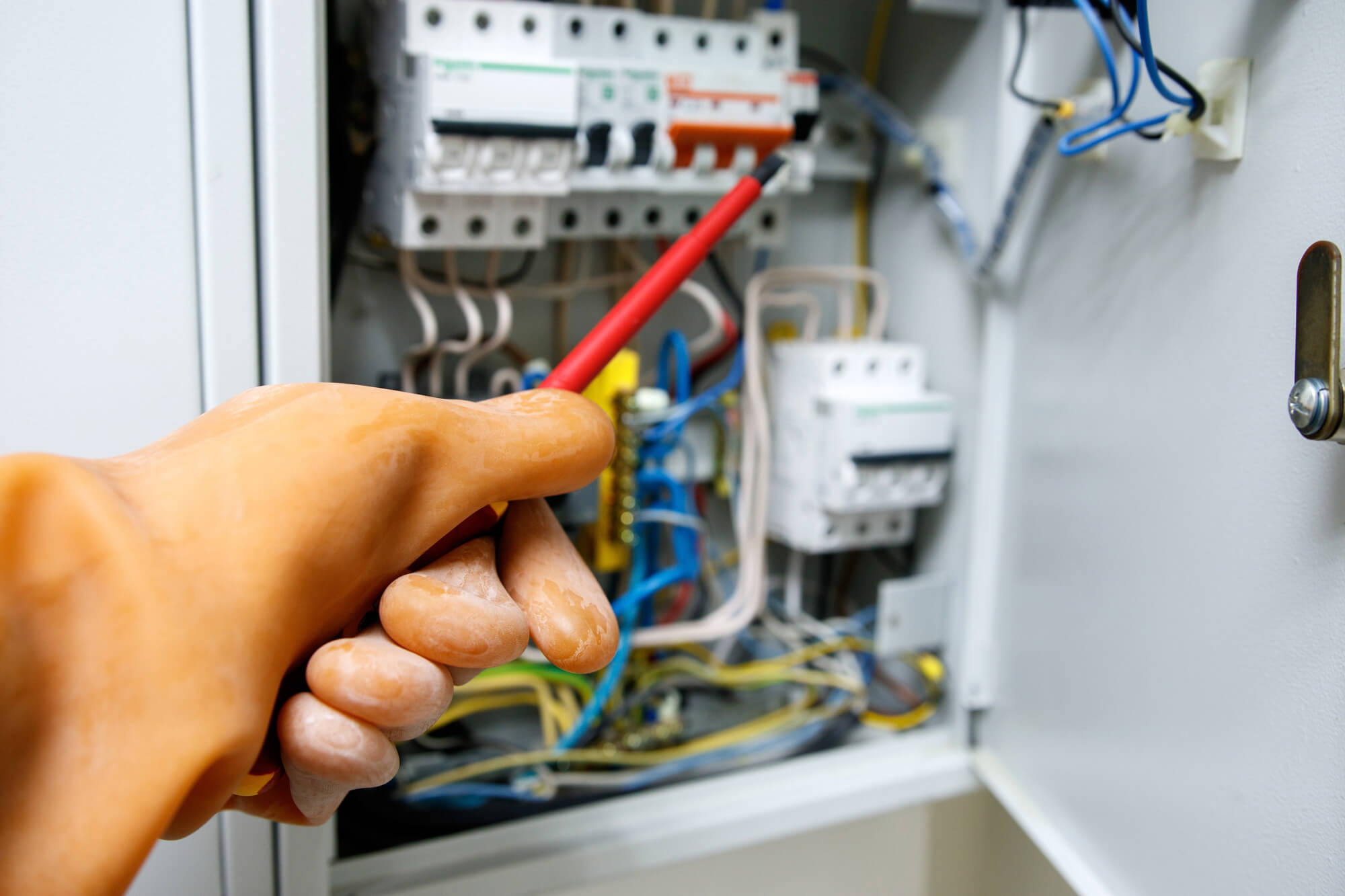
If your breaker keeps tripping when plugging something in, the safest solution is to have a professional inspect the circuit. Electrical issues involving outlets, wiring, or breakers should be handled by a licensed electrician.
A qualified electrician can safely test the circuit, identify the cause, and repair the problem before it becomes a serious hazard.
How to Prevent Breaker Trips in the Future
Simple electrical habits can reduce the chances of breaker trips in your home.
- Avoid plugging too many devices into one outlet
- Use dedicated circuits for high-power appliances
- Replace damaged outlets immediately
- Avoid overloading power strips
- Have older electrical panels inspected
Modern homes often require additional circuits to support the number of electronics used today.
Cost to Fix a Breaker That Trips When Plugging Something In
The repair cost depends on the cause of the problem.
- Outlet replacement: $120 – $250
- Circuit breaker replacement: $150 – $350
- Electrical troubleshooting visit: $100 – $250
- Wiring repair: $300 – $800
- New circuit installation: $800 – $2,000
Many issues can be resolved with a simple outlet or breaker replacement. However, older homes may require additional circuits to handle modern electrical demand.
Frequently Asked Questions
Why does my breaker trip immediately when I plug something in?
This usually means there is a short circuit, ground fault, or faulty appliance. The breaker shuts off power instantly to prevent overheating or electrical fires.
How do I know if an appliance is causing the breaker to trip?
Try plugging the appliance into another outlet on a different circuit. If the breaker trips again, the appliance likely has an internal electrical fault.
Is it dangerous if a breaker keeps tripping?
Yes. Frequent breaker trips may indicate wiring issues, overloaded circuits, or faulty electrical components. The problem should be inspected by an electrician.
Should I replace a breaker that trips often?
If the breaker trips frequently without clear overload conditions, it may be worn out and need replacement. An electrician can test and confirm whether the breaker is failing.
Get Help Fixing Electrical Problems in Your Home
If your breaker trips when plugging something in, do not ignore the warning signs. Electrical problems can worsen quickly and create serious safety risks.
Speaking with a licensed electrician ensures the issue is diagnosed and repaired safely.