
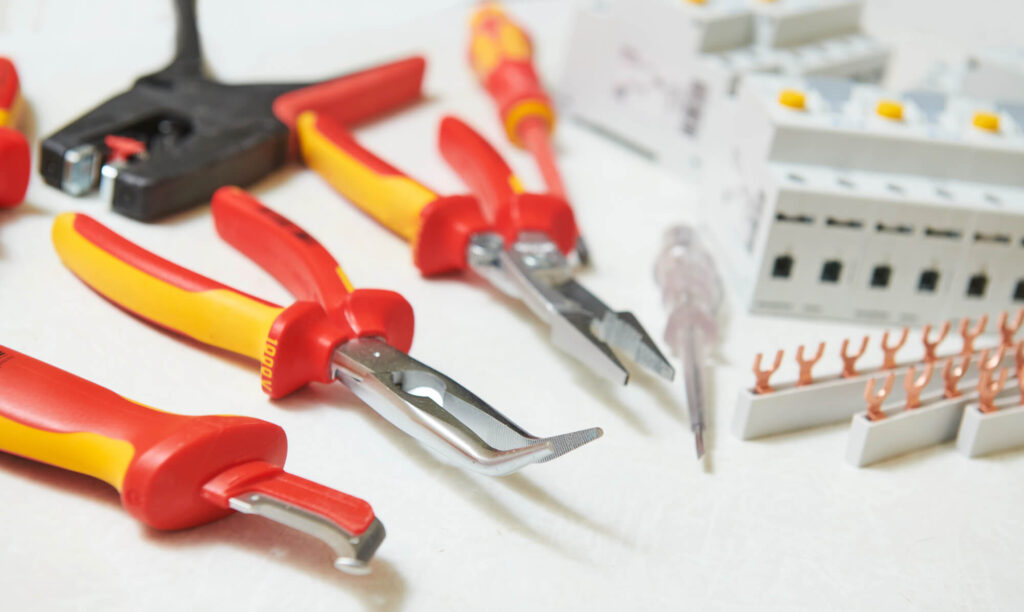
Understanding electrician license requirements is essential when hiring someone to work on your home’s electrical system. A licensed electrician has the training, experience, and certification needed to perform work safely and meet local electrical codes. For homeowners, knowing what these requirements mean can help you avoid unsafe work and costly mistakes.
This guide explains how electrician licensing works, what qualifications to look for, and how to verify credentials before hiring.
Contents
- 1 Why Electrician License Requirements Matter
- 2 Electrician License Requirements Explained
- 3 How to Verify an Electrician’s License
- 4 What Homeowners Should Look For Beyond Licensing
- 5 Common Misconceptions About Electrician Licensing
- 6 Electrical Repair Costs and Licensing Impact
- 7 Troubleshooting Electrical Issues Safely
- 8 Why Licensing Protects Your Home and Investment
- 9 Conclusion
- 10 Frequently Asked Questions
Why Electrician License Requirements Matter
Electrical work carries serious risks if done incorrectly. Licensing ensures that electricians meet minimum standards for safety and competence.
- Protects your home from fire and electrical hazards
- Ensures compliance with local and national codes
- Reduces the risk of failed inspections
- Provides accountability and professional standards
Hiring someone who does not meet electrician license requirements can lead to unsafe wiring, insurance issues, and expensive rework.
Electrician License Requirements Explained
While requirements vary by state, most follow a similar structure. Electricians typically progress through three main levels:
Apprentice Electrician
An apprentice works under supervision while learning the trade. They are not licensed to work independently.
Journeyman Electrician
A journeyman has completed training and passed an exam. They can perform electrical work independently but may not supervise large projects.
Master Electrician
A master electrician has advanced experience and can oversee projects, pull permits, and supervise other electricians.
Each level requires a combination of classroom education, hands-on training, and passing licensing exams.
How to Verify an Electrician’s License
Before hiring, homeowners should always confirm that an electrician meets licensing requirements. Here’s how:
- Ask for the electrician’s license number
- Check with your state or local licensing board
- Confirm the license is active and in good standing
- Verify there are no complaints or disciplinary actions
A legitimate electrician will have no issue providing this information.
What Homeowners Should Look For Beyond Licensing
Meeting electrician license requirements is essential, but it’s not the only factor to consider.
Insurance Coverage
Make sure the electrician carries liability insurance and workers’ compensation to protect you from potential damages or injuries.
Relevant Experience
Choose someone with experience in the type of work you need, whether it’s panel upgrades, rewiring, or installing new circuits.
Clear Communication
A good electrician explains the problem, outlines the solution, and provides a detailed estimate.
Reputation
Look for positive reviews and consistent feedback from other homeowners.
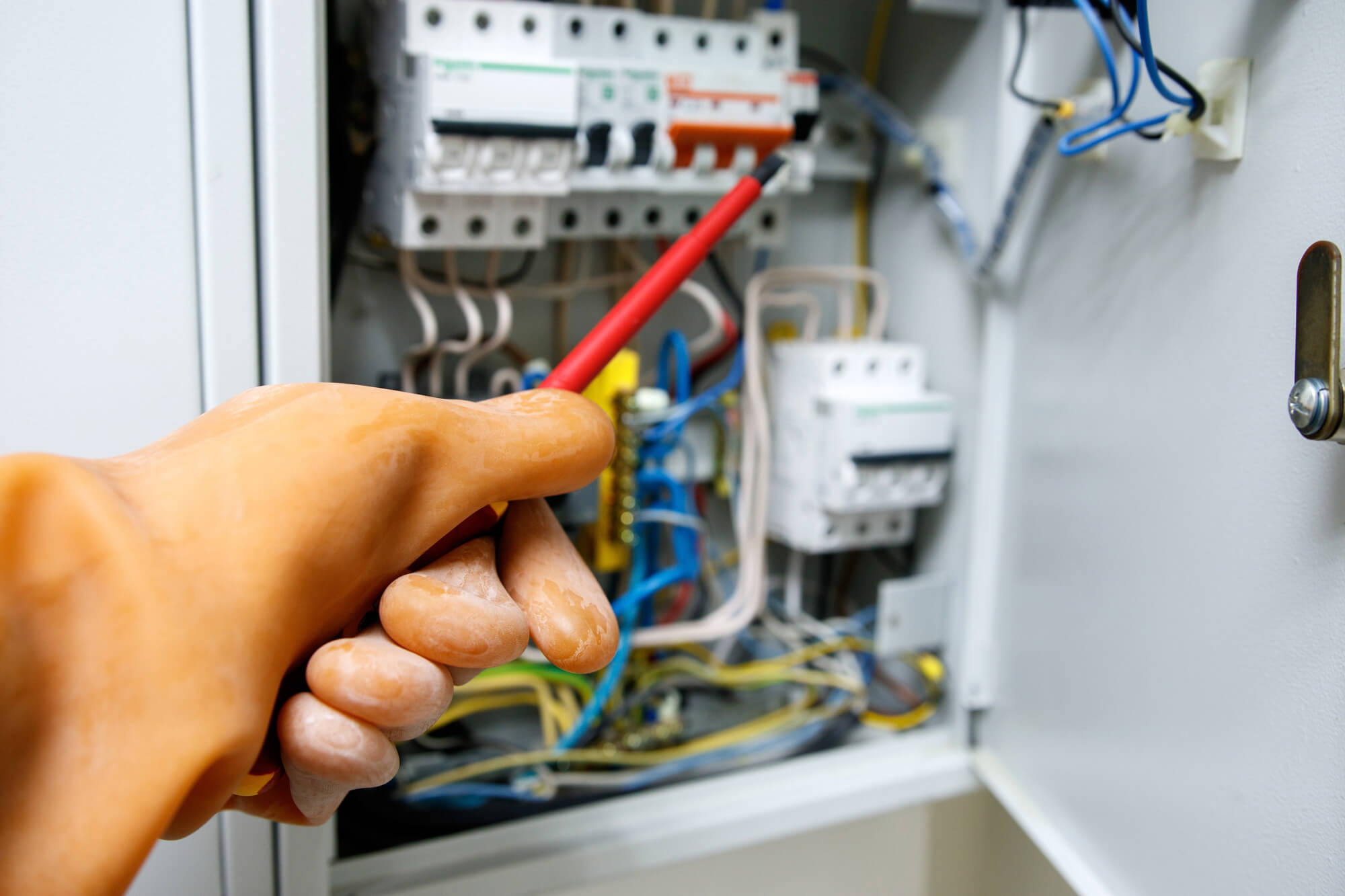
Common Misconceptions About Electrician Licensing
Many homeowners misunderstand what licensing actually means. Here are a few common misconceptions:
- “All electricians are licensed.” Not always. Some operate without proper credentials.
- “Licensing guarantees perfect work.” It ensures minimum standards, but experience and professionalism still matter.
- “Handymen can do the same work.” Electrical work often requires specific licensing that general contractors may not have.
Understanding these points helps you make a more informed hiring decision.
Electrical Repair Costs and Licensing Impact
Licensed electricians may charge more than unlicensed workers, but their work is safer and more reliable.
- Service call: $75 to $150
- Outlet or switch repair: $100 to $300
- Wiring repair: $500 to $2,000+
- Electrical panel upgrade: $1,500 to $4,000+
- Code corrections or rework: can add significant costs if previous work was unlicensed
Hiring a licensed electrician upfront often saves money by preventing future repairs and ensuring the job passes inspection.
Troubleshooting Electrical Issues Safely
Before calling an electrician, homeowners can check a few basic things. However, never attempt complex repairs yourself.
Check the Breaker Panel
If power is lost, look for a tripped breaker and reset it once.
Test Outlets and Devices
Determine whether the issue is with a specific appliance or the outlet.
Reset GFCI Outlets
Check bathrooms, kitchens, and outdoor areas for GFCI outlets that may need resetting.
Know When to Call a Professional
If you notice burning smells, flickering lights, buzzing sounds, or repeated breaker trips, contact a licensed electrician immediately.
Why Licensing Protects Your Home and Investment
Electrician license requirements exist to protect homeowners. Licensed professionals follow established safety standards and understand how to properly install, repair, and maintain electrical systems.
By choosing a licensed electrician, you reduce the risk of hazards, avoid code violations, and ensure your home remains safe and compliant.
Conclusion
Understanding electrician license requirements gives you the knowledge to hire safely and confidently. Always verify credentials, check experience, and avoid cutting corners when it comes to electrical work.
A licensed electrician provides peace of mind, ensuring your home’s electrical system is safe, reliable, and built to last.
Call 855-436-0065 for Immediate Assistance
Frequently Asked Questions
Do all electricians need a license?
Most states require electricians to be licensed, especially for residential and commercial work. Requirements vary by location.
What is the difference between a journeyman and a master electrician?
A journeyman can perform electrical work independently, while a master electrician has more experience and can oversee projects and pull permits.
Can I verify an electrician’s license online?
Yes, most states provide online tools through their licensing boards to check license status and history.
Why does my house smell like burning plastic?
Burning plastic smells often occur when wire insulation overheats or melts due to electrical overloads, loose connections, or faulty appliances.