
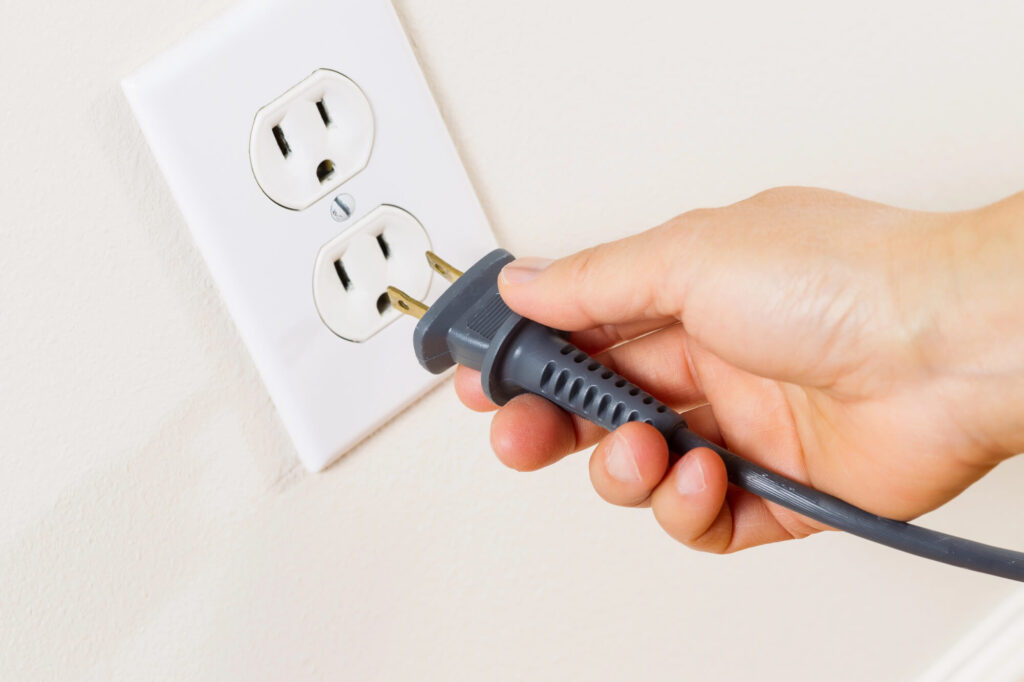
If you hear an outlet buzzing noise coming from a wall outlet, it’s a sign that electricity may not be flowing safely through the circuit. Electrical outlets should normally operate silently, so any buzzing, humming, or crackling sound should be taken seriously.
In many cases, a buzzing outlet is caused by loose wiring, overloaded circuits, or faulty electrical components. While the issue might seem minor at first, it can indicate electrical arcing or overheating inside the outlet. These problems can eventually lead to damaged wiring or even electrical fires if ignored.
This guide explains the most common reasons outlets make buzzing noises, how homeowners can troubleshoot the issue safely, and when it’s important to call a licensed electrician.
Contents
- 1 What It Means When an Outlet Makes a Buzzing Noise
- 2 Common Causes of an Outlet Buzzing Noise
- 3 Danger and Warning Signs to Watch For
- 4 How to Troubleshoot an Outlet Buzzing Noise
- 5 Need an Electrician to Inspect a Buzzing Outlet?
- 6 How to Prevent Outlet Buzzing Problems
- 7 Cost to Repair a Buzzing Outlet
- 8 Frequently Asked Questions
- 9 Get Help Fixing Electrical Problems in Your Home
What It Means When an Outlet Makes a Buzzing Noise
An outlet buzzing noise usually occurs when electrical current is interrupted or forced through a loose connection. This can create small electrical arcs or vibrations that produce a humming or buzzing sound.
Electricity should flow smoothly through wires and outlet contacts. When connections become loose or damaged, the electrical flow becomes unstable. This instability produces heat and sound, which is often heard as buzzing.
While some faint electrical noise may occasionally occur in devices like dimmer switches, standard outlets should never produce noticeable buzzing sounds.
If you hear buzzing from an outlet, it’s important to investigate the cause quickly before the problem worsens.
Common Causes of an Outlet Buzzing Noise
Loose Wiring Connections
Loose wiring is one of the most common causes of buzzing outlets. If the wires connected to the outlet terminals are not tightly secured, electricity may arc between the wire and terminal.
This arcing can create buzzing sounds and produce heat that damages the outlet.
Overloaded Circuit
When too many devices draw power from the same outlet or circuit, the electrical load may exceed safe limits. This can cause outlets to buzz as electrical components struggle to handle the demand.
Power strips and extension cords connected to a single outlet are common causes of overload.
Worn or Damaged Outlet
Outlets wear out over time. Older outlets may have weakened internal contacts that no longer hold plugs tightly.
Loose plug connections can cause electricity to jump slightly between contacts, producing buzzing sounds.
Faulty Electrical Devices
Sometimes the outlet itself is not the problem. A defective appliance or device plugged into the outlet may create electrical interference or short circuits that cause buzzing.
Improper Wiring
If the outlet was installed incorrectly or the wiring is outdated, the electrical connections may not meet modern safety standards. Improper wiring can lead to buzzing, overheating, or intermittent power.
Danger and Warning Signs to Watch For
If an outlet is buzzing, watch for these warning signs that indicate a potentially serious electrical issue:
- Burning smell from the outlet
- Warm or hot outlet covers
- Sparks when plugging in devices
- Discolored or melted outlet plates
- Frequent breaker trips
- Crackling sounds inside the wall
If any of these symptoms occur along with buzzing, turn off the power to the outlet at the breaker panel and contact an electrician immediately.
How to Troubleshoot an Outlet Buzzing Noise
Homeowners can safely perform a few basic checks to determine the likely cause of the buzzing.
Unplug Devices
Disconnect any devices plugged into the outlet and listen to see if the buzzing stops. If the noise disappears, one of the devices may be faulty.
Try Another Outlet
Plug the device into a different outlet on another circuit. If the buzzing only occurs at the original outlet, the outlet itself may be damaged.
Check for Loose Plugs
If plugs feel loose when inserted into the outlet, the outlet contacts may be worn out and need replacement.
Reset the Circuit Breaker
Turn the breaker off and back on to ensure the circuit is functioning properly.
Avoid Using Extension Cords
Extension cords and overloaded power strips can cause electrical stress on outlets and may contribute to buzzing noises.
Need an Electrician to Inspect a Buzzing Outlet?
If your outlet continues making buzzing sounds after basic troubleshooting, it’s best to have a licensed electrician inspect the wiring and outlet connections.
Electrical issues involving outlets can worsen quickly and should always be handled safely.
How to Prevent Outlet Buzzing Problems
Regular electrical maintenance and proper usage habits can help prevent buzzing outlets.
- Avoid overloading outlets with too many devices
- Replace worn or loose outlets promptly
- Use surge protectors instead of overloaded power strips
- Schedule electrical inspections for older homes
- Upgrade outdated wiring systems
Modern outlets and wiring are designed to handle today’s electrical demands more safely.
Cost to Repair a Buzzing Outlet
The cost to repair a buzzing outlet depends on the cause of the problem.
- Outlet replacement: $120 – $250
- Electrical troubleshooting visit: $100 – $250
- Wiring repair: $200 – $600
- GFCI outlet installation: $150 – $300
- Electrical panel repair (if related): $300 – $800
In many cases, replacing a worn outlet is a quick and affordable solution. However, if the buzzing is caused by wiring problems inside the wall, a more extensive repair may be necessary.
Frequently Asked Questions
Is a buzzing outlet dangerous?
Yes. A buzzing outlet may indicate loose wiring or electrical arcing, which can create heat and increase the risk of electrical fires if left unresolved.
Why does my outlet buzz when something is plugged in?
This often happens when the outlet contacts are worn or the circuit is overloaded. The increased electrical demand can create vibration or arcing inside the outlet.
Can a faulty appliance cause an outlet to buzz?
Yes. Damaged appliances can cause electrical faults that produce buzzing sounds at the outlet. Testing the device in another outlet can help identify the problem.
Why does my house smell like burning plastic?
Burning plastic smells often occur when wire insulation overheats or melts due to electrical overloads, loose connections, or faulty appliances.
Get Help Fixing Electrical Problems in Your Home
If you hear an outlet buzzing noise, it’s important to address the issue before it becomes a serious electrical hazard. Buzzing outlets often indicate loose wiring, damaged outlets, or overloaded circuits.
A licensed electrician can diagnose the issue quickly and make the necessary repairs to keep your home safe.