
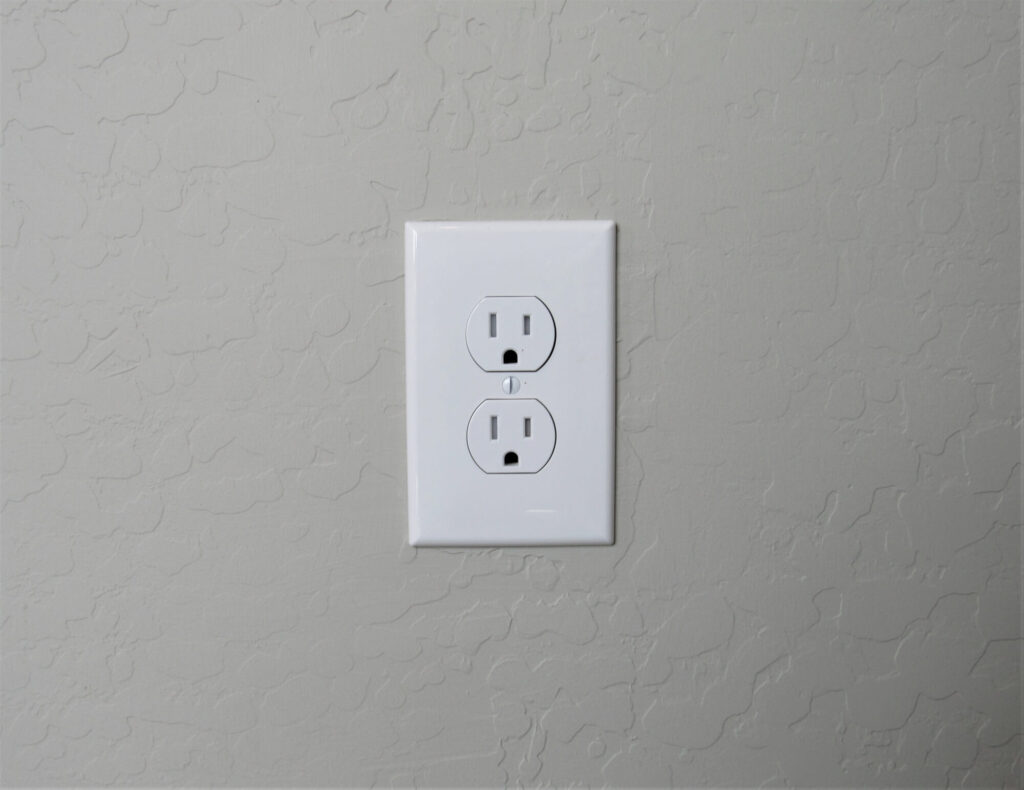
Most people never think about their electrical outlets until one stops working. But outlets have a lifespan — and waiting until they fail may be risky. This guide explains when outlets should be replaced and why upgrading older outlets is a worthwhile safety investment.
⚡ Key Takeaways
- Electrical outlets typically last 15–25 years before the internal contacts wear out.
- Outlets that feel warm, spark, or are discoloured should be replaced immediately.
- Upgrading old outlets to GFCI or tamper-resistant models increases safety.
Lifespan of Electrical Outlets
A standard outlet’s lifespan depends on usage and quality. Outlets in frequently-used circuits (kitchen, hallway, living room) may wear out in 15–20 years. Outlets in low-traffic areas may last 25+ years. The contact springs inside lose tension over time, leading to loose plug connections and electrical resistance.
Signs an Outlet Needs Replacement
Loose Plug Connections
If a plug falls out easily or plugs don’t fit snugly, the outlet contacts are worn. This creates electrical resistance and heat risk.
Visible Damage or Discoloration
Scorch marks, burn spots, or brownish discolouration indicate arcing or overheating. Replace immediately.
Warm or Hot to the Touch
A warm outlet indicates excessive resistance and current. This is a fire hazard. Stop using the outlet and call an electrician.
Intermittent Power
If an outlet works sometimes but not others, the internal contacts are likely failing. The outlet should be replaced.
Sparking or Buzzing Sounds
Any sparking or buzzing from an outlet is a red flag. Stop using it and have it checked or replaced by an electrician.
Age (20+ Years)
If your outlets are original to a home that’s 20+ years old, consider upgrading them proactively, even if they appear functional.
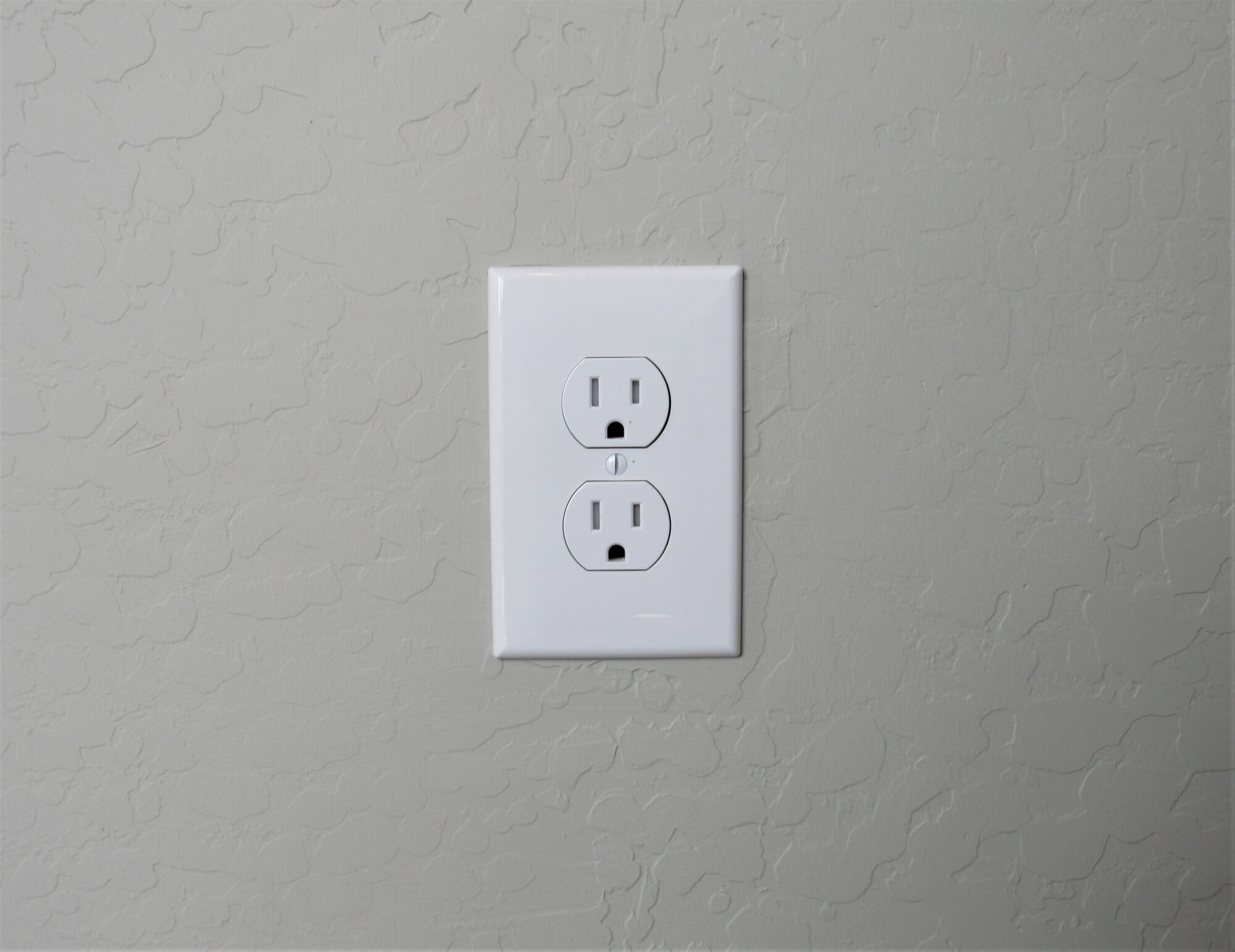
Modern Outlet Upgrades
GFCI Outlets
Ground Fault Circuit Interrupter outlets provide shock protection in kitchens, bathrooms, and other damp locations. Consider upgrading all outlets in these areas to GFCI.
Tamper-Resistant Outlets
These have spring-loaded shutters that prevent accidental contact with the internal terminals. Recommended for homes with children or pets.
USB-Integrated Outlets
New outlets with built-in USB ports reduce the need for power adapters and are convenient in bedrooms and living areas.
Smart Outlets
Outlets with remote control or smart home integration let you monitor and control devices remotely.
Cost and Process
Replacing a single outlet costs £50–£100 (US $75–$150), including labour. Replacing multiple outlets is cheaper per unit. Upgrading to GFCI or tamper-resistant models adds £20–£40 per outlet. Many homeowners find it worthwhile to replace all outlets in a room at once during renovations.
The Physical Lifespan of an Electrical Outlet
Electrical outlets are rated for a specific number of insertion/removal cycles — typically 10,000–15,000 for a standard outlet. In a bedroom used moderately, this might last 20–30 years. In a kitchen outlet used daily for appliances, this lifespan compresses significantly. The metal contact strips inside gradually lose tension with each cycle, leading to a loose grip and increased resistance — the primary cause of heat and fire risk in older outlets.
Code-Driven Replacement Requirements
Even if an outlet appears functional, building codes may require replacement in certain circumstances. Ungrounded two-prong outlets in renovated areas must be replaced with GFCI-protected three-prong outlets. Outlets in kitchens and bathrooms must be GFCI-protected. When selling a home, outdated outlets can be flagged on electrical inspection reports — proactive replacement avoids sale complications.
Signs That Replacement Is Needed Now
- Plugs fall out easily: The contact strips have lost tension — creating a loose, high-resistance connection
- Outlet feels warm: Resistance heating at worn contacts — a fire risk
- Discolouration or scorch marks: Heat damage has already occurred
- Cracked or broken faceplate: The outlet should be replaced, not just the cover
- Two-prong ungrounded: No safety ground — upgrade to GFCI-protected three-prong
Cost of Outlet Replacement
Standard outlet replacement runs $75–$150 per outlet including labour. GFCI outlets are $100–$200 per outlet. USB combo outlets are $100–$200. If you’re replacing multiple outlets at once, electricians often offer a reduced per-outlet rate — a whole-home outlet refresh in an average 3-bedroom house might run $800–$2,000 depending on the number of outlets and any wiring upgrades needed.
National Electrical Code (NEC) Standards for Outlet Replacement
The National Electrical Code (NEC), published by the National Fire Protection Association (NFPA), doesn’t mandate a strict replacement schedule for outlets under normal circumstances. However, the NEC requires outlets in kitchens, bathrooms, and outdoor areas to be protected by GFCI (Ground Fault Circuit Interrupter) outlets, which have built-in testing capabilities. If a GFCI outlet fails its self-test, replacement is necessary. Additionally, any outlet showing visible damage, discoloration, or scorching must be replaced immediately regardless of age, as these are fire hazards.
Warning Signs Your Outlets Need Immediate Replacement
Beyond age alone, several conditions demand immediate outlet replacement to prevent electrical fires and shock hazards. Outlets that feel warm to the touch indicate possible internal arcing or loose connections—never wait on these. If outlets produce a burning smell, visible scorch marks, or blackening around the outlet face, the internal contacts may be degraded and poses a fire risk. Outlets that no longer grip plugs securely (plugs fall out easily) have worn contacts that can cause intermittent arcing and overheating. Outlets that produce crackling sounds or sparks when plugs are inserted should be de-energized immediately and replaced. Most electricians recommend replacing all outlets in older homes during an electrical panel upgrade, as the entire system may be degraded.
Signs of Outlet Aging and Progressive Degradation
Electrical outlets degrade gradually, and recognizing early warning signs can prevent safety hazards and unexpected failures. A deteriorating outlet may show increased resistance to inserting plugs—this tightening occurs as the internal contacts wear and lose their spring tension. When a plug fits too loosely or feels warm after extended use, electrical resistance is generating heat, which can damage the outlet and pose fire risk. Over time, outlets may also develop discoloration around the face plate, indicating heat buildup or arcing inside the outlet. Some outlets may intermittently lose power—a lamp or device plugs in fine one day but loses connection the next—suggesting internal contact corrosion or failure. In kitchens and bathrooms, where moisture exposure is higher, outlets age faster due to humidity and water exposure, even if they haven’t been directly splashed. Older homes with 2-prong outlets often have outlets that are even more prone to failure because the contacts are smaller and thinner than modern 3-prong designs. Electricians recommend an electrical inspection every 10 years for homes over 30 years old, during which outlets are tested for proper grounding and load capacity. Replacing outlets proactively before failure reduces the risk of electrical hazards and maintains consistent power delivery throughout the home.
Frequently Asked Questions
Can I replace outlets myself?
This depends on your comfort level with electrical work. If you turn off the breaker and use a voltage tester to confirm the outlet is dead, replacing a basic outlet is relatively straightforward. However, if wiring is unclear or the outlet appears damaged, hire an electrician.
Should I replace outlets in my entire house?
Selective replacement is more economical. Focus on kitchens, bathrooms, and laundry areas first (upgrade to GFCI). Then handle any outlets that show age, damage, or wear. Finally, consider full replacement during major renovations.
What’s the difference between replacing and upgrading?
Replacement means installing a new outlet of the same type. Upgrading means installing a better outlet — such as switching from a basic outlet to GFCI, tamper-resistant, or smart. Upgrading offers increased safety and functionality.