
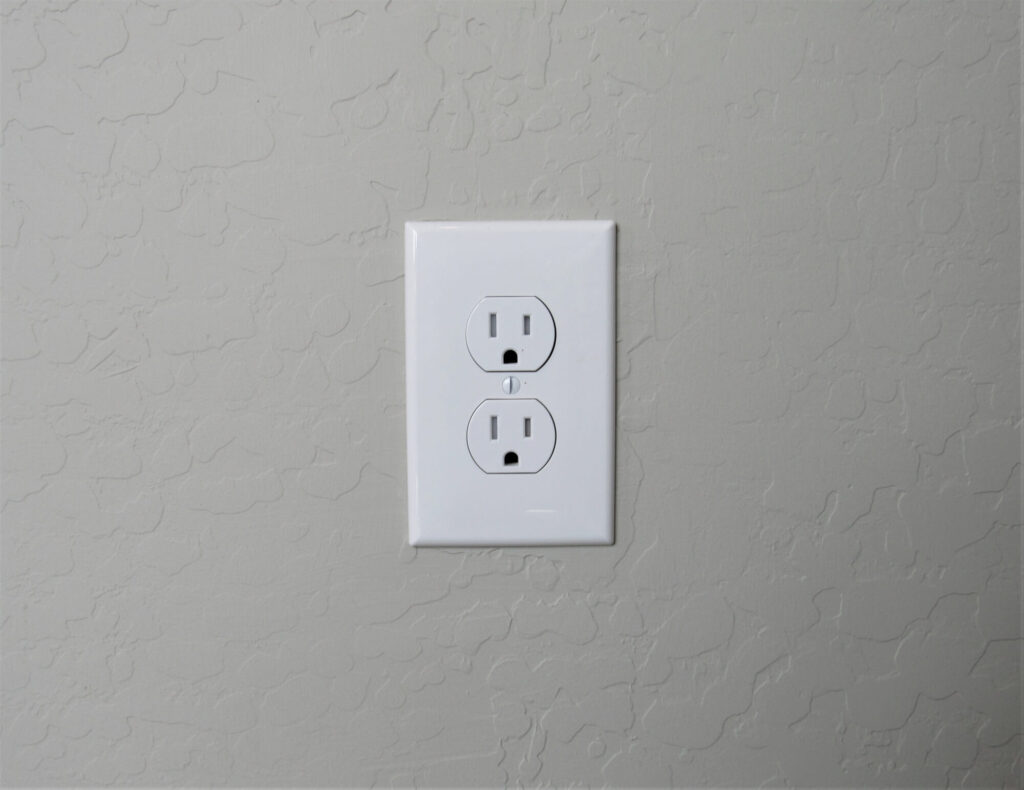
If you notice an outlet warm to touch in your home, it may indicate that electricity is not flowing safely through the circuit. While outlets can occasionally feel slightly warm when powering large devices, excessive heat should never be ignored. Warm outlets may signal overloaded circuits, loose wiring, or damaged electrical components.
Electrical heat occurs when resistance builds up inside wiring or outlet connections. Over time, this heat can damage insulation, melt outlet components, or create a fire risk. Understanding why outlets become warm can help homeowners determine whether the issue is minor or requires professional electrical repair.
This guide explains the most common causes of warm outlets, how to troubleshoot the issue safely, and the typical cost of electrical repairs.
⚡ Key Takeaways
- An outlet warm to touch usually means electrical current is generating heat somewhere within the outlet or wiring.
- Overloaded Electrical Circuit One of the most common causes of a warm outlet is an overloaded circuit.
- If an outlet is warm to touch, look for these warning signs that indicate a serious electrical issue:
What It Means When an Outlet Is Warm to Touch
An outlet warm to touch usually means electrical current is generating heat somewhere within the outlet or wiring. Electrical systems are designed to carry current efficiently, but when resistance increases due to loose connections, overloads, or damaged components, heat begins to build up.
A small amount of warmth can sometimes occur when powering high-wattage devices like hair dryers, space heaters, or microwaves. However, outlets should never feel hot, and they should never emit burning smells, sparks, or discoloration.
If an outlet becomes noticeably warm even when devices are not in use, this is a strong indication that something inside the circuit is malfunctioning.
Common Causes of an Outlet Warm to Touch
Overloaded Electrical Circuit
One of the most common causes of a warm outlet is an overloaded circuit. When too many devices draw power from the same circuit, the electrical demand increases beyond what the wiring was designed to handle.
This excess current can cause outlets and wires to heat up as electricity struggles to pass through the system.
Loose Wiring Connections
Loose wiring connections inside the outlet box can create electrical resistance. When electricity passes through these loose connections, it produces heat that can warm the outlet plate.
This situation is particularly dangerous because loose wiring can also cause electrical arcing.
Damaged or Worn Outlet
Outlets degrade over time. Worn internal contacts may not hold plugs securely, allowing electricity to jump between contacts. This creates heat that can cause the outlet to feel warm.
High-Power Appliances
Devices such as space heaters, microwaves, and window air conditioners draw large amounts of electricity. If these appliances are plugged into standard outlets, they can cause the outlet to heat up during operation.
Improper Wiring
Outlets that were installed incorrectly or wired with outdated electrical systems may not be able to handle modern power demands. Improper wiring increases the risk of overheating outlet — the CPSC Electrical Safety Guide warns that a warm or hot outlet is a serious fire risk caused by loose wiring, excess load, or a faulty device.
Danger and Warning Signs to Watch For
If an outlet is warm to touch, look for these warning signs that indicate a serious electrical issue:
- Burning smell near the outlet
- Sparks when plugging in devices
- Discolored or melted outlet plates
- Crackling sounds inside the wall
- Frequent breaker trips
- Lights flickering when appliances run
If any of these symptoms appear, turn off power to the outlet at the breaker panel and contact an electrician immediately.
How to Troubleshoot an Outlet Warm to Touch
Homeowners can perform a few simple checks to determine the likely cause of a warm outlet.
Unplug Devices
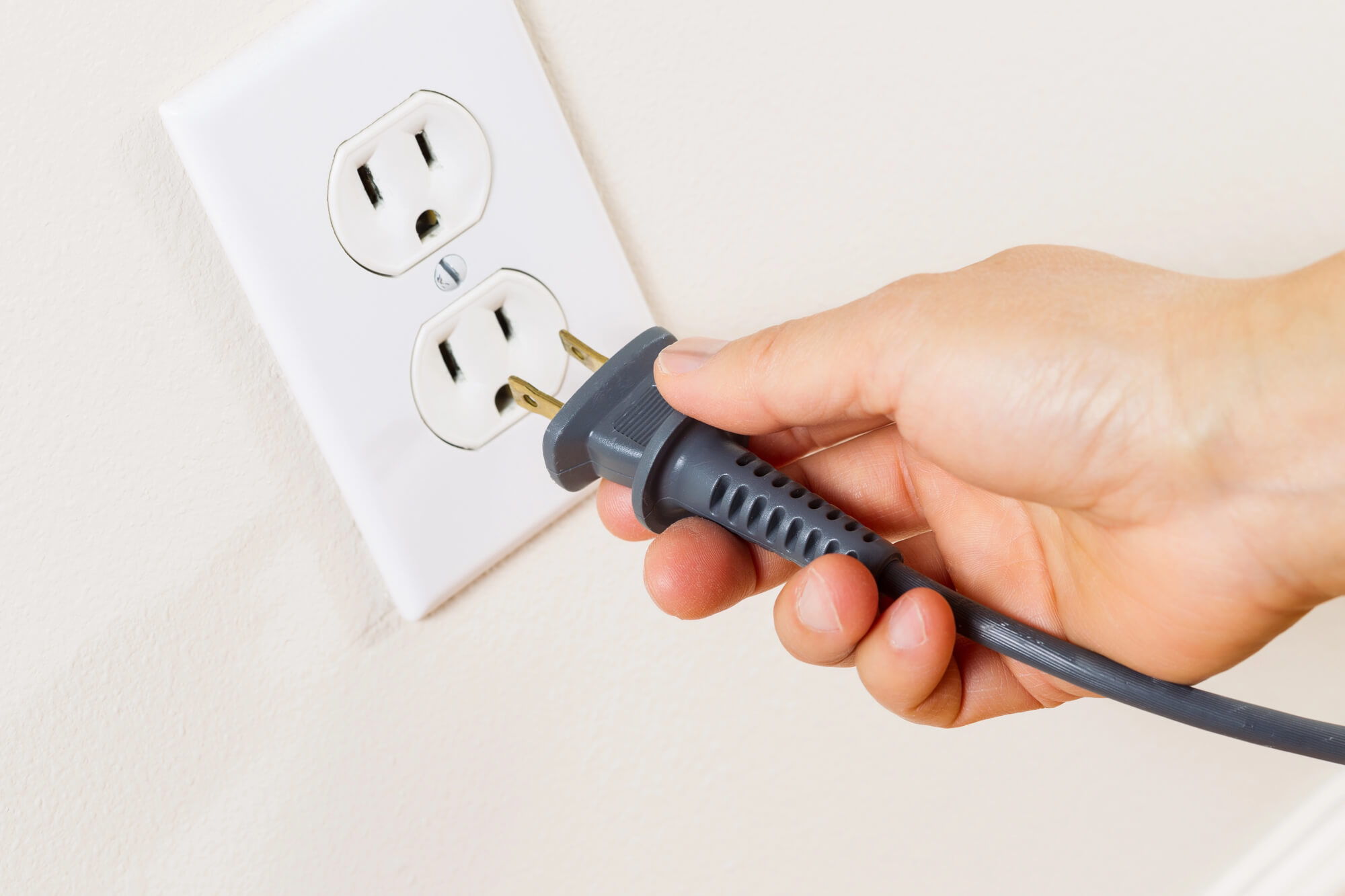
Disconnect any appliances plugged into the outlet and allow the outlet to cool. If the outlet cools quickly, the issue may be related to the device’s electrical demand.
Check Appliance Wattage
High-wattage appliances such as heaters and hair dryers can generate heat at outlets. Verify that the device does not exceed the circuit’s capacity.
Inspect the Outlet
Look for visible signs of damage such as discoloration, melted plastic, or loose plugs. Damaged outlets should be replaced immediately.
Test Another Outlet
Plug the appliance into another outlet on a different circuit. If the outlet still becomes warm, the appliance may be faulty.
Avoid Extension Cords
Extension cords and overloaded power strips can cause additional electrical resistance, increasing the likelihood of overheating.
Need an Electrician to Inspect a Warm Outlet?
If your outlet continues to feel warm after basic troubleshooting, it is safest to have a licensed electrician inspect the wiring and outlet connections.
Electrical issues involving heat should never be ignored because they can lead to damaged wiring or electrical fires.
A warm outlet is a fire risk. Our emergency electricians and repair team can respond fast.
How to Prevent Outlets From Overheating
Simple electrical safety practices can reduce the chances of outlets becoming warm or overheating.
- Avoid plugging too many devices into one outlet
- Use dedicated circuits for large appliances
- Replace worn or damaged outlets
- Schedule electrical inspections in older homes
- Upgrade outdated wiring systems
Modern electrical systems are designed to distribute power more efficiently and safely than older wiring installations.
Cost to Repair a Warm Electrical Outlet
The cost to repair a warm outlet depends on the underlying cause.
- Outlet replacement: $120 – $250
- Electrical troubleshooting visit: $100 – $250
- Wiring repair: $200 – $600
- GFCI outlet installation: $150 – $300
- New circuit installation: $800 – $2,000
In many cases, replacing a worn outlet solves the issue quickly. However, wiring problems inside the wall may require more extensive electrical work.
Replacing a Warm Outlet: What the Job Involves
Replacing a warm outlet is not a DIY job—it requires a licensed electrician to safely diagnose and remedy the underlying cause. When an electrician arrives to investigate, they perform several diagnostic steps. First, they use a voltmeter and clamp meter to measure voltage and current at the outlet under load, identifying whether the outlet itself is causing resistance or if the problem lies in the wiring upstream. They visually inspect the receptacle, checking for loose terminal connections, corrosion, or signs of arcing. They may also check for overloaded circuits by measuring total amperage on the circuit and examining whether high-load appliances are improperly sharing circuits. If the outlet terminals are loose, the electrician carefully tightens the connections; if the receptacle is damaged or corroded, they replace it. In some cases, the problem originates in the wire insulation—damaged insulation creates resistance and heat—requiring partial or full wire replacement for that circuit.
The cost to replace a warm outlet typically ranges from $100–$250 in labor (plus materials), depending on whether rewiring is necessary. If only the receptacle is faulty, replacement takes 15–30 minutes; if wiring damage is found, the electrician may need to replace sections of the circuit, which can add $2–$4 per linear foot of new wire and significantly extend the job. Never attempt to fix a warm outlet by simply replacing the receptacle yourself—you may mask a wiring issue that continues to build heat and fire risk. A professional diagnosis ensures the root cause is identified and properly corrected, protecting both the safety of your home and the integrity of your electrical insurance coverage.
Frequently Asked Questions
Is it normal for an outlet to feel warm?
A small amount of warmth can occur when powering high-wattage devices, but outlets should never feel hot. Persistent warmth often indicates overloaded circuits or loose wiring.
Can a warm outlet cause a fire?
Yes. Heat buildup in electrical outlets can damage insulation and wiring, which may eventually lead to electrical fires if not repaired.
Should I stop using an outlet that feels warm?
Yes. Unplug any devices and avoid using the outlet until the issue has been inspected and repaired by a qualified electrician.
Why does my house smell like burning plastic?
Burning plastic smells often occur when wire insulation overheats or melts due to electrical overloads, loose connections, or faulty appliances.
Get Help Fixing Electrical Problems in Your Home
If you discover an outlet warm to touch, it’s important to investigate the issue quickly. Warm outlets often indicate loose wiring, overloaded circuits, or damaged electrical components.
A licensed electrician can diagnose the cause and make the necessary repairs to keep your home safe.