
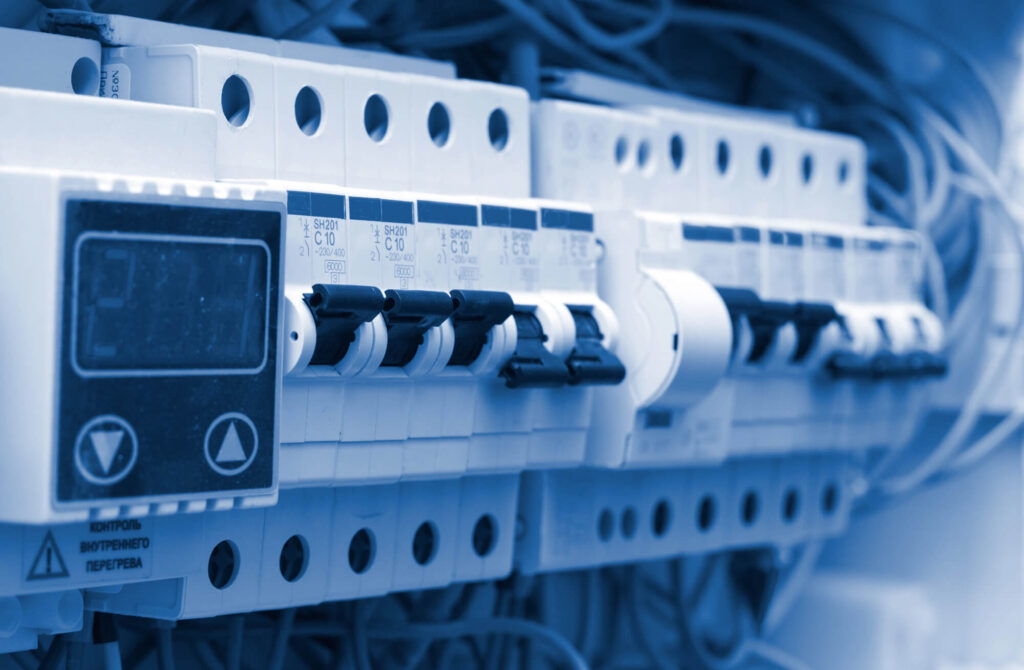
The cost to install a transfer switch is a key part of any backup generator setup. A transfer switch safely connects your generator to your home’s electrical system, preventing dangerous backfeed into utility lines while allowing you to power selected circuits during an outage. This guide covers the types of transfer switches, typical installation costs, and what to expect from the process.
⚡ Key Takeaways
- A transfer switch is an electrical device installed between your main panel and a generator that controls which source of power — utility or generator — feeds your home’s circuits.
- The two main types of transfer switches are manual and automatic, each with different costs and use cases:
- A manual transfer switch requires you to physically flip the switch from utility to generator power when an outage occurs.
What Is a Transfer Switch?
A transfer switch is an electrical device installed between your main panel and a generator that controls which source of power — utility or generator — feeds your home’s circuits. It physically disconnects your home from the utility grid before connecting to the generator, preventing backfeed that could electrocute utility workers or damage your appliances when power is restored.
Types of Transfer Switches and Their Costs
The two main types of transfer switches are manual and automatic, each with different costs and use cases:
- Manual transfer switch (MTS): $200 – $800 for the unit; $300 – $600 for installation labor
- Automatic transfer switch (ATS): $400 – $1,500 for the unit; $500 – $1,500 for installation labor
- Whole-home ATS (200-amp service): $1,000 – $3,000 for the unit; $1,000 – $2,000 for installation
Total installed costs typically range from $500 – $2,000 for a manual switch covering key circuits, and $1,500 – $5,000 for a fully automatic whole-home system.
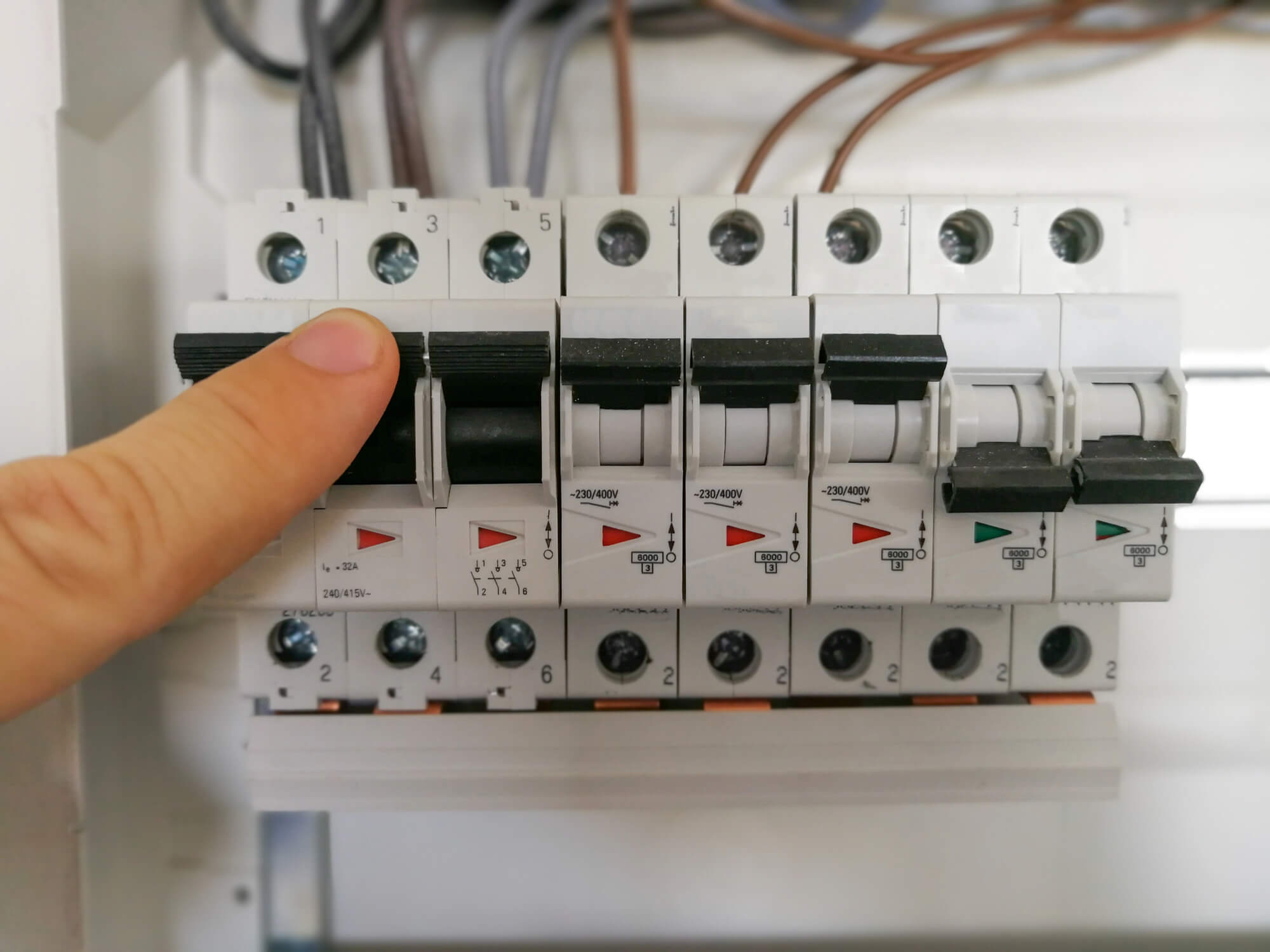 electrical panel” />
Manual vs. Automatic Transfer Switches
A manual transfer switch requires you to physically flip the switch from utility to generator power when an outage occurs. It’s less expensive and works well with portable generators. An automatic transfer switch detects a power outage and switches to generator power within seconds — with no action needed from you. ATSs are standard with standby generators and are the preferred option for households with medical equipment or those who travel frequently.
Key Factors That Affect Transfer Switch Installation Cost
Number of Circuits Covered
A basic manual transfer switch might cover 6–10 essential circuits (lights, fridge, furnace, sump pump). A full-home ATS covers your entire 200-amp panel. More circuits mean higher cost for both the hardware and the labor to wire them.
Panel Location and Accessibility
Transfer switches are installed adjacent to the main panel. If your panel is in a difficult-to-access location — such as a finished basement or tight utility closet — labor costs increase to allow for the additional work involved.
Electrical Panel Compatibility
Older or non-standard panels may require an interlock kit or panel replacement before a transfer switch can be installed, adding $200 – $500 to the total cost.
Transfer switch costs vary based on your panel and generator type. Our electricians provide transparent pricing — reach out for a free quote today.
When to Hire a Licensed Electrician
Transfer switch installation must be performed by a licensed electrician. It involves working directly on your main electrical panel — one of the most dangerous areas in your home. A licensed professional will:
- Assess your panel and generator compatibility
- Select and install the appropriate switch type
- Ensure safe disconnection from the utility grid
- Pull required permits and arrange inspections
What’s Included in a Transfer Switch Installation Quote
When you receive a quote from a licensed electrician for transfer switch installation, it should clearly itemize all labor and materials. Labor typically accounts for 40–60% of the total cost and includes site assessment, disconnecting the existing service or subpanel (if upgrading), installing the switch enclosure, running conduit and wiring from the panel to the generator connection point, and testing the system for proper operation and NEC compliance. Materials include the transfer switch itself (manual or automatic), appropriate gauge wiring (usually 4/0 or 6 AWG depending on amperage), breakers, conduit, disconnect enclosures, and hardware. Ask your electrician whether the quote includes permit fees and inspection costs, as these are often added separately and can range from $150–$500 depending on your local jurisdiction. A comprehensive quote protects both you and the contractor by setting clear expectations upfront.
Permits, Inspections, and Timeline
Transfer switch installation requires an electrical permit in nearly all US jurisdictions. Permit fees typically cost $50–$300 and are obtained by your electrician before work begins. Once the installation is complete, a municipal electrical inspector must verify that the work meets NEC standards (specifically Articles 230, 285, and 408 for generator switchover safety). The inspection process usually takes 1–3 weeks after permit approval, though some jurisdictions prioritize residential installations. The entire timeline—from permit application to final inspection—typically spans 2–4 weeks, so plan accordingly if you’re installing a generator and need the switch for seasonal weather protection or backup power. A reputable electrician will handle the permit paperwork and coordinate with inspectors on your behalf, which is worth the small overhead cost to ensure compliance.
How to Save Money on Transfer Switch Installation
The most effective way to reduce installation costs is to have your generator location finalized and your electrical panel accessible before the electrician arrives. If you’re installing a new generator, deciding on its location beforehand allows the electrician to run the most direct conduit path, reducing labor time. If you already have a generator installed, ensure the electrician can easily access both the generator and your electrical panel; obstructed access adds 1–3 hours of labor. Bundling the generator transfer switch installation with other electrical work—such as adding outlets or upgrading service—can sometimes result in a lower combined rate, as the electrician is on-site longer with equipment already staged. Finally, getting quotes from 2–3 licensed local electricians allows you to compare pricing and identify the most competitive option without sacrificing quality or compliance.
Automatic Transfer Switch vs Manual Transfer Switch
Both automatic transfer switches (ATS) and manual transfer switches (MTS) connect your home to a backup generator during a power outage, but they differ fundamentally in operation. A manual transfer switch requires you to physically move a switch lever from utility to generator power when the outage occurs, and back to utility when power returns. This process takes 30 seconds to a few minutes, and you have to be home and aware of the outage to initiate it. An automatic transfer switch monitors your utility voltage continuously and switches to generator power within 2–10 seconds of an outage, automatically and without any action required.
The cost difference is substantial: a manual transfer switch installation costs roughly $500–$800 installed, while an automatic transfer switch costs $1,000–$2,500 installed—a premium of $500–$1,700. If you have medical equipment that relies on power (sleep apnea, oxygen, refrigerated medications), frequent and unpredictable outages in your area, or you’re often away from home, an ATS is worth the premium. If outages are rare and brief, or you’re home when they occur, a manual switch saves money and still provides backup power.
Leading brands offering both options include Generac (PowerSwitch), Kohler, Cummins, and Briggs & Stratton. When choosing, consider your outage patterns and lifestyle. Many electricians recommend ATS for peace of mind; you’ll never come home to a dead refrigerator or frozen sump pump because you missed a brief outage. The investment often pays for itself in reduced spoilage, equipment damage, and stress over the system’s lifespan.
Frequently Asked Questions
Do I need a permit to install a transfer switch?
Yes, in most jurisdictions. Transfer switch installation involves work on your main electrical panel and requires a permit and inspection to ensure it meets local code. Your electrician will typically handle permit procurement.
Can I install a transfer switch myself?
This is not recommended and is illegal without a license in most areas. Improper installation creates a backfeed hazard that can kill utility line workers. Always hire a licensed electrician.
What’s the difference between a transfer switch and a transfer panel?
A transfer switch isolates individual circuits or your whole panel. A transfer panel (sometimes called a manual load center) is a sub-panel wired to accept generator power across a limited set of pre-selected circuits. Both serve the same basic function but differ in design and application.
How long does NEC-compliant transfer switch installation take?
Installing a manual transfer switch typically takes 2–4 hours. An automatic transfer switch for a standby generator usually takes 4–8 hours including panel wiring and testing.