
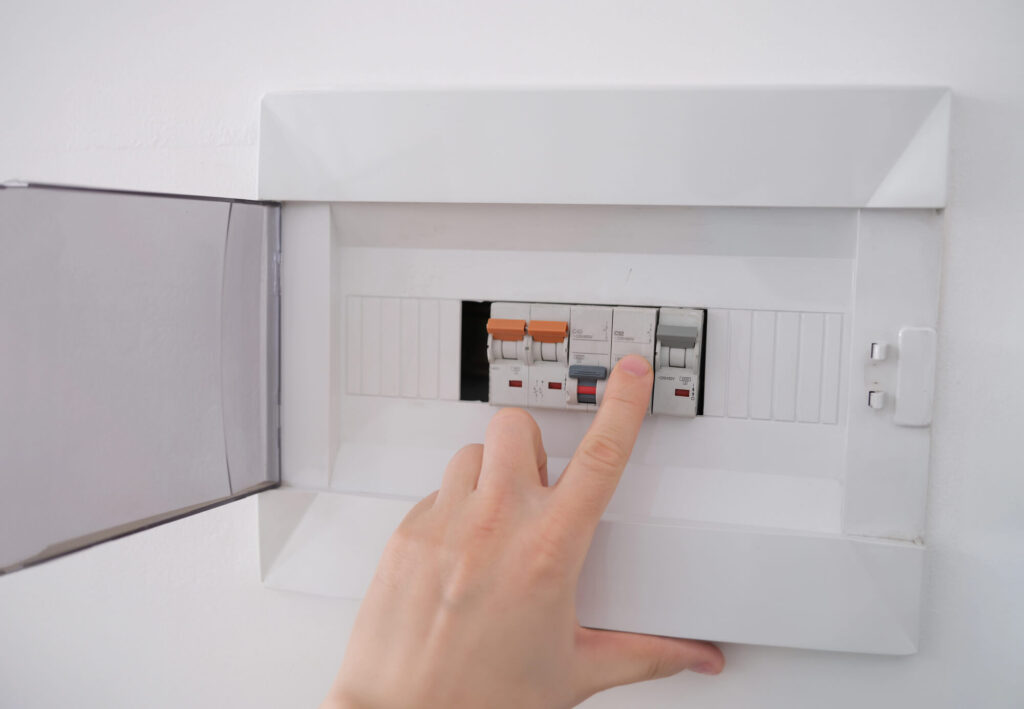
Whole house surge protection guards every electrical device in your home against voltage spikes — including those caused by lightning, utility switching, and large appliances cycling on and off. Unlike individual surge protector power strips — a distinction the U.S. Department of Energy highlights when recommending whole-home protection — a whole house system is installed at your main electrical panel and provides a first line of defense for all circuits simultaneously. This guide covers how whole house surge protection works, what it costs, and why it’s worth installing.
⚡ Key Takeaways
- A whole house surge protector (also called a surge protective device or SPD) is a device installed at or near your main electrical panel that detects and diverts excess voltage to ground before it can reach your appliances and electronics.
- Most homeowners associate surges with lightning strikes, but the majority of damaging surges actually originate inside the home:
- Whole house surge protection is one of the most cost-effective electrical upgrades available:
What Is Whole House Surge Protection?
A whole house surge protector (also called a surge protective device or SPD) is a device installed at or near your main electrical panel that detects and diverts excess voltage to ground before it can reach your appliances and electronics. It works alongside — not instead of — individual point-of-use surge protectors, providing two layers of defense against power surges.
What Causes Power Surges?
Most homeowners associate surges with lightning strikes, but the majority of damaging surges actually originate inside the home:
- Large appliances cycling on/off: HVAC systems, refrigerators, and washing machines create voltage spikes every time their motors start
- Utility switching: Power companies switch between grid sections during high-demand periods, causing brief surges
- Lightning nearby: Even a lightning strike blocks away can induce surges through power lines
- Tree contact with power lines: Creates intermittent surges during windy conditions
Cost to Install Whole House Surge Protection
Whole house surge protection is one of the most cost-effective electrical upgrades available:
- Type 1 SPD (installed before main breaker): $200 – $600 hardware; $150 – $300 installation
- Type 2 SPD (installed at panel, most common): $100 – $400 hardware; $100 – $200 installation
- Dual-mode Type 1+2 combination units: $300 – $700 hardware; $150 – $300 installation
- Total typical installed cost: $250 – $800
Given that a single surge can destroy thousands of dollars of electronics, smart TVs, computers, and appliances, this is a very high-value investment.
Whole House SPD vs. Point-of-Use Surge Protectors
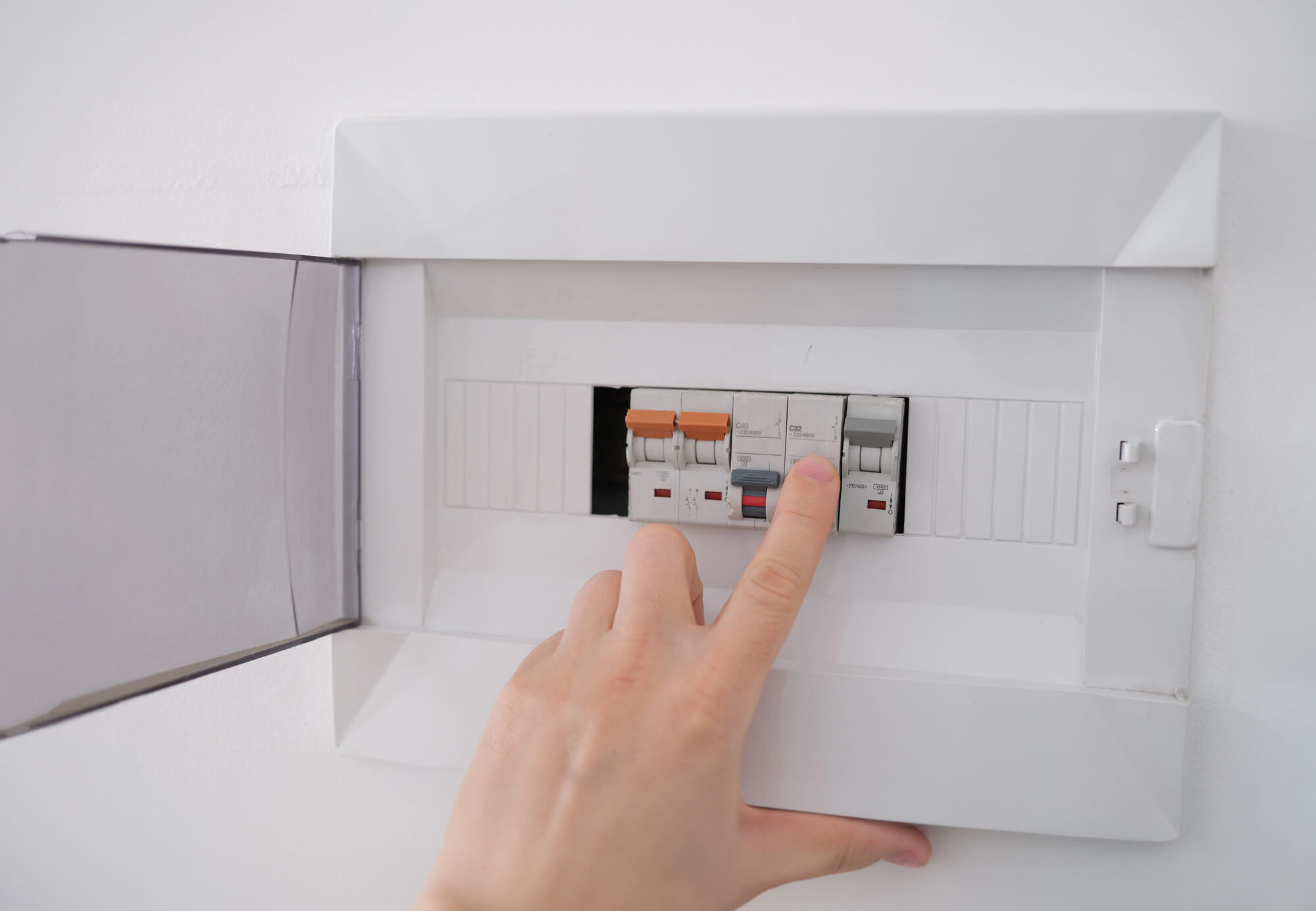
Point-of-use surge protector strips protect only the devices plugged into them and do nothing for hardwired appliances like your HVAC, refrigerator, washer, or dishwasher. A whole house SPD protects every circuit in your home simultaneously. Using both provides the most comprehensive protection — the panel SPD handles large surges while point-of-use strips catch any residual energy that passes through.
Does My Home Need Whole House Surge Protection?
Every home benefits from surge protection, but it’s especially important if you:
- Live in an area prone to lightning or severe weather
- Have a well pump, HVAC system, or other large motor-driven appliances
- Own expensive electronics, computers, or smart home devices
- Have recently installed an EV charger or solar inverter
Whole-house surge protection is one of the best investments for your home’s electronics. Our electricians can install a whole-home suppressor during a panel service visit.
When to Hire a Licensed Electrician
Whole house surge protector installation requires a licensed electrician. The device connects directly to your main electrical panel, which involves working with live components. Most installations take 1–2 hours and include testing to confirm the device is properly grounded and functional.
How Whole-House Surge Protectors Work
A whole-house surge protector, also called a surge protection device (SPD), is installed at or near your main electrical panel and protects your entire home’s electrical system from voltage spikes. These devices contain metal oxide varistors (MOVs) or other suppression components that detect sudden increases in voltage. When a surge occurs, the MOV immediately diverts excess current harmlessly to ground, clamping the voltage back to safe levels before it reaches your home’s wiring, outlets, and appliances. This happens in milliseconds—far faster than the blink of an eye.
The whole-house protector is a “first line of defense” that works alongside individual point-of-use surge protectors on outlets. While individual surge protector strips protect specific devices, a whole-house surge protector handles the major surge and ensures your home’s infrastructure remains safe. Licensed electricians install these devices in the main panel or just after the utility meter, positioning them to catch surges before they spread through the home. Most modern whole-house protectors are rated to handle multiple surges and provide decades of protection with minimal maintenance.
Understanding Surge Frequency and Prevention
Surges are more common than most homeowners realize. Lightning strikes cause dramatic surges, but equally damaging surges come from utility switching, downed power lines, and even large motor devices cycling on and off. If you live in an area with frequent thunderstorms or power grid instability, surges may occur dozens of times per year. Each surge damages sensitive electronics—computers, smart thermostats, televisions, and appliances—incrementally, even if you don’t notice immediate failure. A whole-house protector prevents that cumulative damage.
The best surge protection strategy uses multiple layers: a whole-house surge protector for major surges, quality surge protector strips for grouped devices, and individual surge protectors for expensive electronics like computers and home theaters. If you live in a newer home or recently had electrical work done, ask your electrician whether your home has a whole-house protector installed. Homes built before 2010 rarely include one, making them particularly vulnerable to surge damage. The cost of installing a whole-house protector (typically $300-$600 including labor) is minimal compared to replacing a $2,000 HVAC system or $1,500 computer damaged by a single surge.
How to Choose the Right Whole-House Surge Protector
Selecting a whole-house surge protector involves understanding several key specifications that determine its effectiveness. Surge current rating, measured in kiloamps (kA), indicates how much surge current the device can handle—look for units rated 50–80 kA to handle most household surges including nearby lightning strikes. Response time, measured in nanoseconds, tells you how quickly the device activates to suppress the surge; faster is better, with response times under 100 nanoseconds being standard. Most importantly, verify that the surge protector is UL 1449 listed, which means it meets safety standards and includes indicator lights or audible alarms to alert you if the device has been compromised and needs replacement.
Top-rated whole-house surge protectors include the Siemens FS140 (around $55), Eaton CHSPT2ULTRA (around $90), and Square D SDSB80400 (around $75)—all are professionally installed at the main panel and backed by manufacturer warranties ranging from 5–10 years. The lowest-cost unit isn’t always the best choice; mid-range options typically offer excellent protection with reliable indicator systems and better warranty coverage. Professional installation at the main electrical panel is essential—never attempt to install a surge protector yourself, as working inside the main panel poses serious electrocution and arc flash hazards. A licensed electrician can assess your home’s grounding and bonding, ensure the surge protector is properly sized and wired, and test it to confirm protection. With a whole-house surge protector properly installed, your home’s appliances and electronics are safeguarded against surge damage for years to come.
Frequently Asked Questions
Does whole house surge protection replace power strips?
No — it complements them. A whole house SPD is a first line of defense that handles large surges from outside and large appliances. Point-of-use strips provide a second layer of protection for sensitive electronics plugged into them.
How long does a whole house surge protector last?
Most whole house SPDs have a lifespan of 5–10 years, though this depends on how many surges they absorb. Many units include a status indicator light or audible alert that signals when the device needs replacement after handling a significant surge.
Will a whole house surge protector protect against a direct lightning strike?
No device can fully protect against a direct lightning strike to your home or service entrance — the energy involved is too massive. However, a quality whole house SPD significantly reduces damage from nearby strikes that induce surges through power lines.
Is whole house surge protection required by code?
The 2020 National Electrical Code (NEC) added a requirement for surge protection in new residential construction in many jurisdictions. Even where not required, it’s strongly recommended by electricians and insurance professionals.