
Installing a backup generator for your home is a significant project that requires careful planning, proper sizing, and professional electrical work. The result — reliable power during outages — can make a meaningful difference for families with medical equipment, those in outage-prone areas, or anyone who works from home. This guide covers how backup generator installation works from start to finish.
⚡ Key Takeaways
- Before installation begins, you need to select the right type and size of generator:
- Generator sizing depends on which circuits you want to power during an outage.
- A complete standby generator installation involves several coordinated steps:
Choosing the Right Generator for Your Home
Before installation begins, you need to select the right type and size of generator:
- Portable generators: Lower upfront cost ($500 – $3,000); must be started manually; connected via a manual transfer switch; limited output (3,000 – 12,000 watts)
- Standby generators: Higher upfront cost ($3,000 – $15,000+); start automatically within seconds of an outage; connected via an automatic transfer switch; run on natural gas or propane
For true whole-home protection with automatic operation, a standby generator is the preferred choice. For occasional outage coverage of essential circuits, a portable generator with a manual transfer switch is a more affordable option.
Sizing Your Generator
Generator sizing depends on which circuits you want to power during an outage. A licensed electrician performs — a requirement under National Electrical Code (NEC) Article 702 governing standby power systems — a load calculation based on your appliances and determines the right kilowatt rating:
- 7–10 kW: Essential circuits only (lights, refrigerator, furnace, sump pump, some outlets)
- 14–20 kW: Most of the home, including central air conditioning
- 22+ kW: Whole-home coverage including large appliances and electric heating
The Backup Generator Installation Process
A complete standby generator installation involves several coordinated steps:
- Site selection: The generator is placed on a concrete pad at least 18 inches from the home, away from windows and doors
- Gas line connection: A licensed plumber or gas fitter connects the generator to the natural gas supply or installs a propane tank
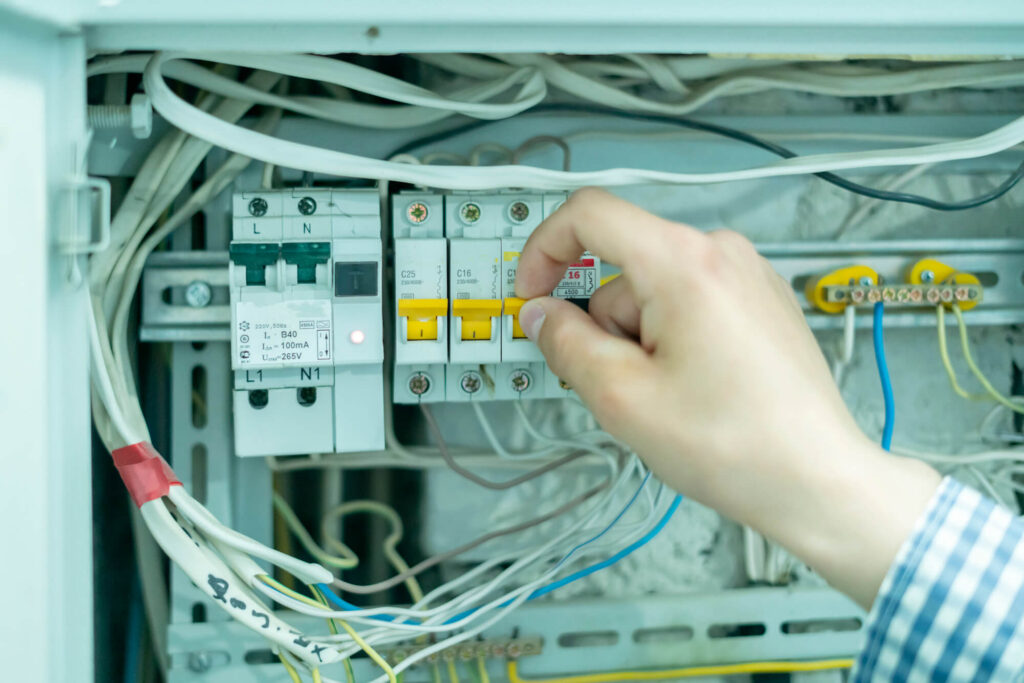
- Transfer switch installation: A licensed electrician installs an automatic transfer switch adjacent to your main panel
- Panel wiring: The ATS is wired to the main panel, isolating your home from the utility grid when generator power is active
- Commissioning and testing: The system is started, tested under load, and the automatic switchover is verified
- Permit and inspection: Required in virtually every jurisdiction; the electrician handles this
How Long Installation Takes
The electrical and mechanical installation typically takes 1–2 days. Permit processing, utility scheduling, and gas line work can extend the overall project timeline to 1–3 weeks. Planning ahead of storm season is strongly recommended — demand for generator installation surges after major outage events.
Generator installation requires a licensed electrician for safe, code-compliant hookup. Our generator installation team handles everything from sizing to transfer switch connection.
Generator Maintenance After Installation
Standby generators require annual maintenance to remain reliable. This includes:
- Oil and filter change
- Air filter inspection and replacement
- Battery check and replacement if needed
- Spark plug inspection
- Load bank test to verify full output capacity
Most manufacturers require documented annual service to maintain the warranty. Many electricians and generator dealers offer annual service contracts.
Generator Type Selection and Power Requirements
Choosing the right generator depends on your needs and budget. Portable generators (5,000–10,000 watts) are affordable ($500–$1,500) and flexible but require manual setup and fuel management. They are best for temporary or emergency use and power essential devices like refrigerators, sump pumps, and medical equipment. However, portable generators cannot be connected directly to your home’s electrical panel without a manual transfer switch, and they produce carbon monoxide, so they must never run indoors or in an enclosed space. Standby generators (10,000–20,000 watts or larger) are permanently installed outside your home, connect directly to your electrical panel through an automatic transfer switch, and automatically start when power is lost. Standby units are more expensive ($3,000–$8,000 for equipment before installation) but provide seamless backup power without manual intervention and can run on natural gas or propane supplied from your utility or a bulk tank.
Determine your power requirements by listing which appliances and devices must keep running during an outage. Essential items typically include a refrigerator (600–800 watts), furnace or heat pump (3,500–5,500 watts for short runtimes), water heater (4,500 watts but typically run intermittently), and medical equipment if applicable. A sump pump requires 1,000–2,000 watts, and an electric vehicle charger during an outage requires 6,600–11,000 watts if you want to maintain charging capability. Most homeowners find that a 12,000–16,000-watt standby generator covers essential loads without exceeding practicable size and fuel requirements. Once you know your target wattage, consult with a licensed electrician who has generator experience — they can verify that your electrical panel can handle the generator and recommend the optimal location and fuel type for your home and situation.
Installation Complexity, Permits, and Long-Term Maintenance
Generator installation requires multiple steps and professional expertise. The electrician must identify where the generator will be positioned (typically outside, at least 5 feet from windows and doors, on a stable pad), run a large-gauge wire from the generator to your electrical panel (often 50–100 feet), and install an automatic or manual transfer switch in the panel that controls power from either the utility or the generator. If your home uses natural gas, the installer must also coordinate with your gas utility to safely connect the generator to the gas line — this work may require a licensed gas fitter in addition to the electrician.
Building permits are mandatory for generator installation and typically cost $100–$300, with inspection fees adding another $50–$100. Permit requirements exist to ensure the installation meets electrical code, which is critical for safety and insurance coverage. Without permits, your homeowner’s insurance may deny claims related to the generator or any damage it causes, such as backup sewage into your home if a sump pump override occurs during a power failure. The inspection process typically takes 1–3 weeks after the installation is complete.
After installation, a standby generator requires regular maintenance to ensure it starts reliably during an outage. Most manufacturers recommend running the generator under load for 20–30 minutes every 1–2 weeks to keep fuel fresh and ensure all systems function. Some homeowners hire a service company to perform quarterly or annual maintenance, costing $200–$400 per visit, though basic maintenance can be performed by the homeowner with guidance from the manual. If your generator runs on propane, inspect the tank for rust and have it serviced annually. If it runs on natural gas, have a professional inspect the gas connection for leaks once per year. Over the 15–20 year lifespan of a typical standby generator, budget $150–$300 annually for fuel, maintenance, and parts replacement to keep it in reliable condition.
Frequently Asked Questions
Can I install a generator myself?
No. Generator installation requires a licensed electrician for the transfer switch and panel wiring, and typically a licensed gas fitter for the fuel line connection. Permits and inspections are mandatory. Improper installation creates backfeed hazards that can be fatal to utility workers.
How often does a standby generator run without an outage?
Most standby generators are programmed to run a self-test cycle automatically once per week for 10–20 minutes. This exercises the engine, charges the battery, and confirms the system is ready for use.
What fuel type is best for a standby generator?
Natural gas is preferred for convenience — it connects to the existing supply line with no refueling required. Propane is a good alternative where natural gas isn’t available. Diesel generators are used in commercial applications but are less common for residential installations due to fuel storage requirements.
How far from the house does a generator need to be?
Most manufacturers require a minimum of 18 inches from the structure, and local codes often specify greater clearances from windows, doors, and gas meters. Your electrician will ensure placement meets all applicable requirements.