
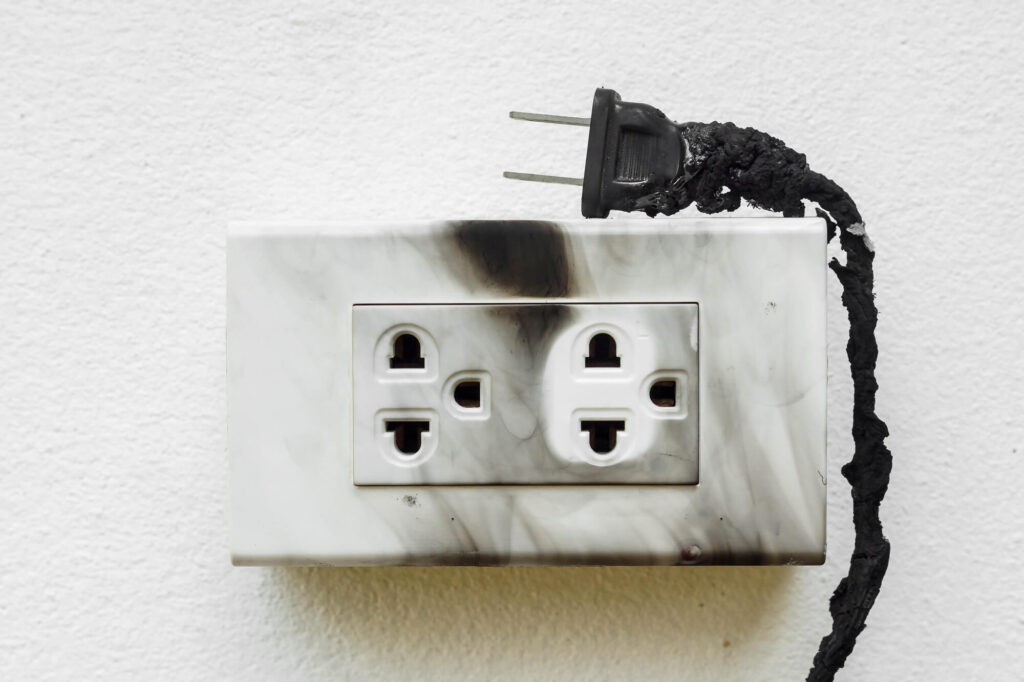
Water damage to your home’s electrical system is one of the most dangerous situations a homeowner can face. Whether caused by flooding, a burst pipe, a roof leak, or an appliance failure, water that contacts electrical wiring, outlets, or panels creates serious risks of electrocution, arc faults, and fire — hazards the U.S. Consumer Product Safety Commission (CPSC) flags as especially acute after flooding or water intrusion. This guide explains what to do, what not to do, and when to call a licensed electrician after water damage affects your electrical system.
⚡ Key Takeaways
- Water is an excellent electrical conductor, particularly when it contains dissolved minerals and contaminants — which most floodwater and tap water do.
- Do Not Enter Flooded Areas Until Power Is Off If your home has standing water, do not enter any flooded area until you have confirmed that power to the affected area is off.
- A licensed electrician will inspect and assess the following after water damage:
Why Water Damage and Electricity Are So Dangerous
Water is an excellent electrical conductor, particularly when it contains dissolved minerals and contaminants — which most floodwater and tap water do. When water contacts energized wiring, outlets, or electrical panels, it creates unintended current paths that can deliver a fatal shock to anyone who touches affected surfaces, stands in water near live components, or operates wet switches and outlets.
Even after water recedes and surfaces appear dry, moisture trapped inside walls, junction boxes, and the electrical panel can cause corrosion, insulation breakdown, and arc faults for weeks or months afterward.
Immediate Steps After Water Damages Your Electrical System
Do Not Enter Flooded Areas Until Power Is Off
If your home has standing water, do not enter any flooded area until you have confirmed that power to the affected area is off. If your electrical panel is in a dry, accessible location, turn off the main breaker. If the panel is in the flooded area or inaccessible, contact your utility company to disconnect power at the meter before entering.
Call a Licensed Electrician Before Restoring Power
Never restore power to water-damaged areas without a professional inspection. Even if the water has receded and everything appears dry, wiring inside walls, junction boxes, and the panel may have been compromised. An electrician must inspect, test, and clear each affected circuit before it’s safe to energize.
Document Everything for Insurance
Before any cleanup or repair work begins, photograph and video all water damage — including water levels, affected outlets, and any visible damage to the panel or wiring. This documentation is essential for insurance claims covering electrical repair and appliance replacement.
What Needs to Be Inspected After Water Damage
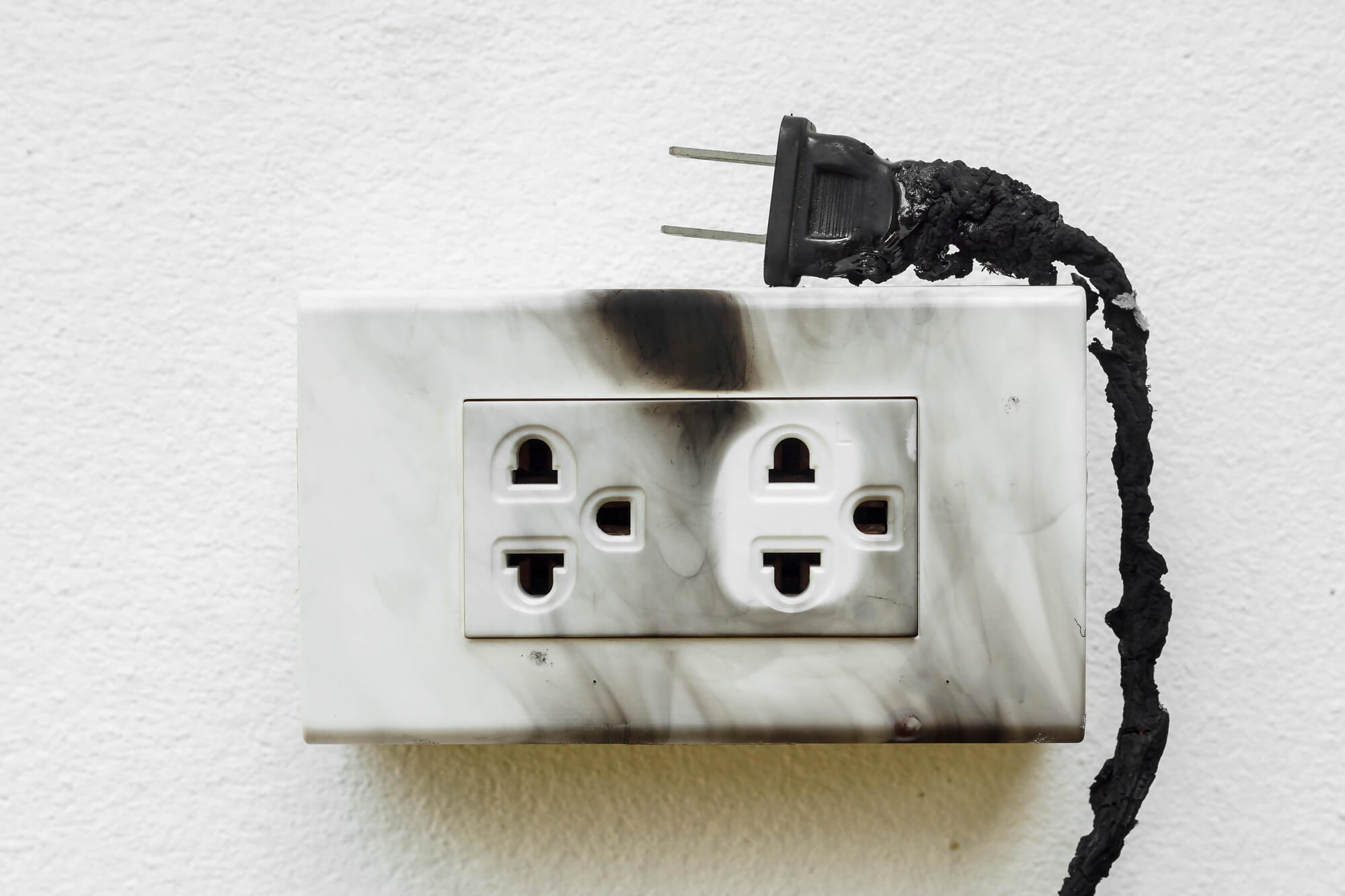
A licensed electrician will inspect and assess the following after water damage:
- Electrical panel: Water intrusion into the panel causes corrosion, shorts between breakers, and busbar damage. Panels that have been submerged must typically be replaced.
- Circuit breakers: Moisture inside breakers causes them to malfunction. Any wet breaker should be replaced.
- Outlets and switches: All outlets and switches in water-affected areas must be replaced — even those that appear undamaged.
- Wiring: Wire insulation that has been submerged in contaminated water may need to be replaced, particularly if it has degraded or the insulation has cracked.
- Junction boxes: All junction box connections in affected areas must be inspected and cleaned or replaced.
- GFCI protection: After repair, all vulnerable areas must have GFCI protection to provide ongoing safety against future ground faults.
Can Electrical Components Be Dried Out and Reused?
In general, no. The National Electrical Code and most manufacturers state that electrical components that have been submerged in water must be replaced, not dried and reused. This includes circuit breakers, outlets, switches, and panels. Drying may restore apparent function, but internal corrosion and insulation damage create long-term arc and fire hazards.
Water and electricity are a dangerous combination. If your home has suffered water damage near electrical systems, contact our emergency team immediately — do not restore power without a professional safety inspection.
Permits and Inspections After Water Damage Repairs
Electrical repairs after water damage typically require permits and a final inspection by a building inspector before power is restored. Your licensed electrician will manage this process. Do not attempt to restore power before the inspector has signed off — doing so can void your insurance coverage and create unresolved safety hazards.
Long-Term Effects of Water Damage on Electrical Systems
Water damage to electrical systems can have consequences that extend far beyond the immediate incident. Even after water has been removed and the area appears dry, residual moisture inside walls, conduits, and electrical panels can continue to cause problems for months or even years. This delayed damage is why professional assessment is critical after any flood or water intrusion event.
Corrosion is the primary long-term threat to water-damaged electrical infrastructure. Copper wiring, aluminum panels, and steel components oxidize when exposed to moisture, creating resistance that generates excess heat. This corrosion can be invisible—hidden inside walls or behind panels—making it impossible to detect without professional testing. Over time, corroded connections loosen, creating arc faults that generate sparks and heat. An arc fault can start a house fire years after the original water damage incident, when homeowners believe the problem has been resolved.
Fiberglass insulation in walls and attics loses its moisture-blocking properties once saturated with water. This means that even after visible water is removed, moisture continues to migrate and can reactivate old damage. Professional water remediation specialists recommend that after significant water damage, all electrical components in the affected areas should be replaced rather than repaired. This includes outlets, switches, panel components, and any wiring that was fully submerged. While costly, replacement is far more cost-effective than dealing with an electrical fire or electrocution incident caused by hidden corrosion years later.
Insurance Coverage for Water-Damaged Electrical Systems
Water and electricity are a dangerous combination, and water damage to electrical systems can result in costly repairs or complete rewiring. Whether your homeowner’s insurance covers this damage depends on the cause. A sudden pipe burst that floods your basement and damages the electrical panel is typically covered under a standard homeowner’s policy. Gradual water seepage from a slow leak, chronic condensation, or flooding from a weather event (unless you have flood insurance) is usually excluded.
When water damage occurs, the first step is to shut off the main breaker and call an electrician—do not attempt to inspect the panel yourself. The electrician will assess whether components can be salvaged or if the entire panel and associated wiring need replacement. Get a detailed written assessment that documents which components failed and why; your insurance adjuster will want this report before processing your claim.
To support an insurance claim, photograph the damage before any cleanup, document the source of water (pipe burst, roof leak, etc.), and gather any receipts or prior maintenance records. Deductibles typically range from $500 to $1,500, so factor this into your claim decision. If the damage is substantial (panel replacement can cost $3,000–$8,000), filing a claim is justified. For minor damage, the deductible may exceed your actual costs, making it not worth filing. Call your agent to discuss coverage before authorizing repairs, as they may require specific documentation or pre-approval for the work.
Frequently Asked Questions
How do I know if my wiring was damaged by water if walls are still closed?
An electrician can use insulation resistance testing (megger testing) to measure the integrity of wiring inside closed walls without opening them. This identifies compromised insulation that isn’t visible externally.
Can I use outlets in areas that weren’t directly flooded?
If the flooding was confined to one area and the circuits serving other areas of the home are confirmed unaffected by your electrician, those circuits may be safe to use. Do not make this determination yourself — have it confirmed professionally.
How much does it cost to repair water-damaged electrical systems?
Costs vary widely by extent of damage. Replacing a single outlet or switch costs $100 – $250. Full electrical repair of a flooded basement or first floor — including panel replacement, new wiring, and new outlets — can cost $3,000 – $15,000 or more depending on the scope.
Will my homeowner’s insurance cover electrical water damage?
Coverage depends on the source of water. Sudden and accidental water damage (burst pipe, appliance failure) is typically covered. Flood damage from rising water generally requires separate flood insurance. Contact your insurer immediately and document all damage before repairs begin.