
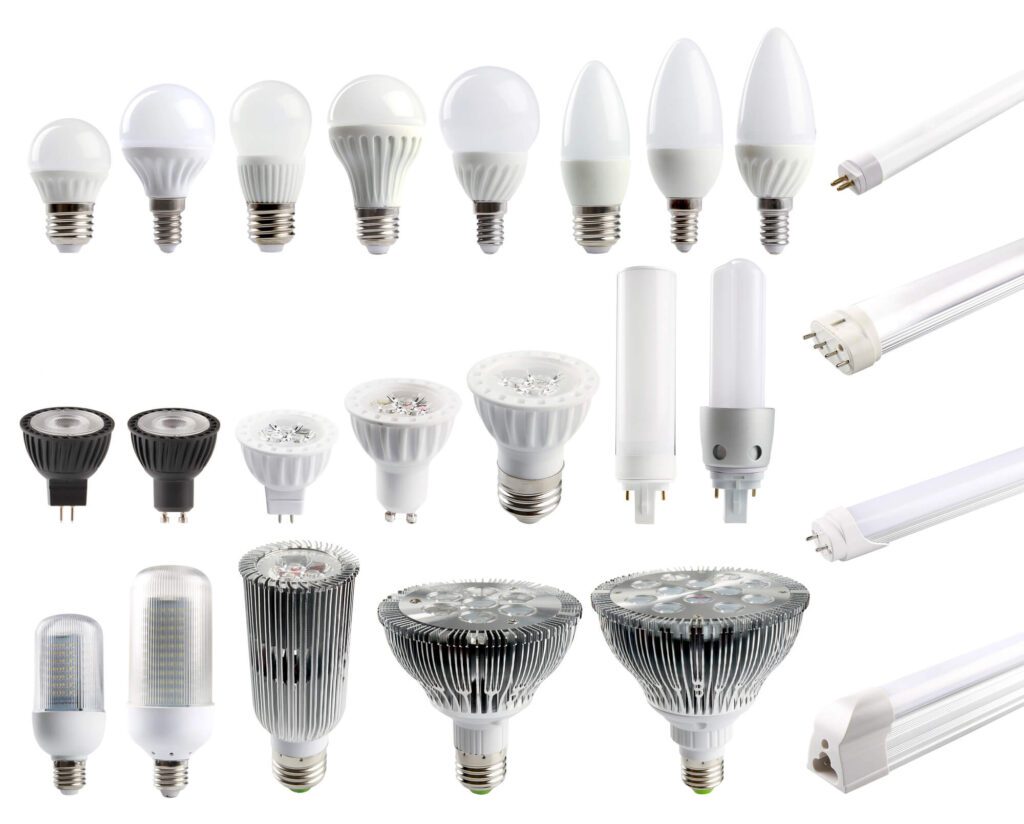
You flip on the lights and they seem unusually, uncomfortably bright — or you notice that light bulbs are burning out far faster than they used to. Lights that are suddenly brighter than normal is a symptom your electrical system is trying to tell you something. In most cases it points to a voltage problem, and some causes are more serious than others.
Contents
⚡ Key Takeaways
- Before assuming the worst, there are some completely benign explanations for lights appearing brighter than expected.
- If no bulbs have been changed and no dimmers have been adjusted, sudden brightness — especially when accompanied by bulbs burning out frequently — points to an electrical issue that deserves prompt attention.
- Certain patterns alongside bright lights indicate an active electrical emergency requiring immediate action.
Normal Causes of Lights Seeming Brighter
Before assuming the worst, there are some completely benign explanations for lights appearing brighter than expected.
Wrong Bulb Wattage or Type
If bulbs were recently replaced, the new bulbs may simply produce more light than the old ones. LED bulbs in particular can be confusing — a 10-watt LED produces the same light as a 60-watt incandescent, so if someone installed a higher-lumen LED than the previous bulb, the room will be genuinely brighter. Check the lumen output printed on the bulb packaging.
Dimmer Switch Set Higher
If the circuit has a dimmer switch, it may have been inadvertently set to a higher level. Check any dimmers on the circuit before investigating further.
Electrical Causes: When Brighter Lights Signal a Problem
If no bulbs have been changed and no dimmers have been adjusted, sudden brightness — especially when accompanied by bulbs burning out frequently — points to an electrical issue that deserves prompt attention.
High Voltage from the Utility
Standard US household voltage is 120V. If utility power is running above normal — typically caused by a problem on the utility side such as a neutral connection issue — your home voltage can rise above normal. Higher voltage means more current through bulbs and fixtures, causing them to appear brighter and burn out faster. If lights throughout your home are bright and multiple bulbs have failed recently, contact your utility company to check incoming voltage.
Lost Neutral Connection
This is the most dangerous cause of suddenly bright lights and requires immediate attention. In a split-phase 240V electrical system (standard in North American homes), the neutral wire balances the two 120V legs. If the neutral connection is broken — at the utility connection, the meter base, or the main panel — the two legs become unbalanced. Loads on the lighter-loaded leg see voltage that can spike above 120V, sometimes dramatically. This can cause lights to blaze, electronics to overheat and fail, and appliances to be damaged. Simultaneously, loads on the other leg may appear dim.
Suddenly bright lights often signal a serious wiring fault. Call our emergency electricians or book a diagnostic visit.
Signs That Bright Lights Are an Emergency
Certain patterns alongside bright lights indicate an active electrical emergency requiring immediate action.
Recognizing a Floating Neutral Emergency
Call an electrician immediately — or call your utility company if you suspect the issue is at the meter — if you notice: lights in some rooms are blazing bright while others appear dim; appliances are making unusual noises (motors running fast, humming louder than normal); electronics, TVs, or computers shut down or show error messages; bulbs have failed in rapid succession in a short period; or you smell burning from outlets, fixtures, or appliances. A floating neutral can expose your home’s 120V devices to 240V — enough to destroy electronics, start fires, and cause electrocution hazards.
What to Do
If you suspect a floating neutral or utility-side problem, turn off sensitive electronics and call your utility company’s emergency line immediately. If there is any smell of burning, sparking, or visible damage, shut off your main breaker and call an emergency electrician. Do not attempt to investigate the meter base or utility connections yourself — these involve utility-owned equipment and potentially lethal voltages.
Overvoltage from Wiring Problems
Within the home itself, wiring problems can create localized overvoltage conditions — a hazard the U.S. Consumer Product Safety Commission (CPSC) links to arc faults and electrical fires. A poor connection on a neutral wire — at a junction box, outlet, or panel — can cause certain circuits to see elevated voltage. This is more likely to affect a subset of lights rather than the whole home, and typically gets worse as loads change.
Voltage Fluctuations and Dimmer Switch Compatibility Issues
Dimmer switches and smart lighting systems may cause brightness problems if not properly matched to your fixture type. LED bulbs often behave unexpectedly with standard dimmer switches because they draw minimal current, and many dimmers require a minimum load to function correctly. This incompatibility can result in flickering, buzzing, or sudden brightness changes that don’t respond smoothly to dimming. Upgrading to LED-compatible dimmer switches rated for your bulb type (standard A19 LEDs, GU10 spotlights, or specialty bulbs) ensures reliable operation.
Voltage fluctuations from utility power issues, damaged transformers, or problems with your service entrance can also cause sudden brightness increases. Unlike the slow dimming changes you’d expect from faulty dimmers, voltage spikes create an immediate noticeable brightening. A volt meter reading at your outlets should show 120V plus or minus 5 percent (roughly 114V to 126V). Readings outside this range indicate problems requiring utility company attention or a voltage regulator installation. Smart bulbs and WiFi-enabled systems sometimes conflict with standard dimmer switches, creating compatibility issues that manifest as sudden brightness increases or inability to dim smoothly. When installing new lighting systems, always verify dimmer and bulb compatibility to prevent these problems.
Frequently Asked Questions
Is it dangerous if my lights are suddenly too bright?
It can be. Lights that are suddenly brighter than normal may indicate a floating neutral or overvoltage condition, which can damage electronics and appliances and in serious cases create fire or electrocution hazards. If brightness is accompanied by rapid bulb failures, dim lights elsewhere, or unusual appliance behavior, treat it as an emergency and call an electrician.
Why do my light bulbs keep burning out quickly?
Rapid bulb failure is a classic sign of overvoltage. The filament or LED components in bulbs are rated for 120V operation. Even a modest overvoltage — 130V instead of 120V — dramatically shortens bulb life. If you’re replacing bulbs far more often than expected, have an electrician measure the voltage at your outlets.
Can I check my home voltage myself?
Yes, with a multimeter. Plug the probes into an outlet and measure AC voltage. Normal range is 114–126V. If you’re consistently seeing above 126V, contact your utility. If you see dramatically elevated voltage (above 130V) or voltage that fluctuates widely, call an electrician immediately.
What causes a floating neutral?
A floating neutral occurs when the neutral wire connecting your home to the utility transformer is broken or has a high-resistance connection. This can happen at the utility connection point, the weather head, the meter socket, or the main panel. It’s most often caused by corrosion, physical damage, or a connection that was never properly made.
My lights got brighter when I turned on the dryer — what does that mean?
This specific pattern — lights getting brighter when a large 240V appliance turns on — is a classic symptom of a floating or poor neutral. The large appliance load changes the balance between the two legs of your electrical system, causing voltage on the other leg to rise. This requires prompt electrician investigation.