
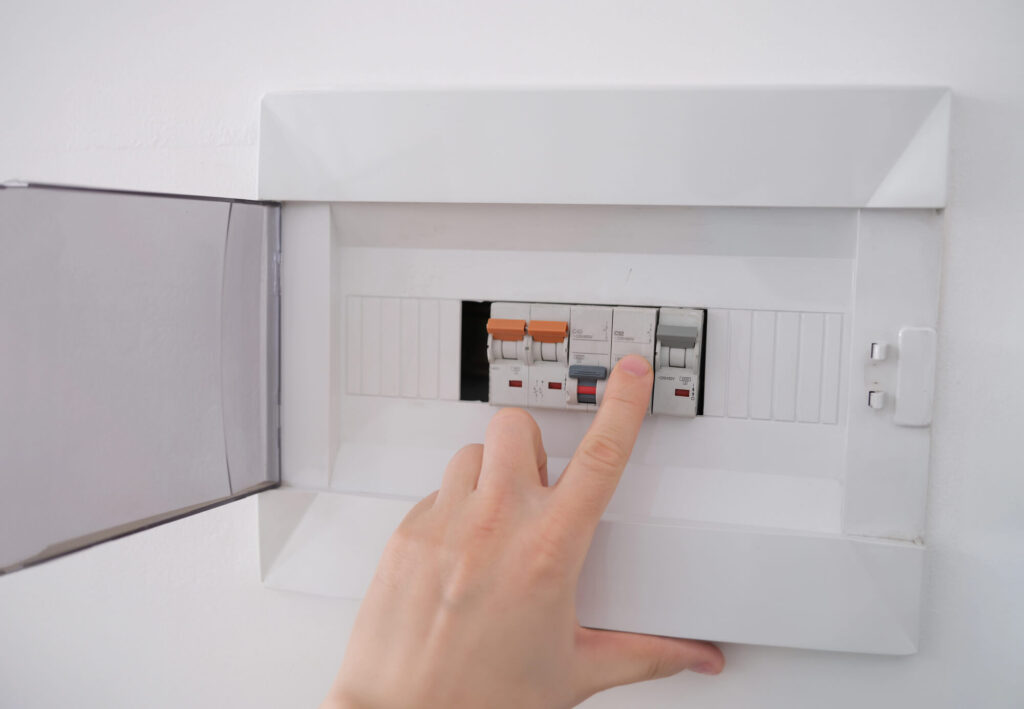
Circuit breakers handle current, and current produces heat — so a slight warmth at the panel is normal. But a breaker that feels noticeably hot to the touch, or a panel that’s warm across multiple breakers, is a warning sign that deserves immediate attention. Here’s how to distinguish normal panel warmth from a genuine problem, and what to do about it.
Contents
⚡ Key Takeaways
- Circuit breakers carry current whenever the circuit is in use.
- When a breaker is genuinely hot rather than just warm, there are several potential causes, ranging from simple overloads to serious wiring faults.
- Signs of a Failing Breaker Beyond heat, signs of a failing breaker include: trips that occur without apparent overload; trips that don’t reset, or reset and trip again immediately; breakers that feel loose or spongy when toggled; and visible physical damage, corrosion, or burn marks on the breaker body.
Why Breakers Get Warm: What’s Normal
Circuit breakers carry current whenever the circuit is in use. Electrical resistance in the breaker’s internal components converts a small amount of that electrical energy to heat — this is completely normal. A panel that feels slightly warm on the outside, or individual breakers that are barely warm to the touch, is operating normally, especially on circuits carrying heavy loads like HVAC, dryers, or water heaters.
The Normal vs. Concerning Threshold
A breaker that feels slightly warm — perhaps 10–15°F above ambient room temperature — is generally normal for a loaded circuit. A breaker that feels hot enough to be uncomfortable to touch (more than 30–40°F above ambient), or one that is significantly hotter than adjacent breakers carrying similar loads, indicates a problem. If you can smell plastic or see any discoloration around the breaker, treat it as an emergency.
Common Causes of an Overheating Breaker
When a breaker is genuinely hot rather than just warm, there are several potential causes, ranging from simple overloads to serious wiring faults.
Overloaded Circuit
The most common cause of a hot breaker is a consistently overloaded circuit — one carrying more current than it’s designed for, but not quite enough to trip the breaker reliably. A 15-amp breaker running at 14 amps continuously will stay on but run hotter than designed. This situation stresses the breaker over time and can lead to premature failure, nuisance tripping, and degraded protection. The solution is redistributing loads across multiple circuits or adding a new circuit for high-demand equipment.
Loose Wire Connection at the Breaker
A loose wire at the breaker terminal creates resistance at the connection point, which generates significant heat at that spot. This is one of the more dangerous causes of hot breakers — loose connections can arc, ignite surrounding materials, and cause fires. A licensed electrician can re-torque breaker connections to manufacturer specifications. This is not a DIY repair — panel work involves live conductors even with individual breakers off.
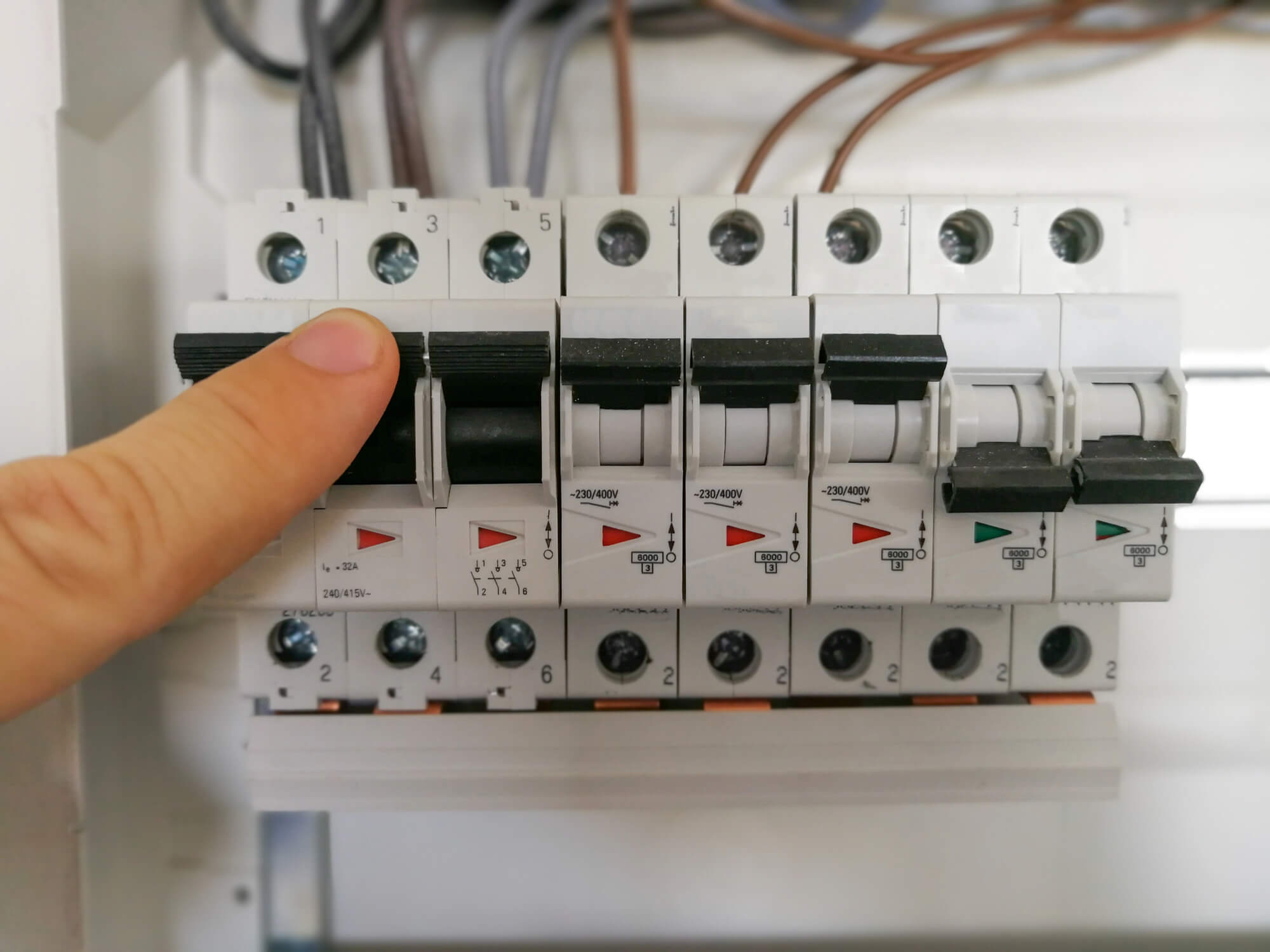 electrical panel – hot breaker is a warning sign” />
A hot breaker is a fire risk that needs immediate attention. Our panel specialists and emergency team can make it safe.
Failing or Defective Breaker
Breakers have a finite lifespan. An older breaker that has tripped repeatedly over the years, or one that was manufactured with a defect, may run hotter than it should even at normal loads. Some breaker brands manufactured in the 1980s and 1990s have documented reliability problems. If your panel contains Federal Pacific Stab-Lok breakers or Zinsco breakers, a complete panel evaluation is strongly recommended — these brands have well-documented failure rates.
Signs of a Failing Breaker
Beyond heat, signs of a failing breaker include: trips that occur without apparent overload; trips that don’t reset, or reset and trip again immediately; breakers that feel loose or spongy when toggled; and visible physical damage, corrosion, or burn marks on the breaker body.
Whole-Panel Overheating
If the entire panel feels hot rather than one or two individual breakers, the issue may be with the main service entrance, the main breaker, or the panel’s overall load. This is more serious and requires professional evaluation. A hot panel can indicate problems with the utility connection — the U.S. Consumer Product Safety Commission (CPSC) identifies overheating electrical panels as a significant residential fire risk or main conductors entering the panel.
When to Act Immediately
Call an emergency electrician right away — or cut power at the main breaker and call — if: a breaker is too hot to keep your hand on; you smell burning plastic or see scorch marks in or around the panel; the panel makes crackling or buzzing sounds; or you see any sparking inside the panel cabinet. These are signs of active arcing or failure that can cause a panel fire.
Thermal Imaging and Predictive Maintenance for Electrical Systems
Professional electricians increasingly use thermal imaging to detect problems like overheating breakers before they become dangerous. Infrared cameras reveal temperature differences invisible to the naked eye, showing hot spots at connections, breakers, and outlets that indicate excessive resistance and impending failure. A breaker running 20 to 30 degrees Fahrenheit hotter than normal indicates deteriorating contacts or internal resistance that precedes failure or arc faults. Regular thermal inspections—especially in older homes or after electrical upgrades—catch developing problems during maintenance visits rather than during emergencies.
If you notice a hot breaker during an inspection, request an immediate thermal imaging assessment before continuing to use that circuit. Don’t dismiss the heat as “normal” even if the breaker hasn’t tripped—thermal signatures are early warning signs. Modern electrical maintenance includes condition-based monitoring rather than just reactive repairs. Some advanced systems include temperature sensors built into breakers that trigger alerts when overheating begins, allowing you to schedule repair before failure. This predictive maintenance approach reduces fire risk and prevents the property damage and personal injury associated with electrical failures. Licensed electricians can recommend thermal inspections as part of your routine electrical maintenance, especially if your home is 20+ years old or has experienced heavy electrical loads.
Frequently Asked Questions
Is it normal for a breaker to feel warm?
Slight warmth is normal, particularly for breakers carrying heavy loads like HVAC or electric dryers. A breaker that feels genuinely hot — uncomfortable to hold your hand against — or one that’s significantly hotter than neighboring breakers, is not normal and should be evaluated by an electrician.
Can a hot breaker cause a fire?
Yes. A breaker that runs persistently hot due to a loose connection can cause arcing at the connection point, which can ignite the panel’s internal insulation and surrounding materials. This is one of the mechanisms behind electrical panel fires. Hot breakers should never be ignored.
Should I turn off the breaker if it’s hot?
If a breaker is hot but not an emergency (no burning smell, no sparking, no discoloration), you can reduce load on that circuit while you arrange for an electrician. If the breaker is extremely hot, there is a burning smell, or any other emergency sign, shut off the main breaker and call for emergency service immediately.
How much does it cost to replace a circuit breaker?
Replacing a single circuit breaker typically costs $150–$300 including parts and labor. If the panel requires a complete breaker replacement or has compatibility issues requiring special-order breakers, costs may be higher. If the panel itself is outdated or defective, a full panel replacement may be recommended.
How often should electrical panels be inspected?
Panels should be inspected by a licensed electrician every 3–5 years, or more frequently if the panel is more than 25 years old, if you’ve added significant new electrical loads, or if you notice any warning signs like hot breakers, tripping, or burning smells.