
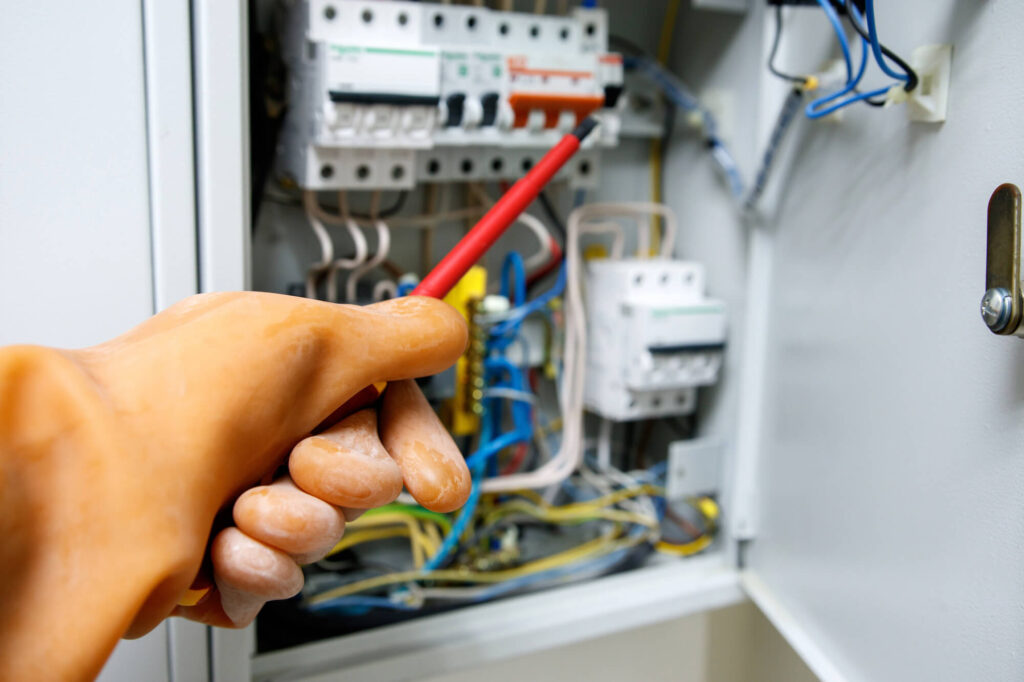
Buying a home is the largest financial decision most people ever make. Yet the electrical system — one of the most expensive systems to repair or upgrade — often receives less scrutiny than the kitchen countertops. A dedicated electrical inspection before you close on a property — one evaluated against National Electrical Code (NEC) standards — can identify problems that aren’t visible during a standard walkthrough, protect your investment, and give you negotiating leverage if significant issues are found.
⚡ Key Takeaways
- A general home inspection covers dozens of systems and components in a few hours.
- A licensed electrician performing a pre-purchase inspection goes well beyond the general home inspector’s cursory review.
- Certain electrical problems come up repeatedly in older homes that are being sold.
Why a Standard Home Inspection Isn’t Enough
A general home inspection covers dozens of systems and components in a few hours. Electrical gets a relatively brief review: the inspector checks the panel for obvious defects, tests a sample of outlets for power and correct wiring, and notes any visible code violations. What they typically don’t do is evaluate wiring type, assess whether the panel is adequate for the home’s needs, check for arc fault protection, or inspect wiring in attics, crawlspaces, and wall cavities.
What Home Inspectors Often Miss
Standard home inspections routinely miss aluminum branch circuit wiring (a recognized fire hazard requiring mitigation), outdated panel brands with documented failure rates (Federal Pacific Stab-Lok, Zinsco, and some Pushmatic panels), knob-and-tube wiring hidden in insulated attic spaces, double-tapped breakers and other panel deficiencies, inadequate service amperage for modern use, and absence of GFCI and AFCI protection where now required. Any of these can represent thousands of dollars in required remediation — or conditions that affect your ability to get homeowner’s insurance.
What a Pre-Purchase Electrical Inspection Covers
A licensed electrician performing a pre-purchase inspection goes well beyond the general home inspector’s cursory review.
Panel and Service Assessment
The electrician opens the panel, examines the wiring, checks for double-tapping, identifies the panel brand and any known issues with it, assesses the amperage of the service, and evaluates whether the capacity is appropriate for the home’s size and systems. They also look at the service entrance conductors, weatherhead, and meter socket for signs of damage or deterioration.
Wiring Type Identification
Identifying the wiring type throughout the home is critical. Aluminum branch circuit wiring, knob-and-tube wiring, and cloth-sheathed wiring each have specific risks and remediation approaches. The electrician identifies what types are present in accessible areas and flags where non-visible wiring (inside walls, under floors) may be of concern.
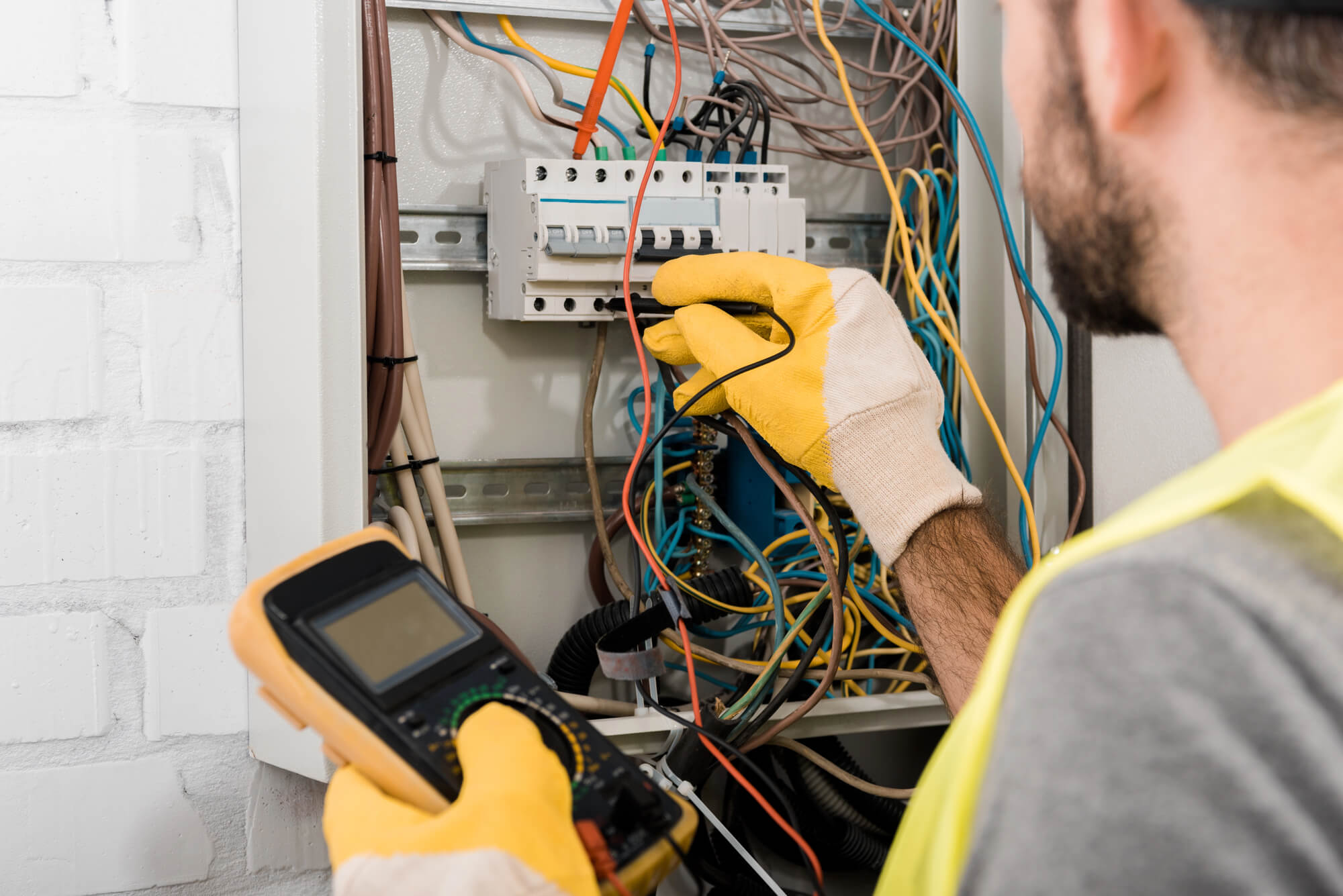
Don’t close on a home without knowing the state of the electrical system. Our inspectors provide detailed pre-purchase reports that can save you thousands in surprises.
Common Issues Found in Pre-Purchase Electrical Inspections
Certain electrical problems come up repeatedly in older homes that are being sold.
Undersized Electrical Service
Homes built before the 1970s often have 60-amp or 100-amp service, which was adequate then but may be insufficient now — particularly if you plan to add an EV charger, electric vehicle supply equipment, a heat pump, or other modern high-draw appliances. Upgrading from 100A to 200A service typically costs $1,500–$4,000 depending on the work required.
Problematic Panel Brands
Federal Pacific Electric panels with Stab-Lok breakers and Zinsco (also sold as Sylvania) panels have well-documented failure rates — breakers that don’t trip under overload, creating fire risks. Many insurers refuse to provide coverage or charge significantly higher premiums for homes with these panels. If identified in a pre-purchase inspection, replacement is typically non-negotiable for insurers.
Ungrounded Outlets
Two-prong ungrounded outlets are common in older homes. They present shock and equipment protection risks and indicate that the home’s wiring predates modern grounding requirements. Updating to properly grounded three-prong outlets throughout a home can be a significant project depending on whether the existing wiring can be grounded or needs to be replaced.
Using Inspection Findings in Negotiations
Electrical inspection findings give you options in a purchase negotiation. You can ask the seller to make repairs before closing, negotiate a price reduction to cover the cost of necessary work, or in some cases walk away from a purchase where the electrical remediation scope is prohibitive. At minimum, you go into the purchase fully informed about what you’re buying and what it will cost to bring the system up to modern standards.
Using Inspection Results to Negotiate Price and Repairs
Once you have the electrical inspection report, use the findings strategically during negotiations. If the inspection reveals significant issues like an outdated service panel, aluminum wiring, or missing GFCI outlets, these defects become negotiating points. You can request that the seller fix the problems before closing, reduce the sale price to account for repair costs, or request an escrow hold to ensure repairs are completed by a licensed electrician after closing.
Calculate the cost of repairs based on quotes from licensed electricians. For example, if the panel needs replacement (typically $1,500 to $4,000), a service upgrade is required ($1,200 to $3,500), or aluminum wiring needs replacement in key areas ($2,000 to $5,000+), these are substantial costs that can significantly impact the property’s value. Present these quotes to the seller’s agent and use them to justify your negotiating position. Many home buyers successfully negotiate repairs or credits worth thousands of dollars based on electrical inspection findings.
Even if issues aren’t severe enough to renegotiate, the inspection results help you budget for improvements after purchase. You’ll know exactly what work is needed and can prioritize repairs based on safety risk. Critical safety issues should be addressed immediately, while cosmetic or efficiency upgrades can be spread over time as your budget allows. Having this roadmap helps you avoid surprises and plan your home improvement finances responsibly.
Frequently Asked Questions
When should I schedule a pre-purchase electrical inspection?
Schedule it during your inspection contingency period — the window after an accepted offer when you have the right to inspect the property and negotiate repairs or withdraw if needed. Coordinate with your real estate agent so the electrical inspection fits within this window.
How much does a pre-purchase electrical inspection cost?
A dedicated pre-purchase electrical inspection typically costs $150–$400 depending on home size and location. This is money well spent — a single issue identified (like the need for panel replacement) can justify the inspection cost many times over.
Can electrical problems found during inspection kill a home sale?
Major electrical issues can impact a sale — either causing the buyer to withdraw, requiring price renegotiation, or making financing difficult (some loan programs require certain electrical standards). Sellers sometimes elect to make repairs proactively to remove these obstacles.
Does the electrician need to be different from the one I’d hire for repairs?
No. It can actually be advantageous to have the inspection performed by the electrician you’d want to hire for any needed work — they’ll have full context on the system and can provide accurate repair estimates immediately after the inspection.
What should I do if the inspection reveals major electrical problems?
Get repair estimates from your inspector or another licensed electrician, and factor those costs into your purchase negotiation. Consult with your real estate agent about how to present the findings. Major electrical deficiencies — particularly problematic panels or extensive wiring replacement — are legitimate reasons to renegotiate price or request seller repairs.