
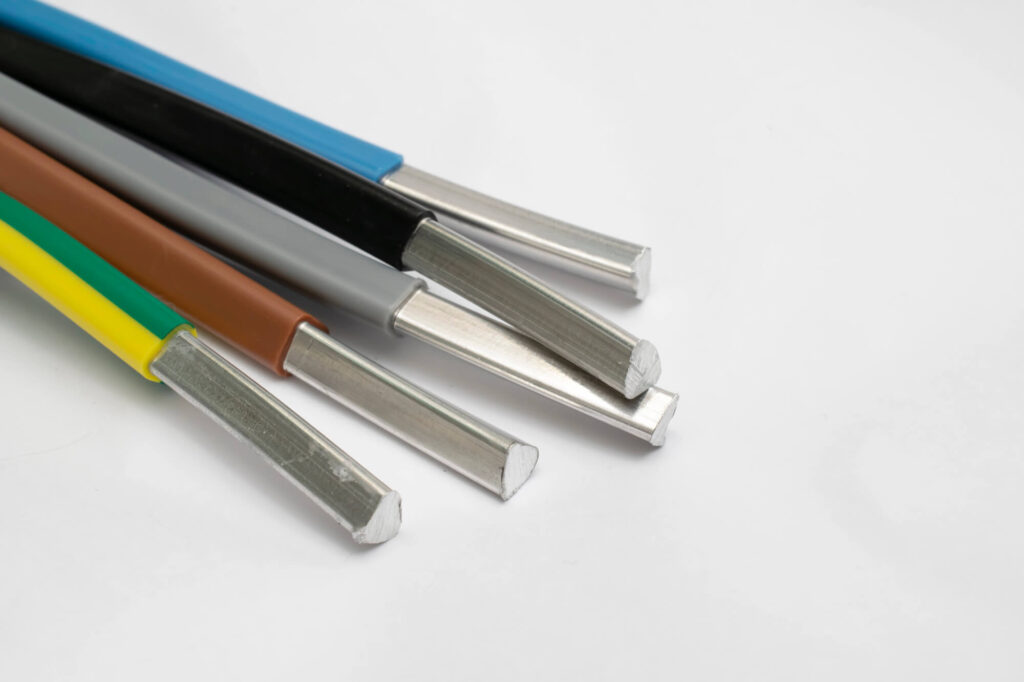
If your home was built between 1965 and 1973, there’s a reasonable chance it has aluminium branch circuit wiring. During this period, copper prices spiked and aluminium was used as a substitute for residential wiring. Aluminium wiring is not automatically dangerous — but it requires specific maintenance and connections to remain safe. This guide explains the risks and what to do about them.
⚡ Key Takeaways
- Aluminium branch circuit wiring was installed in many US homes built 1965–1973 due to high copper prices.
- Aluminium wiring expands and contracts more than copper, causing connections to loosen over time — a fire risk.
- Options include pigtailing with copper, replacing outlets and switches with CO/ALR-rated devices, or full rewiring.
Why Is Aluminium Wiring Potentially Dangerous?
Aluminium wiring itself conducts electricity adequately. The problems arise at connection points:
Thermal expansion/contraction: Aluminium expands and contracts more than copper with temperature changes. Over years of heating (when current flows) and cooling (when it doesn’t), connections at outlets, switches, and junction boxes gradually loosen. Loose connections create resistance, which generates heat.
Oxidation: Aluminium oxidises quickly when exposed to air. The oxide layer that forms at connection points increases electrical resistance. This further increases heat at connections.
Incompatible devices: Standard outlets and switches (marked “Cu” for copper) are designed for copper wiring. Using them with aluminium can accelerate connection loosening due to the dissimilar metals.
The US Consumer Product Safety Commission (CPSC) has identified homes with aluminium wiring as having a significantly higher rate of connection fires than copper-wired homes.
How to Identify Aluminium Wiring
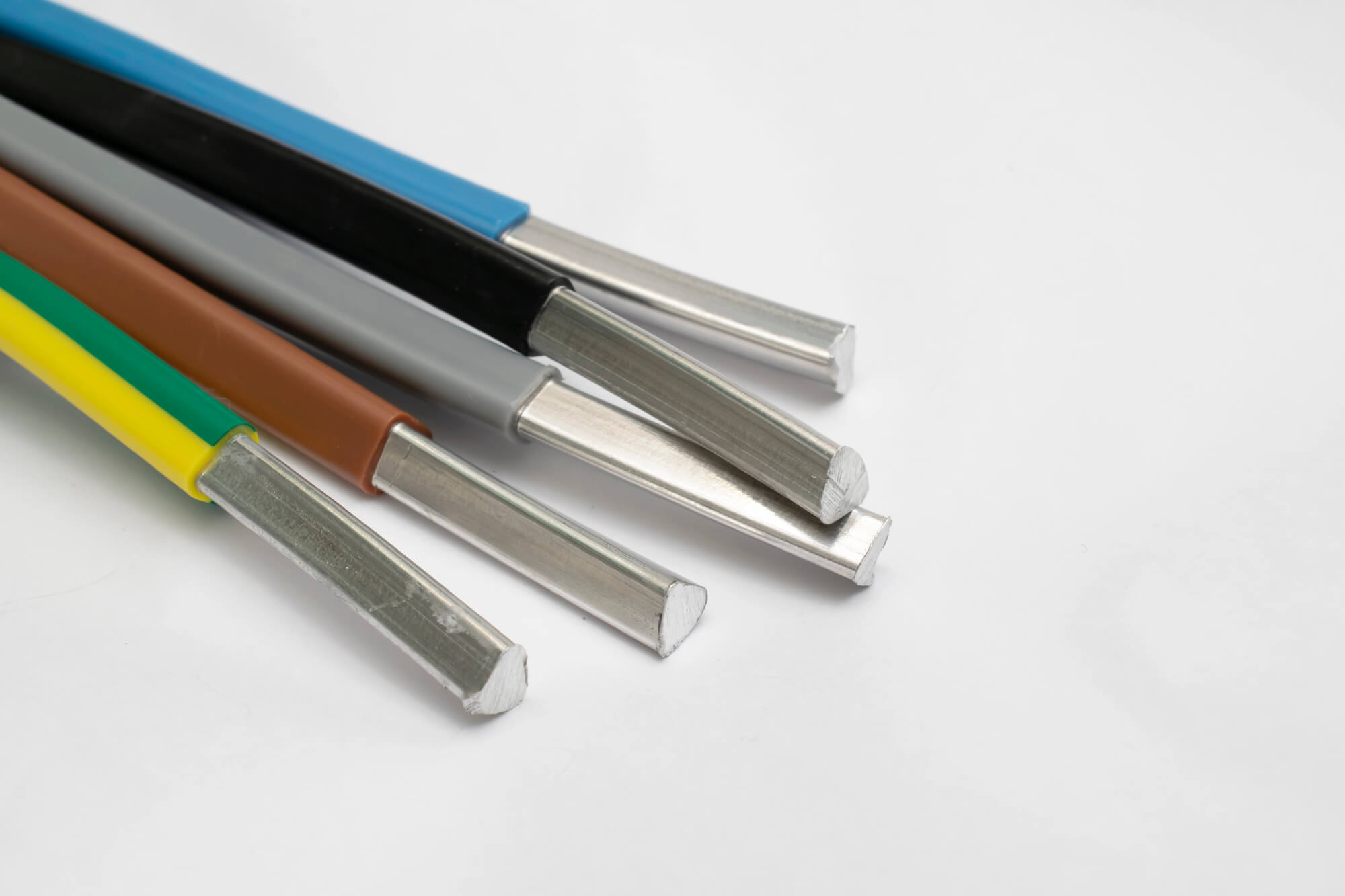
Check your electrical panel: aluminium wiring is silver-coloured rather than copper’s orange-red. Look at the wiring insulation — cables marked “AL” contain aluminium. Check your attic or basement where wiring may be visible. If your home was built 1965–1973, check for these signs; an electrician can confirm during an inspection.
What to Do About Aluminium Wiring
Option 1: Pigtailing (Most Common Fix)
Pigtailing involves connecting a short piece of copper wire to the aluminium wire using a specifically listed connector (COPALUM or AlumiConn), then connecting the copper pigtail to the outlet, switch, or fixture. Done at every connection point in the home, this is an approved remediation method by the CPSC.
Option 2: CO/ALR-Rated Devices
Replacing all outlets and switches with devices rated for aluminium wiring (marked CO/ALR) allows direct aluminium connections at these points. This is less comprehensive than pigtailing but acceptable if correctly implemented.
Option 3: Full Rewiring
Replacing all aluminium branch circuit wiring with copper eliminates the issue entirely. This is the most expensive option but provides the longest-term solution. The cost of a full rewire is discussed in our guide on how long it takes to rewire a house.
Suspect aluminium wiring in your home? Our qualified electricians can inspect and advise on remediation options.
The History of Aluminum Wiring in US Homes
Aluminum wiring was used extensively in residential construction from approximately 1965 to 1973. During this period, copper prices spiked significantly and aluminum was adopted as a lower-cost alternative for branch circuit wiring. An estimated 2 million homes in the US were built or rewired with aluminum branch circuit wiring during this era. After the fire hazards became apparent, its use in branch circuits was discontinued, though aluminum is still used for large-gauge feeder wires and service entrance cables.
Why Aluminum Wiring Is More Hazardous Than Copper
- Oxidation: Aluminum forms an insulating oxide layer when exposed to air. At connection points, this oxide increases resistance, generating heat. Copper’s oxide conducts electricity; aluminum’s does not.
- Thermal expansion: Aluminum expands and contracts significantly with temperature changes. Over years of heating and cooling cycles, connections loosen, creating arc fault and fire risk.
- Creep: Under sustained pressure, aluminum slowly deforms and creeps away from the connection point, loosening the joint over time.
- Galvanic corrosion: When aluminum contacts copper or brass (as in most outlets and switches), galvanic corrosion accelerates the degradation of the connection.
Remediation Options and Costs
- Full rewiring with copper ($3,000–$12,000): The most complete solution. All aluminum branch circuit wiring is replaced with copper. Invasive but eliminates the problem permanently.
- CO/ALR device replacement ($800–$2,500): All outlets and switches are replaced with CO/ALR rated components, specifically designed to handle aluminum’s expansion characteristics. Connections are made using anti-oxidant compound. This is the CPSC-recommended repair if rewiring isn’t performed.
- COPALUM crimp connectors ($1,500–$5,000): Each connection throughout the house is pigtailed with a copper wire using a special crimping tool and aluminum-compatible connector. Endorsed by the CPSC as an effective permanent repair.
Aluminum Wiring Identification and Locations
Aluminum wiring used as house wiring (not to be confused with aluminum service entrance cables, which are fine) was primarily installed in the 1960s and 1970s when copper became expensive. You can identify it by looking at the wire insulation—aluminum wires beneath the plastic jacket appear silver or gray, whereas copper is distinctly reddish-orange. Check inside the breaker panel by looking at the wire coming out of each breaker, inside light switches and outlets (turn off power first), and in junction boxes and fixtures. If you find aluminum wiring, note which circuits use it because those are your priority for remediation. Not all circuits with aluminum are equally dangerous; circuits carrying higher amperage (like 20 amps and above) pose greater risk than 15-amp circuits. A professional electrician can document which areas have aluminum and develop a prioritized replacement schedule focusing on high-risk circuits first.
Remediation Options and Long-Term Safety
The safest solution is complete replacement of aluminum wiring with copper, but this is expensive—costs range from $5,000–$30,000+ depending on how much wiring needs replacement. If you’re planning a major renovation or have funds available, this is the ideal approach. For immediate risk reduction without full replacement, electrical contractors can install pigtail connections at outlets and switches. This involves connecting short segments of copper wire to the aluminum circuit at the outlet, effectively isolating the problematic aluminum connections. Pigtailing costs $50–$150 per outlet/switch and significantly reduces fire risk. Another option is monitoring—hire an electrician to annually inspect aluminum connections for signs of corrosion, overheating, or arcing. If you’re buying a home with aluminum wiring, factor in remediation costs during your purchase decision. Many insurance companies now offer discounted rates or better coverage once aluminum wiring is professionally remediated, helping offset the investment.
Frequently Asked Questions
Is my home safe if it has aluminium wiring?
Aluminium wiring is not automatically unsafe — millions of homes have it and have had no incidents. The risk is elevated at connection points. If the wiring has been properly maintained, connections are tight, and devices are CO/ALR rated or have been pigtailed, the risk can be significantly reduced. An electrical inspection will identify any problem connections.
Does having aluminium wiring affect home insurance?
Yes — some insurance companies charge higher premiums for homes with aluminium wiring, or require evidence of remediation before offering coverage. Disclose aluminium wiring to your insurer. After completing pigtailing or CO/ALR device installation with documentation from a licensed electrician, many insurers will reassess.
Can I sell a house with aluminium wiring?
Yes, but you must disclose it. Buyers may request remediation as a condition of sale, or you may need to reduce the price to account for the remediation cost. Getting the work done before listing is often the most commercially sensible approach.