
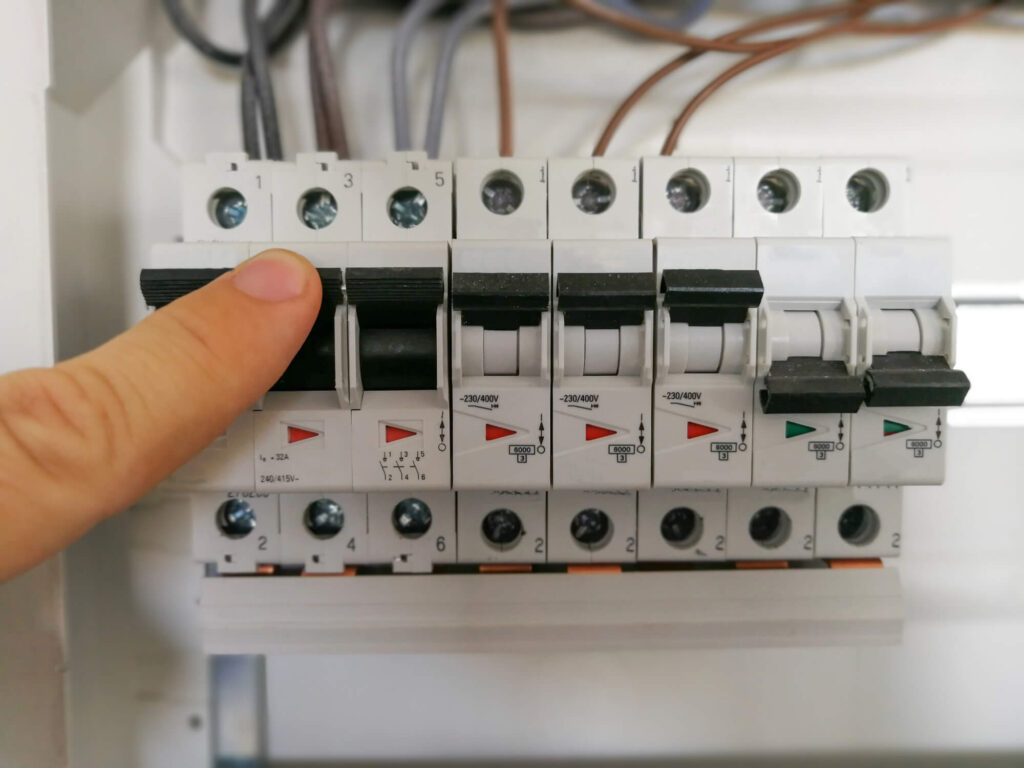
A breaker panel making noise is not something to ignore. Your electrical panel should operate silently under normal conditions. Any buzzing, humming, crackling, clicking, or popping coming from the breaker panel is a sign that something is wrong — ranging from a minor issue to a serious fire hazard. This guide explains what different breaker panel noises mean, their common causes, and what to do about them.
Contents
⚡ Key Takeaways
- Your breaker panel controls the flow of electricity throughout your entire home.
- Treat the situation as urgent if you notice:
- Contact a licensed electrician immediately if:
What It Means When a Breaker Panel Makes Noise
Your breaker panel controls the flow of electricity throughout your entire home. It contains circuit breakers that automatically trip to stop the flow of electricity when a circuit is overloaded or experiences a fault. Under normal conditions, the panel operates silently.
When a breaker panel is making noise, it usually indicates one of the following:
- A circuit breaker is under stress from an overloaded circuit
- A breaker is failing or worn out
- There is loose wiring inside the panel creating arcing
- The panel itself has a defect or is reaching the end of its service life
Some sounds — like a quiet hum from transformers — can be normal. But buzzing, crackling, clicking without a tripped breaker, or any popping are not normal and need to be investigated.
Common Causes of Breaker Panel Noise
1. Overloaded Circuit
When a circuit is drawing more current than it is rated for, the breaker gets hot and begins to struggle. This can cause a buzzing or humming sound from that specific breaker. If the overload continues, the breaker should trip — if it does not, the breaker may be faulty.
2. Failing or Worn Circuit Breaker
Like any mechanical component, circuit breakers wear out over time. An aging breaker may buzz, hum, or fail to trip properly under overload conditions. Breakers typically last 25 to 40 years, though those that have tripped frequently may wear out sooner.
3. Loose Wiring Inside the Panel
Loose connections at breaker terminals or on the main bus bars can cause electrical arcing — producing crackling or popping sounds. Arcing inside an electrical panel is a serious fire hazard and requires immediate professional attention.
4. Ground Fault or Short Circuit
A ground fault or short circuit somewhere in the home’s wiring can cause repeated clicking or buzzing at the panel as the breaker attempts to handle abnormal current flow.
5. Defective or Recalled Panel
Certain panel brands — including Federal Pacific Electric (Stab-Lok) and Zinsco panels — are known to be defective and may make unusual noises due to internal arcing or breakers that do not operate correctly. These panels should be replaced.
6. Normal Transformer Hum
A very low, steady hum from the panel can sometimes be caused by the utility transformer or by normal electromagnetic activity in the panel. This type of hum is consistent, quiet, and not accompanied by other symptoms.
Warning Signs the Problem Is Serious
Treat the situation as urgent if you notice:
- Crackling, popping, or sizzling sounds from the panel
- Burning smell near the electrical panel
- Visible scorch marks or discoloration on breakers or inside the panel
- The panel is warm or hot to the touch
- Breakers that repeatedly trip or fail to trip when they should
- Lights flickering throughout the home
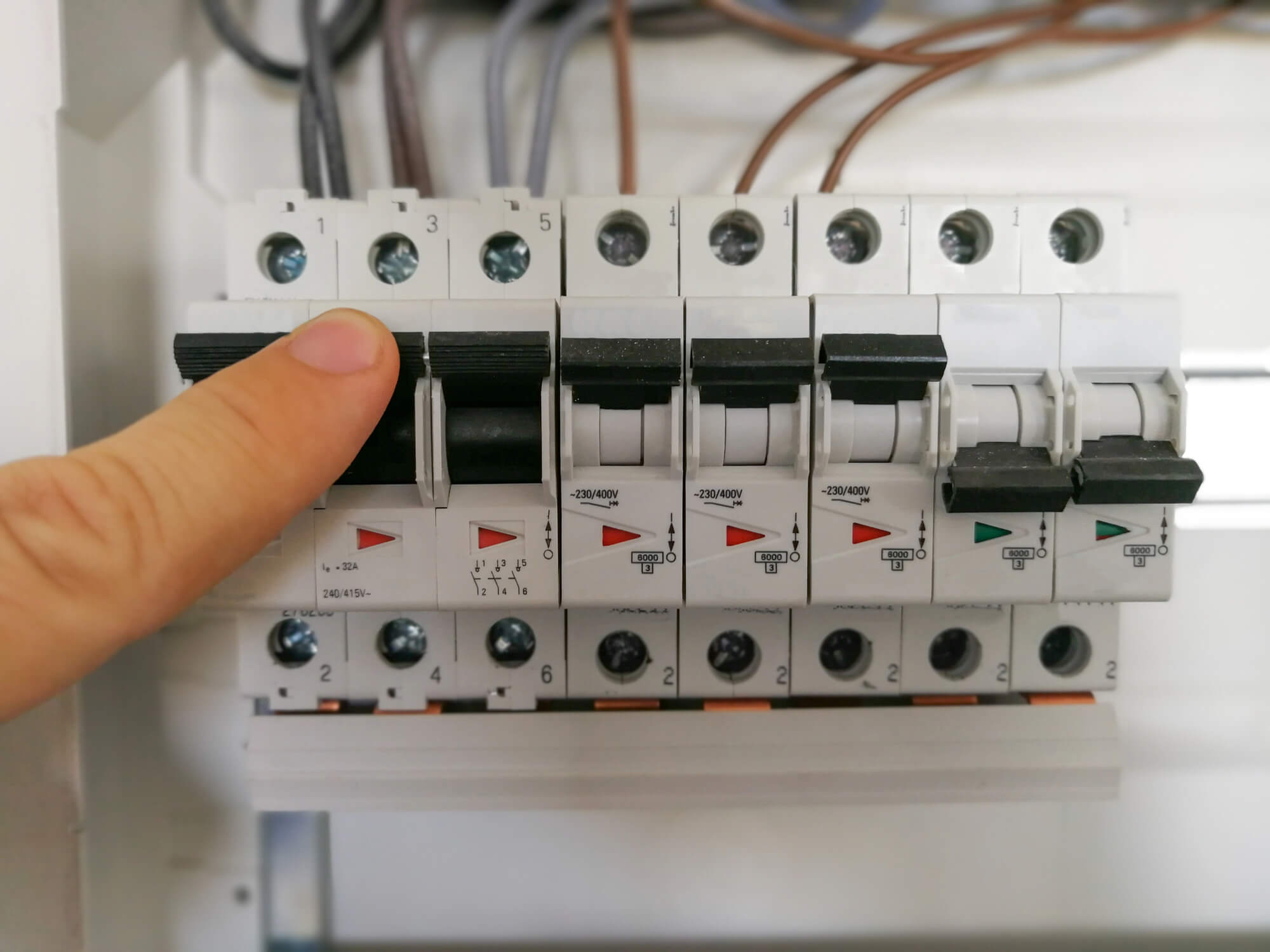
How to Troubleshoot Breaker Panel Noise
1. Identify the Type of Sound
Listen carefully to determine what kind of noise the panel is making. A steady low hum may be normal. Buzzing from a specific breaker suggests an overloaded circuit. Crackling or popping anywhere in the panel is a serious warning sign.
2. Check for Tripped Breakers
A buzzing sound often comes from a breaker that is about to trip or has partially tripped. Check the panel for any breakers in a middle position between on and off. Reset them by switching fully off then back on.
3. Reduce Load on Suspect Circuit
If buzzing is coming from a specific breaker, unplug devices on that circuit. If the noise stops, the circuit was overloaded and you should redistribute electrical load to other circuits.
4. Do Not Open the Panel Yourself
Unless you are a qualified electrician, never remove the panel cover. The interior of an electrical panel contains live conductors at dangerous voltage levels even when individual breakers are off.
5. Call a Licensed Electrician Immediately for Crackling or Burning Smells
Crackling, popping, or any burning smell from the panel is an emergency situation. Turn off the main breaker if you can do so safely, and call a licensed electrician immediately.
6. Consider Panel Age and Brand
If your panel is more than 30 to 40 years old, or if it is a known defective brand such as Federal Pacific or Zinsco, noises are a strong indicator that the panel should be replaced entirely.
Unusual noises from your panel should never be ignored. Our panel specialists and repair team can diagnose it fast.
When to Call an Electrician
Contact a licensed electrician immediately if:
- The panel makes crackling, popping, or sizzling sounds
- You smell burning near the electrical panel
- Breakers are discolored, warm, or frequently tripping
- Your panel is more than 30 years old
- You have a Federal Pacific, Zinsco, or other recalled panel brand
Electrical panel problems should never be ignored or postponed. A failing panel is one of the leading causes of residential electrical fires — a hazard the U.S. Consumer Product Safety Commission (CPSC) links to overheated panels and faulty breakers.
Electrical Repair Cost Estimates
Repair or replacement costs depend on the severity of the issue:
- Single circuit breaker replacement: $150 – $300
- Electrical panel inspection: $100 – $250
- Panel rewiring and connection tightening: $300 – $800
- Full panel replacement (100 amp): $1,200 – $2,500
- Full panel upgrade (200 amp): $2,000 – $4,000
Replacing a breaker or tightening connections is far less costly than dealing with the aftermath of an electrical fire or a complete panel failure.
How to Prevent Breaker Panel Noise Issues
- Schedule a professional electrical inspection every 5 to 10 years
- Avoid overloading circuits — spread high-draw appliances across multiple circuits
- Replace your panel if it is more than 30 to 40 years old or is a known defective brand
- Have any buzzing, crackling, or burning smells investigated immediately
- Upgrade to a 200-amp panel if your current panel is undersized for your home’s needs
Frequently Asked Questions
Is it normal for a breaker panel to hum?
A very quiet, steady hum can be normal due to electromagnetic activity in the panel. However, loud buzzing, crackling, clicking without a tripped breaker, or any popping sound is not normal and should be investigated by a licensed electrician.
What does a buzzing breaker mean?
Buzzing from a specific breaker usually indicates that the circuit is overloaded or that the breaker is failing. Reduce the load on that circuit and call an electrician if the buzzing continues.
Can a noisy breaker panel cause a fire?
Yes. Crackling or popping sounds from an electrical panel often indicate arcing, which generates intense heat and can ignite surrounding materials. This is one of the leading causes of residential electrical fires.
How long does an electrical panel last?
Most electrical panels last between 25 and 40 years with proper maintenance. Panels from certain manufacturers have known defects and may need to be replaced sooner regardless of age. Regular inspections help identify issues early.