
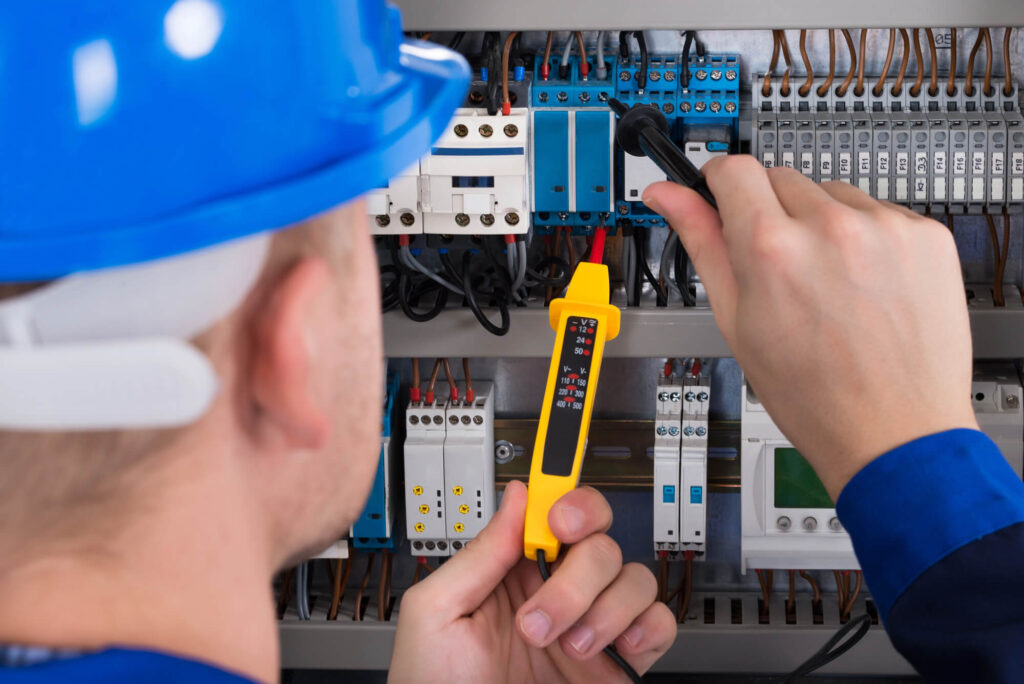
A dedicated circuit powers a single appliance or location exclusively — no shared outlets, no other loads. Major appliances, home offices, and high-draw equipment all benefit from (or require) their own dedicated circuit. Here’s what you can expect to pay.
Contents
⚡ Key Takeaways
- Dedicated circuit installation typically costs $200–$500 for a standard 20A circuit
- 240V circuits for appliances like dryers and EV chargers cost $300–$800+ due to heavier wiring
- Distance from the panel and wall accessibility are the biggest cost variables
- The National Electrical Code (NEC) requires dedicated circuits for refrigerators, dishwashers, microwaves, and other large appliances
- A licensed electrician must pull permits for new circuit work in most jurisdictions
Average Cost to Install a Dedicated Circuit
The cost to add a dedicated circuit varies based on amperage, voltage, and complexity. Typical ranges:
- 15A dedicated circuit: $150–$350
- 20A dedicated circuit: $200–$500
- 30A 240V circuit (dryer, water heater): $300–$600
- 50A 240V circuit (range, EV charger, subpanel feed): $400–$900+

What Affects the Cost?
Distance from the Electrical Panel
The further the new circuit must run, the more wire is needed and the more labor is involved. A circuit installed in the basement directly below the panel costs much less than one running to a detached garage or the far end of a second floor.
Type of Wiring Required
Standard 120V/20A circuits use 12-gauge wire. Higher-amperage circuits require larger, heavier, and more expensive wire. A 50A circuit requires 6-gauge wire, which costs significantly more per foot and is more labor-intensive to run.
Panel Capacity
If your panel has open breaker slots, adding a circuit is straightforward. If the panel is full, your electrician may need to install a tandem breaker or recommend a panel upgrade, adding $500–$2,000+ to the project.
Wall and Ceiling Access
Running wire through finished walls requires fishing wire through insulation and drywall — adding labor time. Unfinished basements and garages allow direct wire runs, keeping costs lower.
Appliances That Require Dedicated Circuits
The NEC requires dedicated circuits for several household appliances:
- Refrigerators
- Dishwashers
- Microwave ovens (built-in)
- Electric ranges and ovens
- Clothes dryers
- Washing machines
- Air conditioners (window and central)
- Electric water heaters
- Garbage disposals
- EV chargers (Level 2)
- Hot tubs and spas
Do You Need a Permit for a Dedicated Circuit?
In most jurisdictions, yes. Adding a new circuit to an electrical panel is a permitted electrical project. A licensed electrician will typically handle permit acquisition as part of the project. Unpermitted electrical work can create issues when selling your home and may void homeowner’s insurance in the event of an electrical fire.
Frequently Asked Questions
How much does it cost to add a dedicated circuit?
A standard 20A dedicated circuit typically costs $200–$500 installed by a licensed electrician. 240V circuits for appliances like dryers or EV chargers range from $300–$900+ depending on distance and panel access.
How long does it take to install a dedicated circuit?
A straightforward circuit installation in an accessible location takes 2–4 hours. Complex installations requiring wire fishing through finished walls can take a full day or more.
Do I need a permit to add a dedicated circuit?
Yes, in most jurisdictions a permit is required for new circuit installations. A licensed electrician will typically obtain the permit as part of the project. Always use a licensed electrician for permitted electrical work.
What if my electrical panel is full?
If there are no open breaker slots, your electrician can install a tandem (double-pole) breaker to free up space, or recommend a panel upgrade. The cost of this additional work varies but typically adds $300–$2,000 to the project.
Can I add a dedicated circuit myself?
Adding a new circuit involves working in your electrical panel, which carries serious shock hazards. This work requires permits in most areas and must be inspected. We strongly recommend hiring a licensed electrician for any panel work or new circuit installation.