
A dedicated circuit powers a single appliance or location exclusively — no shared outlets, no other loads. Major appliances, home offices, and high-draw equipment all benefit from (or require) their own dedicated circuit. Here’s what you can expect to pay.
⚡ Key Takeaways
- Dedicated circuit installation typically costs $200–$500 for a standard 20A circuit
- 240V circuits for appliances like dryers and EV chargers cost $300–$800+ due to heavier wiring
- Distance from the panel and wall accessibility are the biggest cost variables
- The National Electrical Code (NEC) requires dedicated circuits for refrigerators, dishwashers, microwaves, and other large appliances
- A licensed electrician must pull permits for new circuit work in most jurisdictions
Average Cost to Install a Dedicated Circuit
The cost to add a dedicated circuit varies based on amperage, voltage, and complexity. Typical ranges:
- 15A dedicated circuit: $150–$350
- 20A dedicated circuit: $200–$500
- 30A 240V circuit (dryer, water heater): $300–$600
- 50A 240V circuit (range, EV charger, subpanel feed): $400–$900+
What Affects the Cost?
Distance from the Electrical Panel
The further the new circuit must run, the more wire is needed and the more labor is involved. A circuit installed in the basement directly below the panel costs much less than one running to a detached garage or the far end of a second floor.
Type of Wiring Required
Standard 120V/20A circuits use 12-gauge wire. Higher-amperage circuits require larger, heavier, and more expensive wire. A 50A circuit requires 6-gauge wire, which costs significantly more per foot and is more labor-intensive to run.
Panel Capacity
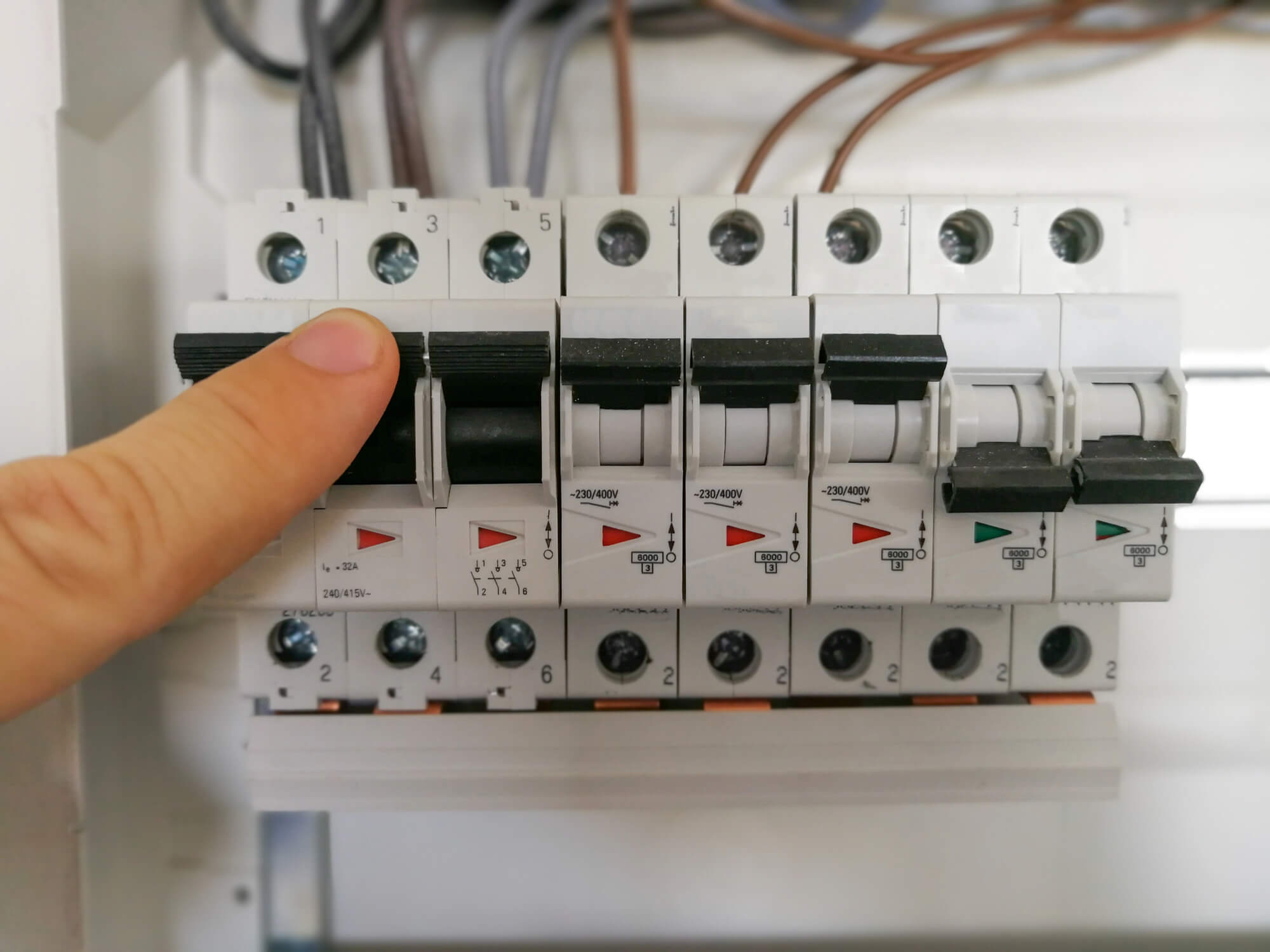
If your panel has open breaker slots, adding a circuit is straightforward. If the panel is full, your electrician may need to install a tandem breaker or recommend a panel upgrade, adding $500–$2,000+ to the project.
Wall and Ceiling Access
Running wire through finished walls requires fishing wire through insulation and drywall — adding labor time. Unfinished basements and garages allow direct wire runs, keeping costs lower.
Appliances That Require Dedicated Circuits
The NEC requires dedicated circuits for several household appliances:
- Refrigerators
- Dishwashers
- Microwave ovens (built-in)
- Electric ranges and ovens
- Clothes dryers
- Washing machines
- Air conditioners (window and central)
- Electric water heaters
- Garbage disposals
- EV chargers (Level 2)
- Hot tubs and spas
Do You Need a Permit for a Dedicated Circuit?
In most jurisdictions, yes. Adding a new circuit to an electrical panel is a permitted electrical project. A licensed electrician will typically handle permit acquisition as part of the project. Unpermitted electrical work can create issues when selling your home and may void homeowner’s insurance in the event of an electrical fire.
Amperage and Breaker Sizing: Matching Your Electrical Needs
A dedicated circuit’s amperage rating must match both the appliance being powered and the wire gauge used. The fundamental rule is that a circuit breaker must protect the wire, not the appliance; if your water heater draws 20 amps but you use 10 AWG wire (rated for 30 amps on a 15-amp breaker), the wire can overheat dangerously if the breaker is undersized. Conversely, oversizing the breaker doesn’t increase cost significantly but improves circuit reliability for future upgrades. Common dedicated circuit configurations include: 15-amp circuits at 14 AWG for light-duty appliances (bedroom circuits); 20-amp circuits at 12 AWG for kitchen, bathroom, and laundry loads; 30-amp circuits at 10 AWG for electric water heaters or small window AC units; 40–50-amp circuits at 6–8 AWG for large appliances like central AC, heat pumps, or EV chargers. A licensed electrician performs load calculations per NEC Article 220 to determine the correct amperage for your specific appliance, factoring in starting current (motors draw 3–5x their running current during startup) and ambient temperature. If you’re installing multiple dedicated circuits in a major renovation, bundle the work together—your electrician can run multiple circuits simultaneously, reducing per-circuit labor costs from $200–$300 down to $150–$200 per circuit through efficiency gains.
Testing, Labeling, and Documentation
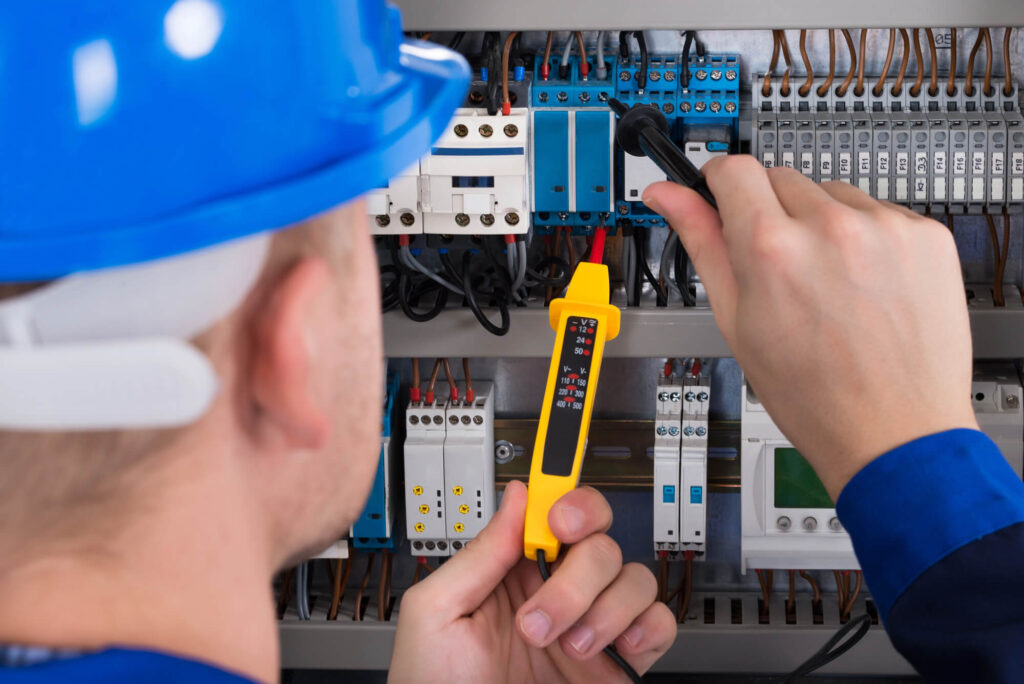
After a dedicated circuit is installed, the electrician must test it to verify proper polarity (hot and neutral correctly identified), adequate grounding, and correct breaker operation. Testing involves using a multimeter to verify voltage at the outlet/appliance, a continuity tester to verify ground connections, and a thermal imaging camera to check for overheating at connections—these tests are standard practice for licensed electricians but are often missed by untrained installers, creating hidden fire hazards. The breaker should be clearly labeled at the panel with the circuit’s purpose (e.g., “Water Heater – 40A” or “EV Charger – 50A”), wattage, and voltage; these labels help future electricians troubleshoot issues and prevent accidental overloads. Request documentation from your electrician including a photo of the labeled breaker panel, the wiring diagram, and test results; this documentation is valuable for insurance claims, home inspections, and future electrical work. Many homeowners neglect this step, but having clear circuit documentation prevents future electricians from guessing your home’s configuration and potentially creating dangerous mismatches.
Cost Variations: New Panel Circuits vs. Subpanels
The cheapest dedicated circuit option ($200–$400) is adding a breaker to an existing panel with available slots. If your main panel is full, you have two options: install a subpanel ($1,000–$2,000 labor + materials) to create additional circuit slots, or run circuits from a distant existing panel (if your home has multiple panels, common in older or remodeled homes). Subpanels are fed by a heavy-gauge feeder cable from the main panel and require their own breaker in the main panel, a disconnecting means, and proper bonding per NEC Article 250. Running circuits through walls, attics, and crawl spaces to distant panels often costs more than a nearby subpanel due to increased conduit and wire length. Some contractors incorrectly recommend upgrading the main service (100→150 or 200 amps) when a simple subpanel would suffice—this is a costly mistake that can add $5,000–$15,000 unnecessarily. Always get a load analysis and second opinion before accepting a service upgrade recommendation; many homes have adequate main service capacity for additional circuits even if the main breaker appears full. A qualified electrician will explain the differences between these options and recommend the most cost-effective solution for your situation.
Frequently Asked Questions
How much does it cost to add a dedicated circuit?
A standard 20A dedicated circuit typically costs $200–$500 installed by a licensed electrician. 240V circuits for appliances like dryers or EV chargers range from $300–$900+ depending on distance and panel access.
How long does it take to install a dedicated circuit?
A straightforward circuit installation in an accessible location takes 2–4 hours. Complex installations requiring wire fishing through finished walls can take a full day or more.
Do I need a permit to add a dedicated circuit?
Yes, in most jurisdictions a permit is required for new circuit installations. A licensed electrician will typically obtain the permit as part of the project. Always use a licensed electrician for permitted electrical work.
What if my electrical panel is full?
If there are no open breaker slots, your electrician can install a tandem (double-pole) breaker to free up space, or recommend a panel upgrade. The cost of this additional work varies but typically adds $300–$2,000 to the project.
Can I add a dedicated circuit myself?
Adding a new circuit involves working in your electrical panel, which carries serious shock hazards. This work requires permits in most areas and must be inspected. We strongly recommend hiring a licensed electrician for any panel work or new circuit installation.