
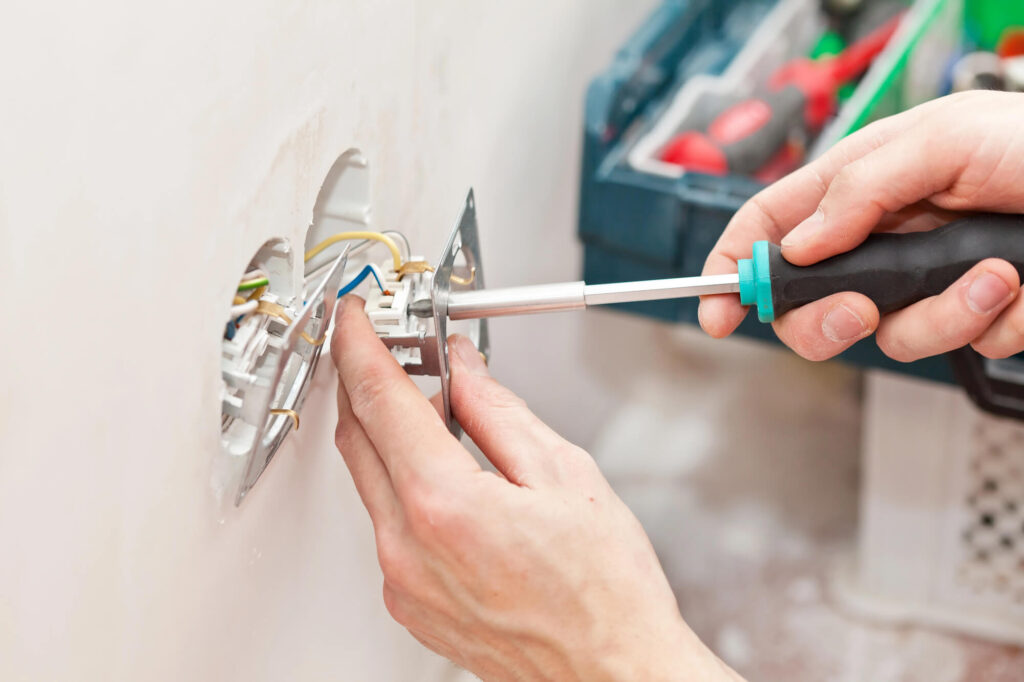
The cost to install electrical outlet — all new outlets must meet the National Electrical Code (NEC) requirements for grounding, GFCI protection, and placements can vary depending on the type of outlet, location, and complexity of the installation. Whether you need additional outlets for convenience or are upgrading for safety and modern appliances, understanding the costs involved can help you plan your project and avoid surprises.
In this guide, we break down the average cost to install electrical outlets, what affects pricing, and when it’s best to call a licensed electrician.
⚡ Key Takeaways
- The cost to install electrical outlets in 2026 typically ranges between $100 and $500 per outlet, depending on the complexity of the job.
- Several factors influence the final price of installing electrical outlets in your home.
- Different outlet types serve different purposes, and costs vary accordingly.
Cost to Install Electrical Outlets in 2026
The cost to install electrical outlets in 2026 typically ranges between $100 and $500 per outlet, depending on the complexity of the job.
- Standard outlet replacement: $100 – $200
- New outlet installation: $150 – $350
- GFCI outlet installation: $200 – $400
- AFCI outlet installation: $200 – $400
- USB outlet installation: $150 – $350
- Outdoor outlet installation: $200 – $500
Installing a brand-new outlet where none existed before is more expensive than replacing an existing one because it requires running new wiring.
Cost Breakdown
- Labor: $50 – $100 per hour
- Outlet unit cost: $5 – $50+
- Wiring and materials: $50 – $200
- Permit (if required): $50 – $200
What Affects the Cost to Install Electrical Outlets?
Several factors influence the final price of installing electrical outlets in your home.
- Type of outlet: Specialized outlets like GFCI or USB cost more than standard outlets.
- Location: Installing outlets in kitchens, bathrooms, or outdoors requires additional safety features.
- Distance from power source: Longer wiring runs increase labor and material costs.
- Wall type: Drywall is easier to work with than brick, plaster, or concrete.
- Accessibility: Finished walls require more work than open walls.
- Electrical panel capacity: Adding new circuits may increase costs.
Types of Electrical Outlets and Their Costs
Different outlet types serve different purposes, and costs vary accordingly.
- Standard duplex outlet: Basic household outlet for general use
- GFCI outlet: Required in kitchens, bathrooms, and outdoor areas for shock protection
- AFCI outlet: Protects against electrical fires caused by arc faults
- USB outlet: Includes built-in charging ports for devices
- Smart outlet: Allows remote control via apps or voice assistants
- 240V outlet: Used for large appliances like dryers and ovens
When You Need to Install New Outlets
Installing additional outlets can improve both safety and convenience in your home. Common reasons include:
- Not enough outlets in a room
- Overuse of extension cords or power strips
- Upgrading for modern appliances
- Renovating or remodeling a space
- Adding outdoor power access
Troubleshooting Before Installing New Outlets
Before installing new outlets, it’s worth checking if your current setup can be improved without major work.
- Check for overloaded circuits: Redistribute devices across existing outlets.
- Upgrade existing outlets: Replace worn or outdated outlets with safer options.
- Inspect breakers: Ensure circuits are functioning correctly.
- Evaluate power needs: Determine if a new circuit is required.
- Test outlets: Use a tester to confirm proper wiring and grounding.
If your home still lacks sufficient access to power, installing new outlets is the best long-term solution.
Adding outlets is one of the most common electrical upgrades. Our electricians can add new outlets anywhere in your home — at competitive, upfront prices.
Cost to Add a New Electrical Outlet
Adding a completely new outlet (rather than replacing an existing one) typically costs more due to additional labor.
- Near existing wiring: $150 – $300
- Running new wiring: $300 – $800
- Installing new circuit: $500 – $2,000+
If your electrical panel is already at capacity, installing a new circuit or upgrading the panel may be required.
DIY vs Professional Installation
While replacing a basic outlet may seem simple, electrical work carries risks. Improper installation can lead to shocks, fires, or code violations.
- DIY: Suitable only for simple replacements if you have experience
- Professional: Recommended for new installations, outdoor outlets, or panel work
Hiring a licensed electrician ensures the work is safe, compliant, and reliable.
Ways to Save Money
There are several ways to reduce the cost of installing electrical outlets:
- Install multiple outlets at once to reduce labor costs
- Combine with renovation or remodeling projects
- Choose standard outlets where appropriate
- Get multiple quotes from licensed electricians
- Plan outlet placement carefully to minimize wiring distance
Materials and Labor Cost Breakdown
The total cost to install an electrical outlet splits roughly 40% materials and 60% labor for a single outlet. Materials include the outlet receptacle itself ($0.50–$3 for a standard duplex outlet, $15–$40 for specialty outlets like USB or smart outlets), electrical wire (12 or 14 AWG, priced by the foot), a breaker if needed ($15–$40), and conduit or junction boxes if required ($5–$15). For a straightforward outlet on an existing circuit with easily accessible wiring, labor typically takes 30–45 minutes at $75–$150 per hour, totaling $40–$115 in labor alone. If the outlet requires running new wire through walls, drilling studs, or installing a new breaker, labor can jump to 2–4 hours, pushing total cost to $400–$800. Specialty outlets that integrate USB charging, smart home controls, or 240V capacity cost more in both materials and installation—expect $150–$500+ per outlet depending on the type and complexity of installation.
Cost Variations by Location and Building Type
Installation costs vary significantly based on whether the outlet is in a residential or commercial space and the building’s age and construction type. New construction outlet installation is cheapest because electricians wire the building during the rough-in phase before drywall installation—adding outlets during new build costs $100–$200 per outlet. Retrofitting outlets into an existing home with accessible wall cavities (one-story, open walls) costs $150–$300 per outlet. Older homes with plaster walls or limited cavity space may require drilling holes and patching, adding $50–$150 to the job. Commercial buildings have similar cost ranges but often require compliance with additional codes and may need permits that residential work doesn’t. If you’re adding multiple outlets in the same area (like 3–4 outlets in a kitchen upgrade), negotiate a bulk price—electricians often discount per-outlet rates for larger jobs, potentially reducing cost to $100–$200 per outlet instead of $150–$250.
Cost to Install Electrical Outlets by Room
Where you’re installing the outlet affects the final price. Some rooms require specific outlet types by code, and access to existing wiring varies by room.
| Room | Typical Cost | Notes |
|---|---|---|
| Kitchen | $150–$350 | GFCI required within 6 ft of sink; countertop circuits often need dedicated circuits |
| Bathroom | $130–$300 | GFCI required near water; limited wall cavity access adds cost |
| Bedroom | $100–$250 | Standard outlets; AFCI protection required in new construction |
| Living Room | $100–$250 | Standard outlets; AFCI may be required depending on local code |
| Garage | $150–$350 | GFCI required; may need dedicated 20A circuit for tools |
| Outdoor / Exterior | $200–$500 | Weatherproof in-use cover required; GFCI protected; conduit may be needed |
| Basement | $130–$300 | GFCI required if unfinished; finished basement similar to living room |
| Home Office | $100–$250 | Consider USB outlets or multi-outlet plates for tech-heavy setups |
How Long Does Electrical Outlet Installation Take?
Most single outlet installations take 1–2 hours from start to finish. Here’s what affects the timeline:
- Existing wiring nearby: If there’s an adjacent outlet on the same circuit, adding another takes 45–90 minutes.
- Running new circuit from panel: If a dedicated circuit is needed, plan for 2–4 hours including panel work.
- Multiple outlets same visit: Adding 4–6 outlets in one job can often be completed in a half day (3–4 hours), which is why bulk jobs come at a lower per-outlet price.
- Permit and inspection: If a permit is required, the job won’t be signed off until inspection — typically scheduled 1–5 business days after rough-in work.
Cost to Install Multiple Outlets at Once
Installing several outlets in one visit almost always costs less per outlet than separate jobs. Here’s what to expect:
| Number of Outlets | Estimated Total | Average Per Outlet |
|---|---|---|
| 1 outlet | $100–$250 | $100–$250 |
| 2–3 outlets | $180–$450 | $90–$150 |
| 4–6 outlets | $300–$700 | $75–$120 |
| 7–10 outlets | $500–$1,100 | $65–$110 |
| Full room rewire | $800–$2,500 | Varies |
If you have a list of electrical work — outlets, switches, GFCI upgrades, fan installations — bundle them into a single service call. Most electricians charge a fixed trip/callout fee ($50–$100), so combining jobs on one visit saves that fee on each additional task.
Do You Need a Permit to Install an Electrical Outlet?
In most jurisdictions, adding a new circuit or moving an outlet to a new location requires a permit. Replacing an existing outlet in the same location typically does not. Permit requirements vary by city and county, but a licensed electrician will handle the permit process as part of the job.
The cost of an electrical permit for outlet work is typically $50–$200, and inspections are usually scheduled within a few days of work completion. Unpermitted electrical work can cause issues when selling your home and may not be covered by your homeowner’s insurance in the event of a fire.
Frequently Asked Questions
How much does it cost to install a new electrical outlet?
Installing a new electrical outlet typically costs between $150 and $500, depending on location and wiring requirements.
Why are GFCI outlets more expensive?
GFCI outlets include built-in protection against electrical shock, making them more complex and slightly more expensive than standard outlets.
Can I add an outlet without rewiring?
Yes, if there is an existing power source nearby, an electrician may be able to extend wiring without major rewiring work.
Why does my house smell like burning plastic?
Burning plastic smells often occur when wire insulation overheats or melts due to electrical overloads, loose connections, or faulty appliances.
Get a Quote for Electrical Outlet Installation
The cost to install electrical outlets depends on your home’s layout, electrical system, and specific needs. While simple replacements are relatively affordable, adding new outlets or circuits can require more investment.
For safe and reliable installation, it’s always best to work with a licensed electrician who can ensure everything meets code and performs properly.