
The cost to install smart home wiring depends on whether you’re building new, retrofitting an existing home, or adding specific smart devices. Smart home wiring covers a broad range of systems — from smart lighting and thermostats to whole-home automation, security, and AV distribution. This guide breaks down typical costs by project type so you can plan and budget effectively.
Contents
⚡ Key Takeaways
- Smart home wiring refers to the electrical and low-voltage infrastructure that supports connected, automated devices throughout your home.
- Costs vary widely based on the scope of the project.
- Installing smart wiring during new construction is significantly cheaper than retrofitting — and can yield substantial energy savings, according to U.S. Department of Energy research — an existing home.
What Is Smart Home Wiring?
Smart home wiring refers to the electrical and low-voltage infrastructure that supports connected, automated devices throughout your home. This includes standard electrical wiring upgraded with smart switches and outlets, as well as structured cabling for data, audio-visual systems, and dedicated circuits for smart panels and hubs.
Average Cost to Install Smart Home Wiring
Costs vary widely based on the scope of the project. Here’s a general breakdown:
- Smart switch installation (per switch): $75 – $200 installed
- Smart outlet installation (per outlet): $75 – $150 installed
- Smart thermostat installation: $100 – $300 installed
- Whole-home smart lighting system (10–20 switches): $1,500 – $5,000
- Structured wiring for new build: $2,000 – $8,000 depending on size
- Full home automation system (lighting, security, AV, HVAC): $10,000 – $50,000+
Most homeowners starting with smart home upgrades spend $500 – $2,500 on an initial phase covering switches, outlets, and a smart hub.
Retrofitting vs. New Construction Smart Wiring
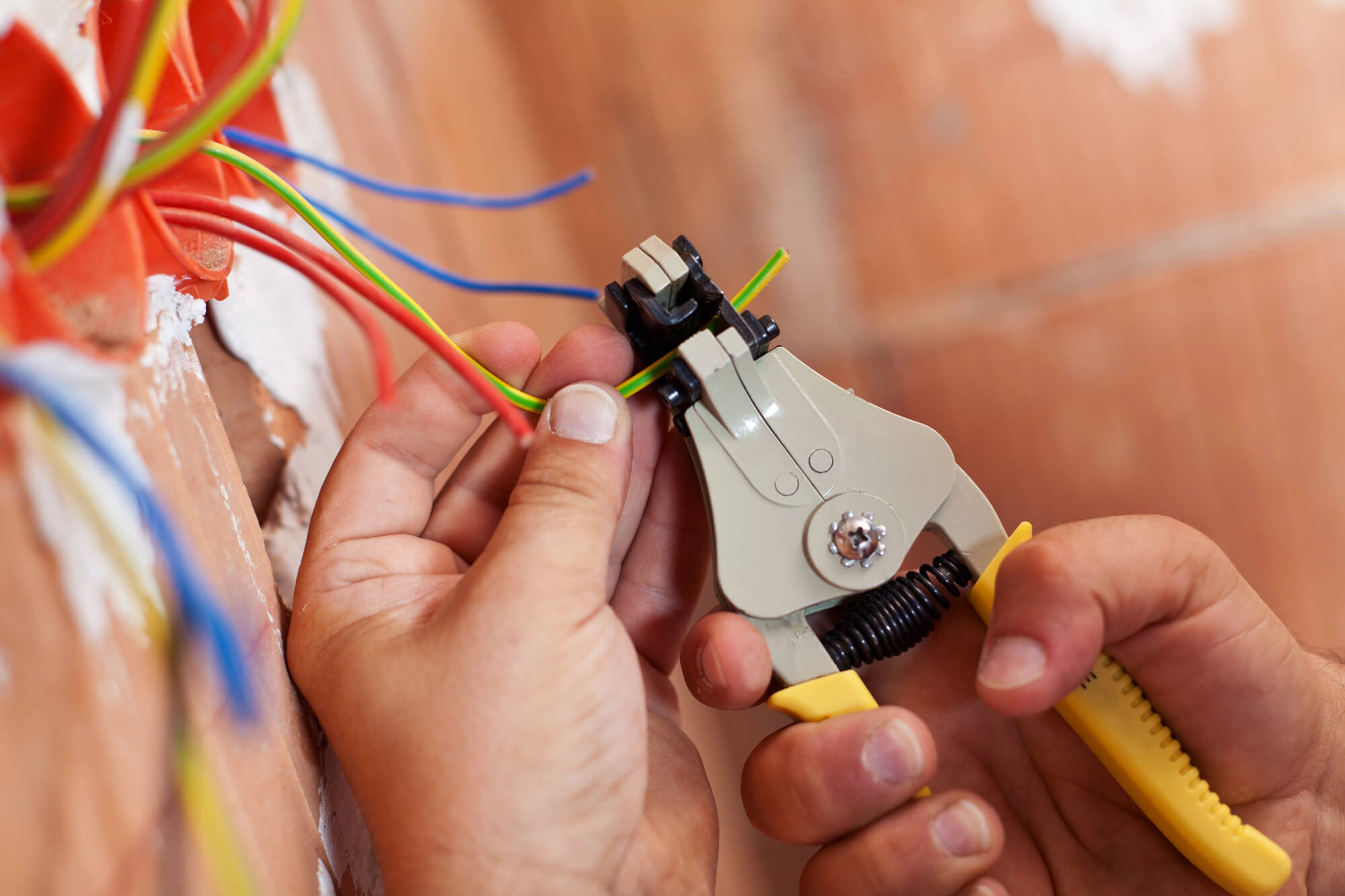
Installing smart wiring during new construction is significantly cheaper than retrofitting an existing home. In new builds, wiring can be run before walls are closed, reducing labor time dramatically. Retrofitting requires opening walls, fishing wires through finished cavities, and patching — adding substantially to the cost. For existing homes, wireless smart devices (Z-Wave, Zigbee, or Wi-Fi-based) can often reduce or eliminate the need for new wiring.
Key Factors That Affect Smart Wiring Costs
Number of Devices and Zones
More smart switches, outlets, sensors, and devices mean more labor and materials. Whole-home systems with multiple zones require a central hub and more complex integration work.
Neutral Wire Requirement
Many smart switches require a neutral wire, which older homes (pre-1980s) may lack. Running neutral wires to every switch location adds $50 – $150 per switch in labor and materials.
Smart Panel or Hub Installation
A whole-home smart electrical panel (such as those from Leviton or Square D) costs $1,500 – $4,000 for the panel plus installation, but provides circuit-level monitoring and control for every circuit in your home.
Smart home wiring costs depend heavily on your home’s existing infrastructure. Our team will assess your setup and provide a transparent quote before any work begins.
When to Hire a Licensed Electrician
Any smart home wiring that connects to your home’s 120V or 240V electrical system requires a licensed electrician. This includes smart switches, outlets, panels, EV chargers, and dedicated smart appliance circuits. Low-voltage work (network cables, speaker wire, security sensor wiring) may not require a licensed electrician depending on your jurisdiction.
Frequently Asked Questions
Can I install smart switches myself?
Replacing a standard switch with a smart switch is a relatively simple DIY task for those with basic electrical knowledge — provided your home has a neutral wire at the switch location. If not, or if you’re unsure, hire a licensed electrician.
What smart home platform is best?
The most widely supported platforms are Google Home, Amazon Alexa, and Apple HomeKit. Your choice of platform determines which devices are compatible. Many electricians work with all three — ask about compatibility before purchasing hardware.
Does smart home wiring increase home value?
Smart home features are increasingly popular with buyers and can add perceived value, particularly in higher-end markets. Whole-home automation systems are more likely to add value than individual smart switches or thermostats.
How long does smart home wiring installation take?
Installing a handful of smart switches takes a few hours. A whole-home smart wiring project during construction can take several days. Retrofit projects vary widely depending on scope and wall access.