
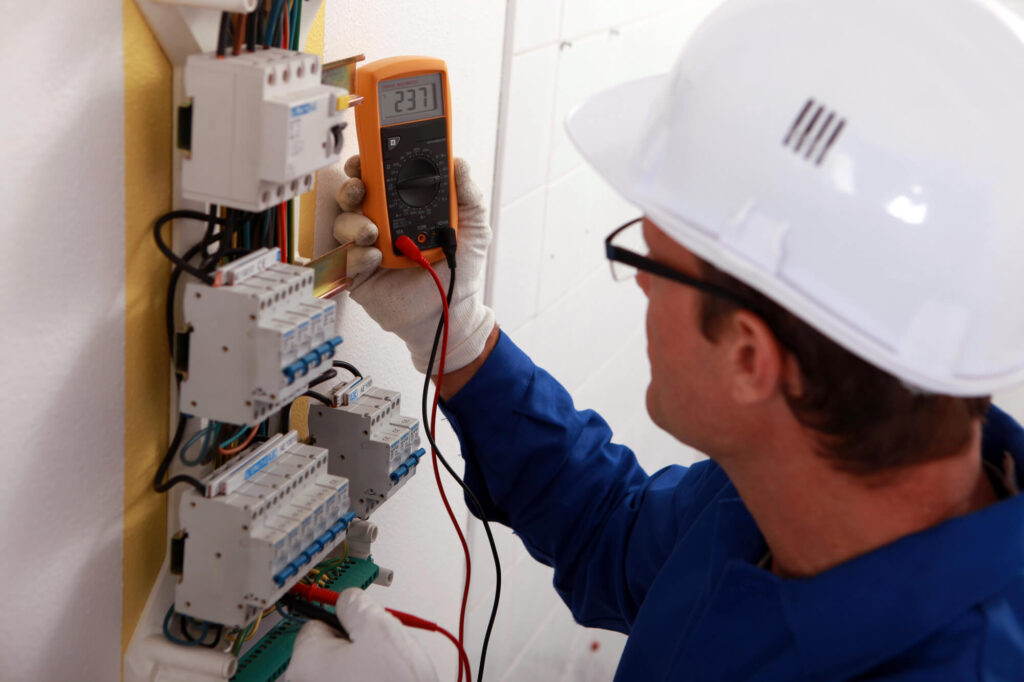
Every business that operates from a building has legal obligations around electrical safety — and the consequences of non-compliance range from fines and enforcement notices to voided insurance and, in the worst cases, fires that endanger lives. Understanding what electrical compliance means for your business is the first step to getting and staying compliant.
⚡ Key Takeaways
- Electrical compliance for businesses means ensuring your electrical systems, equipment, and practices meet the requirements of applicable legislation, codes, and standards.
- OSHA and local electrical inspectors consistently find the same categories of violations during inspections.
- The electrical panel is the heart of your building’s distribution system and a frequent area of compliance issues.
What Electrical Compliance Means for Businesses
Electrical compliance for businesses means ensuring your electrical systems, equipment, and practices meet the requirements of applicable legislation, codes, and standards. In the US, this primarily means the National Electrical Code (NFPA 70), OSHA electrical standards (29 CFR 1910 Subpart S for general industry), and any state or local amendments.
Key Laws and Standards
OSHA requires employers to maintain electrical systems in safe condition and protect employees from electrical hazards. The NEC sets minimum installation standards for wiring, panels, outlets, and equipment. Additional standards apply to specific industries — food service, healthcare, manufacturing, and others each have supplemental requirements. Local building codes may be more stringent than national standards.
Who Is Responsible?
The building owner is typically responsible for compliance of the base building electrical system, while tenants are responsible for any modifications or additional electrical work within their tenancy. In practice, both parties need to understand their obligations and work together to ensure the building remains compliant.
Common Areas of Electrical Non-Compliance in Businesses
OSHA and local electrical inspectors consistently find the same categories of violations during inspections.
Overloaded Circuits and Extension Cord Misuse
Using extension cords as permanent wiring is one of the most frequently cited electrical violations in commercial settings. Extension cords are designed for temporary use only. When employees routinely plug power strips into extension cords or daisy-chain multiple extension cords, overheating and fire risk increase significantly. The correct solution is installing additional permanent outlets on dedicated circuits.
Missing or Damaged GFCI Protection
Ground fault circuit interrupter (GFCI) protection is required in kitchens, bathrooms, outdoor areas, and anywhere water is present. Missing, damaged, or non-functional GFCIs leave employees at risk of electrocution. All GFCI outlets should be tested monthly using the test/reset buttons.
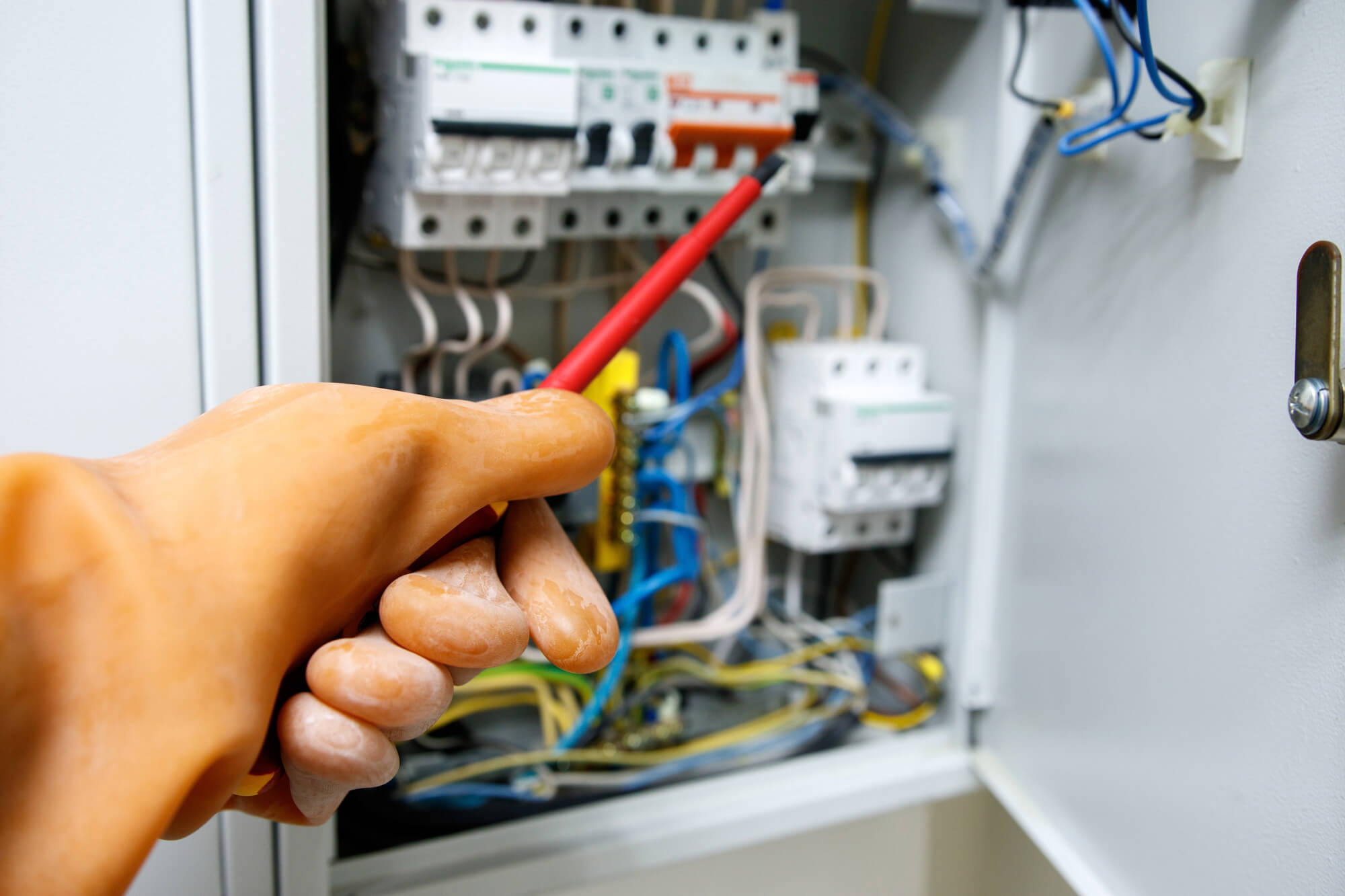
Electrical code compliance isn’t optional — and violations can be costly. Our commercial team and code correction specialists keep your business compliant.
Electrical Panel Compliance
The electrical panel is the heart of your building’s distribution system and a frequent area of compliance issues.
Panel Clearance Requirements
NEC requires a minimum of 36 inches of clear working space in front of electrical panels, with at least 30 inches of width and 6.5 feet of headroom. Panels that have been blocked by storage, furniture, or equipment are a code violation and can prevent quick access in an emergency. All breaker positions must be clearly labeled.
Double-Tapped Breakers and Other Panel Issues
Double-tapping (connecting two wires to a single breaker not rated for two conductors) is a common non-compliant practice in older buildings. Other common issues include mismatched breakers, missing knockouts, and breakers of the wrong amperage for the circuits they protect. A licensed electrician can audit your panel and correct these issues.
Maintaining Ongoing Compliance
Electrical compliance isn’t a one-time achievement — it requires ongoing attention as your business changes and evolves.
Electrical Compliance Audits
Scheduling periodic electrical audits by a licensed electrician is the most effective way to identify and correct compliance issues before they become enforcement problems. An audit produces a written report documenting findings and recommended actions, which also demonstrates due diligence to inspectors and insurers.
Employee Training
OSHA requires employees who work near electrical hazards to receive appropriate training. At minimum, all staff should understand basic electrical safety: not overloading outlets, reporting damaged cords or equipment, and knowing the location of the electrical panel and how to shut off power in an emergency.
Commercial Electrical Inspections and Certifications
Commercial electrical installations require inspection and certification before they can legally operate. Most jurisdictions require inspections at multiple stages: rough-in inspection after the wiring is complete but before walls are closed, final inspection once all devices and panels are installed, and sometimes additional inspections for specialized systems like emergency lighting or backup generators. These inspections verify that the installation meets the National Electrical Code and local amendments.
Depending on your location, different certifications may be required. Some areas require that commercial electrical work be performed only by licensed contractors under the supervision of a licensed electrician. Other jurisdictions have special certifications for particular system types—fire alarm systems, medical gas systems, or data center cabling, for example. Non-compliance with these requirements can result in work being rejected during inspection, requiring expensive corrections, or in some cases, complete re-installation by a qualified contractor.
Beyond initial installation, commercial buildings must maintain compliance throughout the life of the system. Periodic electrical audits (often required annually or every 3-5 years depending on the building type) identify outdated components, safety hazards, or code violations that have developed over time. These audits are essential for maintaining insurance coverage and avoiding liability exposure. Many commercial buildings discover serious violations during routine audits that, if left uncorrected, could result in workplace accidents or regulatory fines. Working with an electrician experienced in commercial code compliance protects your business from these risks.
OSHA Electrical Standards for Commercial Workplaces
Commercial and industrial facilities must comply with OSHA 29 CFR 1910 Subpart S, which establishes comprehensive electrical safety standards for general industry. These regulations mandate grounding and bonding of all equipment, GFCI protection in wet or damp locations, proper clearance around electrical panels (typically 36 inches of workspace in front), and regular maintenance of all electrical systems. Employers are required to de-energize equipment before maintenance and use proper lockout/tagout (LOTO) procedures to prevent accidental re-energization—a critical safety measure that prevents electrocution deaths.
Non-compliance with OSHA electrical standards carries significant penalties: first-time violations can result in fines up to $15,625 per violation as of 2025, with willful violations exceeding $31,200. Beyond financial penalties, electrical code violations create liability exposure and increase insurance claims. A licensed commercial electrician can conduct a comprehensive electrical safety audit of your facility, identify non-compliant equipment or wiring, and provide a remediation plan that brings your site into OSHA compliance. Regular audits every 2–3 years ensure ongoing compliance as equipment ages and regulations evolve.
OSHA Electrical Standards for Commercial Workplaces
Commercial and industrial facilities must comply with OSHA 29 CFR 1910 Subpart S, which establishes comprehensive electrical safety standards for general industry. These regulations mandate grounding and bonding of all equipment, GFCI protection in wet or damp locations, proper clearance around electrical panels (typically 36 inches of workspace in front), and regular maintenance of all electrical systems. Employers are required to de-energize equipment before maintenance and use proper lockout/tagout (LOTO) procedures to prevent accidental re-energization—a critical safety measure that prevents electrocution deaths.
Non-compliance with OSHA electrical standards carries significant penalties: first-time violations can result in fines up to $15,625 per violation as of 2025, with willful violations exceeding $31,200. Beyond financial penalties, electrical code violations create liability exposure and increase insurance claims. A licensed commercial electrician can conduct a comprehensive electrical safety audit of your facility, identify non-compliant equipment or wiring, and provide a remediation plan that brings your site into OSHA compliance. Regular audits every 2–3 years ensure ongoing compliance as equipment ages and regulations evolve.
Frequently Asked Questions
What happens if my business fails an electrical inspection?
Depending on the severity of violations, you may receive a notice to rectify with a compliance deadline, or in serious cases, be required to cease operations until issues are corrected. OSHA violations can result in fines ranging from hundreds to tens of thousands of dollars per violation.
How often should businesses have their electrical systems inspected?
Most commercial buildings benefit from an annual electrical inspection. Higher-risk environments — manufacturing, food service, healthcare — may require more frequent inspections. After any significant electrical event, an inspection should be completed before full operations resume.
Do I need to upgrade my electrical system to meet current code?
Existing buildings generally don’t need to retrofit to current code unless they undergo substantial renovation. However, if work is done on any part of the electrical system, that work must meet current code. A licensed electrician can advise on what upgrades, if any, are required for your situation.
Can I be personally liable for electrical compliance failures?
Business owners and operators can face personal liability for OSHA violations that result in employee injury, particularly if they knew about hazards and failed to address them. This makes proactive compliance both a legal and a financial imperative.
Who can I call to help get my business electrically compliant?
A licensed commercial electrician can assess your current system, identify compliance issues, and perform the necessary work to bring your building up to code. They can also provide documentation of the work performed for your records and any regulatory submissions required.