
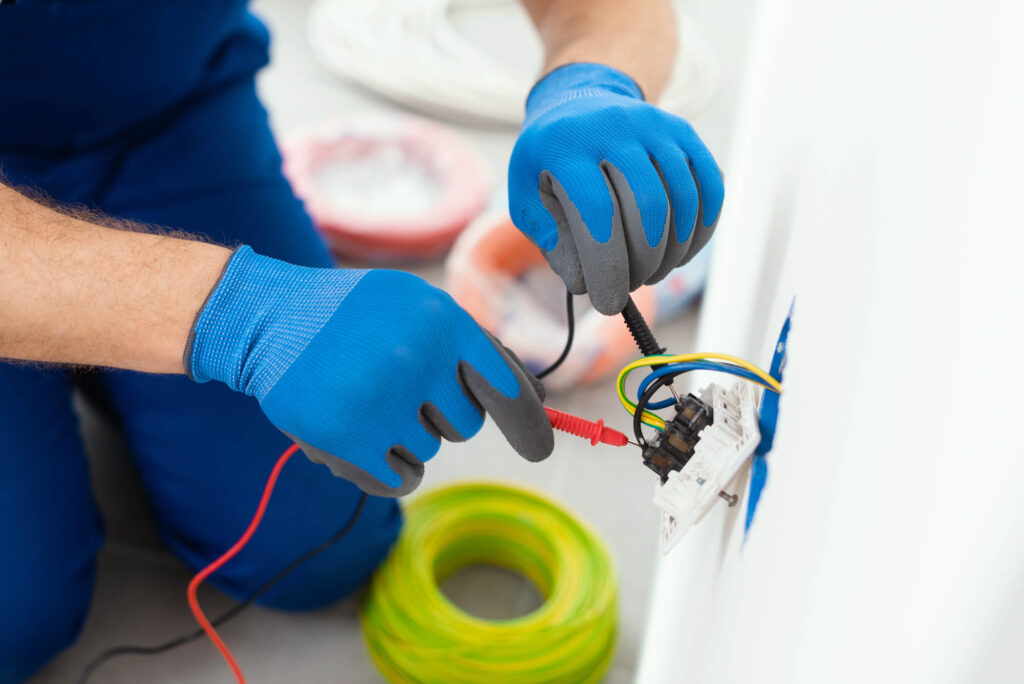
Electrical problems range from annoying to genuinely dangerous. Knowing the difference between a fault that can wait until Monday and one that needs a call at 2am could prevent a house fire or a serious injury. This guide explains what constitutes an electrical emergency, what to do in each situation, and what to expect from a 24/7 emergency electrician.
⚡ Key Takeaways
- A burning smell, sparking, or visible scorch marks from any electrical component is a genuine emergency — call immediately.
- A total power loss that isn’t a utility outage and hasn’t been resolved by resetting breakers should be investigated.
- Switch off individual circuits at the breaker panel while waiting for the electrician if you suspect a wiring fault.
What Counts as an Electrical Emergency?
Not every electrical issue requires an out-of-hours call. But these situations do:
- Burning smell from an outlet, switch, or panel — indicates active overheating that can ignite materials inside the wall
- Sparks or arcing from any fixture or outlet — electrical arcing inside walls is a primary cause of house fires
- Scorch marks or discolouration on outlets or switches — evidence of past or ongoing heat events
- Total power loss not explained by a utility outage — may indicate a main fuse or panel fault
- Electric shock received from an appliance or fixture — indicates a live fault on a surface that should be earthed
- Smoke from any electrical component — this is an imminent fire risk
- Circuit breaker that is physically hot — indicates a fault in the panel itself
What to Do While Waiting for the Electrician
If you smell burning or see sparking from a specific outlet or circuit, switch off that circuit at the breaker panel immediately. If the smell is coming from the panel itself, do not open it — call the emergency electrician and if the smell is strong or you see smoke, evacuate and call the fire service. For a complete loss of power, check your utility supplier’s outage map before calling an electrician.
Situations That Can Wait Until Normal Hours
These are not emergencies (though they should still be addressed promptly): a single tripped circuit breaker that resets and stays on, one dead outlet with no burning smell, a lighting circuit fault, and a GFCI outlet that trips repeatedly. While frustrating, none of these represent an immediate fire or shock risk.
What Does a 24/7 Emergency Electrician Do?
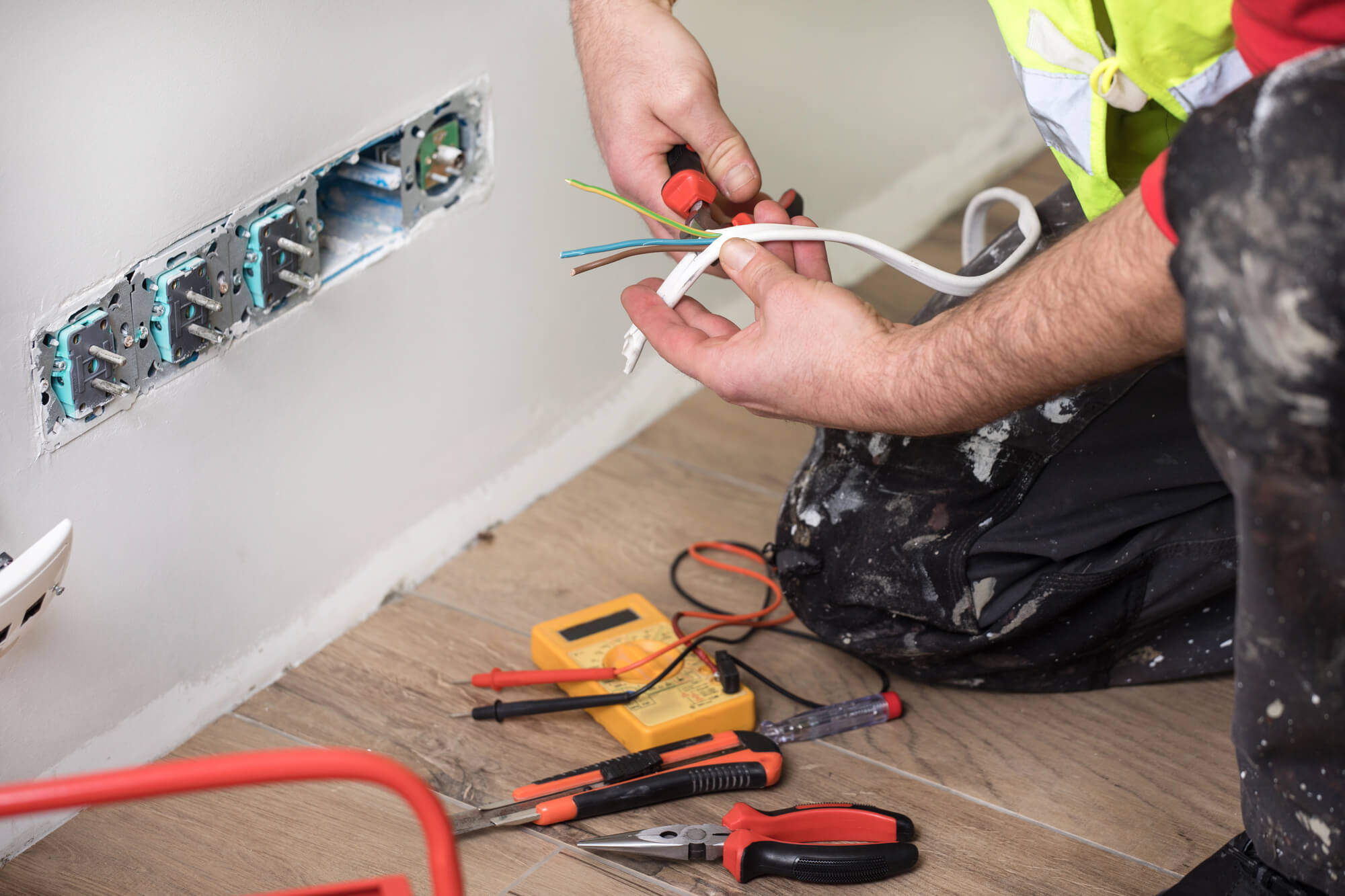
An emergency electrician will assess the immediate hazard, isolate the affected circuit or the whole supply if needed, and identify the fault. Depending on the fault, they may make a temporary safe repair, or advise on leaving certain circuits off until a full repair can be completed. An emergency call-out typically costs more than a standard appointment — expect an out-of-hours premium on top of the standard hourly rate.
Electrical emergency right now? Call our 24/7 emergency electricians immediately on 855-436-0065.
Common Electrical Emergencies and How to Respond
Burning Smell from Outlets or Switches
Turn off the circuit at the breaker immediately. Do not attempt to diagnose the source yourself — the burning is occurring inside the wall or outlet. Call an emergency electrician. If you see smoke, evacuate the building and call the fire department before calling an electrician.
Electrical Sparks or Arcing
If you see sparks from an outlet, switch, or the electrical panel, turn off the circuit (or the main breaker if unsure) immediately. Do not use water near electrical sparks. If the sparking has caused any material to catch fire, evacuate and call 911. Otherwise, call an emergency electrician to inspect and repair before any power is restored.
Electric Shock
If someone has received an electric shock, do not touch them while they may still be in contact with the electrical source. Turn off the power at the breaker first, then provide assistance. Call 911 immediately even if the person appears fine — internal injuries from electric shock can be delayed.
Partial Power Loss
If half the house has lost power after a storm or surge, this is often a lost leg at the service entrance — one of the two 120V lines from the utility is down. This is a utility company issue. Call your utility provider’s emergency line. Don’t attempt panel work as the service entrance remains live even with the main breaker off.
What to Expect from an Emergency Electrician
Emergency electrical services typically charge a premium — expect a call-out fee of $100–$300 plus hourly rates of $100–$200/hour, compared to $75–$125/hour during business hours. The first priority is making your home safe: identifying and isolating the fault, checking for fire risk, and restoring power where safe. Always ask for a written quote before authorising non-emergency repair work during an emergency call.
Insurance Considerations and Documentation for Emergency Repairs
When electrical emergencies occur, homeowners should understand how insurance coverage applies to damage and repairs. Most homeowners insurance policies cover sudden electrical damage caused by storms, surges, or equipment failures, but they may not cover wear and tear from deferred maintenance. If you experience an electrical fire or panel damage, documenting the incident with photos and getting a professional assessment can support an insurance claim.
For business owners, emergency electrical repairs can impact workers’ compensation and liability coverage. If an electrical problem causes an employee injury, your insurance company may investigate whether the business maintained proper electrical safety standards. This is why commercial properties should maintain detailed records of inspections, maintenance, and repairs. In some cases, having a professional electrician perform emergency repairs and provide a written report can help demonstrate due diligence if questions arise later.
Another important consideration: when you call an emergency electrician, ask for an itemized invoice that specifies what was repaired and why it was an emergency. Some insurance policies only cover emergency service if there was genuine risk of fire or electrocution. A detailed report from a licensed electrician can help validate the emergency nature of the repair and support your claim reimbursement from the insurance company.
Frequently Asked Questions
How do I know if my electrical problem is a fire hazard?
The key warning signs are burning smell, warmth, sparking, or scorch marks near any electrical component. If any of these are present, treat it as a fire hazard immediately — switch off the affected circuit and call an electrician. Do not wait to see if it gets worse.
What causes a burning smell from an electrical outlet?
A burning smell from an outlet indicates the wiring connections or contacts are overheating. This can be caused by loose wiring connections, a failing outlet, an overloaded circuit, or arcing. All of these are fire hazards. Switch off the circuit at the breaker immediately and call an electrician.
Should I turn off my main power if I smell burning?
If the burning smell is coming from a specific outlet or circuit, switch off that circuit at the breaker rather than the whole supply — this maintains lighting and other circuits while isolating the hazard. If the smell seems to be coming from the panel itself or you can’t identify the source, switching off the main breaker is the prudent step while waiting for the electrician.