
If you’re experiencing frequent power surges in house, it’s more than just an inconvenience—it can damage your electronics and signal a serious electrical issue. Power surges are sudden increases in voltage that can stress or destroy appliances, wiring, and sensitive devices.
In this guide, we’ll explain what causes power surges, how to identify warning signs, how to troubleshoot the issue, and what steps you can take to fix and prevent them.
Contents
What Is a Power Surge?
A power surge occurs when the electrical voltage flowing through your home spikes above the normal level. In the U.S., standard voltage is around 120 volts. When that level suddenly increases—even for a fraction of a second—it can damage electrical devices.
While occasional small surges are common, frequent or large surges are not normal and should be investigated.
Common Causes of Frequent Power Surges in House
- Faulty appliances: Damaged or aging appliances can disrupt electrical flow.
- Damaged wiring: Worn or loose wiring can cause inconsistent voltage.
- Overloaded circuits: Too many devices on one circuit can lead to instability.
- Power grid issues: External supply problems from your utility company.
- Lightning strikes: Rare but powerful surges caused by storms.
- Short circuits: Faults in wiring can create sudden spikes.
- Improper grounding: Lack of proper grounding increases surge risk.
Warning Signs of Frequent Power Surges
Power surges are not always obvious, but these signs may indicate a problem:
- Lights flickering or dimming unexpectedly
- Electronics resetting or shutting off
- Burning smells or overheating devices
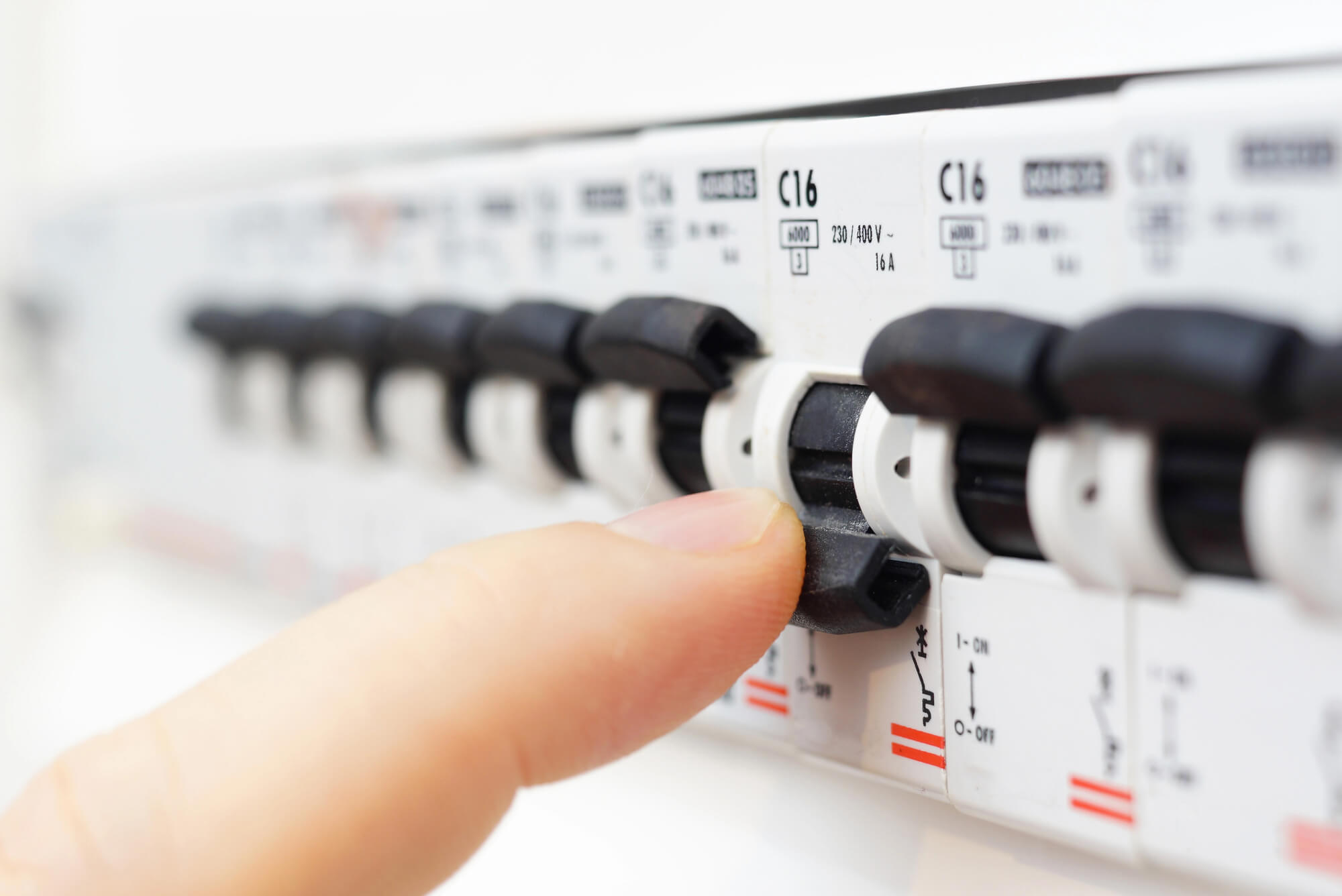
- Frequent breaker trips
- Buzzing sounds from outlets or switches
- Appliances failing prematurely
If you notice these symptoms, it’s important to identify the cause before damage worsens.
Troubleshooting Frequent Power Surges in House
If you suspect frequent power surges, follow these troubleshooting steps:
1. Unplug Sensitive Electronics
Disconnect devices like computers and TVs to protect them from further damage.
2. Identify Problem Appliances
Try unplugging large appliances one at a time to see if surges stop.
3. Check Circuit Load
Reduce the number of devices on overloaded circuits.
4. Inspect Outlets and Wiring
Look for signs of damage, such as discoloration, burning smells, or loose connections.
5. Reset Circuit Breakers
If breakers have tripped, reset them once. Repeated trips indicate a deeper issue.
6. Monitor When Surges Occur
Do surges happen when appliances start or randomly? This can help pinpoint the cause.
7. Contact Your Utility Provider
If the issue affects multiple homes, it may be related to the power supply.
If surges continue after these steps, professional inspection is essential.
How to Prevent Power Surges
- Install whole-house surge protection: Protect your entire electrical system.
- Use surge protectors: Safeguard sensitive electronics.
- Upgrade wiring: Replace outdated or damaged wiring.
- Install dedicated circuits: Reduce load on shared circuits.
- Ensure proper grounding: Critical for electrical safety and stability.
Electrical Repair Costs
The cost to fix frequent power surges depends on the cause:
- Surge protector installation: $200 – $700
- Whole-house surge protection: $500 – $2,500
- Wiring repairs: $200 – $800
- Electrical inspection: $150 – $400
- Panel upgrades: $1,500 – $4,000+
Investing in surge protection and proper electrical maintenance can prevent costly damage to appliances and systems.
Frequently Asked Questions
What causes frequent power surges in a house?
Frequent surges are often caused by faulty appliances, damaged wiring, overloaded circuits, or issues with the power supply.
Are power surges dangerous?
Yes, power surges can damage electronics, overheat wiring, and increase the risk of electrical fires.
How do I stop power surges in my home?
Install surge protection devices, reduce circuit load, and have your electrical system inspected for faults.
Why does my house smell like burning plastic?
Burning plastic smells often occur when wire insulation overheats or melts due to electrical overloads, loose connections, or faulty appliances.
Get Professional Help Today
If you’re experiencing frequent power surges in your house, don’t ignore the warning signs. Electrical issues can cause serious damage and safety risks if left unresolved.
A licensed electrician can diagnose the cause, install protective solutions, and ensure your home’s electrical system is safe and reliable.