
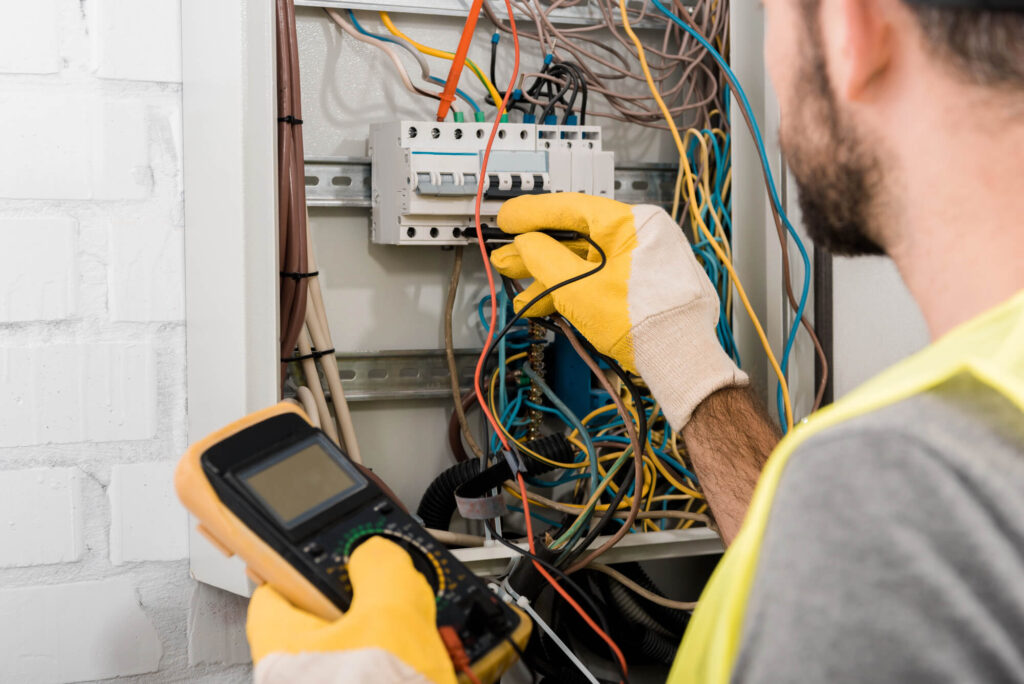
Voltage fluctuations in home electrical systems can lead to flickering lights, damaged appliances, and even serious safety hazards if left unaddressed. While occasional minor changes in voltage are normal, frequent or extreme fluctuations are a sign that something is wrong with your electrical system. Understanding the causes and how to fix voltage fluctuation — a concern the CPSC Electrical Safety Guide links to fire and appliance damage risks that should be evaluated by a licensed electricians can help protect your home and avoid costly repairs.
⚡ Key Takeaways
- Voltage fluctuations occur when the electrical supply in your home rises or drops unexpectedly.
- Several issues can lead to unstable voltage in your home.
- Not all voltage changes are harmless.
What It Means When You Have Voltage Fluctuations in Home
Voltage fluctuations occur when the electrical supply in your home rises or drops unexpectedly. Standard residential voltage in the United States is typically around 120 volts. Small variations are normal, but when voltage swings significantly above or below this level, it can impact how your electrical devices perform.
You might notice lights dimming when appliances turn on, bulbs burning out quickly, or electronics behaving unpredictably. These are all signs that your electrical system may not be maintaining stable voltage.
Common Causes of Voltage Fluctuations
Several issues can lead to unstable voltage in your home. Some are minor and easy to fix, while others require professional electrical work.
- Overloaded circuits: Too many devices on one circuit can cause voltage drops when demand increases.
- Faulty wiring: Loose or damaged wires disrupt consistent electrical flow.
- Utility supply issues: Problems from the power company can cause fluctuations entering your home.
- High-power appliances: HVAC systems, refrigerators, and washers can cause temporary voltage dips when starting.
- Old electrical panel: Outdated panels may struggle to regulate voltage properly.
- Loose neutral connection: One of the most dangerous causes, leading to unpredictable voltage swings.
- Faulty devices: A malfunctioning appliance can affect the entire circuit.
Warning Signs of Dangerous Voltage Fluctuations
Not all voltage changes are harmless. Watch for these warning signs that indicate a serious issue:
- Lights flickering or dimming frequently
- Light bulbs burning out faster than normal
- Electronics resetting or shutting off unexpectedly
- Buzzing sounds from outlets or electrical panels
- Appliances running inconsistently
- Burning smell from outlets or wiring
- Power surges when large appliances turn on
Troubleshooting Voltage Fluctuations
If you are experiencing voltage fluctuations in home circuits, you can take a few steps to identify the cause before calling an electrician.
- Unplug sensitive electronics: Protect devices from potential damage while diagnosing the issue.
- Check for overloaded outlets: Reduce the number of devices plugged into a single circuit.
- Observe when fluctuations occur: Note if it happens when certain appliances turn on.
- Inspect visible wiring: Look for loose outlets or damaged cords (do not open panels).
- Test different rooms: Determine if the issue is isolated or affects the entire home.
- Reset circuit breakers: Sometimes a breaker reset can stabilize minor issues.
If the problem persists or affects multiple areas of your home, it is time to call a licensed electrician.
Voltage fluctuations can damage appliances and indicate a wiring or panel problem. Have our electricians diagnose the issue — or explore whether a panel upgrade is needed.
How to Fix Voltage Fluctuations
The right solution depends on the underlying cause. A professional electrician may recommend one or more of the following:
- Redistributing electrical loads: Balancing circuits to prevent overloads.
- Repairing or replacing wiring: Fixing loose or damaged connections.
- Upgrading the electrical panel: Modern panels handle demand more efficiently.
- Installing a voltage stabilizer: Helps maintain consistent voltage levels.
- Adding surge protection: Protects appliances from sudden spikes.
- Fixing neutral connection issues: Critical for stabilizing voltage throughout the home.
Prevention Tips
Preventing voltage fluctuations is often easier and less expensive than fixing damage after the fact.
- Avoid overloading outlets and circuits
- Schedule regular electrical inspections
- Upgrade outdated electrical systems
- Use surge protectors for sensitive electronics
- Replace old or damaged appliances
Cost to Fix Voltage Fluctuations
The cost to fix voltage fluctuations in home systems varies depending on the cause and severity of the issue.
- Basic inspection: $100 – $250
- Wiring repairs: $150 – $800
- Electrical panel upgrade: $1,500 – $4,000
- Surge protector installation: $200 – $600
- Voltage stabilizer installation: $500 – $2,000
Addressing the issue early can prevent more expensive repairs, especially if appliances are at risk of damage.
How to Monitor Your Home’s Voltage
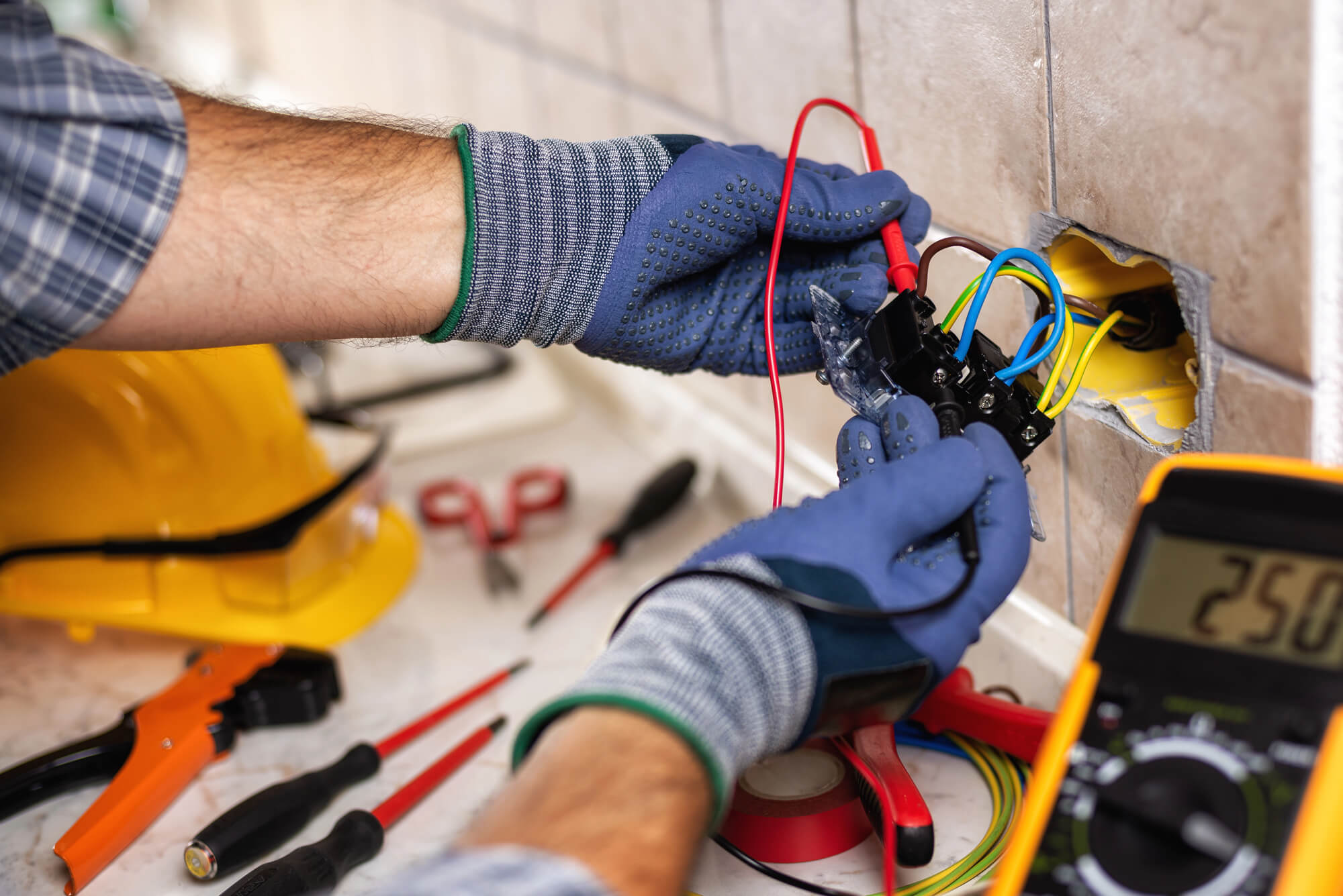
If you suspect voltage fluctuations in your home, you can monitor your electrical system using a digital multimeter or power quality meter. Simply plug the device into an outlet and take readings at different times throughout the day. Healthy voltage for a 120V circuit should read between 114V and 126V; for 240V circuits, you’re looking for 228V to 252V. If readings consistently fall outside these ranges, contact a licensed electrician to investigate. Professional electricians have more sophisticated equipment that can log voltage over time and identify patterns that may indicate underlying problems with your service or internal wiring.
Temporary vs. Permanent Solutions
If voltage fluctuations are minor and intermittent, temporary measures like surge protectors can help safeguard sensitive electronics. However, these are band-aid solutions that don’t address the root cause. Permanent fixes depend on the source: if the utility company is responsible, they’ll stabilize the supply at no cost to you; if it’s your internal wiring or panel, you may need rewiring or a service upgrade costing $2,000–$10,000+. The investment is worthwhile because chronic voltage problems accelerate aging of appliances and can cause silent damage to electronics before visible failure occurs. Have an electrician diagnose the issue first so you can implement the appropriate long-term solution.
Whole-House Surge Protection as a Voltage Fluctuation Defense
While surge protectors cannot fix voltage sags (low voltage), they are highly effective at protecting your home against voltage spikes and transients—electrical surges that can damage electronics and appliances. Whole-house surge protection is installed at or near your main electrical panel, protecting every circuit and outlet in your home with a single device. Type 1 surge protectors are installed between the utility meter and your main panel and offer the most comprehensive protection; they’re designed to handle large surges coming from the utility side (such as lightning strikes to power lines). Type 2 surge protectors are installed within your main panel or as a sub-panel device and protect against surges generated internally (appliances turning off, motor loads cycling). Most residential homes benefit from a combination of Type 1 and Type 2 protection: Type 1 handles utility-side surges, and Type 2 handles internal surges, with both devices working together to keep voltage spikes below safe levels.
Popular brands for whole-house surge protection include Siemens FS140 (a Type 2 sub-panel surge protector), Square D QO SurgeBlok (another Type 2 option), and various Type 1 devices from manufacturers like Eaton and Siemens. Installation cost typically ranges from $300-$700, including the device ($100-$300) and labor ($200-$400 for professional installation). While this might seem expensive compared to point-of-use surge-protected power strips (which cost $20-$50 each), whole-house protection is far more cost-effective when you consider that a single utility surge could damage a refrigerator ($1,500-$3,000), HVAC system ($4,000-$8,000), or home entertainment setup ($3,000-$10,000). A single claim prevented by surge protection often pays for the installation cost multiple times over.
Important note: whole-house surge protection does not fix voltage sags; if you’re experiencing power quality issues beyond temporary spikes, you may need additional equipment like an Uninterruptible Power Supply (UPS) for sensitive electronics or a power conditioner. However, for protecting your home against the majority of electrical surges—lightning strikes, utility switching, power-line damage, and motor-load transients—whole-house surge protection is one of the most practical and cost-effective investments you can make. Pair it with point-of-use surge protection (power strips) for high-value electronics like computers and entertainment systems, and your entire home will be well-defended against voltage transients and surge-related damage.
Frequently Asked Questions
What causes voltage fluctuations in home wiring?
Voltage fluctuations are typically caused by overloaded circuits, faulty wiring, utility supply issues, or large appliances drawing high power.
Are voltage fluctuations dangerous?
Yes, severe or frequent voltage fluctuations can damage appliances, cause electrical fires, and indicate serious wiring issues.
How do I fix voltage fluctuations in my home?
Fixes may include redistributing electrical loads, repairing wiring, upgrading the electrical panel, or installing surge protection or voltage stabilizers.
Can appliances cause voltage fluctuations?
Yes, large appliances like air conditioners and refrigerators can cause temporary voltage drops when they start up, especially on overloaded circuits.
Get Professional Help for Voltage Fluctuations
If you are dealing with voltage fluctuations in home electrical systems, it is important not to ignore the warning signs. What starts as a minor issue can quickly turn into a serious safety hazard or costly damage to your appliances.
A licensed electrician can diagnose the root cause and provide a safe, long-term solution to restore stable voltage in your home.