
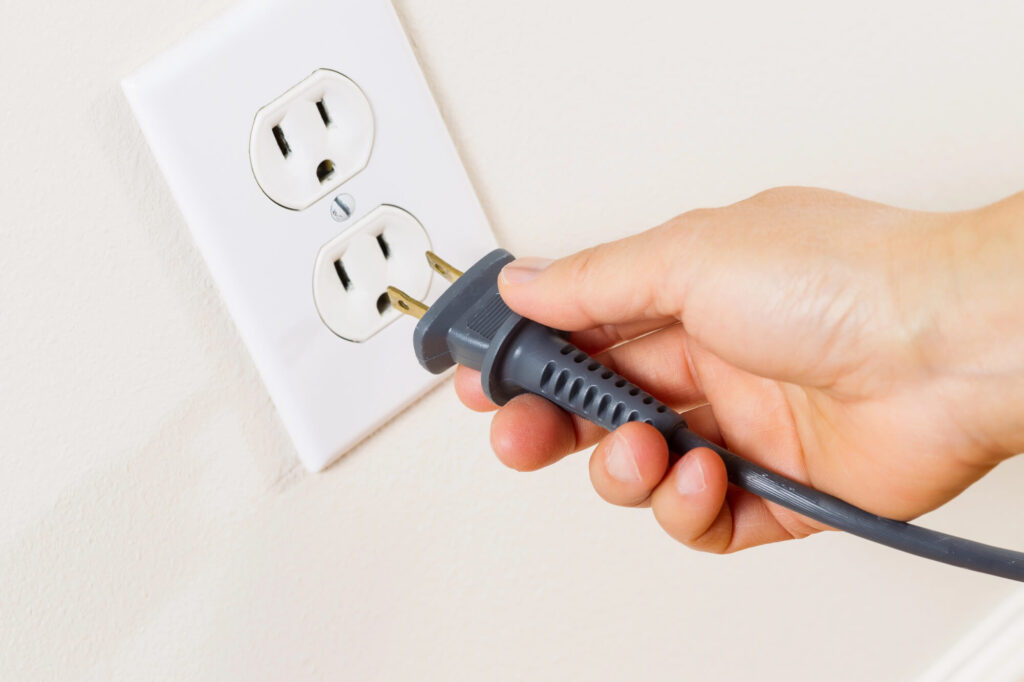
If half the outlet works but the other half does not, it can be confusing and frustrating for homeowners. Many electrical outlets contain two receptacles, and sometimes only one provides power while the other remains dead. In some cases, this behavior is normal and intentional, but in others it may indicate a wiring issue or electrical fault.
Understanding why half of an outlet works can help you determine whether the situation is harmless or if it requires attention from an electrician. In this guide, we explain the most common causes, warning signs to watch for, and what steps you can take to resolve the problem safely.
Contents
- 1 What It Means When Half the Outlet Works
- 2 Common Causes When Half the Outlet Works
- 3 Warning Signs of a Serious Electrical Problem
- 4 How to Troubleshoot When Half the Outlet Works
- 5 How to Prevent Outlet Problems
- 6 Electrical Repair Costs
- 7 Frequently Asked Questions
- 8 Get Professional Help for Outlet Problems
What It Means When Half the Outlet Works
A standard duplex outlet contains two plug openings. Although they share the same housing, each receptacle can be wired differently depending on how the circuit is designed.
When half of the outlet works and the other half does not, the outlet may be configured in one of the following ways:
- The outlet is split and controlled by a wall switch
- A loose wire connection has interrupted power
- The outlet has internal damage
- A circuit breaker or GFCI outlet has partially tripped
Some homes intentionally use split outlets to control lamps or lighting with a wall switch. However, if the outlet previously worked normally and suddenly stopped powering one side, it could signal an electrical problem.
Common Causes When Half the Outlet Works
Switched Outlet Design
One of the most common reasons half an outlet works is that it is designed that way. In many living rooms and bedrooms, electricians wire outlets so that the top or bottom receptacle is controlled by a wall switch. This allows you to plug in a lamp and control it without turning the lamp itself on and off.
If a wall switch turns one half of the outlet on and off, the outlet is working exactly as intended.
Loose Wiring Connection
If wiring inside the outlet becomes loose, one half of the outlet may lose power. Electrical outlets rely on secure connections to deliver electricity safely. A loose wire can interrupt power to one side of the receptacle.
This problem is more common in older outlets or in outlets that have been heavily used over time.
Broken Metal Tab
Duplex outlets have a small metal tab connecting the two receptacles. This tab allows both outlets to share the same electrical feed. In switched outlets, electricians intentionally break this tab.
If the tab breaks accidentally or becomes damaged, one side of the outlet may stop working.
Worn or Damaged Outlet
Electrical outlets can wear out after years of use. Internal contacts may become loose or damaged, causing one side of the outlet to stop providing power.
If plugs feel loose or fall out easily, the outlet likely needs replacement.
Tripped GFCI Outlet
Ground Fault Circuit Interrupter (GFCI) outlets protect circuits in kitchens, bathrooms, and outdoor areas. If a GFCI outlet trips, it may shut off power to multiple downstream outlets.
Sometimes only part of an outlet circuit loses power, which can make it appear as though half the outlet works.
Circuit Breaker Issues
A partially tripped circuit breaker or loose connection in the breaker panel may also affect power distribution to outlets.
Warning Signs of a Serious Electrical Problem
While many cases of half-working outlets are harmless, certain symptoms indicate a more serious issue that should be inspected by a professional.
- Burning smell near the outlet
- Warm or hot outlet cover plate
- Sparks when plugging in devices
- Buzzing or crackling sounds
- Lights flickering when appliances are plugged in
- Visible scorch marks or discoloration
If you notice any of these signs, stop using the outlet and contact a licensed electrician immediately.
How to Troubleshoot When Half the Outlet Works
If one side of your outlet is not working, there are a few safe troubleshooting steps you can try before calling an electrician.
1. Check Wall Switches
Try flipping nearby wall switches. Many homeowners discover that the outlet is simply controlled by a switch they were unaware of.
2. Test Both Receptacles
Plug a working device into each half of the outlet to confirm whether one side is completely dead or just inconsistent.
3. Reset Nearby GFCI Outlets
Look for GFCI outlets in bathrooms, kitchens, garages, or outside your home. Press the reset button to restore power if the outlet has tripped.
4. Check the Circuit Breaker
Open your electrical panel and ensure the breaker controlling that outlet has not tripped.
5. Inspect for Visible Damage
If the outlet appears damaged, burned, or loose, stop using it and arrange for professional repair.
How to Prevent Outlet Problems
Preventing electrical outlet issues largely involves proper usage and regular maintenance.
- Avoid forcing plugs into outlets
- Replace worn outlets promptly
- Do not overload outlets with multiple adapters
- Inspect outlets for looseness or discoloration
- Schedule electrical inspections for older homes
Routine electrical maintenance helps ensure outlets continue working safely and reliably.
Electrical Repair Costs
If half the outlet works due to wiring problems or outlet damage, repair costs can vary depending on the underlying cause.
Typical Repair Costs
- Replacing a standard outlet: $120 – $250
- Repairing loose wiring: $150 – $350
- Replacing a switched outlet: $150 – $300
- Diagnosing electrical faults: $150 – $300
- Replacing damaged wiring: $300 – $1,000+
Most outlet issues are relatively inexpensive to repair, especially when addressed early.
Frequently Asked Questions
Why does my house smell like burning plastic?
Burning plastic smells often occur when wire insulation overheats or melts due to electrical overloads, loose connections, or faulty appliances.
Why does only one plug on my outlet work?
One plug may work while the other does not if the outlet is designed as a switched outlet, if the internal tab is broken, or if wiring connections inside the outlet are loose.
Is it dangerous if half my outlet works?
Not always. Some outlets are intentionally split so one half is controlled by a switch. However, if the outlet stopped working suddenly, it may indicate a wiring issue that should be inspected.
Can I replace a half-working outlet myself?
If you have electrical experience, replacing an outlet is usually straightforward. However, if wiring problems are suspected, it is safer to have a licensed electrician perform the repair.
Get Professional Help for Outlet Problems
If half the outlet works and the other half does not, the issue may be harmless or could indicate a wiring problem inside your home’s electrical system.
An experienced electrician can diagnose the cause, repair faulty wiring, and ensure your outlets operate safely and reliably.