
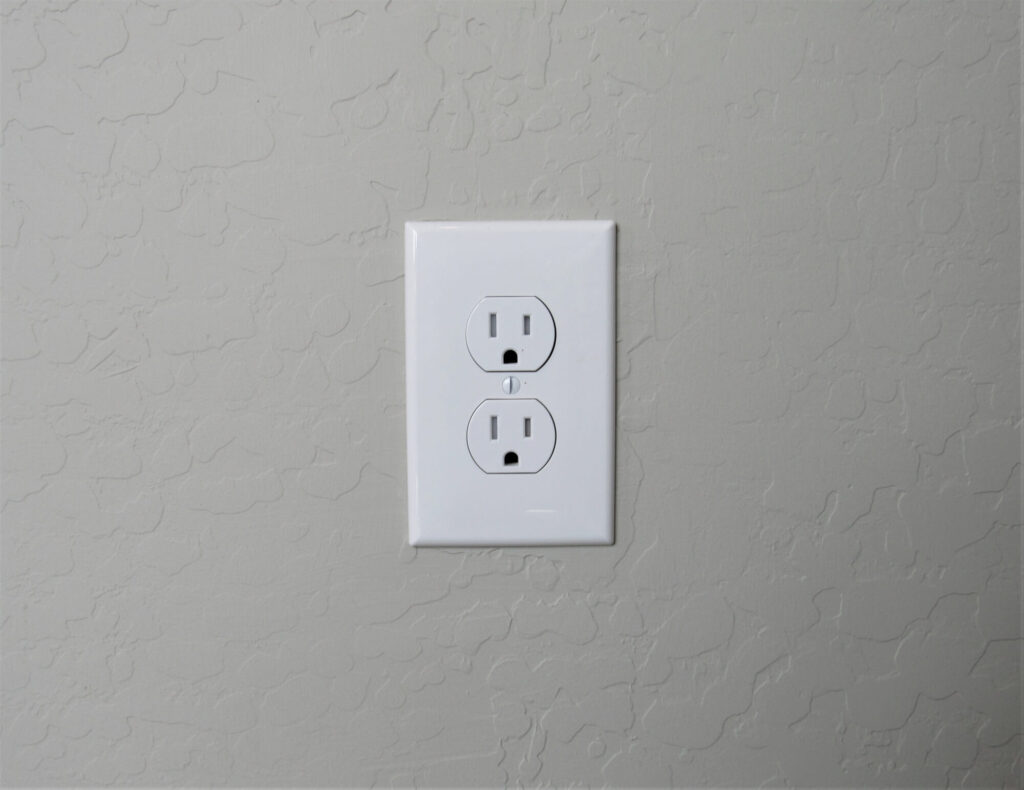
If your outdoor outlet is not working, it can quickly become inconvenient when trying to power yard equipment, holiday lighting, or outdoor appliances. Exterior electrical outlets are exposed to weather, moisture, and temperature changes, which makes them more prone to issues than indoor outlets.
In many cases the problem is simple, such as a tripped GFCI protection — required by the National Electrical Code (NEC) for all outdoor outlets to protect against shock in wet conditions outlet or circuit breaker. However, outdoor outlets can also stop working due to damaged wiring, moisture intrusion, or worn electrical components. Understanding the possible causes can help you troubleshoot the problem safely and determine when to call a professional electrician.
⚡ Key Takeaways
- Outdoor outlets are typically connected to Ground Fault Circuit Interrupter (GFCI) protection.
- Tripped GFCI Outlet The most common reason an outdoor outlet stops working is a tripped GFCI outlet.
- Sometimes an outdoor outlet failure is part of a larger electrical issue.
What It Means When an Outdoor Outlet Is Not Working
Outdoor outlets are typically connected to Ground Fault Circuit Interrupter (GFCI) protection. These safety devices are designed to shut off power instantly if they detect an electrical fault or moisture-related hazard.
Because exterior outlets are exposed to rain, humidity, and outdoor debris, they are more likely to trip protective devices. If an outdoor outlet stops working, the issue is often related to safety features doing their job.
However, repeated power loss or a permanently dead outlet may indicate deeper electrical issues such as faulty wiring, damaged outlets, or problems within the electrical circuit.
Common Causes of an Outdoor Outlet Not Working
Tripped GFCI Outlet
The most common reason an outdoor outlet stops working is a tripped GFCI outlet. These outlets monitor electrical current and shut off power if they detect imbalance, which could indicate a shock risk.
A GFCI outlet protecting your outdoor receptacle may be located:
- In the garage
- In a bathroom
- In the kitchen
- On another exterior wall
If it trips, it can cut power to multiple outlets downstream, including outdoor outlets.
Tripped Circuit Breaker
If the circuit breaker supplying the outdoor outlet trips, the outlet will lose power. Breakers usually trip when circuits become overloaded or when a fault occurs in the wiring or connected equipment.
Moisture in the Outlet
Outdoor outlets are designed to be weather-resistant, but water can still enter if the protective cover is damaged or left open. Moisture inside an outlet can trigger the GFCI protection or cause corrosion that interrupts electrical connections.
Loose or Damaged Wiring
Over time, electrical connections inside outdoor outlets can loosen due to temperature fluctuations or aging materials. Damaged wiring can interrupt power flow to the outlet.
Worn or Failed Outlet
Exterior outlets are exposed to harsher conditions than indoor outlets. Sun exposure, moisture, and debris can cause components to deteriorate faster.
Older outdoor outlets may simply need replacement.
Damaged Underground Wiring
If the outlet is located in a yard, patio area, or detached structure, the wiring supplying it may run underground. Over time, underground wiring can be damaged by moisture, landscaping work, or pests.
Warning Signs of a More Serious Electrical Problem
Sometimes an outdoor outlet failure is part of a larger electrical issue. Watch for these warning signs:
- Burning smell near the outlet
- Cracked or melted outlet cover
- Sparks when plugging in devices
- Buzzing sounds from the outlet
- Frequent breaker trips
- Visible rust or corrosion inside the outlet
- Lights flickering when outdoor equipment is used
If any of these signs appear, stop using the outlet and have it inspected by an electrician.
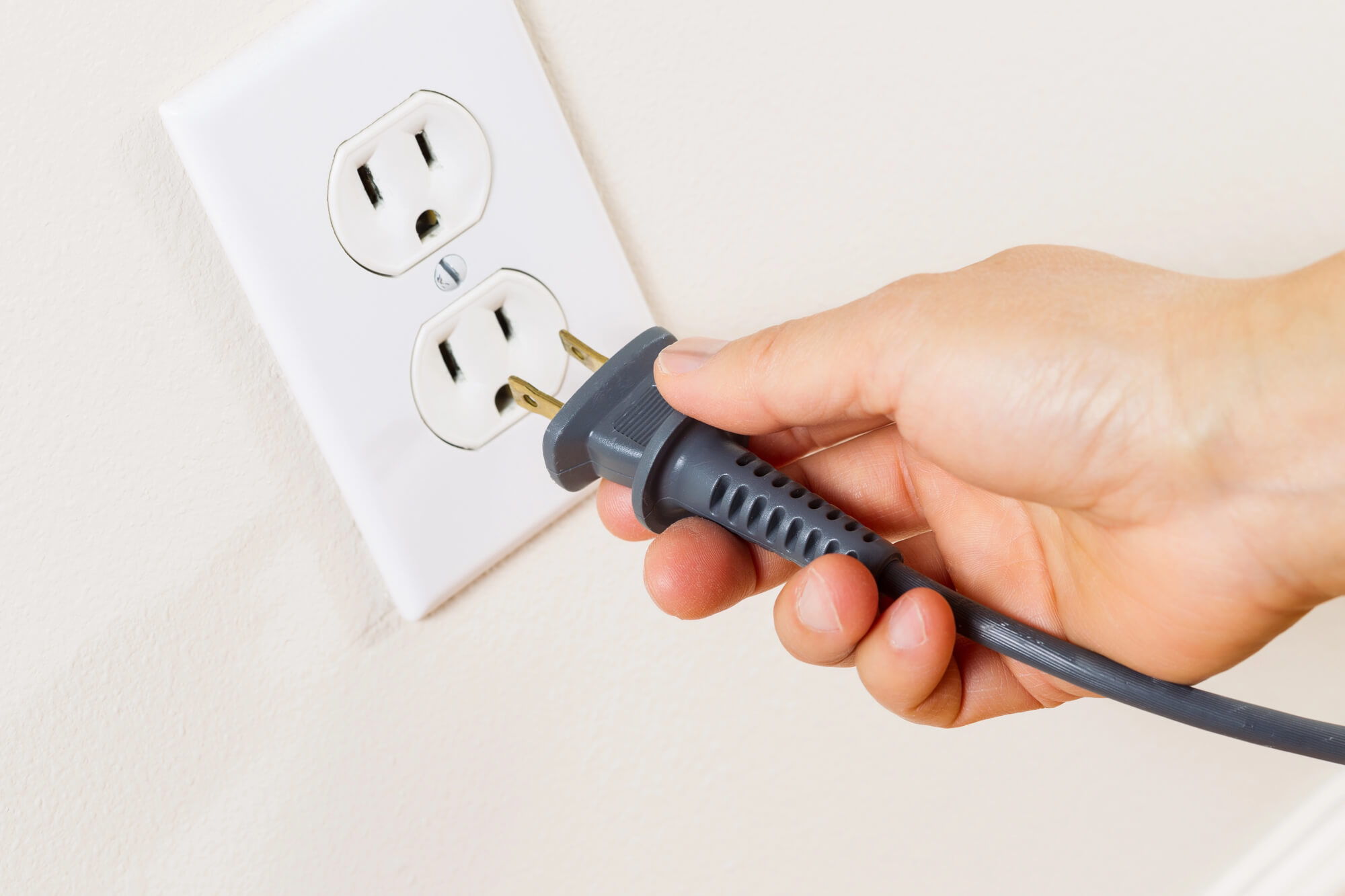
How to Troubleshoot an Outdoor Outlet That Is Not Working
Before calling an electrician, there are several safe troubleshooting steps homeowners can try.
1. Reset Nearby GFCI Outlets
Look for GFCI outlets inside your home or garage. Press the reset button to restore power. This often resolves the problem immediately.
2. Check the Circuit Breaker
Open your electrical panel and look for a tripped breaker. If the breaker has tripped, reset it and check whether the outlet begins working again.
3. Inspect the Weatherproof Cover
Ensure the outdoor outlet cover closes properly and seals against moisture. A damaged cover can allow water inside the outlet.
4. Test the Outlet
Try plugging in a different device to confirm the outlet is not receiving power.
5. Look for Moisture or Debris
If the outlet appears wet or dirty, allow it to dry completely before attempting to reset the circuit.
If these steps do not restore power, the issue may involve internal wiring or outlet failure.
Outdoor outlet issues require weatherproof expertise — our electrical repair team handles residential outdoor electrical.
How to Prevent Outdoor Outlet Problems
Maintaining outdoor electrical outlets can help prevent many common issues.
- Always keep weatherproof covers closed
- Replace cracked outlet covers promptly
- Avoid leaving extension cords plugged in permanently
- Inspect outlets periodically for corrosion or damage
- Ensure outdoor outlets are GFCI protected
- Upgrade older outlets to weather-resistant models
Regular maintenance can significantly extend the life of outdoor electrical outlets and reduce the risk of electrical hazards.
Electrical Repair Costs
The cost to repair an outdoor outlet depends on the cause of the problem.
Typical Repair Costs
- Replacing an outdoor outlet: $150 – $300
- Installing a GFCI outlet: $200 – $400
- Repairing loose wiring: $150 – $350
- Replacing damaged outdoor wiring: $300 – $1,500+
- Electrical troubleshooting service call: $150 – $300
Addressing electrical problems early helps prevent more expensive repairs and improves the safety of your home’s electrical system.
Weatherproofing Your Outdoor Outlets
Simply having a working outdoor outlet isn’t enough; it must be properly weatherproofed to prevent moisture damage and electrical hazards. The National Electrical Code (NEC) requires that all outdoor receptacles be GFCI-protected (either with a GFCI breaker or GFCI outlet), but protection goes beyond the breaker—you must also shield the outlet from water, rain, and humidity. An in-use cover is the most effective solution; unlike standard outlet covers that only protect the outlet when no plug is inserted, in-use covers keep the outlet protected even while a device is plugged in and operating. In-use covers cost $15-$35 each and come with a gasket seal that prevents rain and moisture from entering the outlet while allowing plugs to remain connected. Bubble covers (clear plastic domes that fit over standard covers) are cheaper ($5-$10) but offer less protection because they don’t seal tightly; they’re suitable for occasional outdoor use but shouldn’t be your primary defense against weather.
The outlet’s Ingress Protection (IP) rating is a technical specification that indicates how well it resists water and dust; outdoor outlets should have at least an IP44 rating (protected against splash water), with IP55 or higher being ideal for areas exposed to continuous spray or high humidity. Most modern outdoor outlets are rated IP44 or better, but older installations may have lower ratings. When replacing an outdoor outlet, specify an IP55 or IP66-rated receptacle; these cost only slightly more than standard IP44 outlets but provide significantly better long-term durability. Combination outlets that include both a standard 120V receptacle and a GFCI breaker in one unit are also available and can simplify installation. The cost of a proper weatherproofed outdoor outlet setup typically ranges from $100-$200 installed (outlet, breaker upgrade if needed, and in-use cover), compared to $25-$50 for a DIY temporary solution with a cheap bubble cover.
Proper installation location also matters: position outdoor outlets under an eave or awning whenever possible to reduce direct rain exposure, keep outlets at least 12 inches above grade (to prevent standing water from splashing in), and avoid placing them near sprinkler heads or hose bibs. Every outdoor outlet should be protected by a GFCI breaker or GFCI outlet, tested monthly with a dedicated GFCI test kit, and have an in-use cover in place year-round. These simple measures prevent corrosion, reduce moisture-related faults, and significantly extend the lifespan of your outdoor electrical infrastructure—saving money on replacement and reducing fire or shock hazards for you and your family.
Frequently Asked Questions
Why does my house smell like burning plastic?
Burning plastic smells often occur when wire insulation overheats or melts due to electrical overloads, loose connections, or faulty appliances.
Why did my outdoor outlet suddenly stop working?
The most common cause is a tripped GFCI outlet or circuit breaker. Moisture intrusion, wiring damage, or outlet failure may also cause outdoor outlets to stop working.
Are outdoor outlets supposed to stop working in rain?
Outdoor outlets should not stop working in normal rain conditions if they are properly installed with weatherproof covers and GFCI protection. However, excessive moisture may trigger safety shutdowns.
Can I replace an outdoor outlet myself?
If you have electrical experience, replacing an outlet can be straightforward. However, outdoor wiring problems should often be inspected by a licensed electrician to ensure safety and code compliance.
Get Help Fixing an Outdoor Outlet
If your outdoor outlet is not working and basic troubleshooting steps do not resolve the issue, it may indicate wiring problems or a failing electrical component.
A professional electrician can diagnose the cause, restore safe power, and ensure your outdoor electrical system meets safety standards.