
An electrical safety check is one of the most valuable home maintenance investments you can make — yet many homeowners don’t know what it costs, what it covers, or when to schedule one. The good news is that professional electrical safety checks are affordable relative to the risks they protect against, and the cost varies in predictable ways based on your home’s size and circumstances.
Contents
⚡ Key Takeaways
- Understanding what you’re paying for helps you evaluate quotes and ensure you’re getting a thorough assessment.
- Costs vary by region, home size, and the scope of the inspection, but there are reasonable benchmarks to guide your expectations.
- Several factors push the cost of an electrical safety check higher or lower than these benchmarks.
What Does a Home Electrical Safety Check Include?
Understanding what you’re paying for helps you evaluate quotes and ensure you’re getting a thorough assessment. A comprehensive electrical safety check should include all of the following areas.
Panel and Service Inspection
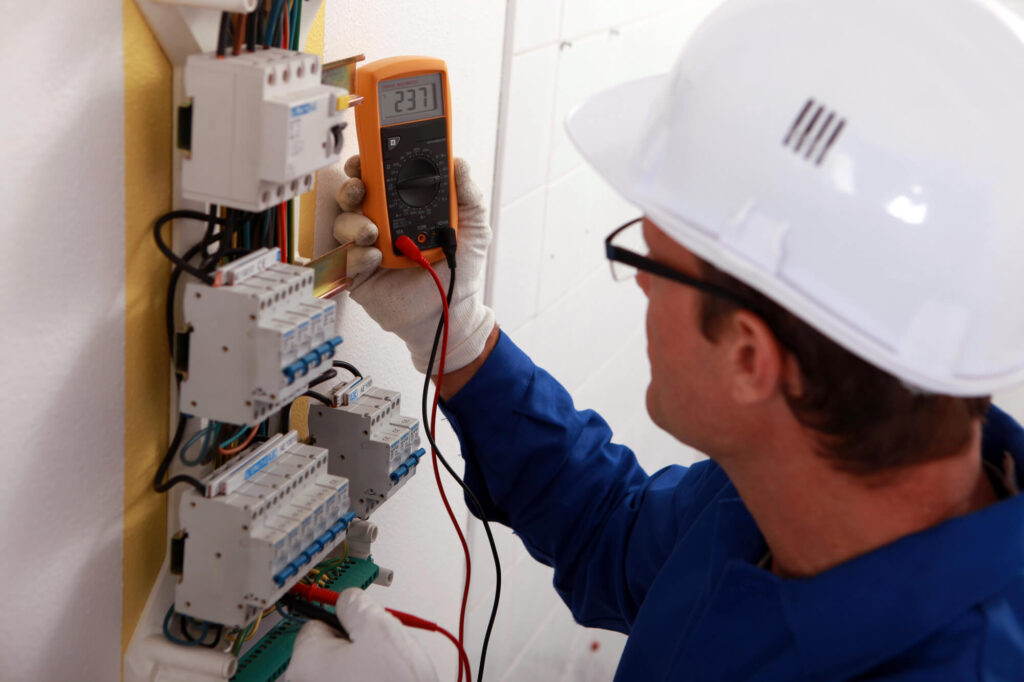
The electrician inspects the main electrical panel, including the condition of breakers, wiring inside the panel, service entrance conductors, grounding, and bonding. They check for double-tapped breakers, signs of overheating, corrosion, and the overall adequacy of the service amperage for your home’s current and anticipated needs.
Outlets, Switches, and Fixtures
All accessible outlets and switches are tested for proper wiring polarity, grounding, and GFCI protection where required (kitchens, bathrooms, garages, outdoor areas, and basements). The electrician checks for outlets that are warm to the touch, damaged, or showing signs of arcing. Fixtures are checked for secure mounting and appropriate wattage capacity.
Typical Cost of a Home Electrical Safety Check
Costs vary by region, home size, and the scope of the inspection, but there are reasonable benchmarks to guide your expectations.
Standard Home (Up to 2,000 sq ft)
For a typical single-family home up to about 2,000 square feet, expect to pay $100–$200 for a standard electrical safety inspection. This covers a thorough visual inspection and testing of the panel, outlets, switches, and visible wiring. Some electricians price their inspections as a flat fee; others charge by the hour at their standard rate (typically $75–$150 per hour in most US markets).
Larger Homes (2,000–4,000+ sq ft)
Larger homes with more circuits, outlets, and panel positions take longer to inspect thoroughly. Expect to pay $200–$400 for homes in the 2,000–4,000 square foot range, and potentially more for large homes with complex systems, multiple panels, or outbuildings. Some electricians offer flat-rate inspection packages for specific home sizes.
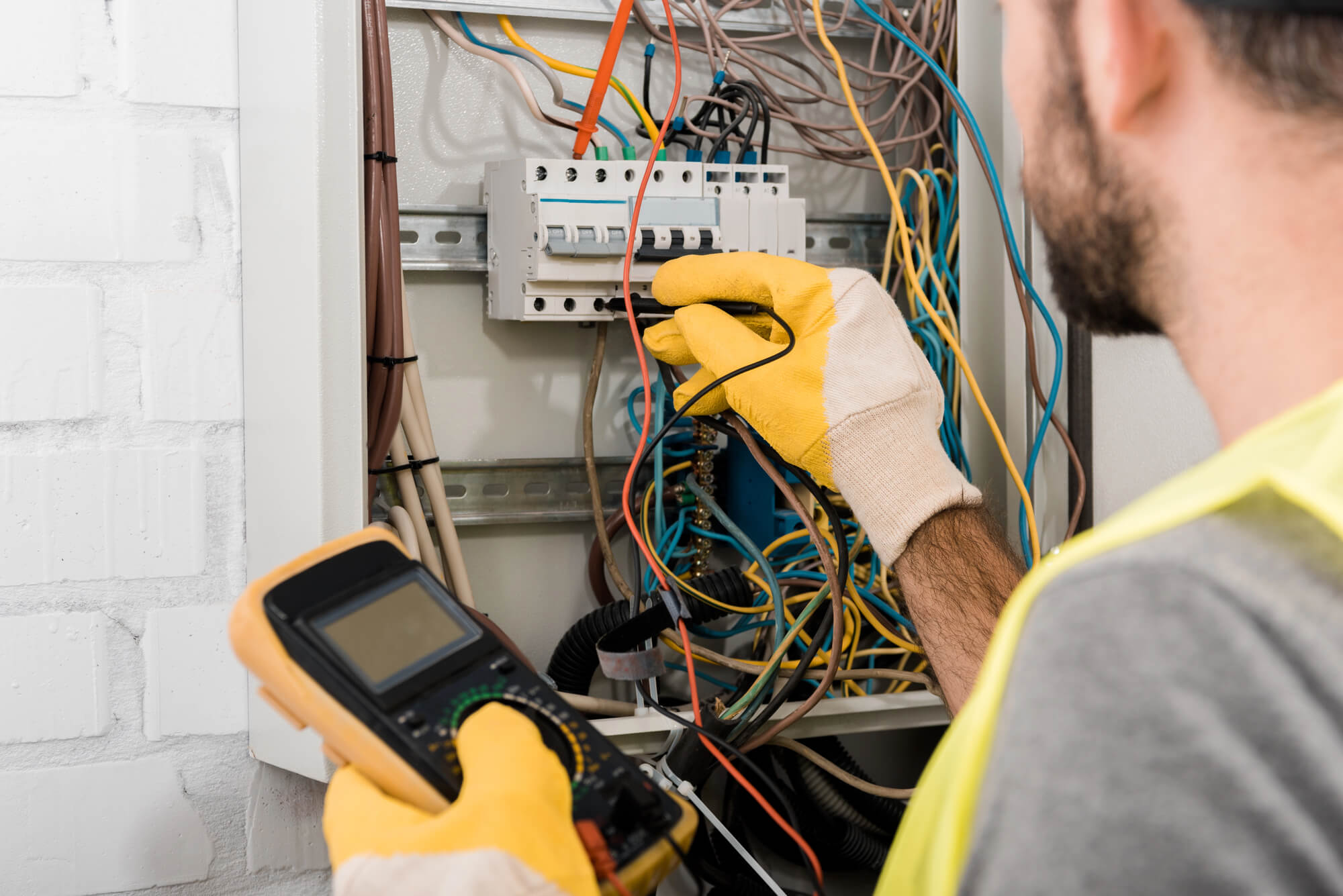
An electrical safety check is a small investment that can prevent major problems. Our inspection team provides thorough assessments at competitive prices.
What Affects the Cost of an Electrical Inspection
Several factors push the cost of an electrical safety check higher or lower than these benchmarks.
Age of the Home
Older homes (pre-1980) often require more thorough inspection due to the likelihood of outdated wiring, aging panels, and systems that don’t meet modern code. An inspector who needs to assess knob-and-tube wiring, aluminum branch circuits, or a suspect panel brand will spend more time and may charge accordingly.
Additional Testing Services
Some electricians offer enhanced inspection services that go beyond visual inspection and basic testing — thermal imaging to detect hotspots in wiring and connections, load testing, insulation resistance testing, and detailed written reports with photographs. These add to the base inspection cost but provide much more comprehensive assessment. Thermal imaging inspections typically add $100–$250 to the base cost.
Geographic Location
Labor rates vary significantly across the US. Expect to pay toward the higher end of ranges in major metropolitan areas (New York, San Francisco, Boston) and the lower end in smaller markets. Regional cost of living accounts for much of this variation.
Cost vs. Value: Is an Electrical Inspection Worth It?
The average US house fire caused by electrical failure results in $30,000–$50,000 in damages, according to the NFPA. The average electrical safety inspection costs $150–$300. The return on investment from catching a single significant hazard — a loose connection prone to arcing, an overheating panel, aluminum wiring with failing terminations — is substantial. Most homeowners who’ve had an inspection find the peace of mind alone worth the cost.
Frequently Asked Questions
Is an electrical safety check the same as a permit inspection?
No. A permit inspection is a mandatory review by a local building department inspector after permitted electrical work — your electrician arranges it. An electrical safety check is a voluntary assessment you can schedule any time through a private licensed electrician. Both serve important but different purposes.
Can I get an electrical safety check for free?
Some utility companies and local fire departments offer free or subsidized home electrical safety checks, particularly in older neighborhoods or as part of community safety programs. Check with your utility company and local fire department about available programs before paying for a private inspection.
What happens after the safety check — do I have to fix everything?
The inspection report typically categorizes findings by severity: immediate safety hazards, items to address within the near term, and long-term recommendations. You are not legally required to fix items from a voluntary safety inspection, but addressing identified hazards is strongly advisable from a safety and insurance standpoint.
Does homeowner’s insurance cover the cost of electrical safety checks?
Generally, no. Standard homeowner’s insurance does not cover routine maintenance inspections. However, the cost of fixing problems identified during inspection — if those problems lead to a covered event like a fire — would typically be covered subject to your policy terms.
How do I find a reputable electrician to perform a safety check?
Look for a licensed electrician in your state with experience performing safety inspections (not just installation work). Ask for references, check online reviews, and verify their license with your state licensing board. Electricians who are members of professional organizations like the Independent Electrical Contractors (IEC) or National Electrical Contractors Association (NECA) are often a reliable choice.