
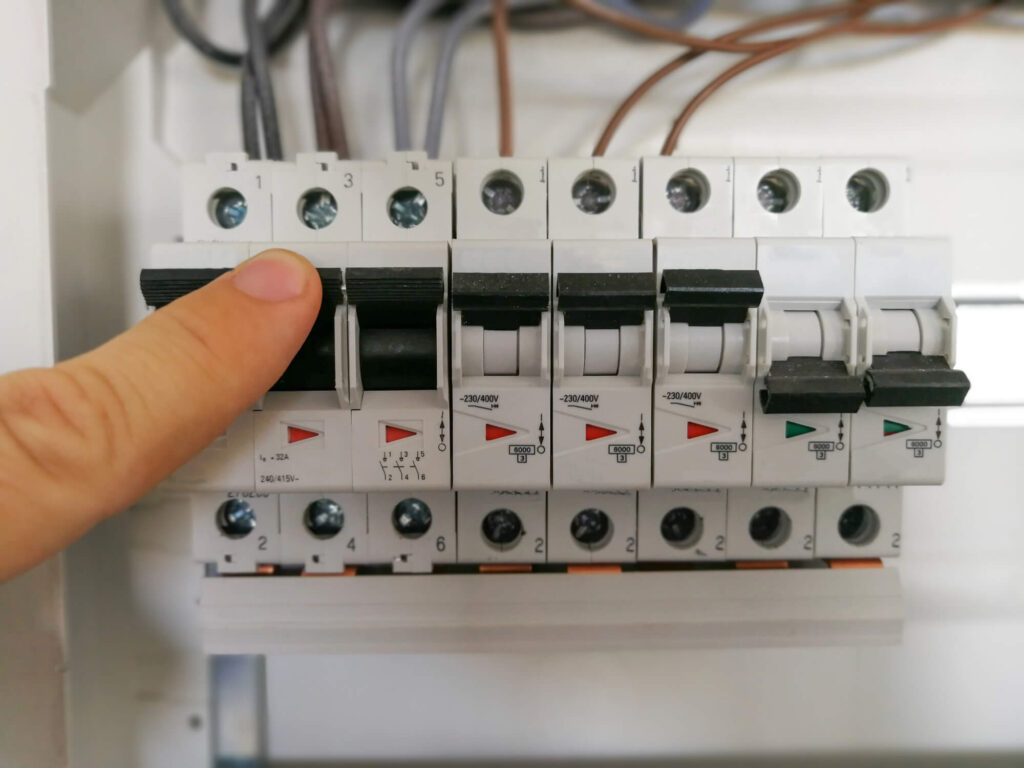
If you own a generator — or are considering one — you’ve likely encountered the term “transfer switch.” A transfer switch is not optional; it’s the critical safety device that allows you to connect a generator to your home’s electrical system without endangering utility workers or damaging your home. Understanding how it works helps you make better decisions about your generator setup.
Contents
⚡ Key Takeaways
- A transfer switch is an electrical device installed between your home’s electrical panel and either the utility grid or your generator.
- There are several types of transfer switches, each suited to different generator configurations and household needs.
- A generator interlock kit is a mechanical device added to your existing electrical panel that prevents the main breaker and the generator inlet breaker from being on at the same time.
What Is a Transfer Switch?
A transfer switch is an electrical device installed between your home’s electrical panel and either the utility grid or your generator. Its fundamental job is to ensure that your home is connected to only one power source at a time — never both simultaneously. This prevents the phenomenon known as backfeeding, which occurs when generator power flows backward through your electrical system and onto the utility lines outside your home.
Why Backfeeding Is Dangerous
When a generator backfeeds onto utility lines, it energizes those lines even though the utility company has opened the circuit to make repairs safe. A utility worker working on what they believe is a de-energized line can be electrocuted. Additionally, when utility power returns, the voltage difference between utility and generator power can damage your generator, damage connected appliances, and create hazardous conditions. Transfer switches physically isolate the two power sources, making backfeeding mechanically impossible.
Types of Transfer Switches
There are several types of transfer switches, each suited to different generator configurations and household needs.
Manual Transfer Switches
A manual transfer switch is used with portable generators. It’s wired into your electrical panel and gives you a set of circuit breakers (typically 6–10) for essential circuits — refrigerator, sump pump, lights, furnace, and so on. When an outage occurs, you start your generator, connect it to the transfer switch inlet box via a generator cord, and then flip the transfer switch from “utility” to “generator.” When utility power returns, you flip it back and disconnect the generator.
Automatic Transfer Switches
An automatic transfer switch (ATS) is used with standby generators. It continuously monitors utility voltage and frequency. When it detects that utility power has dropped below acceptable parameters, it signals the generator to start. Once the generator reaches proper voltage and frequency (typically within 10–30 seconds), the ATS opens the utility connection and closes the generator connection — restoring power to the home automatically. When utility power returns and stabilizes, the ATS reverses the process and shuts the generator down after a cooldown period.
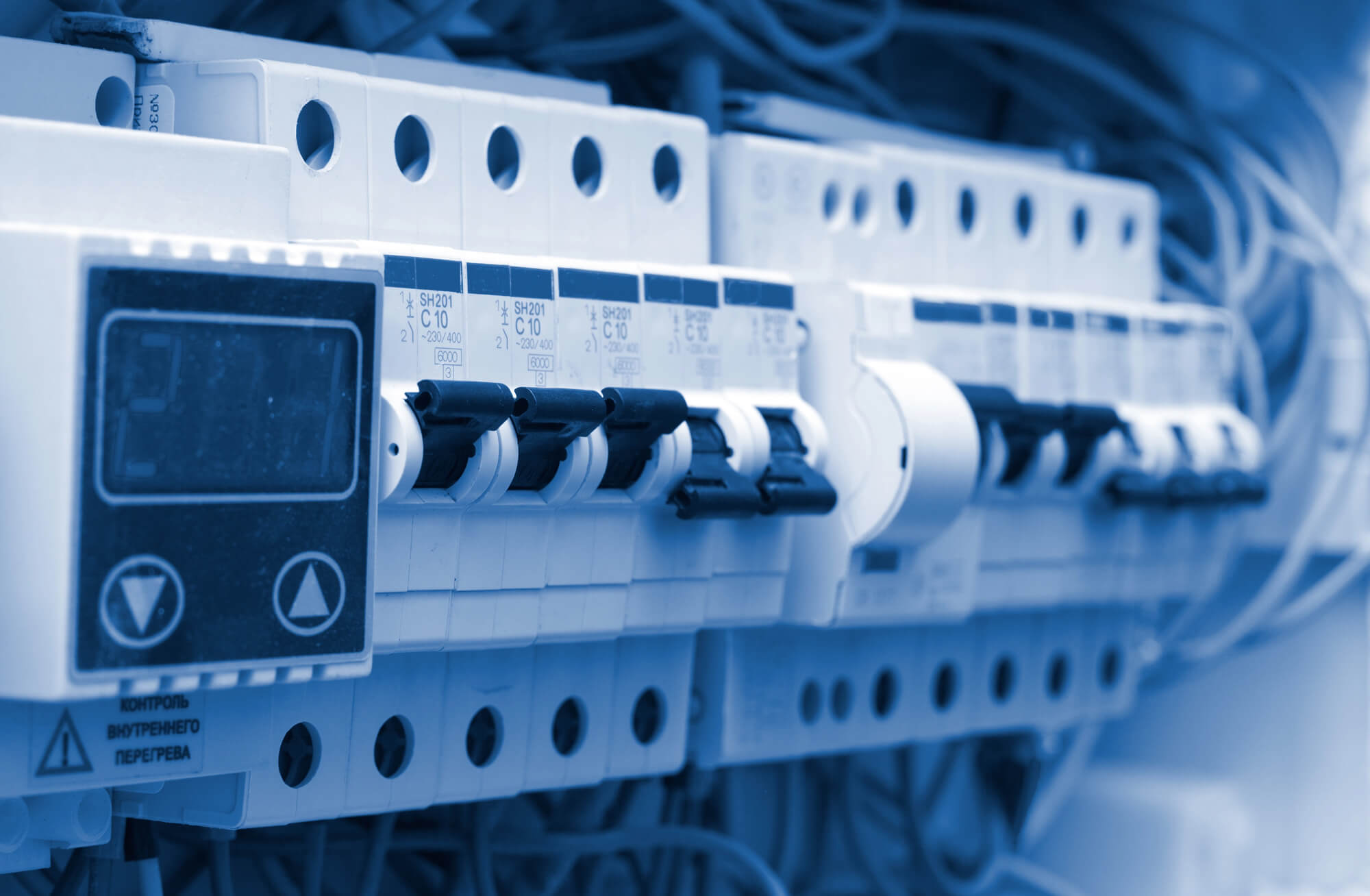
A properly installed transfer switch is critical for safe generator use. Our licensed electricians can install a manual or automatic transfer switch that meets all local codes.
Generator Interlock Kits: An Alternative to Manual Transfer Switches
A generator interlock kit is a mechanical device added to your existing electrical panel that prevents the main breaker and the generator inlet breaker from being on at the same time. This provides the same safety as a manual transfer switch (preventing backfeeding) at lower cost, but allows you to select which circuits to power using your panel’s existing breakers rather than a separate transfer switch panel.
Interlock Kit vs. Transfer Switch
Interlock kits cost less than dedicated manual transfer switches and allow you to power any circuit in the panel (up to the generator’s capacity). Transfer switches are more organized — they have a dedicated set of essential circuits that are pre-selected and clearly labeled. Both are code-compliant when properly installed by a licensed electrician. Your electrician can recommend the best option based on your panel type and generator configuration.
How Transfer Switches Are Installed
Transfer switch installation must be performed by a licensed electrician and requires a permit in virtually every jurisdiction. The process involves mounting the transfer switch near the main panel, running appropriate wiring between the switch and panel, installing a generator inlet box on the exterior of the home, and testing the complete system to confirm proper operation.
What to Expect During Installation
Installation typically takes 4–8 hours for a manual transfer switch or 1–2 days for an automatic transfer switch installation with a standby generator. You’ll experience a brief planned power interruption while the electrician works in the panel. After installation, your electrician will walk you through the proper operating procedure and ensure you understand how to safely connect and disconnect your generator.
Frequently Asked Questions
Can I install a transfer switch myself?
No. Transfer switch installation requires a licensed electrician and a permit. Work inside electrical panels involves live conductors and requires professional expertise to do safely. Improper installation can create backfeeding hazards, fire risks, and code violations that void your homeowner’s insurance.
How much does a transfer switch cost?
Manual transfer switches typically cost $200–$600 for the switch itself, plus $300–$800 for professional installation. Generator interlock kits cost $50–$150 plus similar installation labor. Automatic transfer switches for standby generators are typically included in the standby generator installation package, adding $500–$1,500 to the overall project cost.
Do I need a whole-panel transfer switch or a partial one?
A whole-panel transfer switch connects all circuits to generator power. This requires a generator sized for your full home load. A partial transfer switch connects only selected essential circuits, which is more practical for most portable generator setups. Your electrician can help you select the essential circuits most important for your household.
Will a transfer switch work with any generator?
Transfer switches are compatible with generators of appropriate size. When selecting a manual transfer switch, ensure the switch is rated for the output amperage of your generator. Automatic transfer switches must be matched to the standby generator system — your generator installer will ensure compatibility.
Is a transfer switch required by code?
Yes. The National Electrical Code requires a means of disconnecting the generator from the utility before the generator can supply power to the home. This is achieved by a transfer switch or interlock kit. Operating a generator connected to home circuits without a proper transfer device is a code violation in every jurisdiction.