
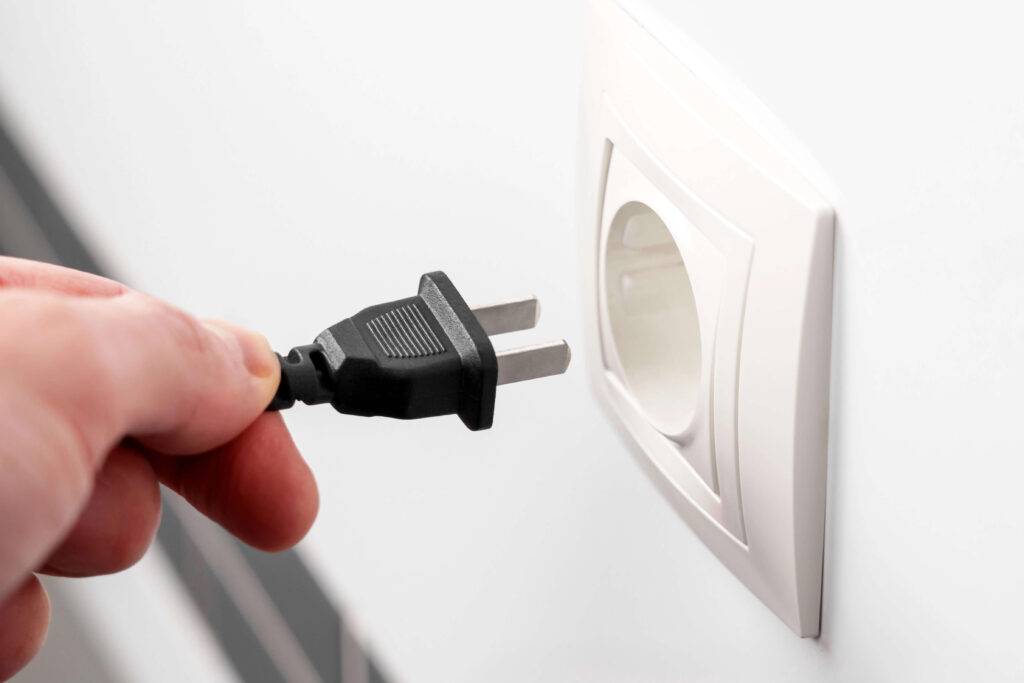
Extension cords are everywhere in modern homes — tucked behind furniture, run under rugs, daisy-chained across rooms. Most people think nothing of it. But electricians consistently flag permanent extension cord use as one of the most common and underappreciated fire hazards in UK and US homes.
⚡ Key Takeaways
- Extension cords are designed for temporary use only — they are not a substitute for fixed wiring.
- Using an extension cord under a rug, through a wall, or permanently is a fire hazard.
- The correct solution is to have a qualified electrician install additional fixed outlets.
Why Extension Cords Are Not Designed for Permanent Use
Extension cords are rated for temporary, intermittent use. They don’t have the thermal protection or mechanical protection of fixed wiring. Over time, the insulation degrades, connections loosen, and the cord becomes a fire risk. A standard extension cord was never designed to be permanently loaded.
The UK’s Electrical Safety First charity and the U.S. National Fire Protection Association both identify extension cord misuse as a significant contributor to home electrical fires.
The Most Dangerous Extension Cord Habits
Running Cords Under Rugs or Carpet
Heat from an extension cord under a rug cannot dissipate. The carpet acts as insulation, allowing the cord to overheat. Foot traffic also damages insulation over time, creating a short circuit risk.
Daisy-Chaining Multiple Extension Cords
Connecting one extension cord to another is explicitly against most manufacturers’ guidance. The total current draw can exceed what either cord is rated for, causing overheating at the connection point.
Running Through Walls or Doorframes
Extension cords run through walls or pinched in doorframes suffer mechanical damage to their insulation. This creates short circuit points that can ignite surrounding material.
Using Indoor Cords Outdoors
Indoor extension cords have thinner insulation not rated for moisture exposure. Using them outdoors risks shock or fire, particularly in wet conditions.
Overloading a Single Cord
Plugging multiple high-wattage appliances into one extension cord — especially via multi-plug adaptors — often exceeds the cord’s rated capacity. Check the cord’s amperage rating against the total load connected to it.
The Right Solution: Install a Fixed Outlet
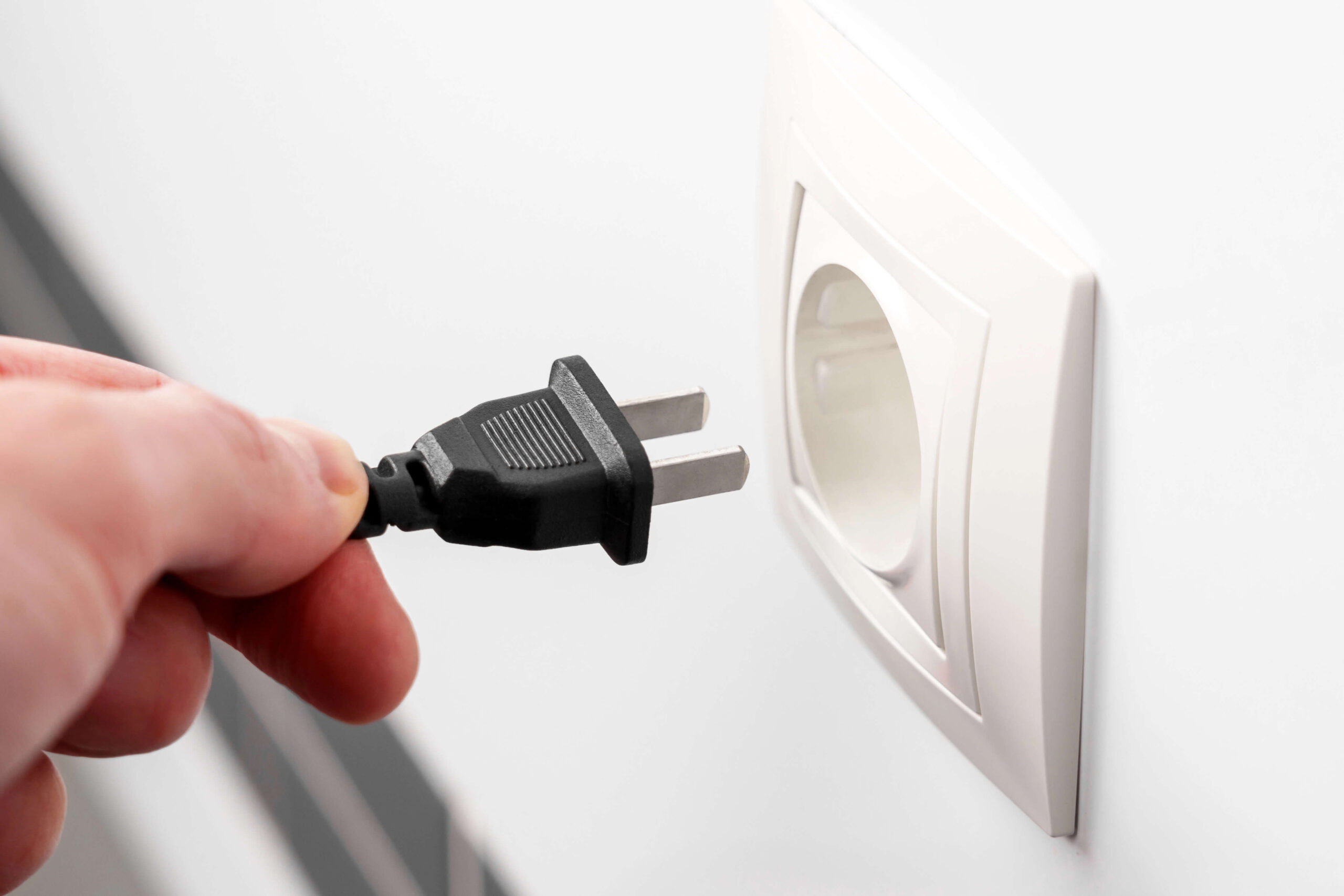
If you find yourself relying on an extension cord permanently, the correct solution is to have a qualified electrician install an additional fixed outlet at the location you need it. In the UK, adding a new socket requires notification under Part P building regulations (or an approved electrician to self-certify). In the US, a permit may be required. The cost to add an outlet to a room is typically $150–$300 — a modest investment that eliminates an ongoing fire risk.
Need more outlets added safely? Our qualified electricians can install new fixed sockets throughout your home.
When Is an Extension Cord OK to Use?
Extension cords are fine for genuinely temporary purposes — powering a lamp during a party, using a power tool for a weekend project, or running a device while waiting for a permanent outlet to be installed. The key word is “temporary.” Once the need becomes ongoing, a fixed outlet is the right solution.
Why Permanent Extension Cord Use Is Prohibited by Code
The National Electrical Code (NEC) Section 400.8 explicitly prohibits extension cords from being used as permanent wiring. Extension cords are manufactured for temporary, intermittent use. They lack the durability of fixed wiring — their insulation is thinner, their connections aren’t designed for continuous current flow, and they can’t be safely concealed in walls.
The Fire Hazard of Long-Term Extension Cord Use
When an extension cord carries current continuously, heat builds in the cord, connections, and wherever the cord is compressed, bent, or run under a rug or carpet. Cords under rugs are particularly dangerous — you can’t see the degradation happening and the carpet prevents heat dissipation. The NFPA reports that extension cords are involved in about 4,700 home fires annually, resulting in 50 deaths and 270 injuries. Many of these involve cords that had been in permanent use.
Safe Alternatives to Permanent Extension Cord Use
Add a New Outlet
The right solution is always to have a new outlet installed where you need it. An electrician can typically add an outlet by tapping into an existing circuit for $150–$300, depending on distance from the panel and wall type. This is permanent, safe, code-compliant, and doesn’t create a tripping hazard.
Use a Proper Power Strip (for low-load applications)
For temporary multi-device setups, a surge-protected power strip with an appropriate amp rating is safer than a basic extension cord — but still not a permanent solution. Power strips should not be daisy-chained.
In-Wall Cable Management
For TV and media setups, in-wall cable management kits allow you to run low-voltage cables (HDMI, USB) inside walls legally. These still require a proper outlet for power — they don’t replace wiring.
Safe Practices for Extension Cord Use
While permanent extension cord installations are not recommended, there are situations where temporary cord use is acceptable if proper safety measures are followed. Understanding these guidelines prevents fires and electrical hazards while you plan a permanent solution.
If you must use an extension cord temporarily, follow these safety rules: Use a cord rated for the amperage of the equipment being powered. A cord rated for 10 amps is unsafe with 15-amp or 20-amp equipment. Keep cords away from high-traffic areas where they might be damaged by foot traffic or pinched under furniture. Never run extension cords under carpets or through doorways where crushing or insulation damage is likely. Inspect the cord regularly for damage—cuts, fraying, or discoloration indicate the cord is unsafe and should be replaced immediately.
Always use a cord with ground connection (three-prong) for any equipment with a grounded plug, and never use an adapter to plug a three-prong cord into a two-prong outlet. These adapters defeat the safety purpose of grounding. Additionally, use cords rated for the environment—outdoor-rated cords (with “W” in the rating, indicating “weather-resistant”) must be used for any exterior applications, even temporarily. Indoor cords used outdoors break down quickly from UV exposure and moisture, creating electrical hazards. If you find yourself needing an extension cord regularly for an appliance or tool, that situation has evolved from temporary to permanent—and it’s time to contact an electrician about installing a proper outlet.
Frequently Asked Questions
Are power strips safer than extension cords for permanent use?
Surge-protected power strips are somewhat better — they protect equipment from voltage spikes and some have overload protection. However, they are still not a substitute for fixed wiring and should not be considered a permanent solution for powering high-draw appliances.
Is it illegal to use extension cords permanently?
In the UK, using extension cords as permanent wiring is not directly illegal, but any wiring work that is notifiable under Part P must comply with building regulations. In rental properties, landlords are legally required to ensure electrical safety — and permanent extension cord use could constitute a hazard under an EICR. In the US, local electrical codes generally prohibit extension cords as a substitute for fixed wiring.
How can I tell if an extension cord is overloaded?
Warning signs include the cord feeling warm or hot to the touch, the plug or adaptor getting hot, flickering devices, or a burning smell. If any of these occur, disconnect devices immediately and have additional fixed outlets installed.