
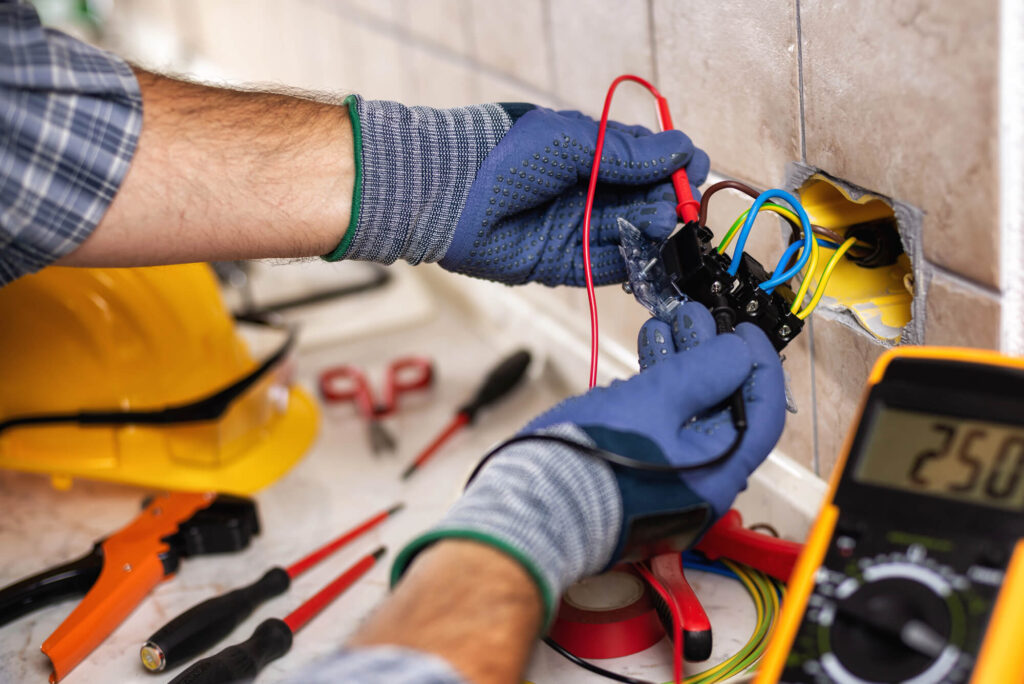
If you’re dealing with power out in one room, it can be frustrating—especially when the rest of your home still has electricity. This type of issue is usually isolated to a specific circuit, outlet, or wiring problem, but in some cases, it can point to a more serious electrical fault.
In this guide, we’ll explain the most common causes, how to troubleshoot the problem safely, and when to call a licensed electrician.
Contents
What It Means When Power Is Out in One Room
When only one room loses power, it typically means there’s an issue with a single circuit rather than your entire electrical system. Each room or group of outlets is usually connected to a dedicated circuit controlled by a breaker.
If that circuit is interrupted—due to a trip, fault, or wiring issue—everything connected to it will stop working.
Understanding whether the issue is simple or more complex is key to restoring power safely.
Common Causes of Power Out in One Room
- Tripped circuit breaker: The most common cause, often due to overload or short circuit.
- Tripped GFCI outlet: Ground fault outlets can shut off power to other outlets downstream.
- Loose wiring: Poor connections can interrupt power flow.
- Faulty outlet or switch: A single failed component can disrupt the entire circuit.
- Blown fuse: In older homes, fuses may need replacing.
- Damaged wiring: Physical damage or wear can break the circuit.
- Overloaded circuit: Too many devices drawing power at once.
Warning Signs of a Serious Electrical Problem
While many cases are simple to fix, these warning signs may indicate a more serious issue:
- Burning smell or melted plastic odor
- Sparks or buzzing sounds from outlets
- Warm or hot outlets and switches
- Power repeatedly cuts out after resetting
- Lights flicker before losing power
- Circuit breaker trips immediately after reset
If you notice any of these symptoms, stop troubleshooting and contact a professional electrician immediately.
Troubleshooting Power Out in One Room
If the power is out in one room, follow these steps to identify the issue:
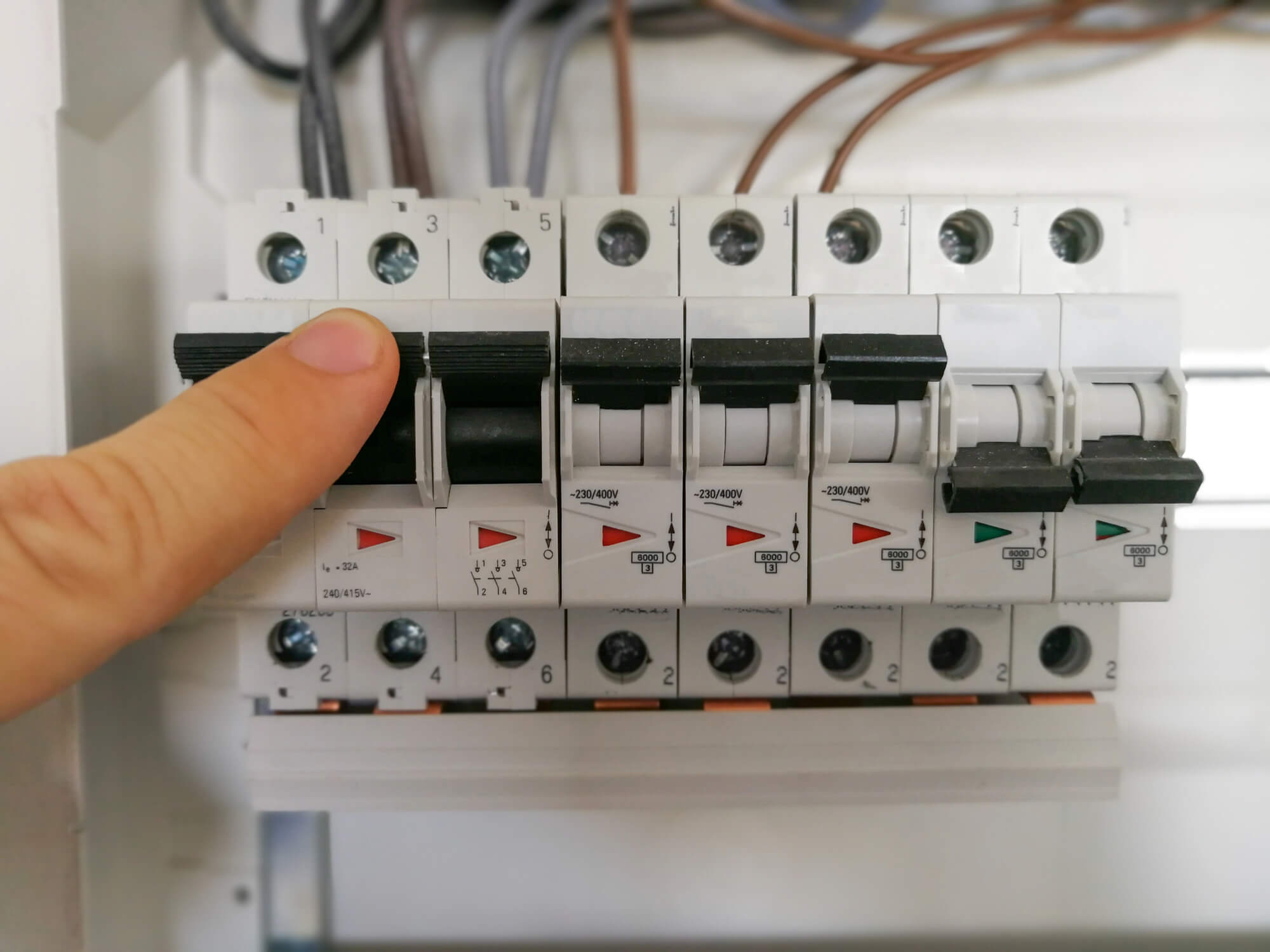
1. Check the Circuit Breaker
Go to your electrical panel and look for a tripped breaker. Reset it by turning it off and then back on.
2. Inspect GFCI Outlets
Look for GFCI outlets in the affected room or nearby areas (kitchen, bathroom, garage) and press the reset button.
3. Unplug Devices
Disconnect appliances and devices in the room, then reset the breaker again to see if the issue resolves.
4. Test Other Outlets
Check if some outlets still work while others don’t. This can help locate the problem area.
5. Check Light Switches
Some outlets are controlled by wall switches—make sure they are turned on.
6. Look for Visible Damage
Inspect outlets and switches for burn marks, looseness, or discoloration.
7. Monitor the Issue
If power returns but fails again, there may be an underlying wiring or circuit issue.
If these steps don’t restore power, professional inspection is recommended.
How to Prevent Power Loss in One Room
- Avoid overloading circuits: Spread devices across multiple outlets.
- Use surge protectors: Protect circuits from sudden spikes.
- Upgrade outdated wiring: Modern systems handle higher demand.
- Replace faulty outlets and switches: Prevent future interruptions.
- Schedule regular inspections: Identify issues before they worsen.
Electrical Repair Costs
The cost to fix power loss in one room depends on the cause:
- Resetting breaker or GFCI: Free – $100
- Replacing outlet or switch: $100 – $300
- Fixing loose wiring: $150 – $500
- Diagnosing circuit issues: $150 – $400
- Electrical panel repairs: $500 – $2,000
Most issues are relatively affordable to fix, especially when addressed early.
Frequently Asked Questions
Why did power go out in just one room?
This is usually caused by a tripped breaker, GFCI outlet, or a fault within a specific circuit.
How do I reset power in one room?
Check your breaker panel and reset any tripped breakers, then reset any nearby GFCI outlets.
Why does my breaker keep tripping in one room?
This could be due to an overloaded circuit, faulty wiring, or a malfunctioning appliance.
Why does my house smell like burning plastic?
Burning plastic smells often occur when wire insulation overheats or melts due to electrical overloads, loose connections, or faulty appliances.
Get Professional Help Today
If your power is out in one room and you can’t find the cause, don’t ignore it. Electrical issues can escalate quickly and lead to more serious problems if left unresolved.
A licensed electrician can diagnose the issue, restore power safely, and ensure your electrical system is functioning properly.