
If you’re experiencing frequent power surges in house, it’s more than just an inconvenience—it can damage your electronics and signal a serious electrical issue. Power surges are sudden increases in voltage that can stress or destroy appliances, wiring, and sensitive devices.
In this guide, we’ll explain what causes power surges, how to identify warning signs, how to troubleshoot the issue, and what steps you can take to fix and prevent them.
⚡ Key Takeaways
- A power surge occurs when the electrical voltage flowing through your home spikes above the normal level.
- Faulty appliances: Damaged or aging appliances can disrupt electrical flow.
- Power surges are not always obvious, but these signs may indicate a problem:
What Is a Power Surge?
A power surge occurs when the electrical voltage flowing through your home spikes above the normal level. In the U.S., standard voltage is around 120 volts. When that level suddenly increases—even for a fraction of a second—it can damage electrical devices.
While occasional small surges are common, frequent or large surges are not normal and should be investigated.
Common Causes of Frequent Power Surges in House
- Faulty appliances: Damaged or aging appliances can disrupt electrical flow.
- Damaged wiring: Worn or loose wiring can cause inconsistent voltage.
- Overloaded circuits: Too many devices on one circuit can lead to instability.
- Power grid issues: External supply problems from your utility company.
- Lightning strikes: Rare but powerful surges caused by storms.
- Short circuits: Faults in wiring can create sudden spikes.
- Improper grounding: Lack of proper grounding increases surge risk.
Warning Signs of Frequent Power Surges
Power surges are not always obvious, but these signs may indicate a problem:
- Lights flickering or dimming unexpectedly
- Electronics resetting or shutting off
- Burning smells or overheating devices
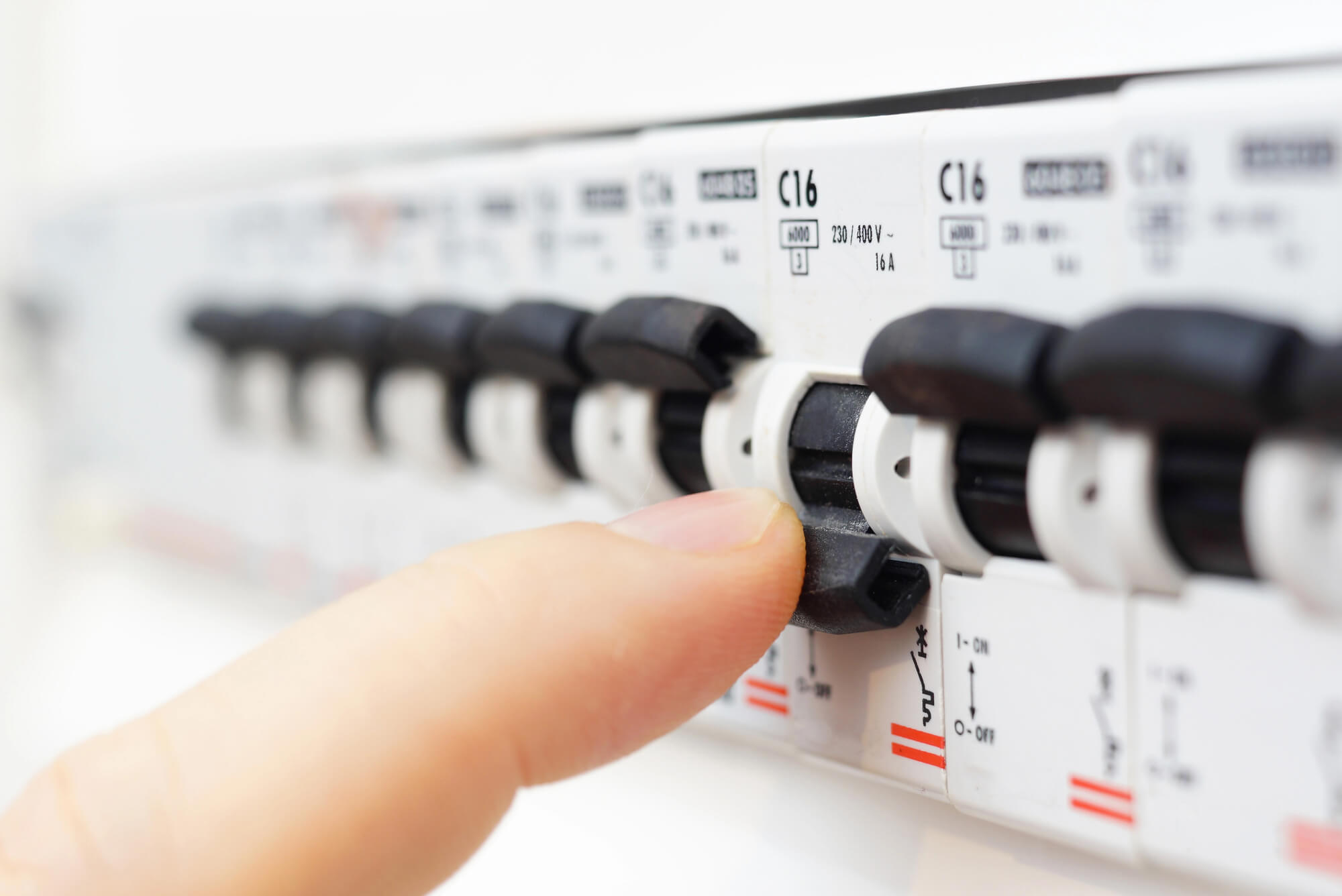
- Frequent breaker trips
- Buzzing sounds from outlets or switches
- Appliances failing prematurely
If you notice these symptoms, it’s important to identify the cause before damage worsens.
Troubleshooting Frequent Power Surges in House
If you suspect frequent power surges, follow these troubleshooting steps:
1. Unplug Sensitive Electronics
Disconnect devices like computers and TVs to protect them from further damage.
2. Identify Problem Appliances
Try unplugging large appliances one at a time to see if surges stop.
3. Check Circuit Load
Reduce the number of devices on overloaded circuits.
4. Inspect Outlets and Wiring
Look for signs of damage, such as discoloration, burning smells, or loose connections.
5. Reset Circuit Breakers
If breakers have tripped, reset them once. Repeated trips indicate a deeper issue.
6. Monitor When Surges Occur
Do surges happen when appliances start or randomly? This can help pinpoint the cause.
7. Contact Your Utility Provider
If the issue affects multiple homes, it may be related to the power supply.
If surges continue after these steps, professional inspection is essential.
Frequent power surges signal an underlying issue. Our diagnostic team can find the cause, and a panel upgrade may be the long-term solution.
How to Prevent Power Surges
- Install whole-house surge protection — the CPSC Electrical Safety Guide strongly recommends whole-home surge protection to guard appliances and electronics from voltage spikes: Protect your entire electrical system.
- Use surge protectors: Safeguard sensitive electronics.
- Upgrade wiring: Replace outdated or damaged wiring.
- Install dedicated circuits: Reduce load on shared circuits.
- Ensure proper grounding: Critical for electrical safety and stability.
Electrical Repair Costs
The cost to fix frequent power surges depends on the cause:
- Surge protector installation: $200 – $700
- Whole-house surge protection: $500 – $2,500
- Wiring repairs: $200 – $800
- Electrical inspection: $150 – $400
- Panel upgrades: $1,500 – $4,000+
Investing in surge protection and proper electrical maintenance can prevent costly damage to appliances and systems.
Understanding Power Surge Damage & Insurance Coverage
Power surges can cause hidden damage to appliances, electronics, and wiring that isn’t immediately apparent. Voltage spikes above 169 volts can degrade insulation in motors, damage solid-state components in computers and televisions, and shorten the lifespan of HVAC systems and refrigerators. Many homeowners don’t realize damage has occurred until an appliance fails months after the surge event.
Whole-home surge protectors reduce damage risk, typically costing $200–$500 installed. Point-of-use surge protectors on high-value items (home theater systems, gaming computers, network equipment) add an extra layer of protection. Document all appliance damage with photos and model numbers for insurance claims — homeowners insurance may cover surge damage if the cause is proven to be a utility-side issue (pole-mounted transformer failure, lightning strike).
Utility-Side vs. Home-Side Surge Sources & Diagnosis
Power surges originate from two sources: utility-side (power company infrastructure, downed lines, transformer switching) or home-side (faulty appliances, large inductive loads like HVAC compressors starting, loose wiring connections). Identifying the source helps determine responsibility and prevention strategy. Utility-side surges are typically one-time events affecting your whole neighborhood, while home-side surges recur if the faulty appliance or wiring isn’t fixed.
A licensed electrician can use a power quality analyzer to log voltage fluctuations over time, revealing patterns of surge events. If surges are consistent with your HVAC system cycling on, the compressor may need a soft starter upgrade ($300–$600). If they’re random, the utility may be experiencing switching transients and may agree to install a utility-side surge arrestor at no cost. Professional diagnosis typically costs $150–$300 but can save thousands in appliance replacements.
Surge Protection at the Panel Level vs. Individual Outlets
When dealing with frequent power surges, homeowners have two primary protection strategies: whole-house surge protection installed at the electrical panel, or point-of-use surge protectors plugged into individual outlets. A whole-house surge protector, installed by a licensed electrician at the main electrical panel, costs between $300–$800 and protects all connected devices simultaneously. This approach intercepts surges as they enter the home from the utility line, preventing damage before it reaches any appliance or device. Point-of-use surge protectors—standard power strips with built-in surge suppression—cost $20–$100 per unit but only protect devices connected to that specific outlet. For homes experiencing frequent surges, electricians typically recommend whole-house protection as the first line of defense, combined with surge protectors on high-value electronics like computers, televisions, and home entertainment systems. This layered approach, known as cascade protection, provides comprehensive defense against both external surges from lightning and utility issues, and internal surges from appliance switching.
Point-of-Use vs Whole-House Surge Protection: Do You Need Both?
Whole-house surge protectors (installed at the main electrical panel) and point-of-use surge protectors (power strips at individual outlets) serve different purposes and work best together. A whole-house surge protector catches large utility surges that come from the power lines—caused by lightning strikes nearby, transformer failures, or utility switching. It suppresses these big surges before they enter your home’s wiring. However, it cannot effectively suppress smaller internal surges caused by appliances in your home (like a microwave turning off, an AC compressor cycling, or a motor starting), because these surges originate inside your house and travel through your wiring at high speeds.
Point-of-use surge protectors (quality power strips with surge-suppression technology) catch these internal surges at the device level, protecting sensitive electronics like computers, TVs, and audio equipment. They cost $20–$100 each and should be used for high-value or sensitive gear. A whole-house surge protector costs $300–$700 installed and protects your entire home’s infrastructure (panel, wiring, major appliances). Neither alone is perfect; both together provide layered protection.
To implement a complete system: install a whole-house surge protector at the main panel (ask your electrician during the next service call), then use quality surge-protected power strips for computers, entertainment centers, and home office equipment. This dual approach is cost-effective and significantly reduces your risk of expensive damage from both direct lightning strikes and internal electrical transients. Many insurance companies offer discounts for whole-house surge protection, so it may pay for itself through reduced premiums over time.
Frequently Asked Questions
What causes frequent power surges in a house?
Frequent surges are often caused by faulty appliances, damaged wiring, overloaded circuits, or issues with the power supply.
Are power surges dangerous?
Yes, power surges can damage electronics, overheat wiring, and increase the risk of electrical fires.
How do I stop power surges in my home?
Install surge protection devices, reduce circuit load, and have your electrical system inspected for faults.
Why does my house smell like burning plastic?
Burning plastic smells often occur when wire insulation overheats or melts due to electrical overloads, loose connections, or faulty appliances.
Get Professional Help Today
If you’re experiencing frequent power surges in your house, don’t ignore the warning signs. Electrical issues can cause serious damage and safety risks if left unresolved.
A licensed electrician can diagnose the cause, install protective solutions, and ensure your home’s electrical system is safe and reliable.