
If your electricity bill has suddenly spiked — or been creeping up for months — there’s usually a specific cause. Some are as simple as a device left running. Others, like a faulty appliance or wiring issue, waste energy continuously and are easy to miss. This guide covers the 10 most common causes and what to do about each one.
⚡ Key Takeaways
- The most common causes of high electricity bills are high-draw appliances, vampire power, water heating, and HVAC inefficiency.
- A faulty appliance or loose connection can waste electricity continuously without being obvious.
- An energy audit or smart meter can pinpoint your biggest energy consumers.
10 Common Causes of a High Electricity Bill
1. Old or Inefficient Appliances
Older refrigerators, washing machines, tumble dryers, and dishwashers consume significantly more energy than modern A-rated equivalents. A 15-year-old fridge can use two to three times the electricity of a current model. If your appliances are ageing, replacing them with energy-efficient versions may pay for itself within a few years.
2. Electric Water Heating
Electric immersion heaters and instantaneous electric showers are among the highest-draw appliances in any home. If your immersion heater timer is set incorrectly — or left on continuously — it can account for 25–30% of your electricity bill alone.
3. Vampire Power (Standby Devices)
Devices left on standby still draw power — typically 1–10 watts each. Across a household with televisions, set-top boxes, games consoles, phone chargers, and smart speakers, standby power can account for 10–15% of electricity use. Smart plugs with scheduling can eliminate this waste.
4. Electric Heating
Portable electric heaters (oil-filled radiators, fan heaters, convectors) are expensive to run — typically 1,500–3,000 watts each. A single portable heater used 8 hours a day adds significantly to monthly bills. Checking heating controls and improving insulation is usually more cost-effective than the heater itself.
5. Tumble Dryer Use
A vented tumble dryer costs roughly 30–50p per cycle to run. Daily use across a family can add £50–100 per month. Heat pump dryers are 60–70% more energy-efficient and worth considering for heavy laundry users.
6. EV Charging
Electric vehicle charging is the single largest new electricity load most households will ever add. A 7kW home charger running for 8 hours adds 56kWh per session. If you’ve recently purchased an EV, expect your bill to increase — and consider whether off-peak (economy 7/overnight) tariffs would save money.
7. Lighting
Homes that haven’t switched to LED bulbs are still paying a significant lighting premium. A 60W incandescent used 6 hours a day costs roughly £13/year; an equivalent 8W LED costs around £1.75. Multiply this across all lamps and the saving is material.
8. A Faulty Appliance Running Continuously
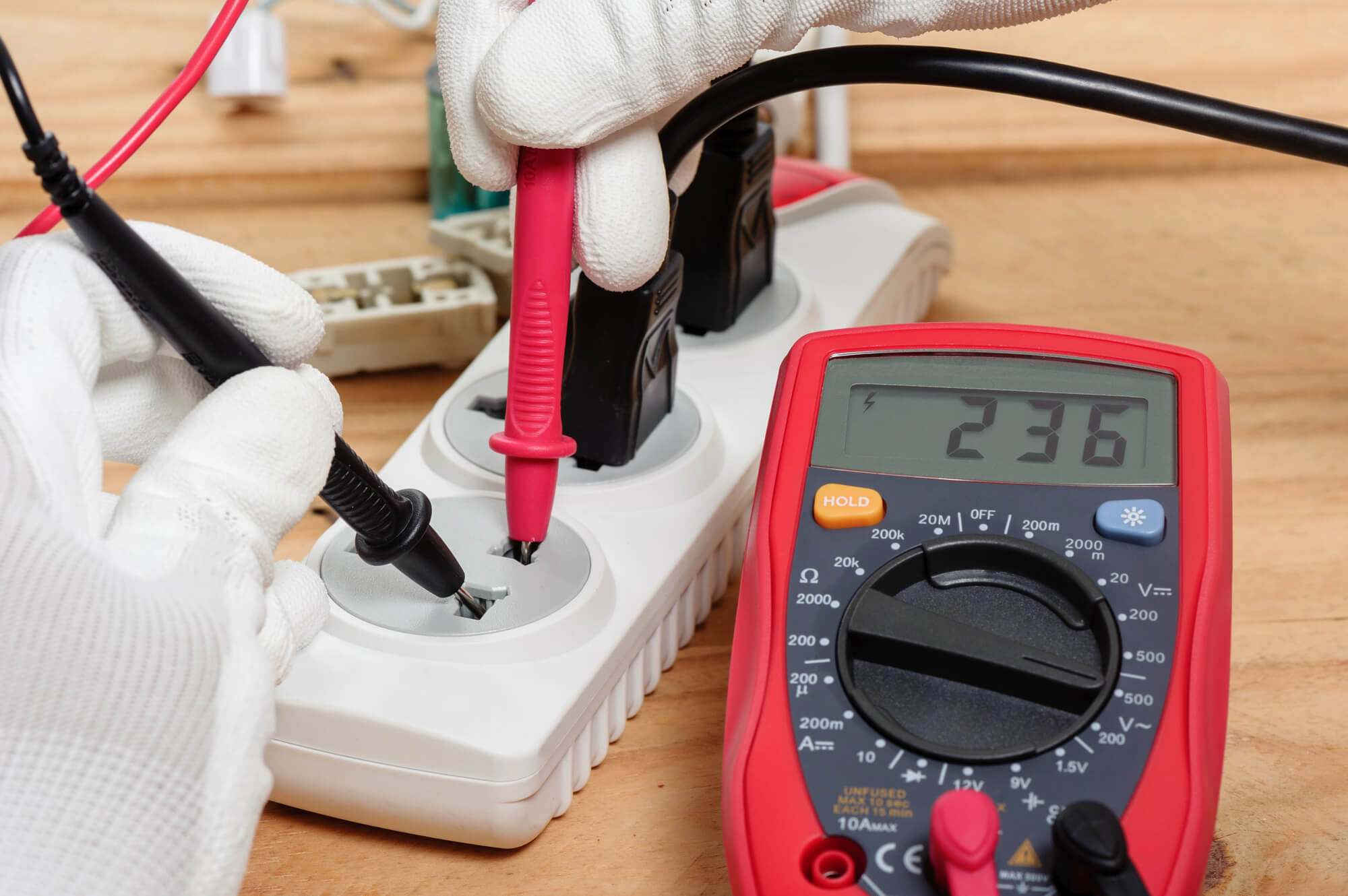
A malfunctioning fridge compressor that runs non-stop, a water heater with a failed thermostat, or an HVAC system short-cycling all waste power continuously. If your bill has jumped without a change in habits, a faulty appliance may be the cause.
9. Wiring or Meter Issues
Rarely, a faulty meter can over-read consumption. More commonly, loose connections in your wiring create resistance that wastes energy as heat. If you suspect a meter fault, your energy supplier can arrange a check. For wiring concerns, an electrical inspection can identify inefficiencies.
10. Changes in Tariff or Usage Patterns
Energy tariffs change regularly. Check whether your unit rate has increased since your last comparison. Working from home, new appliances, or extra occupants can all drive usage up without any fault in the system.
Suspecting an electrical fault is inflating your bill? Our qualified electricians can inspect and advise.
How to Find Your Energy Hogs
A smart energy monitor (clamp-on type that fits around your electricity meter) shows real-time consumption in watts and pounds. Plug-in energy monitors can measure individual appliance consumption. Your energy supplier’s smart meter app may also show hourly usage patterns that reveal when consumption spikes.
Biggest Energy Consumers in Your Home
The largest energy consumers are typically HVAC systems (heating, cooling, ventilation), water heaters, and major appliances. Air conditioning accounts for roughly 17% of home electricity use in most climates. Electric heaters, heat pumps, and space heaters are massive draws — a 5,000W space heater running continuously for 24 hours uses 120 kWh, costing $15–$25 depending on your rate. Water heaters (especially resistance heaters) are the second-largest consumer, typically 12–25% of total use. Electric dryers are 3,000–5,500W. Refrigerators, despite running constantly, use 150–800W depending on age and efficiency. Older refrigerators and freezers are major culprits in unexplained high bills.
Hidden Energy Drains: Phantom Loads and Old Appliances
Phantom loads — devices drawing power while off or in standby — collectively account for 5–10% of residential electricity use. TV boxes, computer monitors, phone chargers, microwave clocks, and networked devices all draw power continuously. Unplugging these when not in use saves money. Old appliances are also major drain sources. A refrigerator from the 1990s uses 30–50% more energy than a modern ENERGY STAR model. Older washing machines, dishwashers, and televisions are similarly inefficient. If you have ageing appliances, upgrading can reduce consumption by 20–30% for those circuits alone.
How to Audit Your Energy Use
Your utility company may provide an online portal showing hourly or daily usage. Compare consumption week to week to identify spikes. A sudden spike often correlates with a malfunctioning appliance or new usage pattern. You can also use a kill-a-watt meter (costs $10–$30) to measure power draw of individual appliances. Plug an appliance in, let it run, and the meter shows wattage and kWh consumed. This reveals which devices are the real energy hogs. Many utilities also offer free or discounted home energy audits that identify specific improvement opportunities.
Electrical Upgrades That Reduce Bills
Installing a smart thermostat ($150–$300 installed) typically saves 10–15% on heating/cooling costs. Upgrading to ENERGY STAR appliances — especially refrigerators, water heaters, and HVAC systems — offers 20–40% efficiency gains. Adding insulation to your attic improves heating/cooling efficiency. Installing LED lighting throughout reduces lighting energy use by 75–80%. For renters or those avoiding major upgrades, simple improvements like weatherstripping doors, sealing air leaks, and installing window treatments reduce HVAC strain. Upgrading your water heater to a heat pump model or tankless system can reduce water heating costs by 40–60%.
Frequently Asked Questions
Why did my electricity bill double overnight?
A sudden doubling usually points to a specific cause: a new appliance added to the home, a faulty device running continuously, a change in heating setup, or a tariff change. Check whether your unit rate has changed, identify any new energy users, and consider whether a faulty appliance (especially a water heater or fridge) may be running inefficiently.
Does a faulty electrical outlet waste electricity?
A faulty outlet with a loose connection creates electrical resistance that dissipates energy as heat — but the amount wasted is usually small compared to appliance consumption. It is, however, a fire hazard. See our guide on whether a bad outlet can cause a fire.
Can old wiring increase electricity bills?
Old wiring with deteriorated insulation or loose connections can create resistance that wastes a small amount of energy. However, the primary concern with old wiring is fire safety, not efficiency. Replacing old wiring primarily improves safety rather than dramatically reducing bills.