
Choosing between 100 amp and 200 amp electrical service is one of the most common decisions homeowners face when upgrading a panel or building a new home. The right service size determines how many appliances you can run simultaneously, whether you can add an EV charger or electric heating, and how future-proof your system will be. This guide breaks down the key differences to help you choose.
⚡ Key Takeaways
- The amp rating of your electrical service is the maximum current your home can safely draw from the utility at one time.
- 100 amp service was standard for homes built before the 1980s.
- 200 amp service is the modern standard for new construction and comfortably handles the vast majority of residential loads, including:
What Does Amp Rating Mean for Your Home?
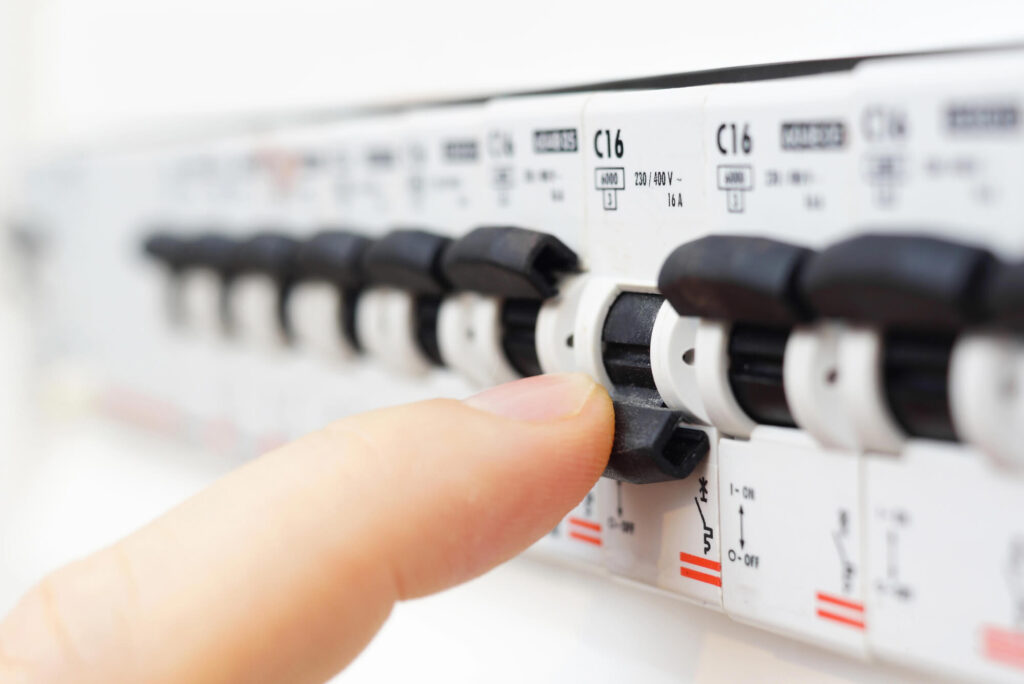
The amp rating of your electrical service is the maximum current your home can safely draw from the utility at one time. Higher amperage means more total electrical capacity. Your service size is set by the main breaker at the top of your panel — typically 100, 150, or 200 amps for most residential homes.
What 100 Amp Service Supports
100 amp service was standard for homes built before the 1980s. It works for smaller homes with modest electrical loads but struggles in modern households with multiple high-draw appliances — a gap the U.S. Department of Energy highlights as homes increasingly adopt EVs, heat pumps, and smart devices. A 100 amp panel typically supports:
- Lighting and standard outlets throughout the home
- A central air conditioning unit or electric heat (not both simultaneously at full load)
- Electric water heater or electric range (not both at full load)
- Basic kitchen and laundry appliances
100 amp service is not well-suited for homes with EV chargers, electric heating, multiple large appliances, or plans for expansion.
What 200 Amp Service Supports
200 amp service is the modern standard for new construction and comfortably handles the vast majority of residential loads, including:
- Central HVAC with electric backup heat
- Level 2 EV charger
- Electric range, dryer, and water heater simultaneously
- Home workshop or garage with power tools
- Smart home systems, pools, or hot tubs
Cost to Upgrade from 100 to 200 Amp Service
Upgrading from 100 to 200 amp service is one of the most common electrical upgrades in older homes. Typical all-in costs:
- New 200 amp panel (hardware): $300 – $800
- Electrician labor: $800 – $2,000
- Utility meter and service entrance upgrade: $200 – $500 (sometimes done by utility at no charge)
- Permits and inspection: $100 – $300
- Total typical range: $1,500 – $3,500
When 200 Amps Isn’t Enough
Very large homes, homes with multiple EV chargers, electric heating, a pool, and a workshop may need 300 or 400 amp service. A 400 amp service is typically achieved with two 200 amp panels or a single 400 amp main disconnect. Expect costs in the $3,000 – $8,000+ range for this scale of upgrade.
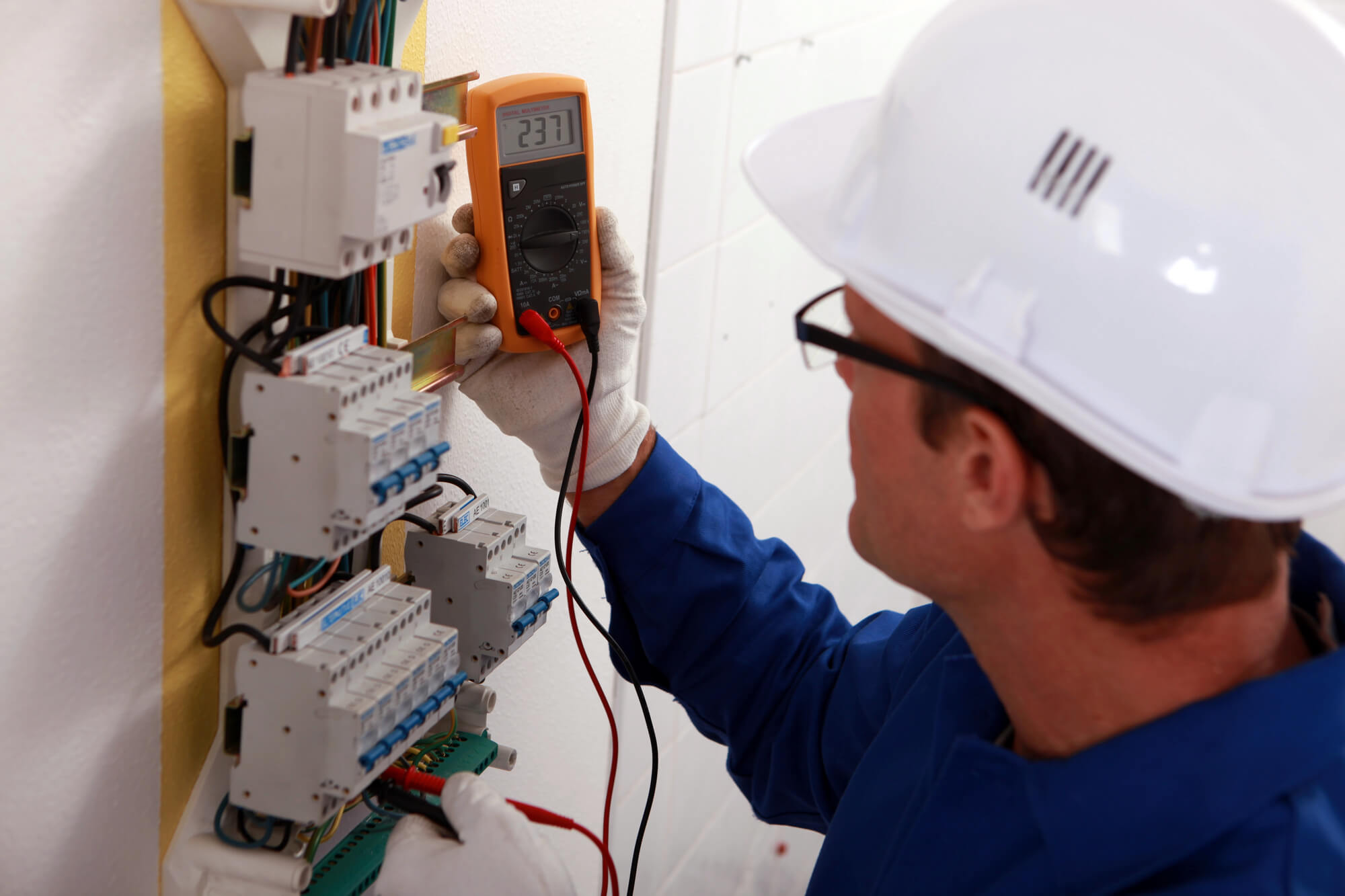
Upgrading from 100-amp to 200-amp service opens up your home’s electrical capacity. Our licensed electricians can complete the upgrade efficiently and to code.
How to Find Out Which Service You Have
Check the main breaker at the top of your electrical panel — it will be labeled with its amp rating (100A, 150A, 200A, etc.). If your panel uses fuses rather than breakers, or the label is unclear, a licensed electrician can confirm during an inspection.
How to Determine If You Need to Upgrade from 100A to 200A Service
Whether your home needs a service upgrade depends on your household size, the appliances you use, and your plans for the future. A typical 100-amp service was once standard for single-family homes but is now considered entry-level, especially in modern homes with central air conditioning, electric water heaters, and multiple entertainment systems. To estimate your actual load, add up the amperage ratings of your largest appliances: an electric water heater (4,500–5,500 watts or roughly 19–23 amps), central air conditioning (3,500–5,000 watts or 15–20 amps), electric range (5,000–14,000 watts or 21–60 amps), and electric dryer (3,000–5,000 watts or 12–20 amps). If these major appliances alone consume 60–100 amps, and you still want to run other devices like lighting, charging stations, and kitchen outlets, your 100-amp service is likely maxed out.
The National Electrical Code (NEC) recommends 200-amp service for homes larger than 3,500 square feet or homes with all-electric heating and cooking. If you plan to install an electric vehicle charger (which requires 30–50 amps) or add central heating or cooling, upgrading to 200-amp service is a proactive investment that avoids future, more expensive work. Many modern homes and all newly constructed homes in the United States are built with 200-amp service as standard. If your home is more than 20–30 years old and still running 100-amp service, an upgrade will significantly improve your home’s ability to handle modern electrical demands.
Cost and Timeline for Service Upgrades
Upgrading from 100-amp to 200-amp service is a major electrical project and requires coordination with your utility company. The total cost typically ranges from $1,500 to $3,000, though prices vary significantly based on location, the distance between your meter and the utility pole, and the condition of existing wiring. If your home’s feeder lines (the wires from the pole to your meter) are too small or degraded, the utility may charge $500–$2,000 for their portion of the upgrade. Your electrician’s labor, materials, and the new panel installation usually account for $800–$2,000 of the total cost. Budget an additional $300–$500 if your utility requires a new meter installation or if the meter is in a difficult-to-access location.
The project typically takes 1–2 days for your electrician to complete, but the utility may need to schedule their work separately, adding 1–4 weeks to the overall timeline. Before starting, obtain permits from your local building department (cost: $100–$300). The permit process ensures the work meets current NEC codes and protects your home insurance coverage — performing major electrical work without permits can void your homeowner’s insurance and create liability issues when selling your home. Once permits are obtained, the utility must cut power during their portion of the work, so coordinate with your electrician and utility company to minimize downtime. Total project duration from permit to completion is typically 4–8 weeks.
Frequently Asked Questions
Is 100 amp service enough for a modern home?
It depends on your usage. A small, all-gas home may manage on 100 amps. But any home with central HVAC, an EV charger, or electric appliances will benefit significantly from upgrading to 200 amp service.
Can I upgrade service size without replacing the panel?
In most cases, no. Upgrading from 100 to 200 amps requires a new panel and coordination with the utility company to upgrade the service entrance and meter base. Your electrician handles all coordination.
Will upgrading to 200 amps lower my electricity bill?
No — upgrading service size increases your capacity, not your consumption. Lower bills come from efficiency upgrades like LED lighting, smart thermostats, and energy-efficient appliances.
How long does a service upgrade take?
Electrical work typically takes 4–8 hours. Permit processing and utility scheduling can extend the overall timeline by days to weeks depending on your area.