
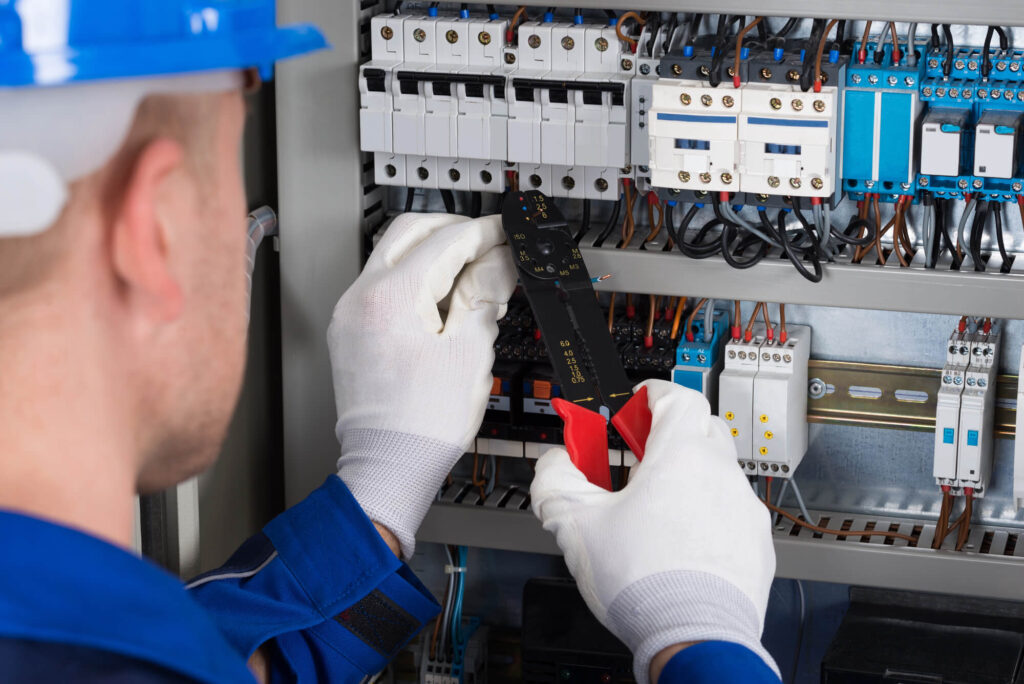
An electrical panel upgrade is one of the most important home improvement investments you can make. Also known as a service panel upgrade or breaker box replacement, this project ensures your home has the electrical capacity to safely power modern appliances, EV chargers, home additions, and smart home systems. This guide walks through the full process — from signs you need an upgrade to what to expect from installation.
⚡ Key Takeaways
- Your electrical panel (also called a breaker box or load center) is the central distribution point for all electrical circuits in your home — a system governed by standards in the National Electrical Code (NEC).
- Several warning signs indicate your electrical panel may be due for replacement:
- Panel upgrade costs vary by service size, panel brand, and local labor rates.
What Is an Electrical Panel Upgrade?
Your electrical panel (also called a breaker box or load center) is the central distribution point for all electrical circuits in your home. An upgrade involves replacing an undersized, outdated, or unsafe panel with a new one that provides greater capacity, modern safety features, and code compliance. Most older homes with 60–100 amp service are candidates for upgrading to 150 or 200 amp service.
Signs You Need a Panel Upgrade
Several warning signs indicate your electrical panel may be due for replacement:
- Circuit breakers that trip frequently under normal loads
- Lights that flicker or dim when appliances turn on
- You’re planning to add an EV charger, hot tub, or major appliance
- Your panel uses fuses rather than circuit breakers
- Your panel is a recalled brand (Federal Pacific Stab-Lok or Zinsco)
- Your home has only 60–100 amp service and you regularly run multiple high-draw appliances
- Burning smell, visible scorch marks, or heat coming from the panel
How Much Does a Panel Upgrade Cost?
Panel upgrade costs vary by service size, panel brand, and local labor rates. Typical ranges include:
- 100 to 200 amp panel upgrade: $1,500 – $3,500
- 200 amp service upgrade (utility work required): $2,000 – $5,000
- 200 to 400 amp panel upgrade (large homes): $3,000 – $8,000
- Sub-panel addition: $500 – $1,500
Most homeowners with a standard 200 amp upgrade pay $2,000 – $4,000 all-in, including labor, permits, and the new panel.
The Panel Upgrade Process
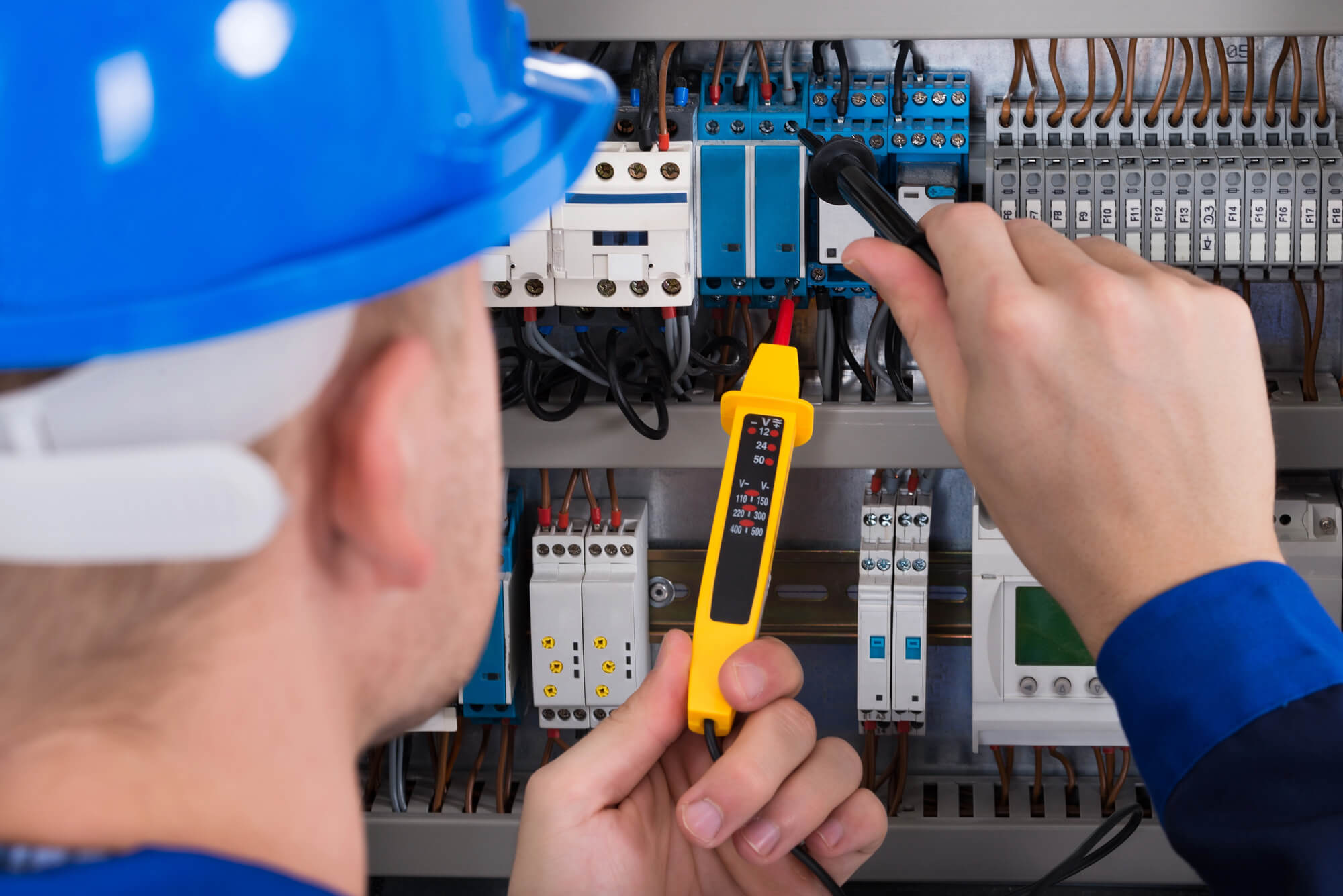
A panel upgrade typically follows these steps:
- Assessment: The electrician evaluates your current service, panel condition, and future electrical needs
- Permit application: A permit is required for all panel upgrades in virtually every jurisdiction
- Utility coordination: The utility company must disconnect power at the meter before work begins
- Panel replacement: The old panel is removed and the new panel installed and wired
- Inspection: A local building inspector must sign off before power is restored
The entire process typically takes 4–8 hours for the electrical work, though permit and utility scheduling can extend the overall timeline.
Choosing the Right Panel Size
200 amp service is the modern standard for most homes and provides sufficient capacity for central HVAC, electric appliances, and EV charging. Homes with large square footage, electric heating, multiple EV chargers, or hot tubs may require 300–400 amp service. An electrician will perform a load calculation to recommend the appropriate size for your needs.
Ready to upgrade your panel? Our panel upgrade specialists will assess your needs and handle the entire installation — from permit to final inspection.
Can I Upgrade My Panel Myself?
No. Electrical panel upgrades must be performed by a licensed electrician. The work involves the main service entrance — which remains live even when your main breaker is off — and requires coordination with your utility company. Permits and inspections are mandatory. Unlicensed work on a panel creates serious safety hazards and can void your homeowner’s insurance.
Financing & Insurance Considerations for Panel Upgrades
Electrical panel upgrades are significant investments, and homeowners have several options to finance the work. Many electric utilities offer rebate programs or low-interest loans for electrical efficiency improvements, potentially reducing upgrade costs by 10–20 percent. Some utility programs specifically target panel upgrades that enable time-of-use metering or solar panel installation. Check your local utility website or call their business development department to ask about available programs — these are often advertised only to contractors, not directly to homeowners.
Homeowners insurance may partially reimburse panel upgrades if they’re required to restore electrical safety after damage, and financing through home equity lines or personal loans can spread costs over time. Additionally, upgrading from an older 100-amp panel to 200 amps may lower homeowners insurance premiums (ask your agent for a quote after upgrading). Major renovations, new appliance additions, or solar installations sometimes make panel upgrades tax-deductible at the state or federal level — consult a tax professional to determine eligibility in your jurisdiction.
Coordinating with Contractors & Building Department Requirements
If you’re planning a kitchen remodel, adding a master suite, or installing new appliances, coordinate the panel upgrade with your general contractor. Sequencing work properly saves money — running new circuits during the panel upgrade is cheaper than adding them later. Building departments require a permit and final inspection for all panel work, and upgrades must meet current National Electrical Code (NEC) standards. Non-permitted electrical work can result in property lien violations and insurance claim denials, so always verify that your contractor obtains permits before starting.
Schedule the electrical inspection with your building department before the electrician closes up walls or covers new circuits. Final approval typically takes 2–5 business days. If you’re selling your home, disclose the panel upgrade and provide the building department’s final approval letter — this increases property value and proves compliance with code. If the panel is over 30 years old or has experienced failures, upgrades may be required for mortgage approval or insurance underwriting, making this an urgent rather than optional investment.
What to Expect the Day of Your Panel Upgrade
On the day of your electrical panel upgrade, the process typically unfolds in a structured manner. Your electrician will first coordinate with the utility company to schedule a temporary power shutoff (usually 4–8 hours). Once the main power is disconnected at the meter, the old panel is carefully removed by disconnecting all circuit wires labeled and mapped for safe reassembly. The electrician then mounts and connects the new panel, ensuring proper grounding and bonding according to NEC code. All existing circuits are reconnected to new breakers in the new panel, verified for proper amperage, and labeled to match the home’s load requirements.
The entire process typically takes 4–8 hours depending on panel size and circuit complexity. During the outage, your home will have no electrical power—plan for no refrigeration, HVAC, or electrical appliances. After reconnection, the work must pass final inspection by your local building department; the inspector will verify proper installation, grounding, bonding, and circuit labeling before approving the panel. Many electricians schedule the inspection within a day or two of installation. Once approved, your home has modern, safe electrical infrastructure and typically gains new capacity for future circuits—a critical upgrade if you’re planning EV chargers, heat pumps, or other high-draw equipment.
Frequently Asked Questions
How long does an electrical panel last?
A well-maintained electrical panel typically lasts 25–40 years. Panels from recalled manufacturers (Federal Pacific, Zinsco) should be replaced regardless of age due to known safety defects.
Will the power be off during the upgrade?
Yes. Your power will be off for most of the installation day — typically 4–8 hours. The utility company will disconnect and reconnect power at the meter. Your electrician will schedule this in advance.
Do I need to upgrade the meter too?
If you’re increasing service from 100 to 200 amps, the utility company will typically upgrade the meter and service entrance conductors as part of the project. Your electrician will coordinate with the utility on your behalf.
How do I know if my panel brand is recalled?
Federal Pacific Electric (Stab-Lok) and Zinsco panels are the most commonly recalled brands due to documented fire risks. Check the brand label on your panel door. If it says Federal Pacific or Zinsco, have it inspected and replaced by a licensed electrician.