
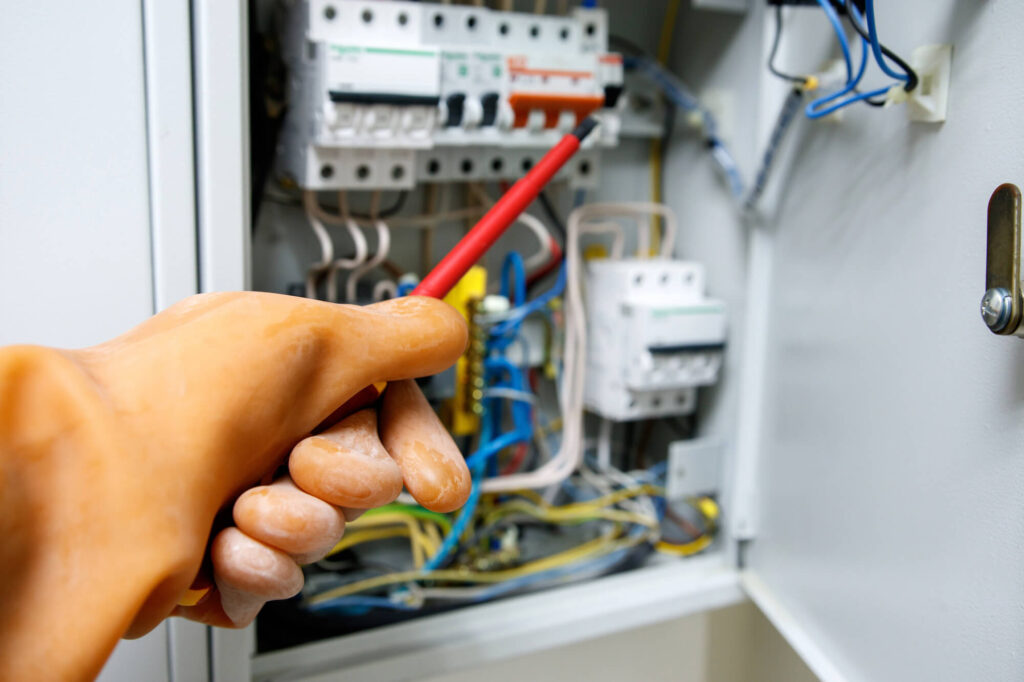
A dedicated circuit serves a single appliance or location exclusively — nothing else shares it. For high-draw appliances and sensitive equipment, dedicated circuits aren’t just convenient, they’re required by the National Electrical Code (NFPA 70). Here’s what you need to know.
⚡ Key Takeaways
- A dedicated circuit has its own breaker in the panel and serves only one outlet or appliance
- The NEC requires dedicated circuits for refrigerators, dishwashers, microwaves, HVAC, and more
- Dedicated circuits prevent nuisance trips, protect appliances, and reduce fire risk from overloaded shared circuits
- Standard dedicated circuits are 120V/20A; high-draw appliances need 240V circuits
- Adding a dedicated circuit requires a licensed electrician and permit in most jurisdictions
What Is a Dedicated Circuit?
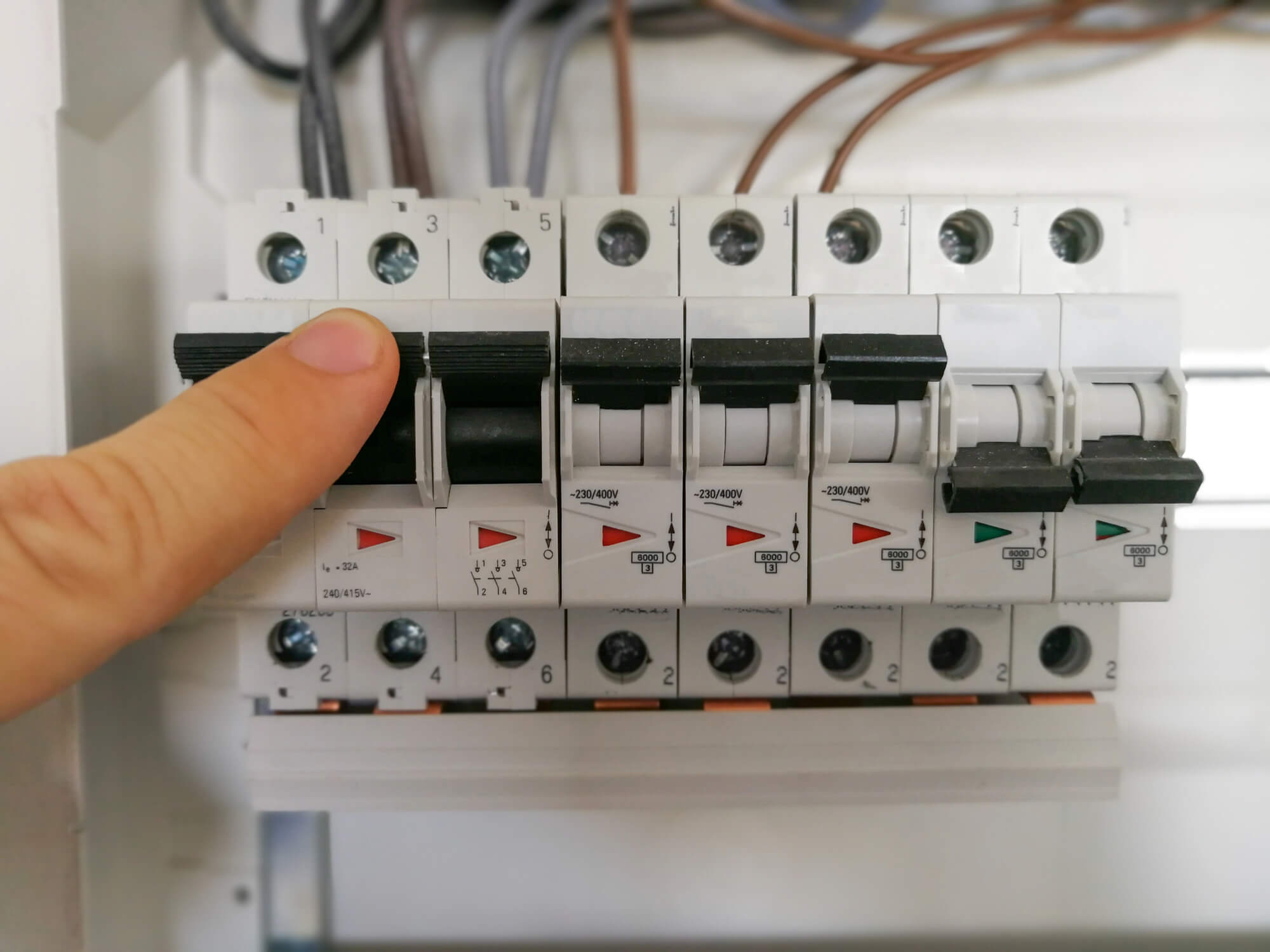
A dedicated circuit is a single electrical circuit that runs from the breaker panel directly to one specific outlet or appliance, with no other outlets or devices connected. It has its own circuit breaker and wire run — completely separate from the general-purpose circuits that serve multiple outlets throughout a room.
The key benefit: the full capacity of the circuit is always available for the single device it serves, with no risk of overload from other devices sharing the circuit.
NEC Requirements for Dedicated Circuits
The National Electrical Code (NEC) mandates dedicated circuits for these appliances:
- Refrigerators — 20A, 120V dedicated circuit
- Dishwashers — 20A, 120V dedicated circuit
- Garbage disposals — 20A, 120V dedicated circuit
- Built-in microwaves — 20A, 120V dedicated circuit
- Electric ranges and ovens — 50A, 240V dedicated circuit
- Electric clothes dryers — 30A, 240V dedicated circuit
- Electric water heaters — 30A, 240V dedicated circuit
- Washing machines — 20A, 120V dedicated circuit
- HVAC equipment — amperage varies by equipment
While not NEC-required, dedicated circuits are also strongly recommended for: home offices with multiple computers, home theater systems, workshop equipment, and Level 2 EV chargers.
Why Dedicated Circuits Matter
Prevent Tripped Breakers
When a high-draw appliance shares a circuit with other outlets, it can push the circuit over its rated capacity — tripping the breaker. A dedicated circuit ensures the appliance always has the amperage it needs.
Protect Your Appliances
Voltage fluctuations on overloaded shared circuits can damage sensitive electronics. Dedicated circuits provide stable, clean power.
Fire Safety
Overloaded shared circuits are a leading cause of residential electrical fires. Dedicated circuits limit the load on each wire, reducing the risk of overheating.
Code Compliance
Homes with missing required dedicated circuits may fail home inspection or require remediation when selling. Building to current code from the start avoids these issues.
How to Add a Dedicated Circuit
Adding a dedicated circuit requires:
- An available breaker slot in the main panel (or a panel upgrade/subpanel if full)
- Running new wire of the correct gauge from the panel to the appliance location
- Installing the appropriate outlet or appliance connection
- A permit and inspection in most jurisdictions
This work must be performed by a licensed electrician. Typical cost: $200–$500 for a 120V circuit; $300–$800 for a 240V circuit.
Shared vs. Dedicated Circuits: A Quick Comparison
- Shared general-purpose circuit: Multiple outlets on one breaker, total load shared between devices
- Dedicated circuit: One breaker, one outlet or appliance — full circuit capacity always available
For major appliances and high-draw equipment, there’s no comparison — dedicated circuits are safer, more reliable, and required by code.
Dedicated Circuits in Different Room Types: Kitchen, Bathroom, and Beyond
The National Electrical Code requires dedicated circuits for specific appliances and room types, and understanding these rules helps homeowners recognize when electrical upgrades are necessary. In kitchens, each of the two countertop appliance circuits must be a dedicated 20-amp circuit that serves no other outlets or devices—this prevents overload when multiple kitchen appliances run simultaneously. Bathrooms require a dedicated 20-amp circuit for outlets that supply power to bathroom devices, and this circuit cannot serve outlets outside the bathroom. Laundry rooms similarly require a dedicated 20-amp circuit for the washer and a separate 240-volt dedicated circuit for electric dryers. Living areas and bedrooms do not require dedicated circuits unless specified by local code, but homeowners often add dedicated circuits for entertainment systems, home offices with multiple devices, or home gyms with equipment that draws significant current. The key principle is that any permanently wired appliance drawing more than 10 amps—such as a refrigerator, water heater, or air conditioning unit—must have a dedicated circuit. Shared circuits in kitchens and bathrooms are dangerous because the cumulative load of a microwave, toaster, coffee maker, and dishwasher simultaneously running will exceed the circuit capacity, causing breakers to trip and potentially creating fire hazards if breakers are bypassed or improperly sized.
Frequently Asked Questions
Which appliances require dedicated circuits by code?
The NEC requires dedicated circuits for refrigerators, dishwashers, garbage disposals, built-in microwaves, electric ranges and ovens, clothes dryers, electric water heaters, washing machines, and HVAC equipment. Check local codes for any additional requirements in your jurisdiction.
What happens if I don’t have dedicated circuits for required appliances?
Appliances on shared circuits may trip breakers, operate inefficiently, or sustain damage from power fluctuations. Missing required dedicated circuits can also be flagged during home inspection and may require remediation before a home sale can close.
How much does it cost to add a dedicated circuit?
A 120V/20A dedicated circuit typically costs $200–$500 installed by a licensed electrician. A 240V circuit (for ranges, dryers, EV chargers) typically costs $300–$800. Costs vary based on panel distance and wall accessibility.
Can I add a dedicated circuit myself?
Adding a circuit requires working in your electrical panel, which involves serious shock hazards and requires permits in most jurisdictions. This is not a recommended DIY project. Hire a licensed electrician to safely add dedicated circuits.
Do I need a dedicated circuit for an EV charger?
Yes. A Level 2 EV charger (240V) requires a dedicated circuit — typically 50A for a NEMA 14-50 outlet or 60A for a hardwired charger. Even a Level 1 charger (120V) should have a dedicated or semi-dedicated circuit to avoid tripping breakers from sharing with other devices.