
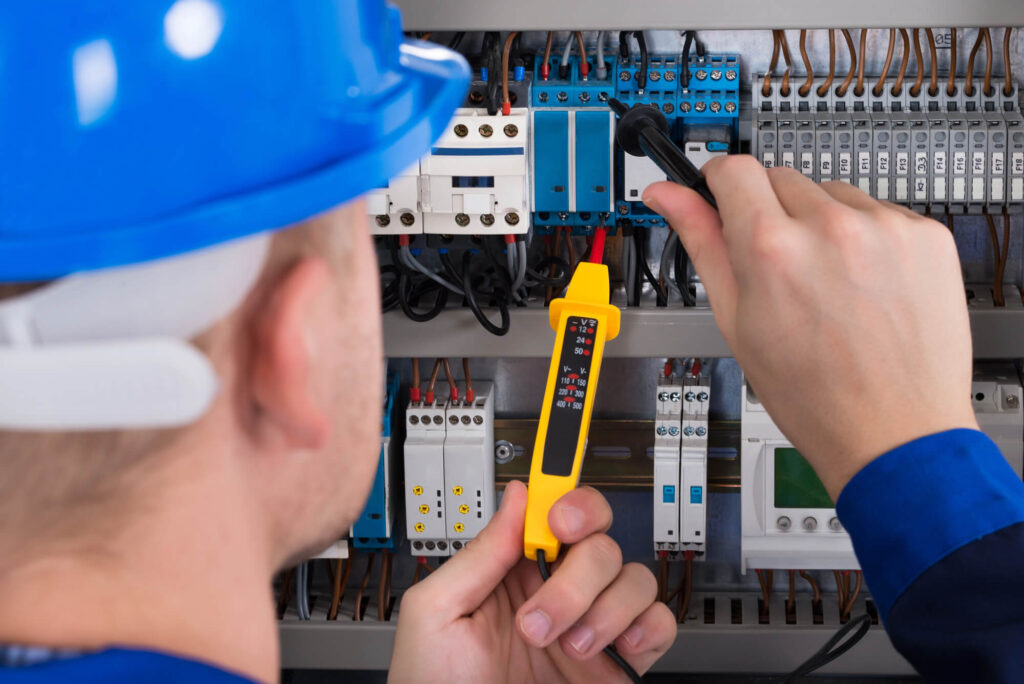
Adding a new circuit to your electrical panel is one of the most common electrical projects homeowners undertake — whether for a new appliance, EV charger, workshop, or room addition. Here’s what the process involves and why it requires a licensed electrician.
⚡ Key Takeaways
- Adding a circuit always involves working inside the electrical panel — requires a licensed electrician
- The panel must have an available breaker slot; otherwise a subpanel or panel upgrade is needed
- Circuit amperage, wire gauge, and breaker must all match — mismatches create fire hazards
- A permit and inspection are required in most jurisdictions for new circuit work
- Plan the circuit route before hiring an electrician — panel proximity and wall access affect cost significantly
When Do You Need to Add a Circuit?
Common reasons homeowners add new circuits:
- Installing a Level 2 EV charger (requires dedicated 240V circuit)
- Adding a new appliance (electric range, dryer, water heater)
- Finishing a basement or garage with outlets and lighting
- Adding a home office with dedicated power for computers
- Installing a workshop with power tools requiring dedicated circuits
- Repeatedly tripping breakers from overloaded circuits (sign that existing circuit is undersized)
The Process: How a New Circuit Gets Added
Step 1: Assess Panel Capacity
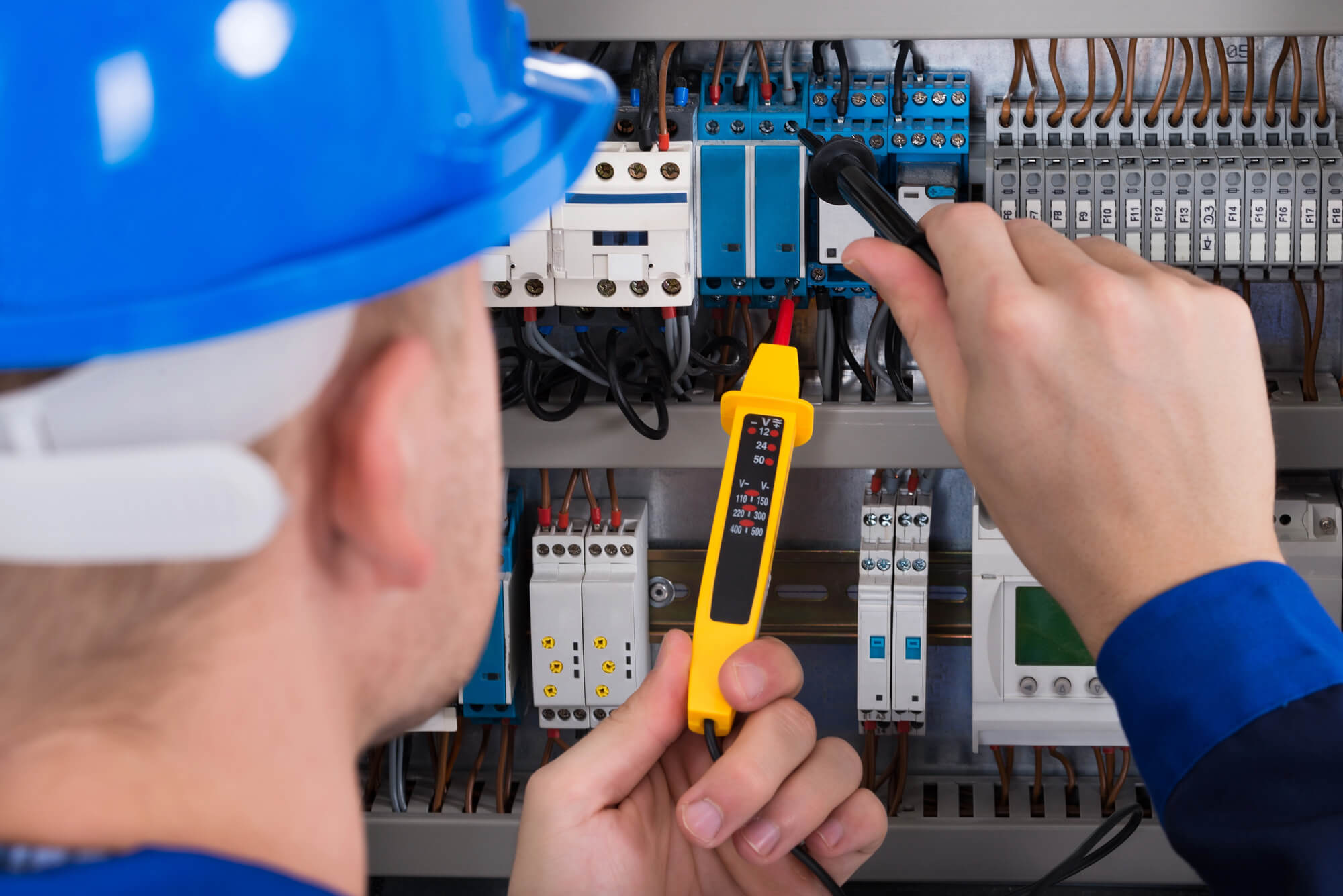
Before any work begins, the licensed electrician will inspect your panel to verify:
- Available breaker slots for the new circuit
- Main panel capacity to support additional load
- Panel brand and condition (some older panels may need upgrading)
If no slots are available, options include installing a tandem breaker (where permitted by the panel), adding a subpanel, or a full panel upgrade.
Step 2: Plan the Circuit Route
The electrician plans the most efficient route from the panel to the new outlet location, minimizing wire length while maintaining code compliance. Factors include wall construction, insulation, existing wiring paths, and whether any drywall must be opened.
Step 3: Pull the Permit
The electrician obtains the required electrical permit from your local building department. This is non-negotiable for new circuit work in virtually all jurisdictions.
Step 4: Run the Wire
Wire is run from the panel through the structure to the new outlet location. In unfinished spaces, wire can be stapled to framing. In finished spaces, it may need to be fished through walls. Conduit is used for exposed runs in garages, basements, and outdoors.
Step 5: Install the Outlet or Appliance Connection
At the destination end, the electrician installs the appropriate outlet (NEMA 5-15, NEMA 5-20, NEMA 14-50, etc.) or makes a direct appliance connection.
Step 6: Connect at the Panel
With the main breaker off (or carefully working around live conductors — which requires professional expertise), the electrician installs the new breaker and connects the circuit wires. The panel cover is reinstalled and power is restored.
Step 7: Inspection
The inspector verifies wire routing, connections, correct breaker sizing, and code compliance. After passing inspection, the circuit is ready for use.
Cost to Add a Circuit
- Standard 15A or 20A circuit: $150–$400
- 20A dedicated circuit: $200–$500
- 240V circuit (dryer, range, EV): $300–$800
- Long run or finished-wall installation: $400–$1,000+
Permit fees ($50–$150) are typically included in the electrician’s quote.
What If My Panel Is Full?
Options when all breaker slots are occupied:
- Tandem breaker: A double circuit breaker that fits in one slot — only works if the panel is listed for tandem breakers and a slot is labeled “tandem permitted”
- Subpanel: Install a secondary panel fed from the main panel — adds many new slots
- Panel upgrade: Replace the main panel with a larger one (more slots and higher amperage capacity)
Signs Your Panel Doesn’t Have Capacity for a New Circuit
Before adding a new circuit to your electrical panel, an electrician must verify that your panel has available breaker slots. A full electrical panel means every available slot is occupied by a breaker, leaving no room for new circuits. Checking whether your panel has capacity is simple: open the panel cover (safely, or ask an electrician) and count the empty slots next to existing breakers. If the panel is full, you have three options: install tandem breakers (which split one slot into two smaller circuits), upgrade to a larger panel with more capacity, or install a subpanel in another location.
Tandem breakers are a temporary workaround but not ideal for long-term solutions, and they reduce the amperage of individual circuits. Load calculation is another critical factor—your panel’s main breaker has a maximum amperage rating (typically 100, 150, or 200 amps), and all circuits combined cannot exceed that capacity. If you’re adding multiple heavy-draw appliances like an EV charger or electric heat pump, a full panel upgrade may be a better investment than cramming circuits into limited space. A licensed electrician can calculate your home’s load requirements and recommend whether a subpanel (costing $1,500–$3,500) or a full panel upgrade (costing $3,000–$6,000) makes the most sense for your situation.
Signs Your Panel Doesn’t Have Capacity for a New Circuit
Before adding a new circuit to your electrical panel, an electrician must verify that your panel has available breaker slots. A full electrical panel means every available slot is occupied by a breaker, leaving no room for new circuits. Checking whether your panel has capacity is simple: open the panel cover (safely, or ask an electrician) and count the empty slots next to existing breakers. If the panel is full, you have three options: install tandem breakers (which split one slot into two smaller circuits), upgrade to a larger panel with more capacity, or install a subpanel in another location.
Tandem breakers are a temporary workaround but not ideal for long-term solutions, and they reduce the amperage of individual circuits. Load calculation is another critical factor—your panel’s main breaker has a maximum amperage rating (typically 100, 150, or 200 amps), and all circuits combined cannot exceed that capacity. If you’re adding multiple heavy-draw appliances like an EV charger or electric heat pump, a full panel upgrade may be a better investment than cramming circuits into limited space. A licensed electrician can calculate your home’s load requirements and recommend whether a subpanel (costing $1,500–$3,500) or a full panel upgrade (costing $3,000–$6,000) makes the most sense for your situation.
Frequently Asked Questions
Can I add a circuit to my electrical panel myself?
This is not recommended. Adding a circuit involves working inside your electrical panel where bus bars carry lethal voltage even with the main breaker off. Most jurisdictions require a licensed electrician and permit for this work, as mandated by the National Electrical Code (NFPA 70). Hire a professional for panel work.
How do I know if my panel has room for a new circuit?
Open your panel door and count the empty breaker slots. Each empty slot can accept one single-pole (120V) breaker. A double-pole (240V) breaker takes two adjacent slots. If no slots are available, a subpanel or panel upgrade is needed.
How much does it cost to add a circuit to an electrical panel?
A standard 120V/20A circuit typically costs $200–$500 installed by a licensed electrician. A 240V circuit (for EV chargers, dryers, ranges) typically costs $300–$800. Costs vary based on wire run length and accessibility.
Do I need a permit to add a circuit?
Yes, in virtually all jurisdictions. Adding a new circuit is a permitted electrical project. Your licensed electrician obtains the permit and coordinates the inspection as part of the job. Never skip permits for panel work.
What size breaker do I need for a new circuit?
The breaker size depends on the circuit’s purpose and the wire gauge you’ll use. Standard outlets use 15A (14 AWG wire) or 20A (12 AWG wire). Kitchen countertop circuits require 20A. High-draw appliances and EV chargers require 30A, 40A, or 50A with appropriate wire gauges. Your electrician will specify the correct sizes.