
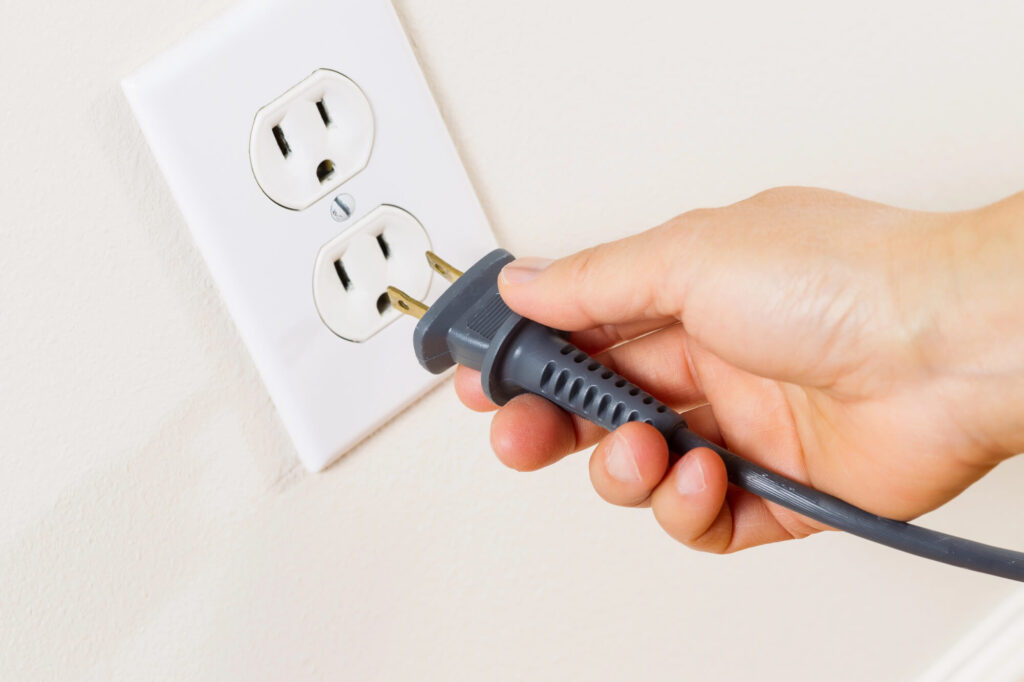
If an outlet in your home suddenly stops working, it can be frustrating and sometimes concerning. A dead outlet — the CPSC Electrical Safety Guide recommends checking for a tripped GFCI or breaker first, but persistent outlet failures should be inspected by a licensed electrician to rule out wiring faults may be caused by a tripped breaker, a loose wire, a faulty outlet, or a tripped GFCI safety device. While some causes are simple to identify, others may indicate a deeper electrical problem that should be inspected by a licensed electrician.
⚡ Key Takeaways
- Electrical outlets can stop working for several reasons.
- Several electrical issues can cause an outlet to stop working unexpectedly.
- Some outlet problems may indicate a more dangerous electrical issue.
Outlet Not Working? Here’s What It Could Mean
Electrical outlets can stop working for several reasons. Sometimes the issue is as simple as a tripped breaker or a resettable safety outlet. In other cases, the outlet may be damaged or there may be a wiring issue inside the wall.
Because outlets are connected to circuits that power multiple parts of your home, one faulty outlet can sometimes affect others on the same circuit.
Common Reasons an Outlet Stops Working
Several electrical issues can cause an outlet to stop working unexpectedly.
- Tripped circuit breaker – The circuit protecting the outlet may have tripped due to overload.
- Tripped GFCI outlet – Many bathrooms, kitchens, and outdoor outlets are connected to a GFCI safety outlet that shuts off power when it detects moisture or a fault.
- Loose wiring – Wires behind the outlet may have loosened over time.
- Burned or damaged outlet – Electrical wear can cause outlets to fail.
- Half-hot outlets – Some outlets are controlled by wall switches.
- Faulty appliance – A device plugged into the outlet may have caused the circuit to trip.
If multiple outlets stop working at the same time, the issue may be related to the circuit breaker or wiring connected to that circuit.
Signs the Problem May Be Serious
Some outlet problems may indicate a more dangerous electrical issue. Watch for these warning signs:
- Burning smell from the outlet
- Discoloration or scorch marks
- Sparks when plugging in devices
- Warm or hot outlet covers
- Buzzing or crackling sounds
If you notice any of these symptoms, stop using the outlet and contact a licensed electrician immediately.
How to Troubleshoot a Dead Outlet
Before calling an electrician, there are a few safe checks you can perform:
- Check the circuit breaker panel for a tripped breaker
- Look for nearby GFCI outlets and press the reset button
- Test other outlets in the same room
- Plug a different device into the outlet
- Check if the outlet is controlled by a wall switch
If the outlet still does not work after these checks, the wiring or outlet itself may need professional repair.
For a dead outlet that won’t reset, our troubleshooting and repair team serves homes across the area.
Local, licensed electricians available 24/7
How to Prevent Outlet Problems
Regular maintenance and safe electrical use can help prevent outlet issues.
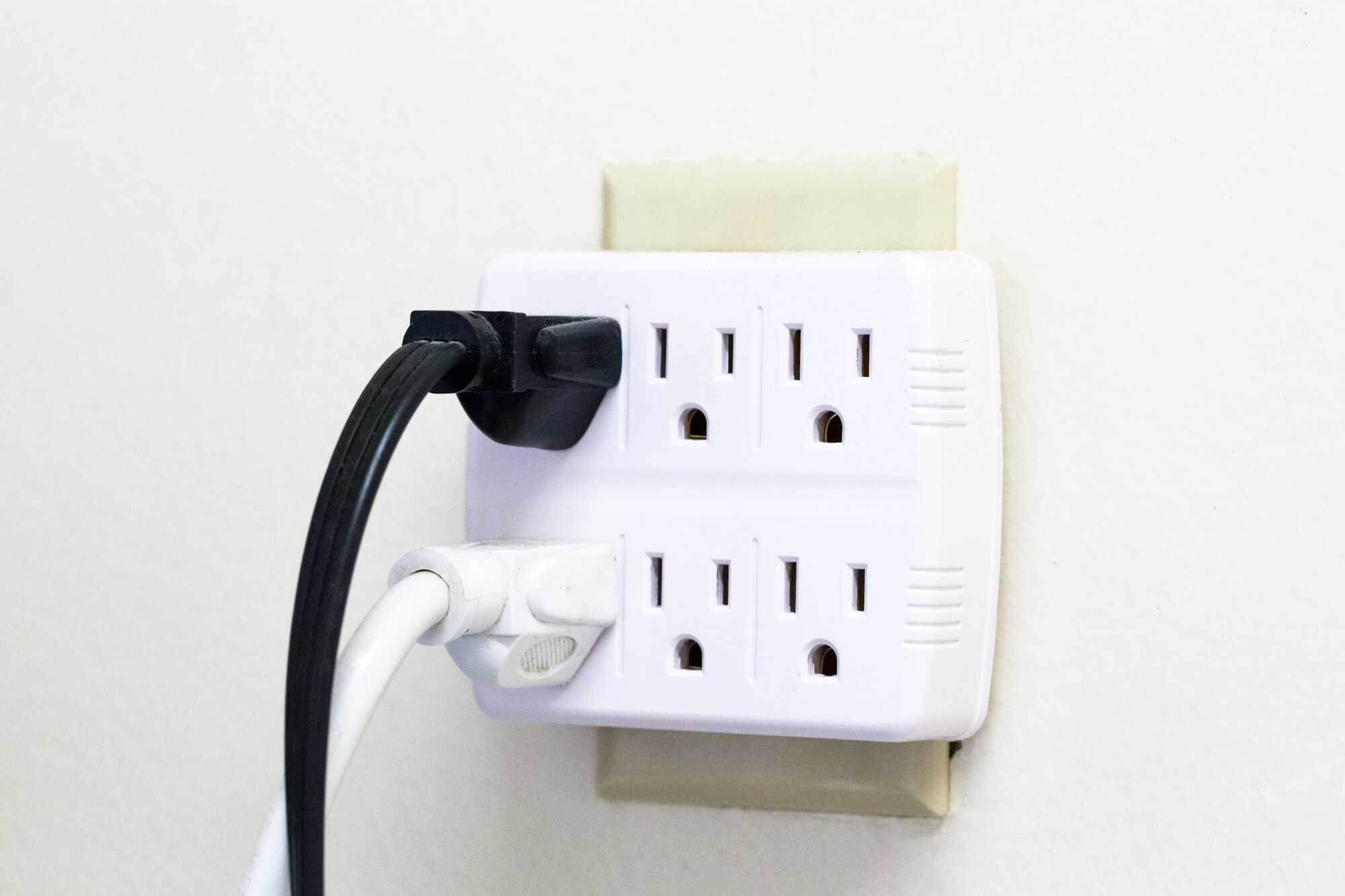
- Avoid overloading outlets with multiple high-power devices
- Replace damaged outlets immediately
- Use surge protectors for sensitive electronics
- Upgrade outdated wiring in older homes
- Schedule periodic electrical inspections
What Does It Cost to Repair an Outlet?
The cost to repair or replace an electrical outlet depends on the cause of the problem.
- Outlet replacement: $100 – $250
- GFCI outlet replacement: $150 – $350
- Electrical troubleshooting visit: $100 – $250
- Wiring repair: $300 – $800
Costs vary depending on location, accessibility of wiring, and local electrical codes.
When a Dead Outlet Signals Larger Electrical Problems
A single dead outlet is often just a failed outlet or tripped GFCI, but sometimes it indicates a more serious issue affecting multiple outlets on the same circuit. When you find that multiple outlets are dead but others in the home work fine, the problem is usually in the circuit itself—a tripped breaker, a loose connection at the breaker panel, or failed wiring between the panel and the outlets. These larger problems require professional diagnosis because they involve working inside the breaker panel and tracing circuits through walls.
Dead outlets can also indicate an open neutral condition, where the neutral wire connection is broken somewhere in the circuit. This creates a dangerous situation because voltage becomes unpredictable at outlets, potentially damaging appliances or causing fire. An open neutral requires an electrician to trace the circuit and find where the break occurred. Another possibility is a failed main breaker or utility-side issue, though these would typically affect multiple circuits simultaneously.
Safe Troubleshooting and When to Call an Electrician
Before calling an electrician, you can safely check a few things: verify the outlet is actually dead by testing it with a working lamp or phone charger, check the breaker panel to see if that circuit’s breaker has tripped, and press the RESET button on any GFCI outlets in the circuit. If these simple steps don’t restore power, stop troubleshooting and call a professional. Do not open the breaker panel or attempt any repairs yourself—breaker panels contain lethal voltage even when the main breaker is off.
If multiple outlets are dead or if an outlet repeatedly stops working after you reset it, schedule service promptly. These patterns suggest a failing circuit, loose connections, or overloaded circuit that’s repeatedly overheating. The longer these issues go unrepaired, the greater the fire risk. A licensed electrician can diagnose the root cause, perform necessary repairs, and verify that your circuits are operating safely.
How to Tell If Your Outlet Problem Is a Wiring Issue vs a Device Issue
When an outlet stops working, the problem could be either in the outlet itself or in a device plugged into it. A simple diagnostic process helps isolate the root cause and save you unnecessary repair costs. Start with the “device test”: unplug the device from the problem outlet and plug it into a different outlet in another room. If the device works fine in the other outlet, the original outlet likely has a wiring or connection problem requiring an electrician. If the device still doesn’t work, the problem is with the device itself—not your electrical system. Next, test the outlet by plugging in a different device (one you know works) into the problem outlet. If that second device functions normally, your outlet is fine and the original device is faulty.
For more detailed diagnosis, a non-contact voltage tester can tell you if the outlet has power; simply hold it near the outlet’s plug holes and it will beep or light up if voltage is present. If voltage is present but outlets won’t accept plugs, the issue is likely damaged pins or sockets inside the outlet—it needs replacement. If no voltage is detected, the problem is upstream: check your circuit breaker to see if that circuit is tripped (flip it off and back on). If it trips again immediately, there’s a short circuit and you need an electrician. If the breaker stays on but there’s still no voltage, there may be a loose connection at the breaker or in the wire—another job for a professional. This systematic testing quickly tells you whether the outlet, the device, or the wiring is at fault.
Frequently Asked Questions
Why is my outlet not working but the breaker isn’t tripped?
This often happens when a GFCI outlet has tripped or when wiring inside the outlet has come loose. Checking nearby GFCI outlets and testing other outlets on the circuit may help identify the problem.
Can a bad outlet affect other outlets?
Yes. Outlets are often wired in a chain along the same circuit. If one outlet develops a wiring fault, it can cause downstream outlets to lose power.
Is a dead outlet dangerous?
A dead outlet is not always dangerous, but it may indicate damaged wiring or a failing electrical component. If the outlet shows signs of heat or burning, stop using it immediately.
Should I replace a broken outlet myself?
Replacing an outlet involves working with electrical wiring. If you are not experienced with electrical work, it is safest to hire a licensed electrician.
Speak With a Licensed Electrician Today
If you have an outlet that suddenly stopped working, the cause could be a simple reset or a deeper electrical fault. Identifying the problem quickly can prevent further electrical damage.
InstaElectricians connects homeowners with licensed, experienced electricians across the United States. Our network of professionals can diagnose outlet problems, repair wiring issues, and ensure your electrical system is safe and up to code.
Whether you need outlet repair, troubleshooting, or a full electrical inspection, help is available right now.
Call 855-436-0065 for Immediate Assistance