
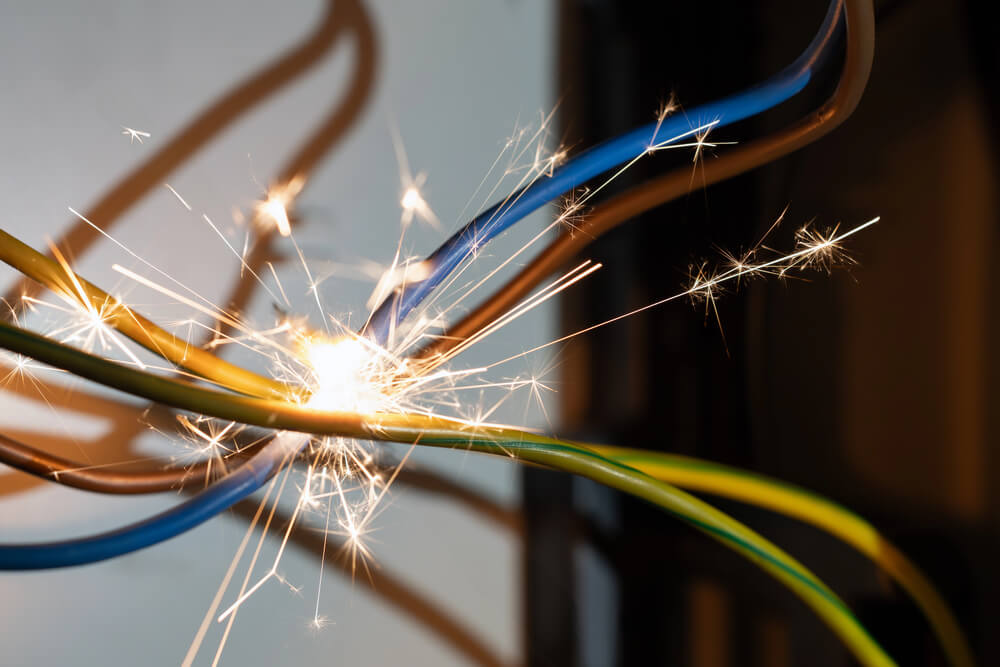
If you smell a burning electrical odor in your house, it should never be ignored. A burning smell may indicate overheating wiring, damaged electrical components, or a potential electrical fire — the CPSC Electrical Safety Guide states that a burning smell from walls or outlets should be treated as an emergency, as it often precedes a fire inside the wiring or junction box hazard. Electrical systems are designed to operate safely, so any unusual smell should be investigated immediately.
⚡ Key Takeaways
- An electrical burning smell is often described as a sharp, plastic-like odor or the smell of burning insulation.
- Several electrical problems can produce a burning smell inside a home.
- If you smell burning in your home and notice any of the following warning signs, you should act quickly.
Electrical Burning Smell in House? What It Means
An electrical burning smell is often described as a sharp, plastic-like odor or the smell of burning insulation. This happens when electrical components overheat and begin damaging the insulation around wires or internal parts.
Sometimes the smell may appear briefly when a device overheats, but persistent electrical burning odors usually indicate a serious issue with wiring, outlets, switches, or electrical appliances.
Common Causes of Electrical Burning Smells
Several electrical problems can produce a burning smell inside a home.
- Overheated wiring – Wires carrying too much current may overheat.
- Loose electrical connections – Loose wires can create dangerous electrical arcing.
- Overloaded circuits – Too many devices drawing power from one circuit.
- Faulty outlets or switches – Damaged outlets can overheat internally.
- Malfunctioning appliances – Motors or internal wiring inside appliances may burn.
- Electrical panel problems – Overheating breakers or panel components.
These issues may produce heat and burning odors before more serious damage occurs.
Warning Signs of a Potential Electrical Fire
If you smell burning in your home and notice any of the following warning signs, you should act quickly.
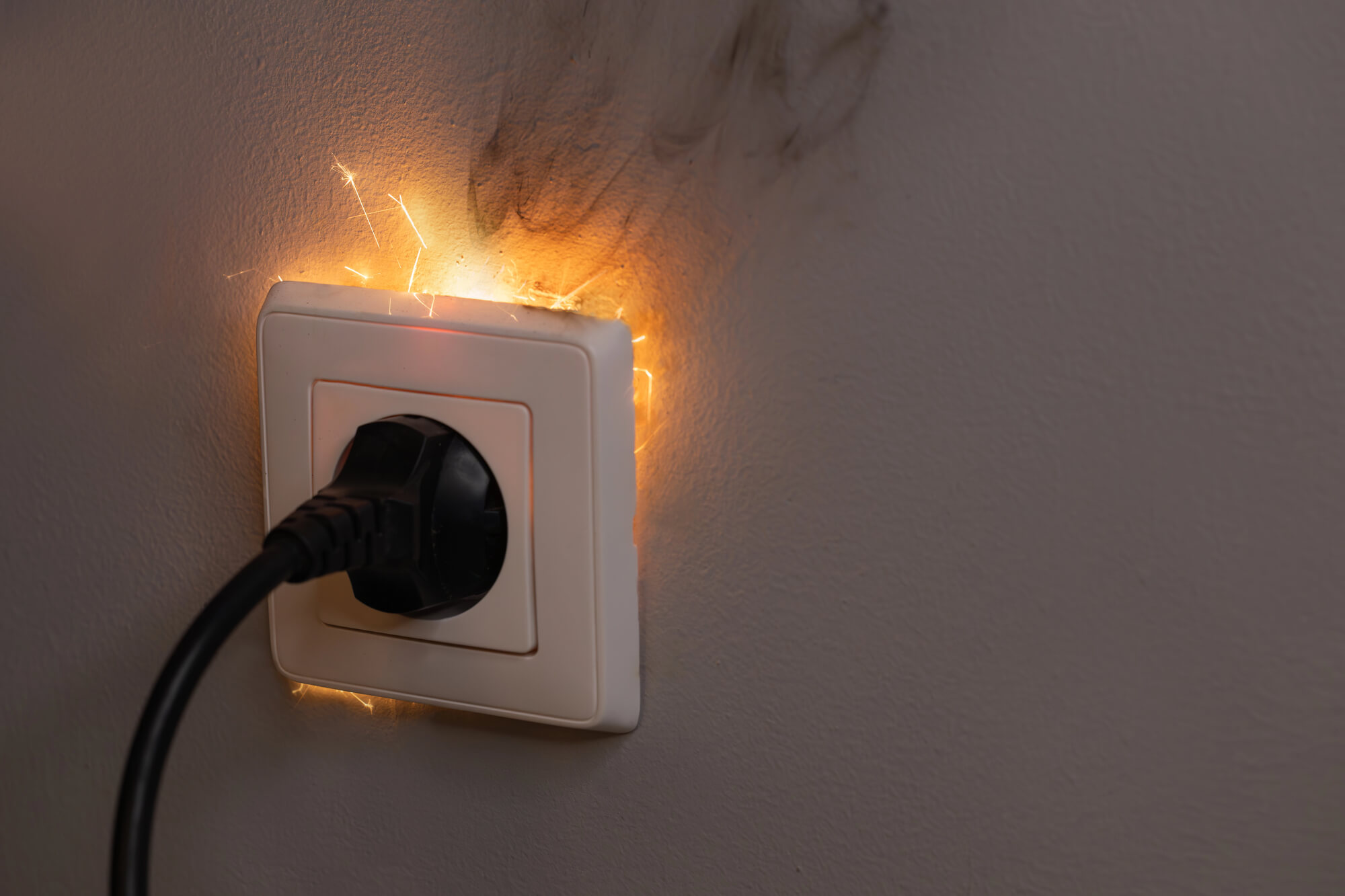
- Burning smell coming from outlets or switches
- Hot or discolored outlets
- Buzzing sounds from electrical panels
- Lights flickering or dimming unexpectedly
- Circuit breakers frequently tripping
- Sparks when plugging in devices
These symptoms may indicate overheating wires or electrical arcing, both of which can increase the risk of an electrical fire.
What To Do If You Smell Burning Electrical Wires
If you detect a burning electrical smell, follow these steps to reduce the risk of fire.
- Turn off the affected circuit at the breaker panel
- Unplug nearby appliances
- Avoid using outlets or switches in the area
- Check for visible signs of overheating or damage
- Contact a licensed electrician immediately
If you see smoke or active sparks, evacuate the area and contact emergency services.
A burning smell from your electrical system is never normal. Our 24/7 emergency electricians can diagnose the source quickly — don’t wait to call.
Emergency electricians available 24/7
Where Electrical Burning Smells Commonly Come From
Electrical burning smells may originate from several areas in the home.
- Electrical outlets
- Light switches
- Breaker panels
- Extension cords
- Appliances such as dryers or dishwashers
Because electrical wiring runs through walls and ceilings, the source of the smell may not always be immediately visible.
What Does It Cost to Fix Electrical Burning Smells?
The cost of fixing electrical problems causing burning smells depends on the underlying issue.
- Electrical troubleshooting visit: $100 – $250
- Outlet or switch replacement: $150 – $300
- Wiring repair: $300 – $1,000
- Electrical panel repair: $500 – $2,000+
An electrician can inspect the electrical system, locate the overheating component, and repair the problem safely.
How Electricians Diagnose Burning Smell Issues
When you call a licensed electrician to investigate a burning smell, they perform a systematic inspection to pinpoint the source. Using specialized thermal imaging cameras, electricians detect hotspots in walls, outlets, and breaker panels that indicate overheating. These thermal imaging tools reveal temperature differences invisible to the naked eye, allowing them to identify failing connections or damaged components before they ignite. The electrician will also use a multimeter to test voltage and resistance across circuits.
Once located, the repair depends on the underlying cause—it might involve replacing a damaged outlet, tightening loose connections, replacing a failing breaker, or rewiring affected sections with new copper conductors rated for proper amperage and fully compliant with NEC standards. In severe cases where insulation has melted or charred, sections of wire may need complete replacement.
Prevention and Electrical System Maintenance
The best way to prevent electrical burning smells is through regular maintenance. Have a licensed electrician inspect your home’s electrical system every 3-5 years, especially if your home is older than 40 years. These inspections check for loose connections, worn insulation, proper breaker operation, and adequate grounding. Overloaded circuits are a common cause of overheating—avoid running multiple high-wattage appliances on a single circuit.
Never use extension cords as permanent solutions; instead, have an electrician install dedicated circuits when you need additional outlets. Keep outlets and breakers clear of dust and debris, and immediately replace any outlets that feel warm to the touch or show visible scorching. If your area experiences frequent power surges from storms or utility fluctuations, consider installing a whole-house surge protector to shield your electrical system from dangerous voltage spikes.
Identifying Hazardous Materials and When to Evacuate
A burning electrical smell in the home requires immediate attention and quick assessment to determine if evacuation is necessary. The distinction between a minor burning smell from overheated wires versus a serious electrical fire is critical. If the smell is localized to a single outlet or appliance, and you can turn off power to that outlet via the breaker panel without further burning smells, the situation may be less urgent. However, if the burning smell is diffuse throughout the home, persists even after circuits are shut off, or is accompanied by visible smoke, flickering lights, or a charred appearance on walls or wiring—evacuate immediately and call 911. Electrical fires can spread rapidly through walls and insulation, especially in older homes with fabric-coated wiring or aluminum wiring, both of which are more prone to overheating and ignition. Do not attempt to locate the source of the smell by searching inside walls or the electrical panel; this puts you at risk of electric shock or inhalation of hazardous fumes. Once evacuated and fire services have cleared the building, a licensed electrician can inspect the home to determine what caused the burning smell and whether it is safe to reoccupy. Insurance claims related to electrical fires caused by unmaintained systems or deferred repairs may be reduced, making prompt professional assessment important for documentation purposes.
Frequently Asked Questions
Why does my house smell like burning plastic?
Burning plastic smells often occur when wire insulation overheats or melts due to electrical overloads, loose connections, or faulty appliances.
Is an electrical burning smell dangerous?
Yes. Electrical burning smells may indicate overheating wiring or electrical arcing, which can lead to fires if left unresolved.
Can an outlet cause a burning smell?
Yes. Damaged outlets or loose wiring connections can overheat and produce a burning odor.
Should I turn off power if I smell burning wires?
If you suspect an electrical issue, turning off the affected circuit at the breaker panel can reduce risk until an electrician inspects the system.
Speak With a Licensed Electrician Today
If you smell burning electrical wires in your home, it may indicate overheating wiring, overloaded circuits, or faulty electrical components.
InstaElectricians connects homeowners with licensed electricians across the United States. Our network of professionals can quickly diagnose electrical hazards and perform safe, code-compliant repairs.
Whether you need emergency electrical troubleshooting or urgent repairs, help is available right now.