
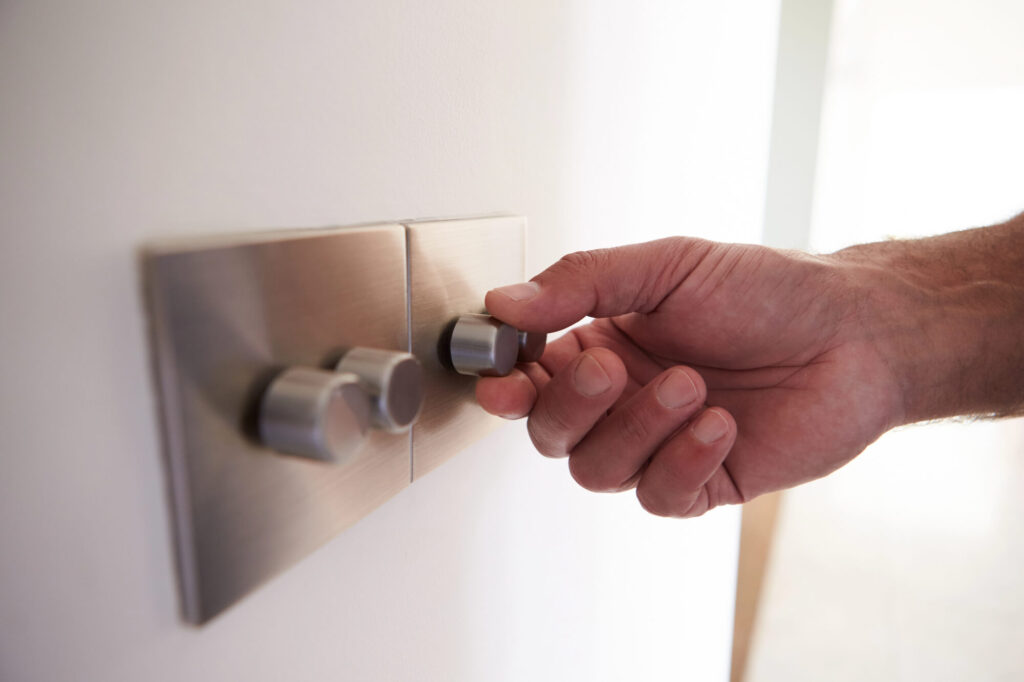
If you hear a dimmer switch — when a CPSC-recognized wiring fault is involved, persistent buzzing from a dimmer switch can indicate a loose connection or incompatible load that needs professional diagnosis buzzing when adjusting your lights, it can be annoying—and sometimes a sign of an electrical issue. While a faint hum is often normal, loud or persistent buzzing may indicate compatibility problems, wiring issues, or a failing switch.
In this guide, we’ll explain why dimmer switches buzz, how to troubleshoot the problem, and when it’s time to call a licensed electrician.
Contents
- 1 What It Means When a Dimmer Switch Is Buzzing
- 2 Common Causes of Dimmer Switch Buzzing
- 3 Warning Signs of a Serious Electrical Problem
- 4 Troubleshooting Dimmer Switch Buzzing
- 5 How to Prevent Dimmer Switch Buzzing
- 6 Electrical Repair Costs
- 7 Troubleshooting Steps Before Calling an Electrician
- 8 When to Upgrade vs. Replace Your Dimmer
- 9 Frequently Asked Questions
- 10 Get Professional Help Today
⚡ Key Takeaways
- Dimmer switches control light brightness by rapidly switching electrical current on and off.
- Incompatible bulbs: LED or CFL bulbs may not work properly with older dimmer switches.
- While minor buzzing is common, these warning signs may indicate a more serious issue:
What It Means When a Dimmer Switch Is Buzzing
Dimmer switches control light brightness by rapidly switching electrical current on and off. This process, known as “chopping” the electrical waveform, can cause vibrations in the switch or light bulb filament, resulting in a buzzing sound.
A slight hum—especially at lower dim levels—is usually normal. However, loud buzzing, worsening noise, or buzzing accompanied by other symptoms may indicate a problem that needs attention.
Common Causes of Dimmer Switch Buzzing
- Incompatible bulbs: LED or CFL bulbs may not work properly with older dimmer switches.
- Low-quality dimmer switch: Cheaper switches often produce more noise.
- Overloaded dimmer: Exceeding the wattage rating can cause buzzing and overheating.
- Loose wiring connections: Poor connections can create electrical vibration and noise.
- Bulb filament vibration: Incandescent bulbs can vibrate and produce a humming sound.
- Incorrect dimmer type: Not all dimmers are designed for all bulb types.
- Aging or faulty switch: Internal components may wear out over time.
Warning Signs of a Serious Electrical Problem
While minor buzzing is common, these warning signs may indicate a more serious issue:
-
- Loud or worsening buzzing noise
- Switch feels warm or hot to the touch
- Burning smell near the switch
- Lights flicker or behave erratically
- Buzzing occurs even when lights are at full brightness
- Circuit breaker trips when using the dimmer
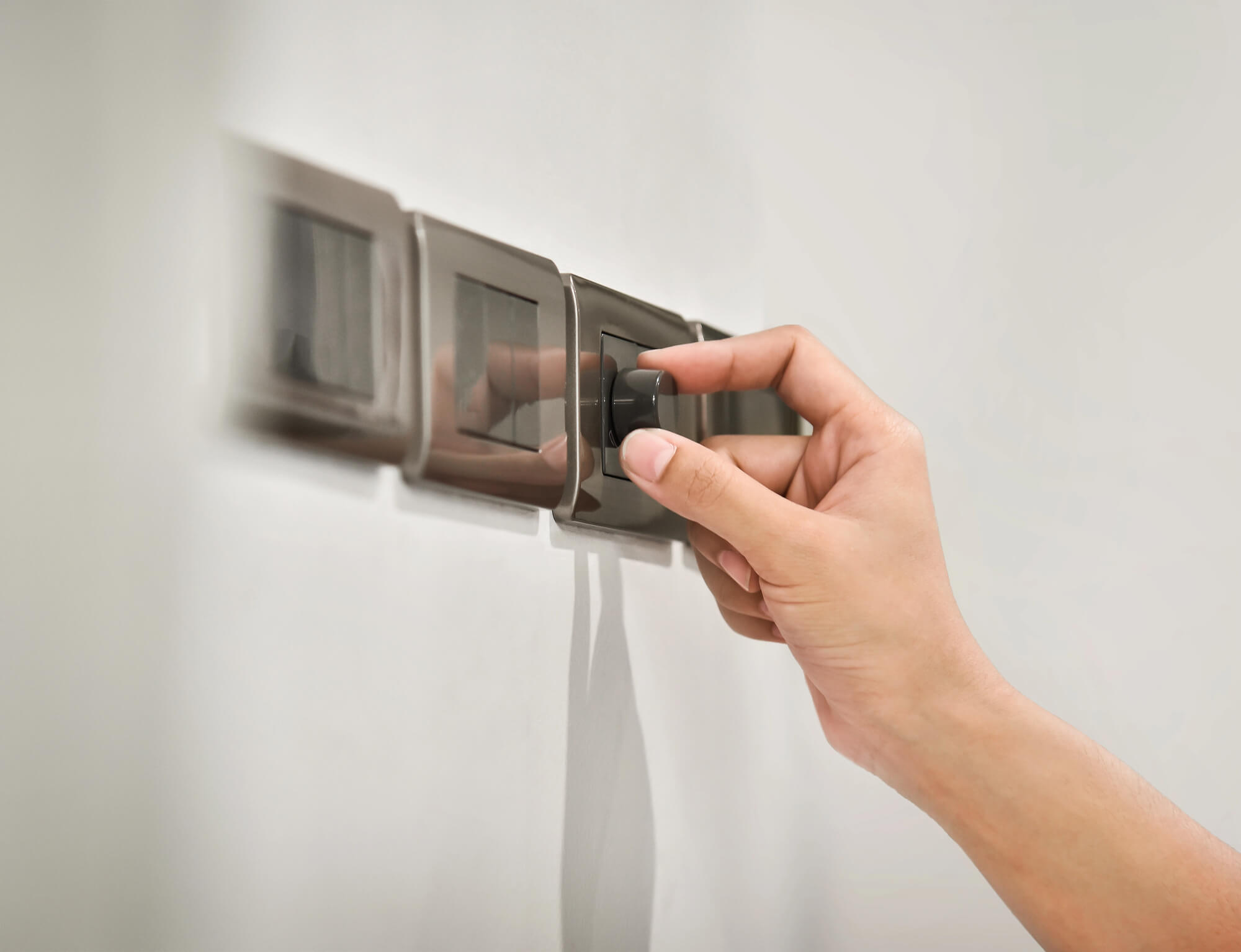
If you notice any of these signs, stop using the dimmer and have it inspected by a professional electrician.
Troubleshooting Dimmer Switch Buzzing
If your dimmer switch is buzzing, try these steps to identify and fix the issue:
1. Check Bulb Compatibility
Ensure your bulbs are compatible with your dimmer switch. LED bulbs require LED-rated dimmers for proper operation.
2. Replace the Bulbs
Switch to high-quality bulbs designed for dimming. Cheap or incompatible bulbs often cause buzzing.
3. Verify Wattage Load
Check the dimmer’s maximum wattage rating and ensure it’s not overloaded by the connected lights.
4. Adjust the Dimmer Level
Some dimmers produce more noise at certain brightness levels. Try adjusting the setting to see if the buzzing changes.
5. Inspect for Loose Wiring
If it’s safe and you have experience, check for loose connections behind the switch. Otherwise, leave this to an electrician.
6. Replace the Dimmer Switch
If the dimmer is old or low quality, upgrading to a modern, LED-compatible model often resolves the issue.
7. Test Another Fixture
If possible, test the dimmer with a different light fixture to rule out fixture-related problems.
If the buzzing persists after these steps, professional diagnosis is recommended.
For dimmer issues or a smart lighting upgrade, our lighting and smart controls team and repair specialists can help.
How to Prevent Dimmer Switch Buzzing
- Use compatible components: Match dimmers with the correct bulb types.
- Choose high-quality dimmers: Better components reduce noise and improve performance.
- Avoid overloading circuits: Keep within recommended wattage limits.
- Upgrade older switches: Modern dimmers are quieter and more efficient.
- Schedule electrical inspections: Regular checks can identify potential issues early.
Electrical Repair Costs
The cost to fix a buzzing dimmer switch depends on the cause:
- Replacing dimmer switch: $100 – $300
- Installing LED-compatible dimmer: $150 – $400
- Replacing bulbs: $5 – $30 per bulb
- Fixing wiring issues: $100 – $300
- Diagnosing electrical problems: $150 – $400
Upgrading to a modern dimmer switch is often the simplest and most cost-effective solution.
Troubleshooting Steps Before Calling an Electrician
If your dimmer switch is buzzing, try some basic troubleshooting before scheduling a service call. First, ensure you’re using dimmer-compatible bulbs—if you have non-dimmable LED or CFL bulbs installed, replace them with bulbs explicitly rated for dimmer switches. Check the dimmer’s load capacity (usually printed on the device) and count the total wattage of all bulbs on that circuit. If the load exceeds the dimmer’s capacity, you’ve found the problem—install a higher-capacity dimmer or reduce the number of bulbs. Try adjusting the dimmer to different brightness levels and listen for changes in the buzzing sound. If the buzz is only at certain brightness levels, this suggests a compatibility issue between the dimmer and bulbs. If the buzzing is consistent regardless of brightness level, the dimmer switch itself may be failing. Check that the dimmer is tightly installed in the switch box with no loose wires—a flashlight inspection can reveal if wires are properly seated. Turn off power to the circuit at the breaker and visually inspect connections. If you see discolored wires, corrosion, or loose connections, do not attempt to fix this yourself—call an electrician immediately.
When to Upgrade vs. Replace Your Dimmer
Modern dimmers are significantly better than older models, especially for LED lighting. If your dimmer is more than 10 years old, upgrading to a newer model designed for LED bulbs may eliminate buzzing and provide better performance. LED-compatible dimmers use different technology that works properly with the lower wattage of LED bulbs and prevents the compatibility issues that cause buzzing. When replacing or upgrading, note your switch’s current amperage rating and install a new dimmer with the same or higher capacity. Universal dimmers work with most bulb types, but checking compatibility before purchasing saves hassle. If you’re using a large number of lights on one dimmer circuit, consider installing a second dimmer to split the load—this increases flexibility and eliminates overload issues. Some homeowners also benefit from smart dimmers that integrate with home automation systems; these offer remote control and eliminate mechanical switch issues entirely. Labor to replace a dimmer is typically $75-$150 for an electrician visit, plus the cost of the new dimmer ($15-$100 depending on features). If your existing dimmer is causing persistent problems with multiple bulb types, upgrading is usually the most cost-effective solution.
Frequently Asked Questions
Is it normal for a dimmer switch to buzz?
A faint hum can be normal, especially at lower brightness levels. However, loud or persistent buzzing may indicate a problem.
Why does my dimmer switch buzz with LED lights?
This usually happens when the dimmer is not compatible with LED bulbs. Replacing it with an LED-rated dimmer can solve the issue.
Can a buzzing dimmer switch be dangerous?
It can be if accompanied by heat, burning smells, or flickering lights. These signs may indicate wiring or overload issues.
Why does my house smell like burning plastic?
Burning plastic smells often occur when wire insulation overheats or melts due to electrical overloads, loose connections, or faulty appliances.
Get Professional Help Today
If your dimmer switch is buzzing and you’re unsure of the cause, don’t ignore it. Electrical issues can escalate and become hazardous if left unresolved.
A licensed electrician can diagnose the issue, recommend the right solution, and ensure your home’s electrical system is safe and reliable.