
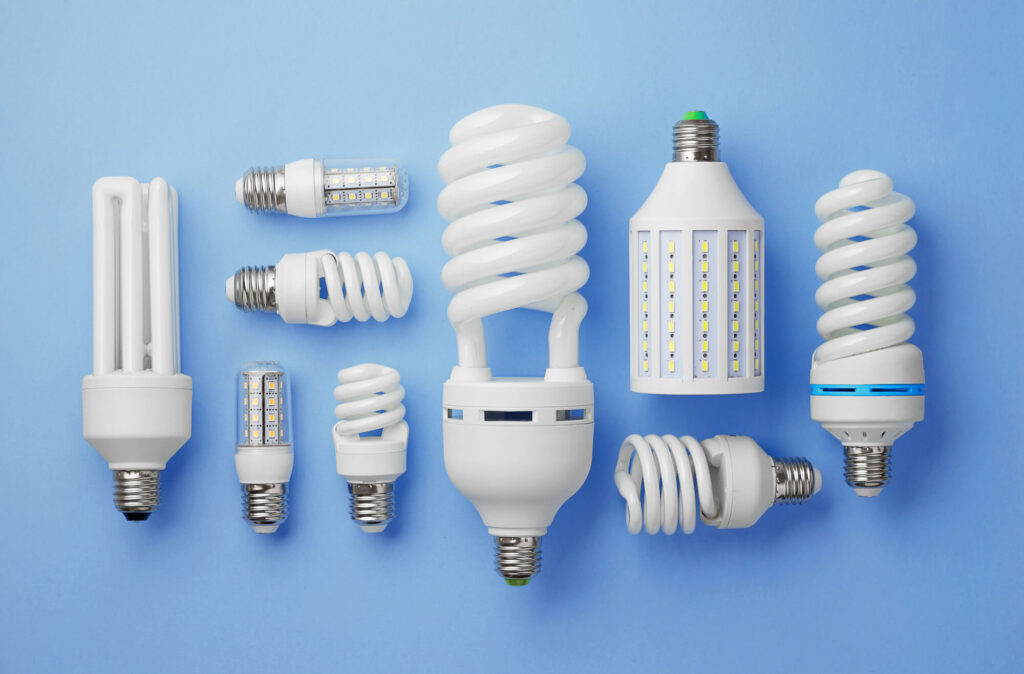
If you’re experiencing LED bulb — the ENERGY STAR program certifies LED bulbs that meet strict performance standards, including flicker-free operation across a wide range of compatible dimmers lights flickering in your home, it can be annoying—and sometimes a sign of an underlying electrical issue. While LED bulbs are energy-efficient and long-lasting, they are also more sensitive to voltage fluctuations, dimmer compatibility, and wiring problems than traditional bulbs.
In this guide, we’ll explain why LED lights flicker, how to troubleshoot the issue, and when it’s time to call a professional electrician.
⚡ Key Takeaways
- LED lights flicker when there is an inconsistent flow of electrical current.
- Incompatible dimmer switches: Not all dimmers work with LED bulbs, leading to flickering.
- While minor flickering is common, these warning signs may indicate a more serious issue:
What It Means When LED Lights Flicker
LED lights flicker when there is an inconsistent flow of electrical current. Unlike incandescent bulbs, LEDs rely on electronic drivers to regulate power. If that power supply becomes unstable—even slightly—you may notice flickering, flashing, or inconsistent brightness.
In many cases, flickering is harmless and easy to fix. However, persistent flickering across multiple fixtures or rooms may indicate wiring issues or problems with your home’s electrical system.
Common Causes of LED Lights Flickering
- Incompatible dimmer switches: Not all dimmers work with LED bulbs, leading to flickering.
- Loose bulbs or connections: Poor contact can interrupt electrical flow.
- Voltage fluctuations: Changes in power supply can affect LED performance.
- Low-quality LED bulbs: Cheaper bulbs often lack stable internal drivers.
- Overloaded circuits: Too many devices can cause inconsistent voltage.
- Faulty wiring: Loose or damaged wiring can disrupt power delivery.
- Appliance interference: Large appliances can cause temporary voltage dips.
Warning Signs of a Serious Electrical Problem
While minor flickering is common, these warning signs may indicate a more serious issue:
- Flickering affects multiple rooms or the entire house
- Lights dim when appliances start
- Flickering is accompanied by buzzing or crackling sounds
- Burning smells or warm switches/outlets
- Circuit breakers trip frequently
- Lights suddenly become much brighter or dimmer
If you notice any of these signs, it’s important to investigate the issue promptly to prevent potential electrical hazards.
Troubleshooting LED Lights Flickering
If your LED lights are flickering, try these troubleshooting steps:
1. Tighten the Bulb
Make sure the bulb is securely screwed into the socket. A loose connection can easily cause flickering.
2. Replace the Bulb
Swap the bulb with a high-quality LED from a reputable brand to rule out a defective product.
3. Check the Dimmer Switch
If your lights are on a dimmer, ensure it is LED-compatible. Older dimmers often cause flickering with modern bulbs.
4. Test Without the Dimmer
Try bypassing or replacing the dimmer switch to see if the flickering stops.
5. Reduce Circuit Load
Turn off other devices on the same circuit and see if the flickering improves.
6. Observe Patterns
Does flickering happen when certain appliances turn on? This could indicate voltage fluctuations.
7. Check Multiple Fixtures
If flickering occurs throughout the house, the issue may involve your electrical panel or utility supply.
If these steps don’t resolve the issue, a licensed electrician can perform a detailed inspection.
If you’re unsure whether your LED flickering is a wiring issue, our team offers expert electrical troubleshooting for residential properties across the service area.
How to Prevent LED Lights Flickering
- Use LED-compatible dimmers: Ensure your dimmer is designed for LED bulbs.
- Buy high-quality bulbs: Reliable brands provide better performance and stability.
- Avoid overloading circuits: Spread electrical demand across circuits.
- Upgrade outdated wiring: Modern wiring ensures consistent power delivery.
- Install dedicated circuits for large appliances: Prevent voltage drops affecting lighting.
Electrical Repair Costs
The cost to fix LED lights flickering depends on the underlying issue:
- Replacing LED bulbs: $5 – $20 per bulb
- Installing LED-compatible dimmer: $100 – $300
- Fixing loose wiring: $100 – $300
- Diagnosing electrical issues: $150 – $400
- Upgrading electrical panel: $1,500 – $4,000
Most flickering issues are inexpensive to fix, but addressing electrical system problems early can prevent more costly repairs later.
Understanding LED Compatibility with Dimmers and Ballasts
Many LED flickering problems stem from incompatibility with electrical infrastructure designed for incandescent bulbs. Traditional incandescent dimmers work by reducing voltage to the bulb, dimming the light gradually. However, LED bulbs require a minimum voltage level to function properly—if you reduce voltage below that threshold, the LED flickers or cuts out entirely. When purchasing LED bulbs for dimmer switches, you must buy dimmers specifically rated for LED bulbs. These LED-compatible dimmers are engineered to work with the electronics inside LED bulbs and maintain smooth dimming without flicker.
Similarly, fluorescent fixtures with magnetic ballasts can cause LED flicker if you install LED tubes designed for different ballast types. Electronic ballasts are more compatible with LED tubes, while magnetic ballasts often cause flicker. Always verify that your LED tubes are rated for your fixture’s ballast type. If you’re uncertain, contact the LED manufacturer with your fixture model number, and they can confirm compatibility. The slight extra cost of LED-compatible dimmers and ballasts eliminates flickering and ensures your LEDs last longer.
Electrical Circuit Issues Affecting LEDs
LED flicker can also indicate underlying electrical problems that affect all bulb types, not just LEDs. Loose connections, overloaded circuits, and failing breakers cause voltage fluctuations that appear as flicker. LEDs may show flicker more noticeably than incandescent bulbs because of their electronic drivers—the same voltage instability that causes barely-visible flicker in an incandescent becomes obvious flicker in an LED. If you recently switched to LEDs and started noticing flicker, the flicker may have existed with incandescent bulbs but been invisible.
Test whether the flicker is LED-specific or circuit-wide by installing a traditional incandescent bulb in the same fixture. If the incandescent flickers too, the problem is your circuit, not the LED. Contact an electrician to diagnose and repair the underlying electrical issue. If only the LED flickers, verify it’s a LED-compatible bulb and dimmer, check that you’re using the correct wattage rating, and ensure the bulb is fully seated in its fixture. Proper installation and compatible equipment eliminate the vast majority of LED flickering complaints.
Minimum Load Requirements: Why Some Dimmers Don’t Work with LEDs
Incandescent dimmers were designed to work with the high heat output and consistent current draw of traditional incandescent bulbs. These older dimmers require a minimum wattage load (typically 40–60W at full brightness) to function properly. When you install a bank of LED bulbs—which consume far less power (often only 5–15W per bulb)—the total load on the dimmer can fall below its minimum threshold. Below the minimum load, the dimmer cannot properly regulate current flow, resulting in flicker, buzzing, complete failure to turn off, or refusal to turn on at all. This is one of the most common LED compatibility problems, and it stems entirely from the mismatch between old dimmer technology and new light source efficiency.
The solution is to upgrade to a low-minimum-load dimmer. Lutron Caséta dimmers have a minimum load of 0W, making them fully compatible with any number of LEDs. Leviton DSL06 dimmers require a minimum 5W load, which works with 1–2 LED bulbs. When replacing a dimmer switch, always verify its minimum load rating against your LED bulbs’ wattage. Note that NEC code requires that multi-wire branch circuits (circuits with more than one hot leg coming from the breaker panel) have proper handling when using dimmers—certain switch configurations may require isolated neutral wiring. Consult a licensed electrician if you’re unsure whether your circuit can safely accommodate a new dimmer, or have them install the upgrade to ensure code compliance and reliable operation.
Frequently Asked Questions
Why do LED lights flicker when dimmed?
Many older dimmer switches are not compatible with LED bulbs, causing flickering due to improper voltage regulation.
Can flickering LED lights be dangerous?
Occasional flickering is usually harmless, but persistent flickering can indicate wiring issues or electrical faults that may pose safety risks.
Do LED lights flicker before they burn out?
LEDs don’t typically burn out like traditional bulbs, but flickering can occur due to driver failure or electrical inconsistencies.
Why does my house smell like burning plastic?
Burning plastic smells often occur when wire insulation overheats or melts due to electrical overloads, loose connections, or faulty appliances.
Get Professional Help Today
If your LED lights are flickering and you can’t identify the cause, don’t ignore it. Electrical issues can worsen over time and may lead to more serious problems if left unresolved.
A licensed electrician can quickly diagnose the issue, recommend the right fix, and ensure your home’s electrical system is safe and reliable.