
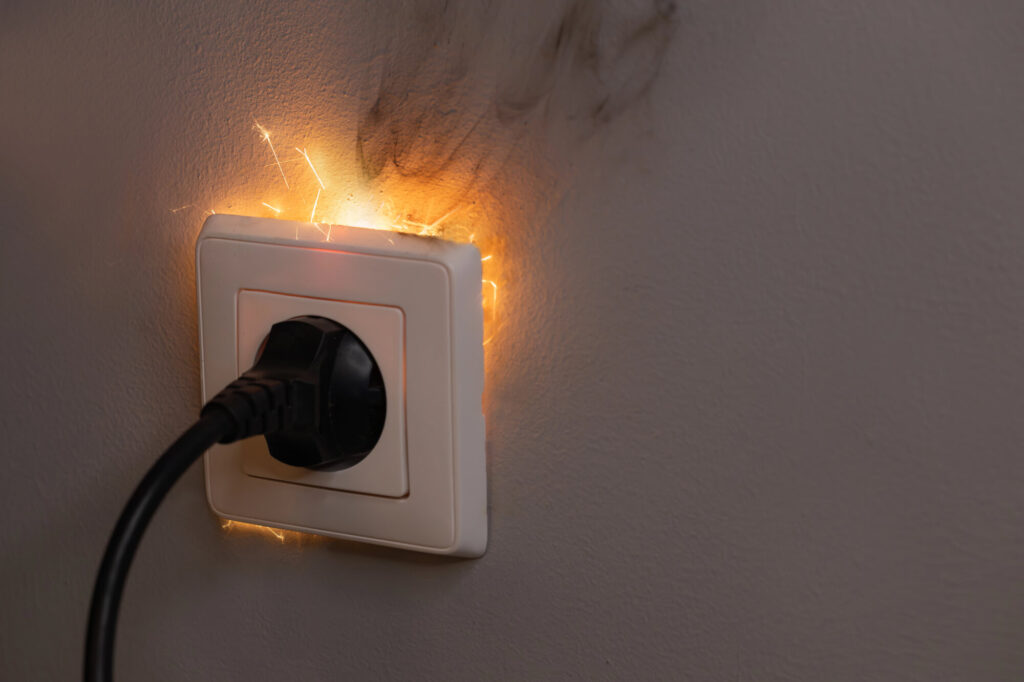
If you suspect electrical arcing in house, it’s a serious issue that should never be ignored. Electrical arcing occurs when electricity jumps through the air between connections instead of flowing through wires properly. This can generate intense heat and is one of the leading causes of electrical fires in homes.
In this guide, we’ll explain what electrical arcing is, the common causes, warning signs to watch for, and how to address the issue safely.
⚡ Key Takeaways
- Electrical arcing happens when there is a gap or breakdown in an electrical connection, allowing current to “arc” or jump through the air.
- Loose or damaged wiring: Poor connections allow electricity to jump across gaps.
- Electrical arcing is not always visible, so it’s important to recognize the warning signs:
What Is Electrical Arcing?
Electrical arcing happens when there is a gap or breakdown in an electrical connection, allowing current to “arc” or jump through the air. This creates a visible spark or sometimes an invisible but dangerous discharge of energy.
Unlike normal electrical flow, arcing produces extremely high temperatures that can melt insulation, damage wiring, and ignite nearby materials.
Arcing can occur in outlets, switches, electrical panels, appliances, or even inside walls—making it especially dangerous if left undetected.
Common Causes of Electrical Arcing in House
- Loose or damaged wiring: Poor connections allow electricity to jump across gaps.
- Worn insulation: Cracked or deteriorated insulation exposes wires.
- Overloaded circuits: Excess demand increases heat and stress on wiring.
- Faulty outlets or switches: Internal wear can lead to unstable connections.
- Aging electrical systems: Older homes are more prone to wiring degradation.
- Rodent damage: Chewed wires can expose conductors.
- Improper installations: Poor workmanship can leave unsafe connections.
- Damaged appliances: Internal faults can cause arcing when in use.
Warning Signs of Electrical Arcing
Electrical arcing is not always visible, so it’s important to recognize the warning signs:
- Burning smell or odor of melting plastic
- Buzzing, hissing, or crackling sounds
- Sparks from outlets, switches, or fixtures
- Discolored or charred outlets and switch plates
- Frequent circuit breaker trips
- Lights flickering or dimming unexpectedly
- Warm or hot outlets and switches
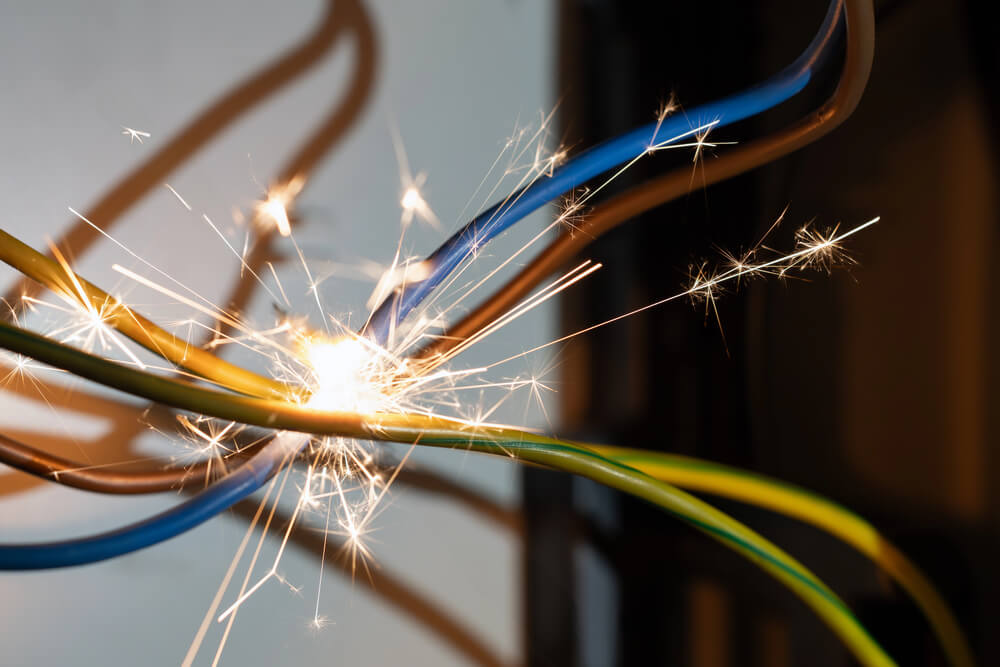
If you notice any of these symptoms, turn off power to the affected area immediately and avoid using the circuit until it has been inspected.
Troubleshooting Electrical Arcing in House
Electrical arcing can be dangerous, so troubleshooting should always be approached with caution:
1. Turn Off Power Immediately
If you suspect arcing, switch off the circuit breaker to prevent further damage or fire risk.
2. Identify the Source
Try to locate where the issue is occurring—outlet, switch, appliance, or panel.
3. Stop Using Affected Devices
Unplug any appliances connected to the affected circuit.
4. Check for Visible Damage
Look for burn marks, melted plastic, or discoloration around outlets and switches.
5. Reset Breakers Carefully
If a breaker has tripped, reset it once. If it trips again, do not continue resetting it.
6. Avoid DIY Repairs
Arcing issues often involve hidden wiring problems. It’s best to leave repairs to a licensed electrician.
Because arcing can occur inside walls, professional inspection is often required to fully resolve the issue.
Arcing is a leading cause of electrical fires. If you notice any signs, call our emergency electrical team right away — same-day service available.
How to Prevent Electrical Arcing
- Upgrade old wiring: Replace outdated or damaged wiring systems.
- Install arc fault — the CPSC reports that arc faults cause over 30,000 home fires each year, making AFCI protection one of the most important safety upgrades homeowners can make circuit interrupters (AFCIs): These devices detect and stop arcing conditions.
- Avoid overloading circuits: Spread electrical demand across multiple circuits.
- Replace worn outlets and switches: Aging components can become unsafe.
- Schedule regular inspections: Preventative maintenance can identify risks early.
- Protect wiring from damage: Address rodent issues and physical wear.
Electrical Repair Costs
The cost to fix electrical arcing depends on the severity and location of the issue:
- Replacing outlet or switch: $100 – $300
- Repairing wiring: $200 – $800
- Installing AFCI breakers: $300 – $800 per circuit
- Electrical panel upgrades: $1,500 – $4,000
- Whole-home rewiring: $5,000 – $15,000+
Although costs can vary, addressing arcing issues early can prevent far more expensive damage—or even a house fire.
AFCI Breakers: The Modern Solution to Arc Faults
Arc fault circuit interrupter (AFCI) breakers represent a significant safety advancement in electrical protection. Unlike standard circuit breakers that only protect against overloads and short circuits, AFCI breakers detect dangerous arcing conditions—the telltale signature of electrical fires—and shut off power in milliseconds before fire can develop. The National Electrical Code now requires AFCI protection in all bedrooms, living areas, kitchens, and laundry rooms; many jurisdictions also require them in basements and hallways. If your home was built before 2000, it likely does not have AFCI protection, and upgrading to AFCI breakers is one of the single most effective electrical safety improvements you can make. Replacing a single breaker costs $100–$200, while protecting an entire home typically costs $500–$1,500 depending on panel size. This modest investment eliminates the leading electrical fire risk, and many insurance companies offer premium discounts for homes with comprehensive AFCI protection. If you’re experiencing arcing at an outlet or in wiring, AFCI breaker installation should be a priority—the breaker will catch dangerous arcs that conventional breakers miss, potentially preventing a fire before it starts.
Diagnosing Arcing vs. Overload vs. Short Circuit
Understanding the difference between arcing, overloads, and short circuits helps you communicate more effectively with electricians and prioritize repairs. An arc fault produces a distinctive pattern: repeated sparking, crackling sounds, burning smells, and intermittent tripping of the circuit breaker. The arcing may be visible as small sparks inside an outlet, switch plate, or behind walls (in which case you might only smell burning plastic). An overloaded circuit occurs when too many high-draw appliances run simultaneously on the same circuit; the breaker will trip reliably when the total load exceeds capacity (typically 15 or 20 amps), and the breaker will reset normally once you unplug devices. A short circuit happens when the hot and neutral wires touch directly, causing immediate, complete loss of power to that circuit; short circuit breakers trip instantly and usually stay tripped until the short is located and repaired. Arcing is the most dangerous because it produces heat and fire risk without necessarily causing immediate breaker trips, especially if you have older, less-sensitive breakers. If you suspect arcing, do not ignore it or assume the breaker will eventually trip—contact a licensed electrician immediately to locate and repair the arc source before it causes a fire. Do not attempt DIY repairs for arcing, as the hazard is serious and the fix usually requires professional diagnostics.
Frequently Asked Questions
What causes electrical arcing in a home?
Electrical arcing is typically caused by loose connections, damaged wiring, worn insulation, or overloaded circuits that allow electricity to jump between conductors.
Is electrical arcing dangerous?
Yes, electrical arcing is extremely dangerous and is a leading cause of electrical fires due to the intense heat it generates.
How do I know if arcing is happening in my walls?
Signs include burning smells, buzzing sounds, flickering lights, or frequently tripped breakers, even without visible sparks.
Why does my house smell like burning plastic?
Burning plastic smells often occur when wire insulation overheats or melts due to electrical overloads, loose connections, or faulty appliances.
Get Professional Help Today
If you suspect electrical arcing in your home, don’t delay. This is a serious hazard that requires immediate attention to protect your home and family.
A licensed electrician can locate the source, repair damaged wiring, and ensure your electrical system is safe and compliant.