
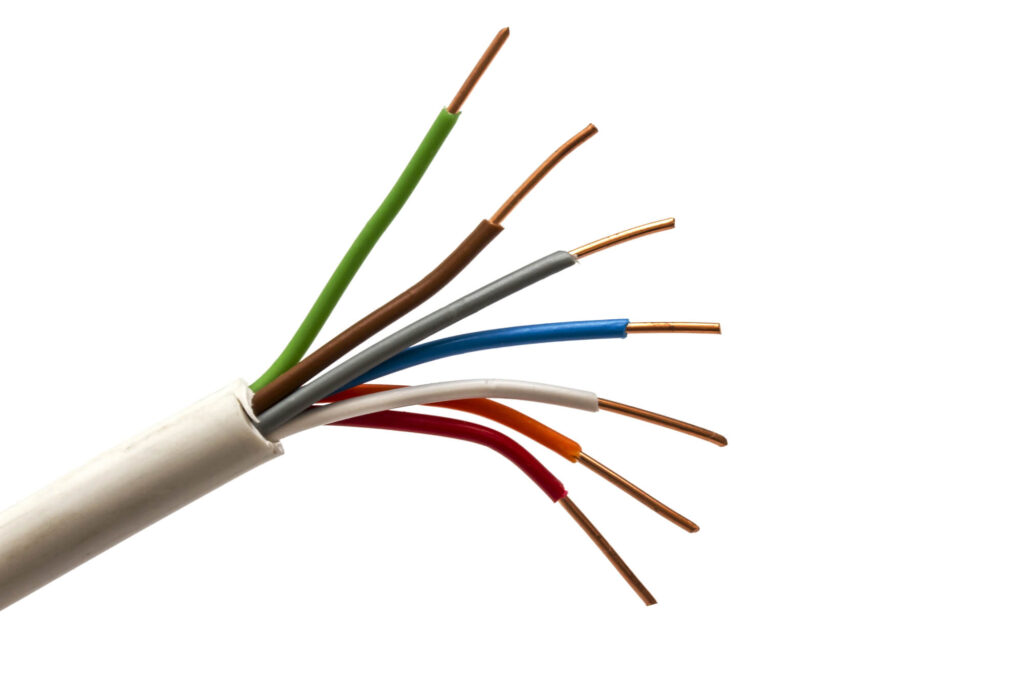
If you discover exposed electrical wires in your home, it’s important to act quickly. Exposed wiring is a serious safety hazard that can lead to electric shock, short circuits, or even house fires if not handled properly.
Whether the wires are behind a wall, in a ceiling, or visible near outlets or fixtures, this guide will explain what to do immediately, what causes exposed wire — a serious workplace and home hazard that OSHA’s electrical safety standards classify as an immediate danger requiring prompt professional corrections, and how to fix the problem safely.
⚡ Key Takeaways
- Electrical wires are designed to be fully insulated and protected inside walls, conduits, or fixtures.
- Damaged insulation: Wear and tear can cause insulation to crack or peel away.
- Some exposed wires may not be immediately obvious.
What It Means When Electrical Wires Are Exposed
Electrical wires are designed to be fully insulated and protected inside walls, conduits, or fixtures. When wires become exposed, it means the protective covering has been damaged, removed, or improperly installed.
This exposes live electrical conductors, increasing the risk of shock, arcing, and fire. Even low-voltage wires can become dangerous depending on the situation.
Exposed wires should always be treated as live and hazardous until proven otherwise.
Common Causes of Exposed Electrical Wires
- Damaged insulation: Wear and tear can cause insulation to crack or peel away.
- Rodent damage: Mice and rats often chew through wiring.
- DIY or poor installation: Improper work can leave wires unprotected.
- Renovation or construction work: Walls or ceilings opened without proper repair.
- Aging electrical systems: Older wiring becomes brittle and deteriorates.
- Physical damage: Nails, screws, or impacts can expose wiring.
Warning Signs of Dangerous Exposed Wiring
Some exposed wires may not be immediately obvious. Look for these warning signs:
- Visible copper or metal wiring outside insulation
- Frayed or cracked wire coating
- Burn marks or discoloration around wires
- Sparks or buzzing sounds
- Burning smell or melted plastic odor
- Frequent breaker trips or power issues
If you notice any of these signs, avoid touching the wires and take immediate action to reduce risk.
What to Do If You Find Exposed Electrical Wires
If you come across exposed wiring in your home, follow these steps carefully:
1. Turn Off Power Immediately
Locate your electrical panel and switch off power to the affected circuit to prevent shock or further damage.
2. Avoid Contact
Do not touch exposed wires, even if you believe the power is off. Always treat them as live.
3. Keep Others Away
Ensure children and pets stay clear of the area until it has been repaired.
4. Inspect from a Safe Distance
Look for obvious signs of damage such as fraying, burns, or loose wires.
5. Use Temporary Protection (If Necessary)
If the situation is urgent, you may cover exposed areas with electrical tape as a temporary solution—but this is not a permanent fix.
6. Call a Licensed Electrician
Permanent repairs require proper tools, materials, and expertise to ensure safety and code compliance.
Never attempt complex electrical repairs unless you are trained and experienced.
Exposed electrical wires are a serious emergency. Contact our 24/7 emergency electricians immediately, or schedule a safety assessment with our repair team.
How to Prevent Exposed Electrical Wires
- Schedule regular inspections: Identify worn or damaged wiring early.
- Upgrade old wiring systems: Replace outdated materials with modern, safer options.
- Protect wires during renovations: Ensure proper installation and repair.
- Address rodent problems: Prevent animals from damaging wiring.
- Avoid DIY electrical work: Improper handling increases risk of exposure.
Electrical Repair Costs
The cost to fix exposed electrical wires depends on the extent of the damage:
- Minor insulation repair: $100 – $300
- Replacing damaged wiring section: $200 – $800
- Installing protective conduit or junction box: $150 – $500
- Electrical inspection and diagnosis: $150 – $400
- Whole-home rewiring (if needed): $5,000 – $15,000+
Fixing exposed wires promptly is essential to prevent more expensive damage and ensure safety.
How Exposed Wiring Creates Shock and Fire Hazards
Exposed electrical wiring poses two primary dangers: electrocution risk and fire risk. Any exposed conductor carrying electrical current can deliver a severe shock if touched directly or through conductive materials like water or metal. This is particularly dangerous in wet areas—bathrooms, kitchens, and basements—where moisture increases electrical conductivity. Even low-voltage circuits can be hazardous; a 120-volt circuit can deliver a fatal shock under certain conditions, and 240-volt circuits almost certainly will. Children and pets are especially vulnerable because they may touch exposed wires without understanding the danger.
Exposed wire insulation also degrades over time, especially when exposed to temperature fluctuations, UV light, or moisture. Deteriorating insulation exposes bare copper underneath, increasing shock risk. Additionally, exposed wiring generates heat during operation, and if insulation is damaged, the heat can ignite nearby combustibles. Bare wire running through an attic filled with insulation, next to wooden joists, or near stored materials creates a fire hazard. Building codes require all wiring to be enclosed in protective conduit, run through walls, or secured inside approved raceways specifically to prevent these hazards.
Code Violations and Insurance Implications
Exposed electrical wiring violates the National Electrical Code in virtually all residential applications. If your home has exposed wiring, a licensed electrician must reroute and properly conceal it using conduit, junction boxes, and approved installation methods. This is not a cosmetic issue—it’s a safety violation that can void your homeowner’s insurance if an incident occurs. Insurance companies may refuse to cover fire damage or injuries caused by code violations like exposed wiring.
If you’re selling your home, exposed wiring will be flagged during a professional home inspection, and the buyer may demand the issue be corrected before closing. This could mean renegotiating the sale price or losing the sale entirely. Having exposed wiring professionally enclosed now prevents costly problems later and ensures your home meets code standards and insurance requirements.
Temporary vs Permanent Fixes for Exposed Wiring
Electrical tape is never an acceptable permanent solution for exposed wiring—it’s a temporary measure that will fail and create serious safety risks. Electrical tape degrades under heat, UV exposure, and age, becoming brittle and peeling away within months to a few years. Once tape fails, the wire insulation underneath may already be damaged or compromised, creating a severe electrocution and fire hazard. The National Electrical Code (NEC) explicitly prohibits relying on electrical tape for permanent wire protection. Proper permanent solutions include: installing a junction box (if the exposed wiring is a splice point), running the wire through rigid conduit or flexible cable management, using cable staples to secure and protect the wire, or if the wire is truly damaged, replacing that section of wiring entirely with new wire. The cost difference between temporary tape and permanent fixes is modest—a junction box costs $5–$10, conduit runs $0.50–$2 per foot, and a full wire replacement section runs $2–$4 per linear foot.
When exposed wiring is discovered during a home inspection or insurance review, remediation is not optional—it’s a requirement for maintaining code compliance and insurance coverage. A licensed electrician can assess the damage and recommend the most appropriate permanent fix based on the wire type, location, and extent of exposure. Professional repair costs typically range from $200–$800 depending on whether the fix involves simple conduit installation (lower end) or full wire replacement (higher end). If you discover exposed wiring, contact an electrician promptly rather than attempting any temporary bandage. Insurance companies will deny claims on fires traced to inadequately protected exposed wiring, and code violations can complicate home sales or refinancing. A professional permanent fix protects your family, your property, and your insurance coverage.
Frequently Asked Questions
Are exposed electrical wires dangerous?
Yes, exposed wires are extremely dangerous and can cause electric shock, short circuits, and fires if not addressed quickly.
Can I cover exposed wires with electrical tape?
Electrical tape can be used as a temporary fix, but it is not a safe long-term solution. Proper repair is required.
What should I do if I accidentally touch an exposed wire?
Seek medical attention immediately if you experience shock, burns, or symptoms such as dizziness or numbness.
Why does my house smell like burning plastic?
Burning plastic smells often occur when wire insulation overheats or melts due to electrical overloads, loose connections, or faulty appliances.
Get Professional Help Today
If you’ve found exposed electrical wires in your home, don’t delay taking action. Electrical hazards can escalate quickly and put your home and family at risk.
A licensed electrician can safely repair damaged wiring, restore proper insulation, and ensure your electrical system meets safety standards.