
Electrical safety for kids is one of the most important aspects of creating a safe home environment. Children are naturally curious, which means outlets, cords, and appliances can quickly become hazards if proper precautions aren’t in place. Understanding how to prevent electrical accidents—and teaching kids safe habits—can significantly reduce the risk of shocks, burns, and even fires.
In this guide, we’ll cover practical electrical safety tips for kids, warning signs to watch for, and the CPSC Electrical Safety Guide offers excellent age-appropriate resources to help children understand these risks, troubleshooting common issues, and when to call a licensed electrician.
⚡ Key Takeaways
- Electricity is essential in every home, but it can be dangerous when misused.
- Understanding the most common electrical dangers in your home is the first step toward prevention.
- Teaching children about electrical safety early helps them develop safe habits that last a lifetime.
Why Electrical Safety for Kids Matters
Electricity is essential in every home, but it can be dangerous when misused. Children may not understand the risks of inserting objects into outlets, pulling cords, or playing near electrical devices.
Common risks include:
- Electric shock from outlets or exposed wires
- Burns from overloaded plugs or faulty devices
- Fire hazards caused by damaged wiring
- Injuries from improper use of appliances
Taking proactive steps helps protect your children while giving you peace of mind.
Common Electrical Hazards for Kids
Understanding the most common electrical dangers in your home is the first step toward prevention.
- Uncovered outlets: Easily accessible and tempting for small children
- Loose or damaged cords: Can expose live wires
- Overloaded power strips: Increase fire risk
- Appliances near water: Especially dangerous in kitchens and bathrooms
- Extension cords: Often used improperly or left within reach
How to Teach Electrical Safety for Kids
Teaching children about electrical safety early helps them develop safe habits that last a lifetime.
- Explain that outlets and cords are not toys
- Teach them to keep hands dry around electricity
- Show them how to safely unplug devices (pull the plug, not the cord)
- Set clear rules about not inserting objects into outlets
- Supervise young children around electrical devices
Use simple language and repeat these lessons regularly so they stick.
Essential Electrical Safety Tips for Kids
These practical steps can dramatically reduce electrical risks in your home:
- Install outlet covers: Prevent children from inserting objects
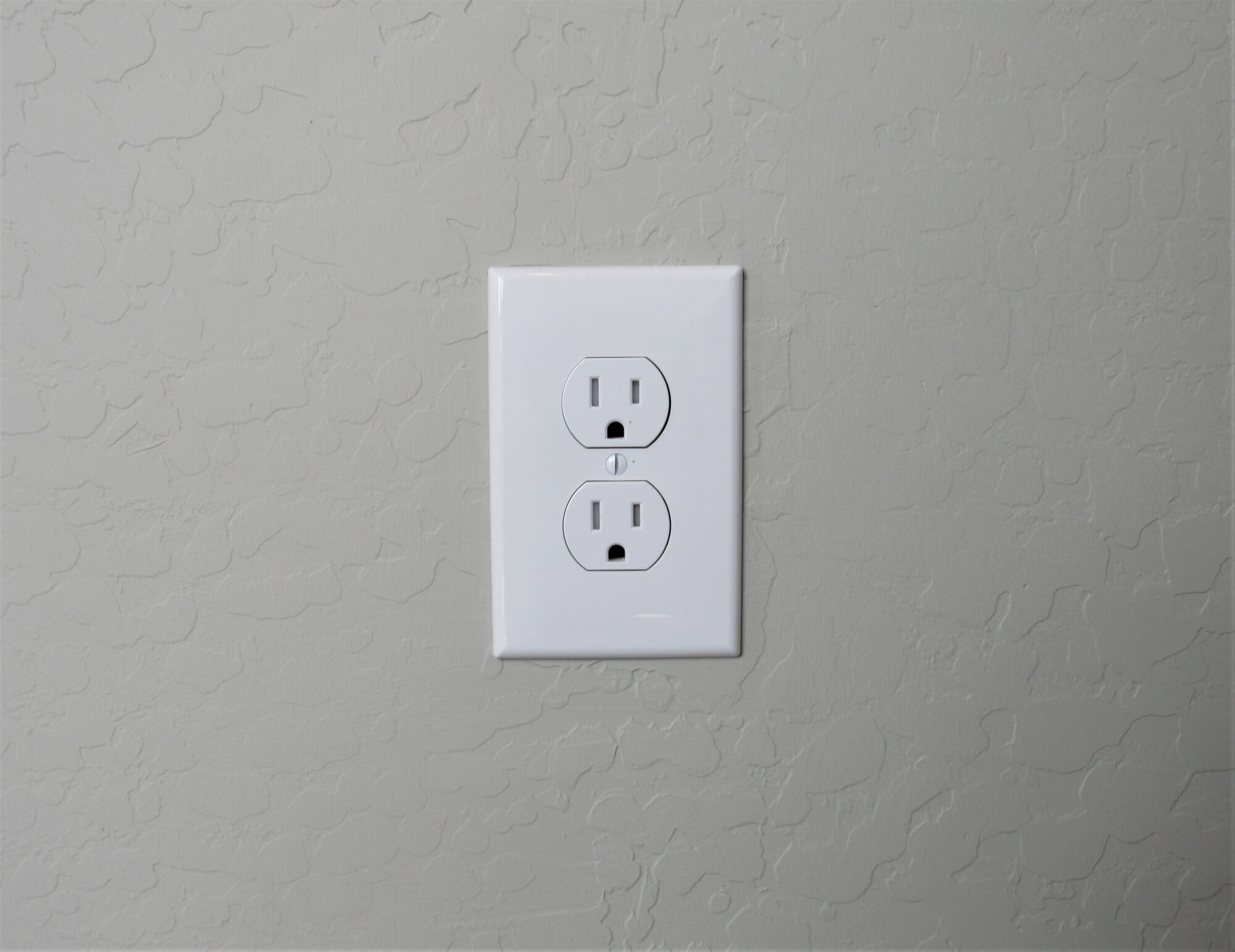
- Use tamper-resistant outlets (TRRs): Built-in protection against foreign objects
- Keep cords out of reach: Avoid dangling or exposed wires
- Secure power strips: Place them behind furniture when possible
- Unplug unused devices: Reduce risk of overheating
- Avoid running cords under rugs: This can cause overheating
- Keep appliances away from water: Especially important in bathrooms and kitchens
Warning Signs of Electrical Danger
Watch for these signs that your home may have electrical issues that could put children at risk:
- Warm or discolored outlets
- Flickering lights
- Buzzing sounds from outlets or switches
- Frequent circuit breaker trips
- Burning smells near electrical fixtures
If you notice any of these issues, it’s important to address them immediately.
Troubleshooting Electrical Safety Issues
Some electrical concerns can be identified and addressed quickly, while others require professional help.
Loose outlet covers:
Tighten screws or replace damaged covers to prevent access.
Damaged cords:
Replace cords immediately—never tape over exposed wires.
Overloaded outlets:
Reduce the number of devices plugged into a single outlet or use additional circuits.
Child-accessible power strips:
Relocate or use safety covers designed for power strips.
Persistent electrical issues:
If problems continue, contact a licensed electrician to inspect your system.
Keeping children safe from electrical hazards starts with the right protections. Our electricians can install tamper-resistant outlets and GFCI protection throughout your home.
Electrical Safety Upgrades and Costs
Investing in electrical safety upgrades can significantly improve protection for your children.
- Outlet covers: $2 – $10 per pack
- Tamper-resistant outlets: $10 – $25 per outlet (plus installation)
- GFCI outlets: $15 – $30 per outlet
- Professional electrical inspection: $150 – $400
- Whole-home safety upgrades: $500 – $2,000+
While some solutions are inexpensive DIY fixes, others require professional installation to ensure safety and compliance with electrical codes.
When to Call a Professional Electrician
You should contact a licensed electrician if:
- You notice recurring electrical issues
- Outlets or switches feel warm to the touch
- Your home has outdated wiring
- You want to install tamper-resistant or GFCI outlets
- You’re unsure how to safely resolve an electrical problem
Professional electricians can identify hidden hazards and ensure your home is safe for your family.
FAQ: Electrical Safety for Kids
Why is electrical safety important for kids?
Children are naturally curious and may not understand electrical dangers. Safety measures and education help prevent shocks, burns, and fires.
What are tamper-resistant outlets?
Tamper-resistant outlets have built-in shutters that prevent foreign objects from being inserted, making them much safer for homes with children.
How can I childproof electrical outlets?
You can use outlet covers, install tamper-resistant outlets, and keep furniture positioned to block access where possible.
Why does my house smell like burning plastic?
Burning plastic smells often occur when wire insulation overheats or melts due to electrical overloads, loose connections, or faulty appliances.
Keep Your Home Safe for Kids
Electrical safety for kids starts with awareness, prevention, and regular maintenance. By identifying hazards, teaching safe habits, and making simple upgrades, you can create a safer environment for your children.
Don’t wait until a problem occurs—take proactive steps today to protect your family and reduce risks in your home.
Call 855-436-0065 for Immediate Assistance
Age-Appropriate Safety Lessons for Children
Electrical safety education should start early and evolve as children grow. For young children (ages 3–7), focus on simple rules: don’t touch outlets, cords, or electrical devices without permission. Use positive language like “That’s for grown-ups” rather than scary warnings. For school-age children (8–12), explain what electricity is and why it’s dangerous—that it can hurt them and they shouldn’t play near power lines or electrical panels. Teenagers can learn more technical details about circuit breakers, how to recognize hazards, and what to do if they see damaged cords or outlets. Role-playing scenarios helps children remember safety rules when real situations arise.
Creating a Safer Home Environment
Beyond teaching children about electricity, parents should actively modify their home to reduce risk. Install GFCI outlets in bathrooms, kitchens, and near water sources—these shut off power in milliseconds if a short circuit is detected. Use outlet covers or plates on unused outlets where young children play. Keep electrical cords away from high-traffic areas and never run cords under rugs or furniture where they can overheat. Store extension cords and power tools in locked cabinets out of reach. Regularly inspect cords for damage and replace worn ones immediately. Ensure your home has working smoke and carbon monoxide detectors, and teach children what these devices do and how to respond if one alarms.
Teaching Kids About Electrical Safety at Different Ages
Electrical safety education should be age-appropriate and reinforced regularly as children grow. For young children ages 3–5, the core message is simple and imperative: “Never touch electrical outlets, switches, or cords.” At this age, curiosity is high and comprehension of abstract danger is limited, so physical barriers (tamper-resistant outlet covers, safety gates around electrical panels) are essential. Ages 6–10 can understand more complex rules: never combine water and electricity, don’t pull cords to disconnect appliances, and ask an adult before using any electrical device. Teach them that outlets and switches are not toys and that damaged cords are dangerous. For teenagers, introduce the concept of circuits, explain why overloading outlets is hazardous, and discuss safe device usage (no phones or headphones near water, proper charging practices). This age group can understand the physics behind electrical hazards and begin making independent decisions about safe behavior.
Installation of tamper-resistant (TR) outlets is one of the most effective safety measures for protecting young children. TR outlets have internal shutters that require simultaneous pressure on both terminals to open—preventing objects from being inserted into one slot. These outlets cost only slightly more than standard receptacles ($1–$3 each) and are now required by the NEC in most residential locations. The Electrical Safety Foundation International (ESFI) provides free educational resources, including videos and printable materials for different age groups, available at esfi.org. Additionally, installing arc-fault circuit interrupter (AFCI) breakers and ground-fault circuit interrupter (GFCI) outlets provides automatic protection even if children accidentally create dangerous situations. Open conversations about electrical safety reinforce the message that electricity is essential but must be treated with respect.