
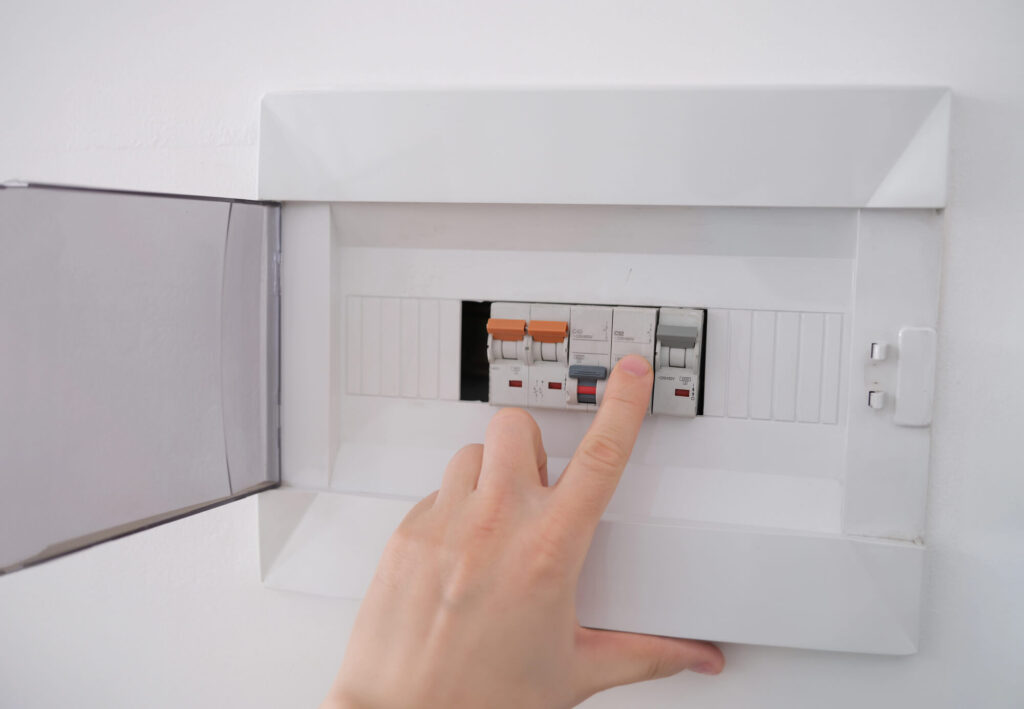
If your breaker trips when dryer starts, it’s a clear sign something isn’t right with your electrical system. While dryers use a lot of power, they shouldn’t repeatedly trip the breaker. This issue can point to anything from a simple overload to a serious wiring fault. In this guide, we’ll break down the causes, warning signs, and practical fixes to help you get your dryer running safely again.
Contents
- 1 What It Means When a Breaker Trips
- 2 Common Causes of Breaker Trips When Dryer Starts
- 3 Warning Signs to Watch For
- 4 Troubleshooting Breaker Trips When Dryer Starts
- 5 When to Call an Electrician
- 6 Electrical Repair Costs
- 7 How to Prevent Breaker Trips in the Future
- 8 Understanding Electrical Load and Circuit Capacity
- 9 Repair vs. Circuit Upgrade: What You Need to Know
- 10 Frequently Asked Questions
- 11 Final Thoughts
⚡ Key Takeaways
- Your circuit breaker is designed to protect your home by shutting off power when it detects a problem.
- Before the breaker trips, your dryer or electrical system may show warning signs:
- Here are safe steps you can take before calling a professional:
What It Means When a Breaker Trips
Your circuit breaker is designed to protect your home by shutting off power when it detects a problem. When your dryer causes the breaker to trip, it usually means:
- The circuit is overloaded
- There’s a short circuit or ground fault
- The dryer is drawing too much current
- The breaker or wiring is faulty
Understanding the root cause is essential before attempting any fix.
Common Causes of Breaker Trips When Dryer Starts
1. Overloaded Circuit
Electric dryers require a dedicated 240-volt circuit. If your dryer shares a circuit with other appliances, it can easily overload and trip the breaker.
2. Faulty Dryer Heating Element
A damaged or shorted heating element can cause excessive current draw, leading to breaker trips when the dryer starts heating.
3. Motor Problems
If the dryer motor is failing or struggling to start, it can pull more power than normal, tripping the breaker.
4. Short Circuit or Ground Fault
Damaged wires inside the dryer or in the wall can create a short circuit, causing the breaker to trip instantly.
5. Worn or Weak Breaker
Older breakers can become sensitive over time and trip even when the load is normal.
6. Loose or Damaged Wiring
Loose connections at the outlet, breaker panel, or inside the dryer can cause overheating and intermittent tripping.
Warning Signs to Watch For
Before the breaker trips, your dryer or electrical system may show warning signs:
- Dryer stops mid-cycle
- Burning smell or hot outlet
- Breaker trips immediately when starting
- Clothes not drying properly
- Buzzing or humming sounds from the dryer
Troubleshooting Breaker Trips When Dryer Starts
Here are safe steps you can take before calling a professional:
1. Check for Dedicated Circuit
Make sure your dryer is on its own circuit. If not, unplug other devices and test again.
2. Inspect the Power Cord and Outlet
Look for signs of wear, burns, or loose connections. If anything looks damaged, stop using the dryer.
3. Reset the Breaker Properly
Turn the breaker fully off, then back on. If it trips again immediately, there’s likely a fault.
4. Clean the Dryer Vent
A clogged vent can cause the dryer to overheat and draw more power than usual.
5. Test Without Load
Run the dryer empty. If it trips under load but not when empty, the issue may be related to overheating or motor strain.
6. Avoid Extension Cords
Dryers should always be plugged directly into a wall outlet designed for their voltage.
Dryer trips mean your laundry circuit may be undersized. Our panel upgrade team and repair specialists can add dedicated circuits.
When to Call an Electrician
If troubleshooting doesn’t resolve the issue, it’s time to bring in a professional. Call an electrician if:
- The breaker trips instantly every time
- You notice burning smells or melted outlets
- The panel feels warm or looks damaged
- The dryer is new but still causes problems
- Your home has older wiring or outdated panels
An electrician can safely diagnose whether the issue is with the dryer, wiring, or breaker.
Electrical Repair Costs
The cost to fix a breaker that trips when your dryer starts depends on the cause:
- Breaker replacement: $100 – $300
- Dryer outlet repair: $150 – $400
- New dedicated circuit: $300 – $900
- Dryer repair (motor or heating element): $150 – $600
- Electrical panel upgrade: $1,000 – $3,500+
Fixing the issue early can prevent more expensive repairs and reduce fire risks.
How to Prevent Breaker Trips in the Future
- Ensure your dryer has a dedicated circuit
- Clean the lint trap and vent regularly
- Inspect wiring and outlets for wear
- Avoid overloading the dryer
- Upgrade old electrical panels if needed
Understanding Electrical Load and Circuit Capacity
Every circuit in your home has a maximum capacity, rated in amps, that’s controlled by the breaker. A 20-amp circuit can safely handle about 2,400 watts of power draw; a 30-amp circuit handles about 3,600 watts. Electric dryers typically draw 30-50 amps, which is why they require their own dedicated circuit. When your breaker trips when the dryer starts, it means the sudden power demand exceeds the circuit capacity or there’s a fault. An electric dryer should never share a circuit with other appliances—it must have its own dedicated line from the panel. If your dryer is on a shared circuit with other appliances (like a washer, dishwasher, or kitchen outlets), you’ve found the problem. Running the dryer while someone is using the microwave or hair dryer can cause the breaker to trip. The solution is installing a dedicated circuit for the dryer—this is the only safe and code-compliant approach. Gas dryers draw much less power (typically 3-5 amps) and may share a circuit with other light-duty appliances, though a dedicated circuit is still preferable. Before blaming the dryer, check what else is on the circuit—if the breaker trips when the dryer is running along with something else, you have a load issue, not a faulty dryer.
Repair vs. Circuit Upgrade: What You Need to Know
If the dryer is on its own dedicated circuit and the breaker still trips, the problem is likely a faulty dryer or a problem with the circuit itself. A professional electrician can test the dryer to determine if it’s failing. Dryer repairs typically cost $150-$400, including diagnostic fees and parts replacement. If the dryer is more than 10 years old and frequently trips the breaker, replacement might be more cost-effective than repair. If the dryer is fine but the circuit keeps tripping even when the dryer runs alone, there’s likely a fault in the wiring or breaker. The electrician will inspect connections, test for ground faults, and may recommend breaker replacement ($150-$300). If your dryer is on a shared circuit, installing a dedicated 240-volt circuit typically costs $300-$600 (labor, materials, permit). This is a code-required upgrade if you’re installing a new electric dryer. If your electrical panel lacks capacity for additional 240-volt circuits, a panel upgrade ($1,500-$3,000+) may be needed first. Always have a licensed electrician assess the situation—they can determine whether the issue is the dryer, the breaker, or the circuit wiring, and recommend the most cost-effective solution.
Frequently Asked Questions
Why does my breaker trip immediately when I start the dryer?
This usually indicates a short circuit, ground fault, or a faulty heating element causing excessive current draw.
Can a clogged dryer vent cause the breaker to trip?
Yes. Restricted airflow can cause overheating, which increases power demand and may trip the breaker.
Is it safe to keep resetting the breaker?
No. Repeated trips indicate an underlying problem that needs to be fixed to avoid fire hazards.
Do dryers need a dedicated circuit?
Yes. Most electric dryers require a dedicated 240-volt circuit to operate safely without overloading.
Final Thoughts
If your breaker trips when your dryer starts, don’t ignore it. While some causes are minor, others can pose serious safety risks. By identifying the issue early and taking the right steps, you can protect your home, extend the life of your dryer, and avoid costly repairs.