
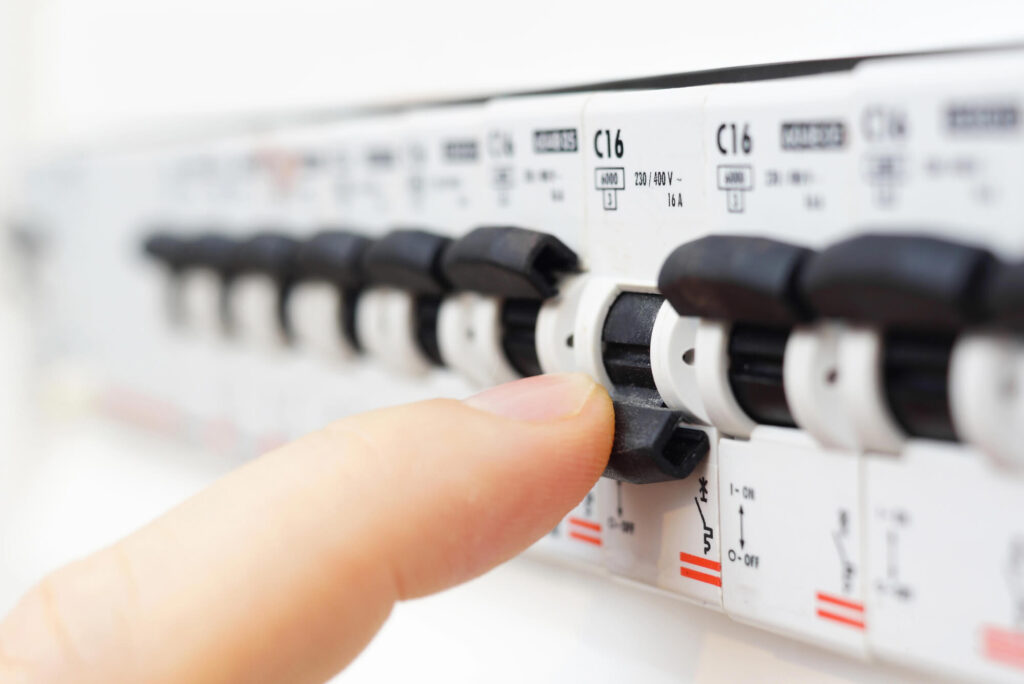
If your breaker trips when heater turns on, it’s a sign your electrical system is under stress or something isn’t working correctly. While heaters naturally draw a lot of power, repeated breaker trips should never be ignored. This guide explains what’s happening, the most common causes, and how you can fix the issue safely.
⚡ Key Takeaways
- Your circuit breaker is designed to protect your home from overheating wires and electrical fires.
- Before the breaker trips, you may notice these warning signs:
- You can try these safe steps before calling a professional:
What It Means When a Breaker Trips
Your circuit breaker is designed to protect your home from overheating wires and electrical fires. When it trips, it cuts power to stop damage or danger. If your heater is causing the breaker to trip, it typically means:
- The circuit is overload — a condition National Electrical Code (NEC) Article 210 addresses through dedicated circuit requirements for high-draw appliances —ed
- There is a short circuit or ground fault
- The heater is drawing too much current
- The breaker or wiring is faulty
Understanding why this happens helps you avoid repeated issues and potential hazards.
Common Causes of Breaker Trips When Heater Turns On
1. Circuit Overload
Portable heaters and baseboard heaters can draw a significant amount of electricity. If they share a circuit with other devices, the combined load can exceed the circuit’s capacity.
2. Faulty Heater
Internal problems like damaged heating elements, worn wiring, or manufacturing defects can cause the heater to draw excessive current or short internally.
3. Short Circuit
A short circuit occurs when a live wire touches a neutral or ground wire. This causes a sudden surge of current that trips the breaker instantly.
4. Ground Fault
If electricity leaks outside its intended path due to insulation damage, the breaker will trip to prevent electric shock or fire risk.
5. Aging or Weak Breaker
Breakers can wear out over time and become overly sensitive, tripping even when the load is within safe limits.
6. Undersized Circuit
Older homes may not have circuits designed to handle modern heating appliances, leading to frequent breaker trips.
Warning Signs to Watch For
Before the breaker trips, you may notice these warning signs:
- Lights dimming when the heater turns on
- Warm or discolored outlets
- Burning or plastic smells
- Breaker trips immediately or after a short delay
- Heater shutting off unexpectedly
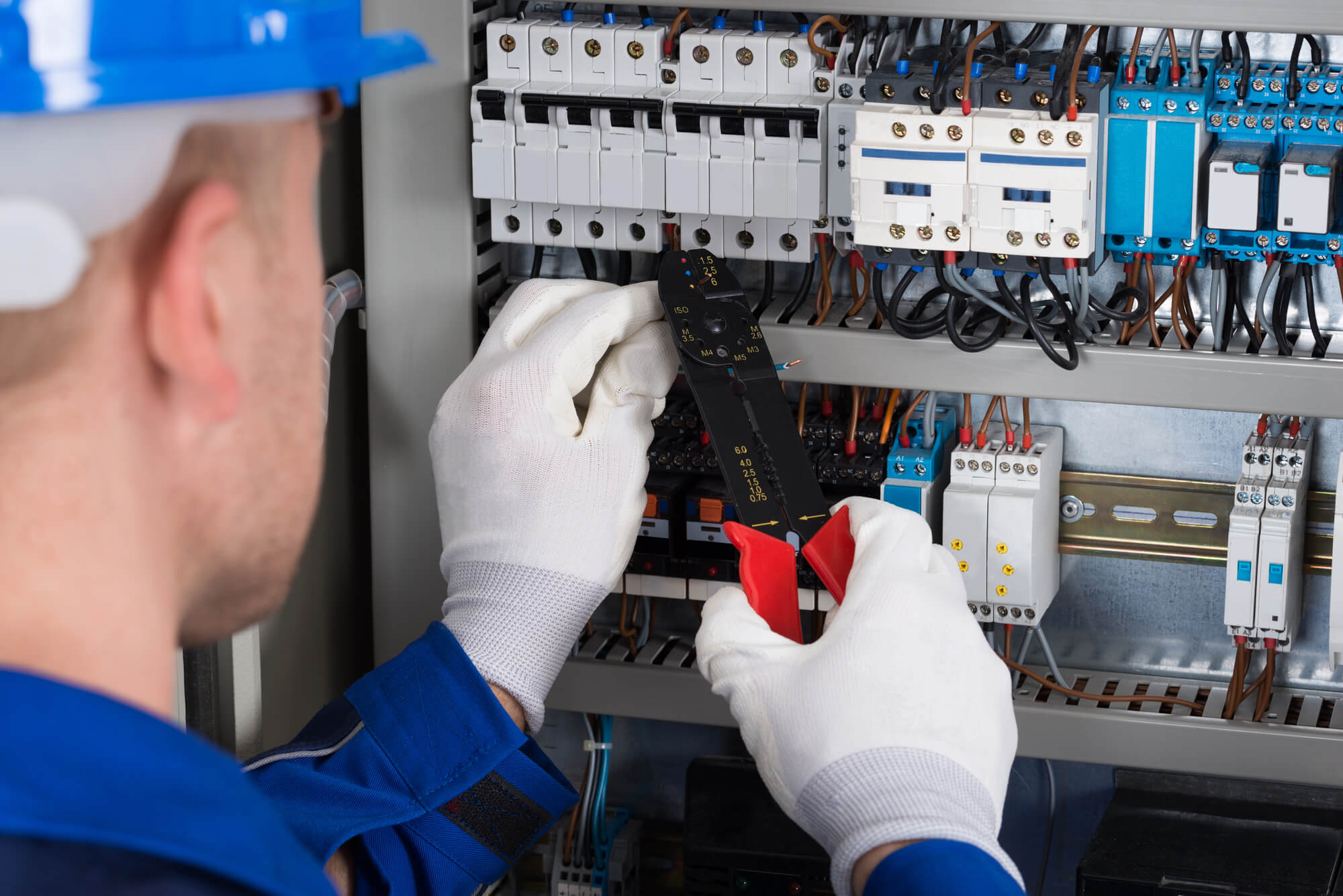
Breaker Trips When Heater Turns On: Troubleshooting Steps
You can try these safe steps before calling a professional:
1. Reduce the Load on the Circuit
Unplug other appliances on the same circuit and test the heater again.
2. Try a Different Circuit
Plug the heater into another outlet on a different breaker to see if the issue persists.
3. Inspect the Heater
Look for frayed cords, burn marks, or unusual smells. Stop using the heater if you notice any damage.
4. Reset the Breaker
Turn the breaker fully off and then back on. If it trips again immediately, there may be a serious fault.
5. Avoid Extension Cords
Heaters should always be plugged directly into a wall outlet. Extension cords can overheat and increase risk.
6. Check Heater Wattage
Compare the heater’s wattage to the circuit rating. Most standard circuits handle 15–20 amps, which can be easily exceeded by high-powered heaters.
Heater-related trips often point to an undersized or aging panel. Our panel specialists and repair team can upgrade your system.
When to Call an Electrician
If the breaker continues to trip, professional help is needed. Contact an electrician if:
- The breaker trips instantly every time
- You smell burning or see signs of melting
- The panel feels warm or makes buzzing sounds
- The heater is new but still causes problems
- Your home has older wiring or outdated circuits
An electrician can test the circuit, inspect wiring, and determine whether the issue is with the heater or your electrical system.
Electrical Repair Costs
The cost to fix a breaker that trips when a heater turns on varies depending on the cause:
- Breaker replacement: $100 – $300
- Outlet or wiring repair: $150 – $500
- New dedicated circuit: $300 – $800
- Heater repair or replacement: $100 – $600
- Electrical panel upgrade: $1,000 – $3,000+
Addressing the issue early can save money and reduce the risk of electrical fires.
How to Prevent Breaker Trips in the Future
- Use heaters on dedicated circuits when possible
- Avoid plugging multiple high-wattage devices into one outlet
- Regularly inspect cords and outlets
- Upgrade outdated panels and wiring
- Choose heaters that match your home’s electrical capacity
Panel Capacity and Demand Load Calculation
The reason your heater trips the breaker is demand—the total electrical load at any moment exceeds what your service panel is designed to handle. Most homes have either 100-amp or 200-amp service. A 100-amp service is common in older homes but often insufficient for modern heating and cooling demands. Space heaters draw 10–15 amps alone; add in air conditioning, water heater, kitchen appliances running simultaneously, and the total demand spikes. When demand exceeds the panel’s capacity, the main breaker trips to prevent overheating and fire. The National Electrical Code calculates demand load by adding up the amp ratings of all major appliances and circuits, then applying usage factors—you don’t multiply everything together because not all devices run simultaneously. However, heating and cooling are two of the few loads that often run together, making them a common culprit for tripping. A licensed electrician can audit your home’s demand load and recommend whether you need a service upgrade.
Solutions to Prevent Tripping
The simplest immediate fix is to avoid running the heater simultaneously with other high-load appliances. Run your space heater when the air conditioning isn’t running, avoid starting the oven or clothes dryer during heating use, and stagger hot-water usage. However, this is only a temporary band-aid; you shouldn’t have to choose between heating and other necessities. A permanent solution requires increasing your service capacity. A 100-amp service upgrade to 200 amps costs $2,000–$4,000 and involves replacing the meter and main panel. Before upgrading, consider whether the space heater is necessary—often rooms can be heated more efficiently with zone heating or by adjusting the central thermostat and closing doors to unused rooms. If you must have supplemental heat, an electrician can install a dedicated 240V heating circuit, which distributes the heater’s load directly from the panel rather than competing with other circuits.
Frequently Asked Questions
Why does my house smell like burning plastic?
Burning plastic smells often occur when wire insulation overheats or melts due to electrical overloads, loose connections, or faulty appliances.
Why does my breaker trip only when the heater starts?
Heaters require a surge of power when turning on. If the circuit cannot handle the load, the breaker will trip immediately.
Is it dangerous if my heater keeps tripping the breaker?
Yes. Repeated trips can indicate overheating, faulty wiring, or a failing appliance, all of which can pose fire risks.
Do space heaters need a dedicated circuit?
High-wattage space heaters often perform best on dedicated circuits to prevent overload and improve safety.
Final Thoughts
If your breaker trips when your heater turns on, don’t ignore it. While it may seem like a minor inconvenience, it often points to an underlying electrical issue that needs attention. Taking action early can protect your home, improve safety, and ensure your heating system runs reliably.