
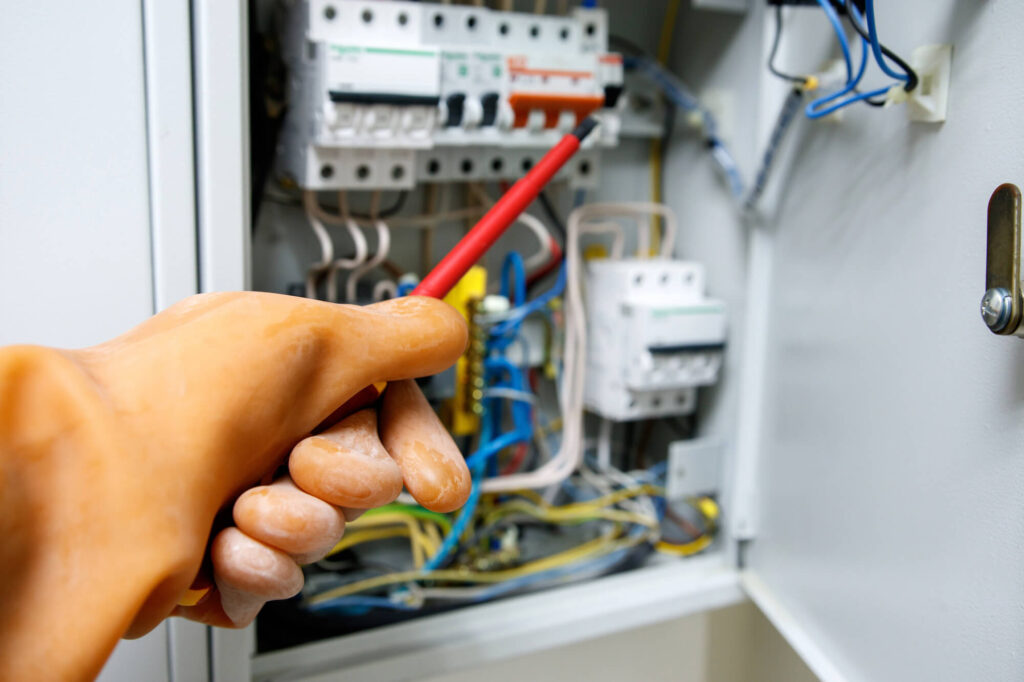
Knowing when to upgrade your electrical panel can prevent dangerous overloads, costly repairs, and even house fires. Most panels last 25–40 years, but age alone isn’t always the deciding factor — your electrical needs, safety concerns, and any planned home upgrades matter just as much. This guide covers the key warning signs that it’s time to call a licensed electrician about a panel upgrade.
⚡ Key Takeaways
- Occasional breaker trips are normal, but if breakers trip repeatedly under everyday loads — running a microwave, hair dryer, or vacuum cleaner — your panel may be undersized or have faulty breakers that can no longer handle the demand.
- Installing a Level 2 EV charger, electric vehicle charging station, hot tub, central air conditioning, electric range, or any major 240V appliance often requires dedicated circuits and additional panel capacity.
- Flickering or dimming lights when a refrigerator, HVAC, or washing machine cycles on indicates that the circuit is drawing more current than the panel can cleanly supply.
Your Breakers Trip Frequently
Occasional breaker trips are normal, but if breakers trip repeatedly under everyday loads — running a microwave, hair dryer, or vacuum cleaner — your panel may be undersized or have faulty breakers that can no longer handle the demand. A licensed electrician can perform a load calculation to determine whether your panel capacity is the root cause.
You’re Adding Major Appliances or an EV Charger
Installing a Level 2 EV charger, electric vehicle charging station, hot tub, central air conditioning, electric range, or any major 240V appliance often requires dedicated circuits and additional panel capacity. If your panel is already fully loaded, adding these draws without an upgrade creates a serious overload risk.
Lights Flicker or Dim When Appliances Turn On
Flickering or dimming lights when a refrigerator, HVAC, or washing machine cycles on indicates that the circuit is drawing more current than the panel can cleanly supply. This is a classic sign of an undersized or aging panel struggling under modern loads.
Your Panel Uses Fuses Instead of Breakers
If your home still has a fuse box rather than a circuit breaker panel, it almost certainly needs to be upgraded. Fuse-based panels are from an era when homes had far lower electrical demands. They also create a temptation to install oversized fuses — a dangerous practice that removes the protection against overloads.
You Have a Recalled Panel Brand
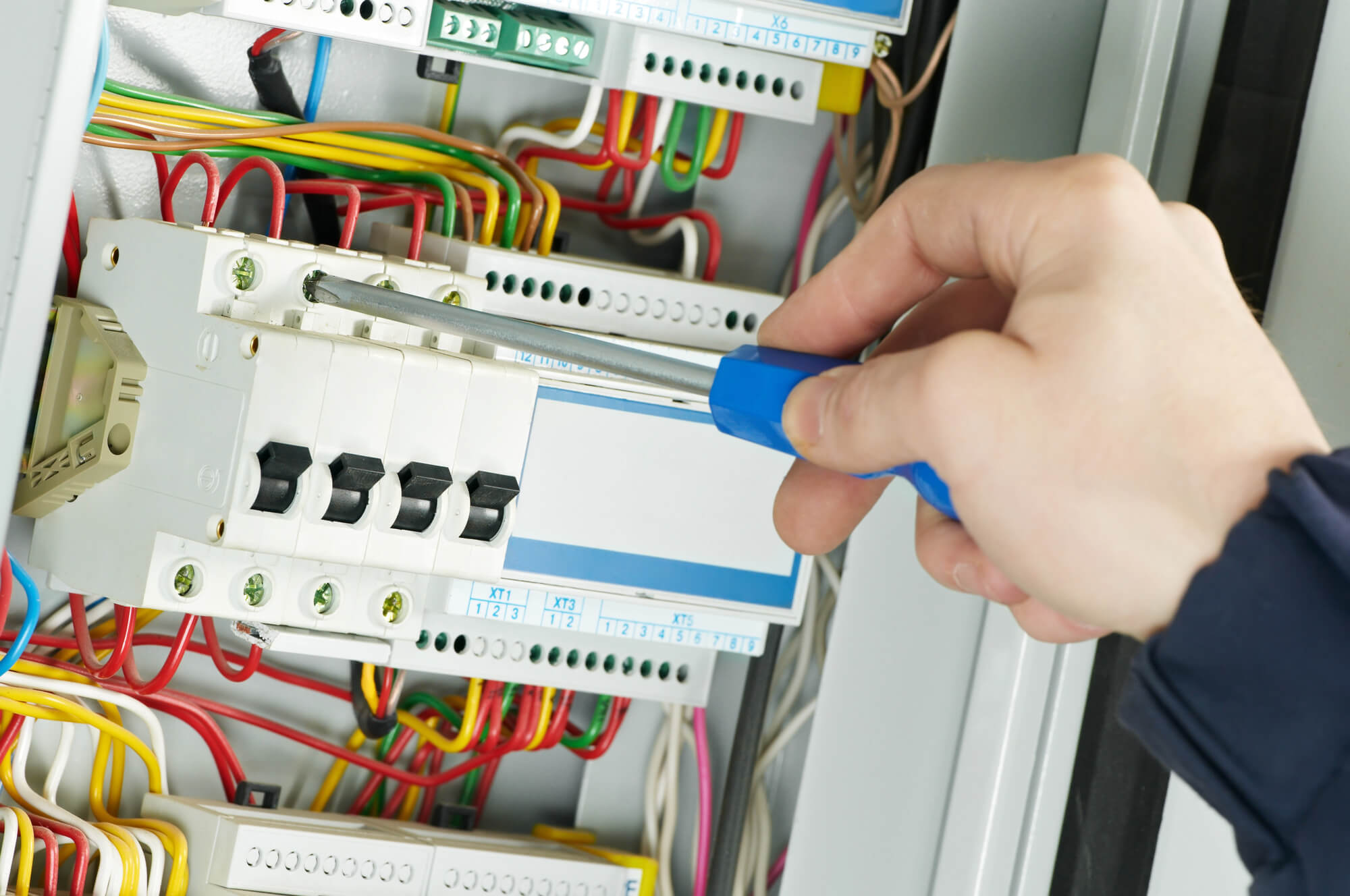
Two major panel brands — Federal Pacific Electric (Stab-Lok) and Zinsco — have been the subject of fire safety investigations and should be replaced regardless of age — the U.S. Consumer Product Safety Commission (CPSC) has documented fire risks associated with these recalled panel brands. If your panel has either of these labels, have it inspected and replaced by a licensed electrician as soon as possible. These panels have documented failure modes where breakers do not trip under overload, creating a serious fire risk.
You’re Adding a Home Addition or ADU
Any significant increase in living space — a home addition, finished basement, or accessory dwelling unit — adds electrical circuits and load. Your current panel may not have the capacity or available breaker slots to support the expanded home safely.
You Smell Burning or See Scorch Marks
A burning smell, melted plastic, visible scorch marks, or heat radiating from the panel are emergency warning signs. Turn off the main breaker and call a licensed electrician immediately — do not ignore these symptoms. They indicate serious internal damage that creates an imminent fire hazard.
If you’re seeing multiple warning signs, don’t wait. Our panel upgrade team can evaluate your system and recommend the right solution for your home.
Your Panel Is More Than 25–30 Years Old
Even without obvious symptoms, panels approaching 30 years of age are worth having inspected. Components wear out over time, breakers become sluggish, and older panels are designed for electrical loads far below what modern homes require. A licensed electrician can assess whether your panel is still safe and adequate for your needs.
Calculating Your Home’s Electrical Demand vs. Available Capacity
Understanding whether your current panel has adequate capacity requires calculating your home’s total electrical demand. Major appliances each draw significant amperage: electric oven (40–50 amps), electric dryer (30 amps), air conditioning system (15–30 amps depending on tonnage), water heater (40–50 amps), electric heat pump or resistance heating (15–30 amps), and an EV charger (typically 30–50 amps). A 100-amp service is the total available; if you’re simultaneously running high-draw appliances (air conditioning, electric oven, dryer, and water heater), you’re likely at or exceeding capacity. Most electricians recommend upgrading to 200-amp service if your home has any electric heating, air conditioning, and modern appliances, or if you’re planning to add an EV charger. A rough calculation: total the amperage of your major appliances; if the sum approaches or exceeds 100 amps, a service upgrade should be prioritized. Additionally, if you’re planning home renovations (adding circuits for new rooms, adding a home office with multiple outlets, installing a hot tub), your electrician will factor this into capacity planning. Many electricians recommend a 200-amp service for any home larger than 2,500 square feet or any home with multiple high-draw systems.
Permitting, Inspection, and Getting the Work Done Properly
A panel upgrade is a major electrical project requiring permits and inspection by your local building authority. The permitting process typically takes 1–2 weeks; the electrician submits plans showing the new panel size, service entrance configuration, and how existing circuits will be redistributed. Once permitted, the actual upgrade takes 1–3 days depending on whether the utility company needs to upgrade the meter and service lines as well. The utility company may charge a one-time fee ($200–$500) if upgrading their equipment is necessary. Your electrician will schedule the work around the utility company’s availability; most utilities require coordination to temporarily de-energize the service entrance during the upgrade. After the electrician completes the work, a municipal inspector will perform a final inspection before power is restored; this inspection confirms all connections meet code and are safe. Cost for a panel upgrade typically ranges from $3,000–$8,000 including permits and inspection. If your service entrance lines or meter are also old or damaged, additional costs may apply. It’s important not to delay this work; oversized panels that are improperly connected or older panels with corrosion and loose breakers pose fire risks that worsen over time. Scheduling a professional inspection and planning the upgrade promptly protects your home and ensures you can safely power modern electrical loads.
Frequently Asked Questions
How do I know if my panel is recalled?
Federal Pacific Electric (Stab-Lok) and Zinsco are the two most commonly recalled residential panel brands. Check the label on the inside of your panel door. If it says either name, call a licensed electrician for an inspection and replacement quote.
Can I just add more breaker slots instead of replacing the panel?
In some cases, a sub-panel can be added to expand capacity without replacing the main panel. However, if the main panel is undersized, recalled, or damaged, full replacement is the appropriate solution. An electrician can assess your specific situation.
How much does a panel upgrade typically cost?
Most homeowners pay $1,500 – $4,000 for a standard 100-to-200 amp panel upgrade, including labor, the new panel, permits, and utility coordination. Larger upgrades or complex installations cost more.
Is a panel upgrade worth it for resale value?
Yes. An updated 200 amp panel is a strong selling point — buyers and home inspectors look for it. Older or recalled panels can actually reduce your home’s value or become a contingency in sale negotiations.