
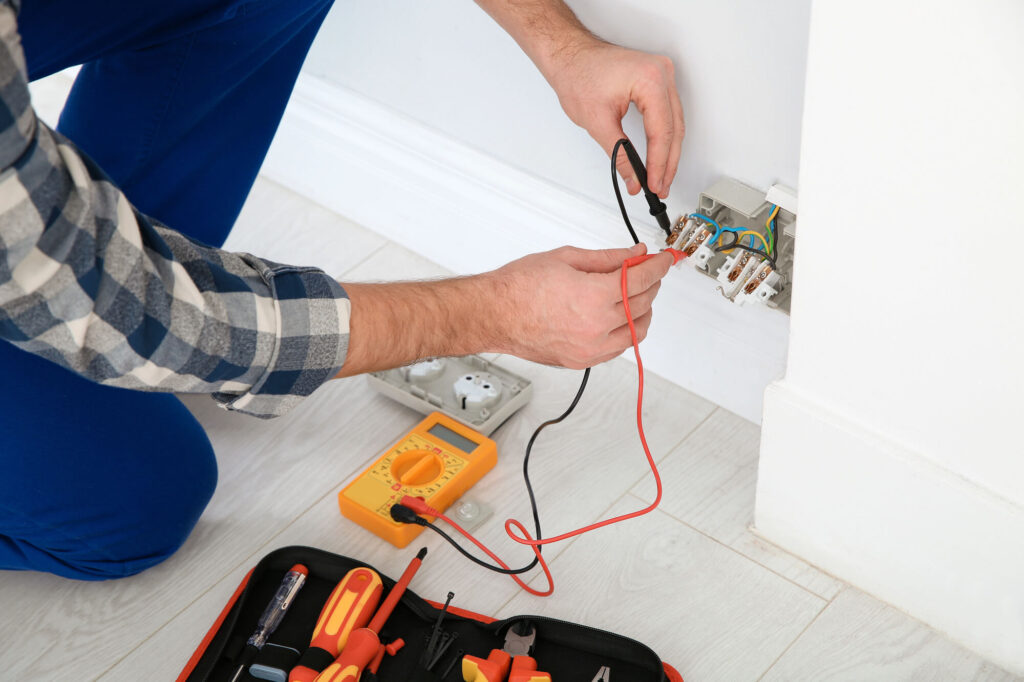
A sudden loss of power in your home can be disorienting and sometimes dangerous — especially if it affects medical equipment, heating systems, or security devices. Knowing how to respond quickly and safely can help you restore power faster and avoid making a bad situation worse. This guide covers the most common causes of whole-home power loss and exactly what to do step by step.
Contents
- 1 First Steps When Your House Loses Power
- 2 Common Causes of Whole-Home Power Loss
- 3 Safety Precautions During a Power Outage
- 4 When Power Is Restored
- 5 When to Call a Licensed Electrician
- 6 Safety Steps to Take During a Power Outage
- 7 What to Expect from Your Utility and Next Steps
- 8 Frequently Asked Questions
⚡ Key Takeaways
- Before assuming a major problem, run through these quick checks:
- Tripped Main Breaker Your main breaker protects the entire panel from overload.
- Use flashlights rather than candles to avoid fire risk Keep refrigerator and freezer doors closed to preserve food — a full freezer stays frozen for up to 48 hours Never run a port
First Steps When Your House Loses Power
Before assuming a major problem, run through these quick checks:
- Check your neighbors: Look outside to see if nearby homes have lost power. If they have, the outage is likely a utility issue, not a home electrical problem.
- Check the utility company’s outage map: Most utilities have a live outage map and reported restoration times available on their website or app.
- Check your main breaker: Go to your electrical panel and check whether the main breaker has tripped. It will be in the middle or OFF position if so.
- Check individual breakers: If only parts of your home have lost power, check whether any individual circuit breakers have tripped.
Common Causes of Whole-Home Power Loss
Utility Outage
The most common cause of whole-home power loss is a problem on the utility grid — a downed line, transformer failure, or scheduled maintenance. If your neighbors are also without power, contact your utility company to report the outage and get an estimated restoration time.
Tripped Main Breaker
Your main breaker protects the entire panel from overload. If your home’s total electrical demand exceeds the main breaker’s rating, or if a severe fault occurs, the main breaker can trip. You’ll see it in the middle position in your panel. Reset it by pushing firmly to OFF, then back to ON. If it trips again, call a licensed electrician.
Service Entrance Problem
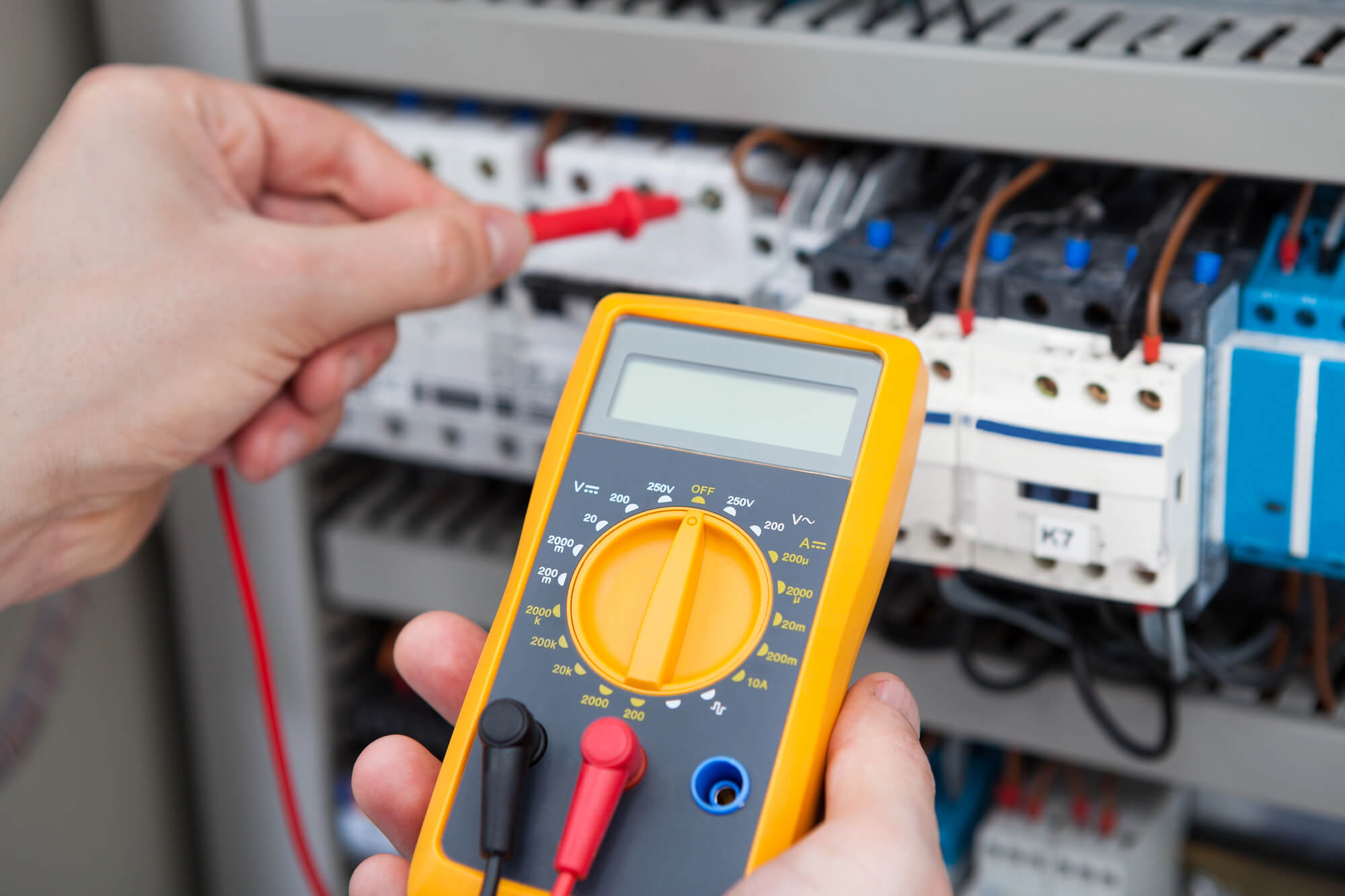
If your neighbors have power but you don’t, and your main breaker appears to be on, the problem may be with your service entrance — the conductors that bring power from the utility pole to your meter and panel. This requires the utility company to investigate the connection from the pole, and possibly a licensed electrician to assess the service entrance on your side of the meter.
Safety Precautions During a Power Outage
- Use flashlights rather than candles to avoid fire risk
- Keep refrigerator and freezer doors closed to preserve food — a full freezer stays frozen for up to 48 hours
- Never run a portable generator indoors, in a garage, or near windows — carbon monoxide from generators kills
- Keep generator exhaust pointed away from the home and at least 20 feet from any opening
- Do not use gas stoves or ovens for heat
- Unplug major appliances to avoid damage from surges when power is restored
When Power Is Restored
When utility power comes back, allow a few minutes before reconnecting appliances. Power restoration can involve a brief surge — having appliances unplugged protects them. Plug in devices one at a time and monitor for any unusual behavior, smells, or sparking.
When your home loses power unexpectedly, our 24/7 emergency electricians can respond fast. Don’t wait if you smell burning or see sparks.
When to Call a Licensed Electrician
Call a licensed electrician immediately if:
- Your neighbors have power but your home does not
- Your main breaker has tripped and won’t hold after reset
- You smell burning or see sparks when attempting to reset breakers
- Power is restored but some circuits in your home still don’t work
- Your meter shows voltage but your panel has no power
Safety Steps to Take During a Power Outage
When your power goes out, your first priority is safety. Avoid using candles or open flames—they’re fire hazards, especially in homes with older wiring or nearby flammable materials. Use flashlights instead. Keep your refrigerator and freezer doors closed as much as possible to preserve food. Food will stay cold for several hours if the door remains shut. During winter outages, use alternative heating carefully—never use your oven or stovetop to heat your home, as this creates carbon monoxide hazards. Only use portable heaters that are designed for that purpose and keep them away from curtains, furniture, and combustibles. In summer, avoid using multiple high-wattage appliances simultaneously when power returns, as sudden power surges can damage electronics and cause breaker trips. Stay away from downed power lines and standing water, as water conducts electricity. Never assume a downed line is dead—always treat fallen power lines as live and dangerous. If you smell gas during an outage, evacuate immediately and call emergency services. Do not use a gas grill inside your home or garage, as this creates deadly carbon monoxide hazards.
What to Expect from Your Utility and Next Steps
Contact your utility company immediately to report the outage—they track calls to understand the scope of the problem and prioritize repairs. You can usually report outages via their website, mobile app, or phone line. The utility will provide estimated restoration times, though these are often conservative estimates. Check their website or app throughout the outage for updates. Once power is restored, check your entire home. Look for any burning smells, discolored outlets, damaged appliances, or unusual sounds from your electrical system. If you notice any of these signs, call a licensed electrician—power surges during restoration can damage wiring and equipment. Test your smoke detectors and carbon monoxide detectors after the outage to ensure they still work. If you experienced an extended outage, have a professional electrician inspect your panel and main connections to ensure no damage occurred. Some power outages are caused by problems in your home—a failed breaker or damaged wire—rather than issues at the utility. If outages are recurring or isolated to your home, schedule an electrical inspection to identify and fix underlying problems.
Frequently Asked Questions
How long can a utility outage last?
Minor outages caused by a blown fuse or downed line typically resolve within a few hours. Major storm-related outages affecting wide areas can last days to over a week. Check your utility’s outage map for current estimates.
Can I reset my main breaker myself?
Yes, if it has tripped due to an overload or momentary fault, you can safely reset it yourself: push firmly to OFF, then to ON. If it trips again immediately, do not reset it again — call a licensed electrician.
Why does only part of my house lose power?
Partial power loss — where some rooms or circuits work and others don’t — typically indicates a tripped circuit breaker, a blown fuse (in older homes), or a fault on a specific circuit. Check your panel for any breakers in the middle or OFF position.
Is it safe to use a generator during an outage?
Yes, if used correctly. Portable generators must always be operated outdoors, away from windows and doors, with exhaust pointed away from the home. Never connect a generator directly to home wiring without a proper transfer switch — this creates a deadly backfeed hazard.