
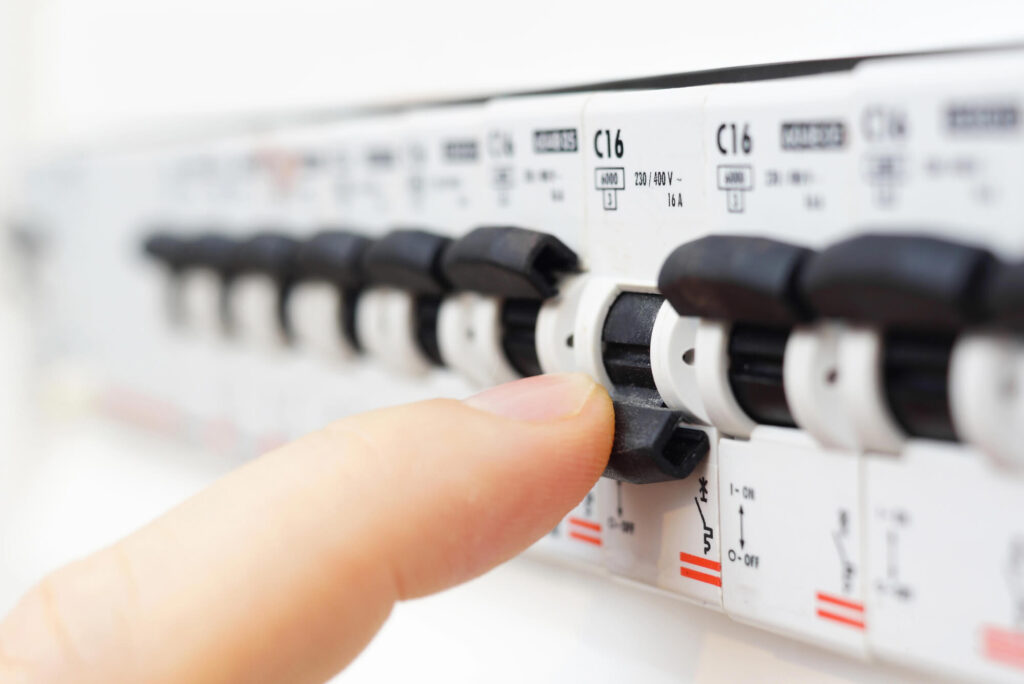
Resetting a tripped circuit breaker is one of the most common electrical actions homeowners take — and in most cases it’s safe and straightforward. But there are situations where resetting a breaker repeatedly is not safe, and understanding the difference protects you and your home. This guide explains when it’s safe to reset a breaker, when to stop, and when to call a licensed electrician.
⚡ Key Takeaways
- A circuit breaker trips — automatically switching to the off position — when it detects a condition that could damage wiring or create a fire hazard — the U.S. Consumer Product Safety Commission (CPSC) advises never forcing a repeatedly tripping breaker without first identifying the cause.
- Resetting a breaker is safe when the cause of the trip was a simple, identifiable overload.
- Stop resetting and call a licensed electrician if any of the following apply:
Why Do Breakers Trip?
A circuit breaker trips — automatically switching to the off position — when it detects a condition that could damage wiring or create a fire hazard. There are three main causes:
- Overload: More current is flowing through the circuit than it’s rated for. Too many appliances on one circuit is the most common cause.
- Short circuit: A hot wire contacts a neutral or ground wire, causing a sudden surge of current. This is more serious and often causes a loud pop when it trips.
- Ground fault: Current leaks to ground through an unintended path — often through a person, water, or a damaged appliance. GFCI breakers and outlets are designed specifically to detect this.
When Is It Safe to Reset a Breaker?
Resetting a breaker is safe when the cause of the trip was a simple, identifiable overload. Follow this procedure:
- Step 1: Unplug or turn off devices on the circuit — especially high-draw appliances that may have overloaded it
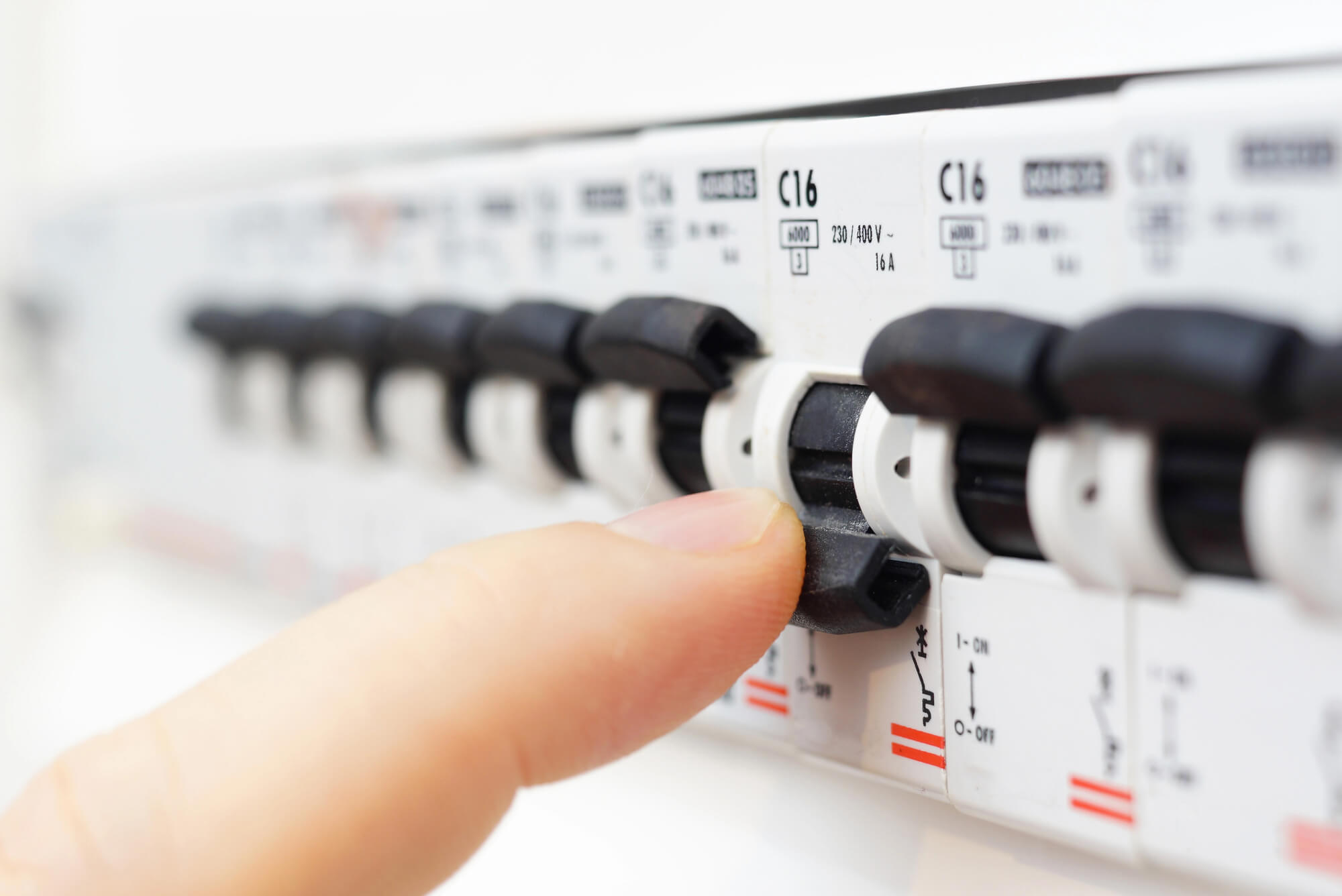
- Step 2: Push the breaker firmly to the full OFF position until it clicks
- Step 3: Push it firmly back to ON
- Step 4: Plug devices back in one at a time to identify any that trigger the trip again
If the breaker holds after reset and you’ve identified and removed the overloading device, the situation is resolved.
When Is It NOT Safe to Reset a Breaker?
Stop resetting and call a licensed electrician if any of the following apply:
- The breaker trips immediately after every reset attempt
- The breaker trips with nothing plugged into the circuit
- There was a loud pop, burning smell, or sparks when the breaker tripped
- The breaker or panel feels warm or hot
- The breaker won’t hold in the ON position at all
- Multiple breakers trip simultaneously
Continuing to reset a breaker that’s responding to a short circuit or ground fault bypasses the protection it provides and risks wiring damage or fire.
How Many Times Can You Reset a Breaker?
If a breaker is responding to a genuine overload that has been cleared, resetting it once is fine. If it trips again after reset, you may try once more after further reducing the load on the circuit. If it trips a third time, stop — the breaker may be faulty, or there may be a wiring fault that won’t resolve by removing load. At this point, a licensed electrician should diagnose the circuit before any further resets.
Can Resetting a Breaker Wear It Out?
Yes. Circuit breakers are rated for a finite number of trip-and-reset cycles. Repeatedly resetting a breaker — especially under fault conditions — accelerates wear. An old breaker that has been reset hundreds of times may no longer trip at the correct amperage, reducing the protection it provides. Breakers in homes 20+ years old should be inspected periodically.
If your breaker keeps tripping after you reset it, don’t keep resetting — call our diagnostic team to find the underlying cause before it becomes a hazard.
Distinguishing Normal Overloads from Hazardous Fault Conditions
A circuit breaker that trips occasionally when you’re running multiple high-draw appliances simultaneously (e.g., turning on the oven while the air conditioner compressor starts) indicates a legitimate overload that the breaker is designed to handle. This is normal operation and not dangerous. However, a breaker that trips repeatedly even when you’re only using moderate loads suggests an underlying fault: either a circuit short, arcing condition, or a failing appliance connected to that circuit. The difference is critical: a normal overload is corrected by reducing load or adding dedicated circuits; a fault condition requires professional diagnosis and repair. To diagnose, isolate the problem: reset the breaker and turn off all appliances on that circuit. If the breaker stays on with everything off, the problem is either the breaker itself (which should be replaced) or wiring inside the walls or in the panel. If the breaker trips again as you progressively turn appliances back on, the problem appliance or circuit outlet has a fault and should be inspected by a licensed electrician before further use. Never just keep resetting a breaker that continues to trip—this allows the underlying problem to worsen and increases fire risk. Additionally, some breakers become less sensitive over time due to age or internal wear; if a breaker is over 20 years old and has tripped multiple times, it’s prudent to replace it even if you’ve identified and fixed the fault that caused the trip.
Temporary vs. Permanent Solutions: When to Call a Professional
A homeowner can safely reset a tripped breaker once to try to restore power; this is normal troubleshooting. However, if a breaker continues to trip after reset, the situation requires professional evaluation—attempting multiple resets or using devices to bypass the breaker (like a “cheater plug” or extension cord workaround) is unsafe and defeats the breaker’s fire-protection function. Bypassing a breaker is analogous to removing a fire extinguisher because the alarm keeps going off; you’re eliminating the safety device rather than addressing the root problem. Licensed electricians use specialized testing equipment (multimeters, thermal cameras, insulation resistance testers) to diagnose whether a tripping breaker indicates an overload, short circuit, arcing, or failing breaker. Many problems that cause repeated breaker trips are intermittent (they occur only under specific conditions) or are located inside walls where they’re not visible; professional diagnosis saves time and prevents dangerous guesswork. If a breaker continues to trip, the permanent solution might be: adding a new circuit to reduce load (cost $150–$300), replacing a faulty breaker (cost $100–$200), repairing a short in a specific outlet (cost $100–$250), or identifying and replacing a failing appliance. These repairs are one-time investments that resolve the problem permanently; attempting to work around the issue by avoiding certain circuits or appliances is inefficient and leaves you with an unsafe electrical system.
Frequently Asked Questions
Is it dangerous to reset the main breaker?
Resetting the main breaker — which controls power to your entire home — is generally safe if it tripped due to an overload or momentary fault. The same rules apply: reset once, check for the cause, and call an electrician if it trips again. Note that the service entrance conductors feeding the main breaker from outside remain live even when the main breaker is off.
Why does my breaker trip to the middle position instead of fully off?
This is normal. Most residential breakers trip to a middle position between ON and OFF, not all the way to OFF. You must push it to the full OFF position before resetting to ON — pushing from the middle directly to ON will not reset it properly.
What does it mean if a breaker trips at night with nothing running?
A breaker that trips when no intentional loads are present indicates either a ground fault in the wiring (current leaking through a path it shouldn’t), a faulty appliance that continues drawing current in standby, or a deteriorating breaker. Call a licensed electrician to diagnose the cause.
Can I replace a tripping breaker myself?
Breaker replacement requires working inside the main electrical panel, which contains live components even when the main breaker is off. This work must be performed by a licensed electrician in most jurisdictions and should not be attempted by untrained homeowners.