
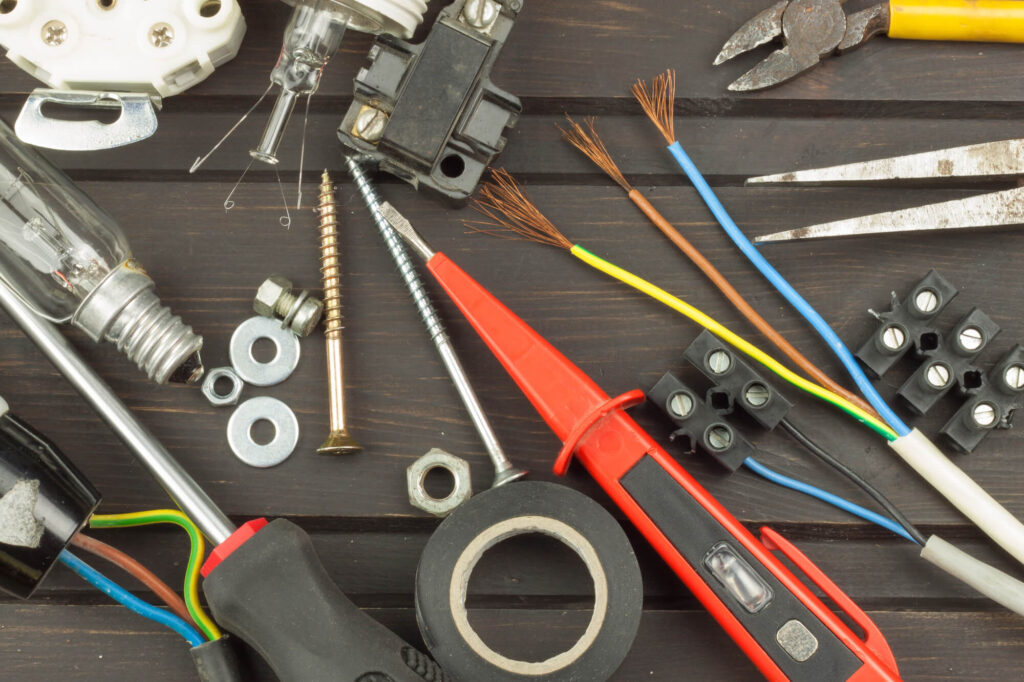
When something goes wrong with your home’s electrical system, the temptation to fix it yourself is understandable — especially for small, seemingly simple problems. But electrical work carries real risks of shock, fire, and code violations that can affect your insurance and home value. This guide clarifies exactly what’s safe to DIY, what requires a licensed electrician, and why the line exists where it does.
⚡ Key Takeaways
- Some basic electrical tasks are genuinely safe for a competent homeowner with no special training:
- The following tasks must be performed by a licensed electrician in most jurisdictions — and attempting them without training creates genuine safety and legal risks:
- Shock and Electrocution 120V household current can cause cardiac arrest.
What You CAN Safely Do Yourself
Some basic electrical tasks are genuinely safe for a competent homeowner with no special training:
- Replacing light bulbs — including in fixtures, with the fixture turned off
- Resetting a tripped GFCI outlet — press the reset button; if it trips again, call an electrician
- Resetting a tripped circuit breaker — once; if it trips again immediately, stop and call an electrician
- Replacing a like-for-like light fixture — with the circuit turned off at the breaker, confirmed with a non-contact tester
- Installing plug-in smart home devices — smart bulbs, plug-in outlets, battery sensors
- Installing a ceiling fan on an existing fan-rated box — with power off and confirmed dead
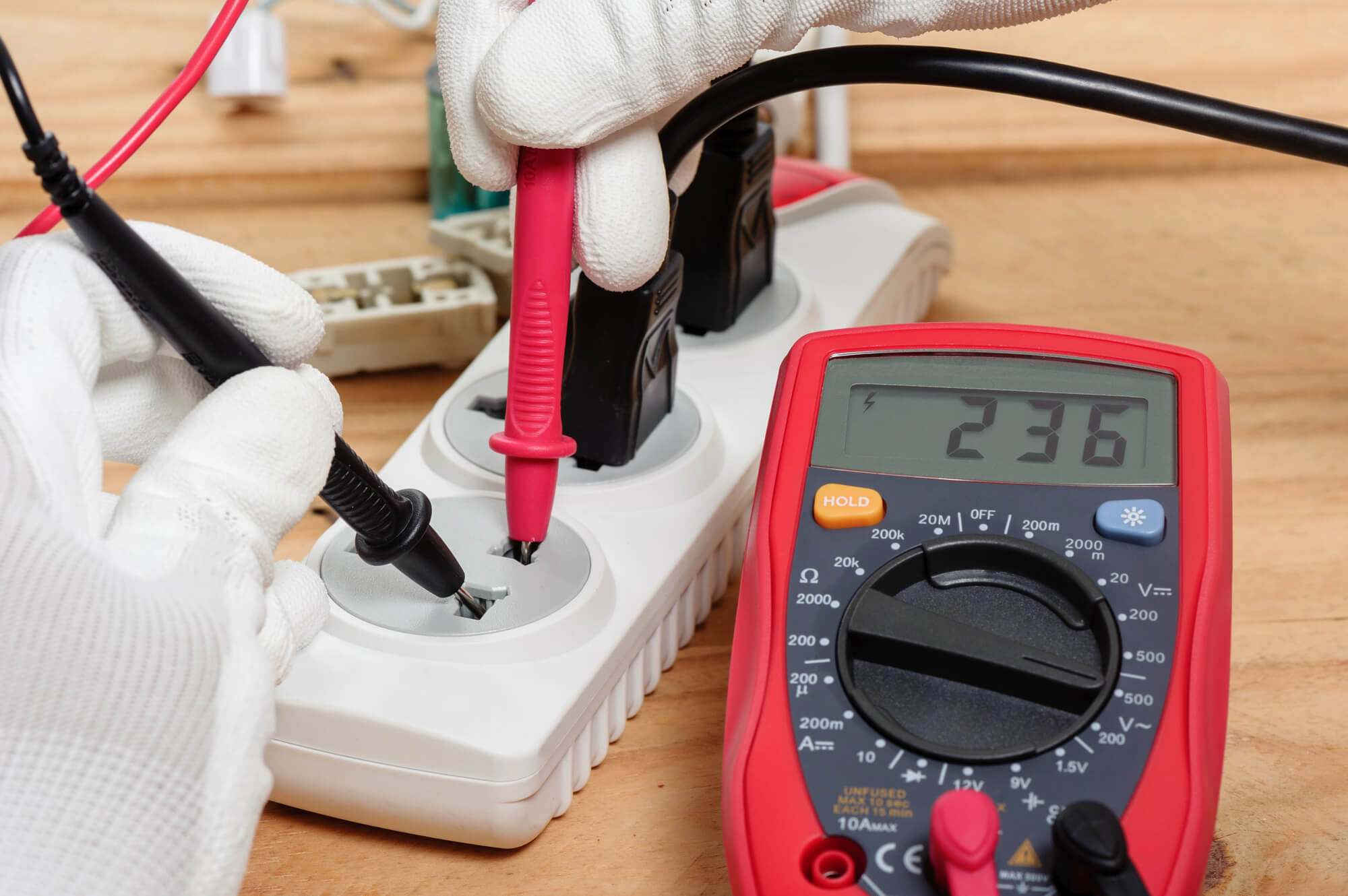
The key: the circuit must be confirmed off before touching any wiring, using a non-contact voltage tester — never just relying on the switch position.
What You Should NOT Do Yourself
The following tasks must be performed by a licensed electrician in most jurisdictions — and attempting them without training creates genuine safety and legal risks:
- Any work inside the electrical panel — including replacing breakers
- Running new circuits or adding new wiring
- Installing outlets, switches, or fixtures in new locations (not like-for-like replacements)
- Installing a hardwired appliance, EV charger, or 240V circuit
- Any work requiring a permit (which most new electrical work does)
- Working with aluminum wiring or knob-and-tube systems
- Any work where you’re uncertain what the wires are or do
Why DIY Electrical Work Is Risky
Shock and Electrocution
120V household current can cause cardiac arrest. The risk isn’t just from obvious live wires — many circuits remain energized regardless of switch position, and some home wiring configurations aren’t intuitive even to experienced DIYers.
Fire
Improper connections — loose wire nuts, undersized wire for the load, wires connected outside junction boxes — are among the leading causes of house fires. These failures often develop slowly and may not become apparent until months or years after the work was done.
Insurance and Legal Consequences
Unpermitted electrical work can void your homeowner’s insurance coverage for fire damage caused by that work. It can also complicate or block home sales when discovered during inspection. Doing the work legally protects your investment.
Some electrical tasks truly require a licensed professional. Our repair team handles everything from outlet replacements to full rewires — safely and to code.
The Golden Rule: When in Doubt, Call an Electrician
If you’re unsure whether a task is within your ability, or if you discover something unexpected during a repair — stop. The cost of a professional consultation or repair is always less than the cost of an electrical fire or injury. Licensed electricians are equipped to diagnose and repair safely what homeowners often can’t safely evaluate.
Common DIY Electrical Projects You Should NOT Attempt
While some tasks are acceptable for homeowners, many electrical projects carry significant safety and legal risks. Never attempt to replace a circuit breaker in your electrical panel—this requires a licensed electrician and involves working directly with live electrical components. Panel upgrades, major rewiring, or installing a new electrical service line should always be handled by a professional. Installing a hardwired appliance like a water heater, furnace, or air conditioning unit requires proper permits and code-compliant installation. Similarly, any work involving 240-volt circuits, subpanels, or service upgrades is strictly regulated and must be done by a licensed electrician. Installing outlets or switches in wet areas (bathrooms, kitchens, laundry rooms) requires GFCI protection and proper waterproofing. Replacing a damaged outlet might seem simple, but if the outlet is damaged due to water exposure or overheating, the underlying electrical problem must be diagnosed and repaired by a professional to prevent fire hazards.
When DIY Work Creates Safety and Legal Problems
Unlicensed electrical work violates building codes in most US jurisdictions and can result in fines, penalties, and forced remediation at great expense. If you sell your home, an inspector may discover unpermitted work and require it to be redone by a licensed electrician before the sale can close—a costly and time-consuming problem. Homeowners insurance may deny claims for damage caused by unpermitted electrical work, leaving you financially responsible for injuries, fire damage, or property loss. More importantly, faulty DIY electrical work is a leading cause of house fires. Poor connections generate heat over time, potentially igniting insulation or nearby materials. A licensed electrician brings insurance, bonding, and the knowledge to ensure all work meets code and is safe. For any electrical work beyond flipping breakers or replacing light bulbs, calling a licensed electrician is the responsible choice for your family’s safety and your home’s long-term value.
What Happens If Unpermitted Electrical Work Is Discovered
Unpermitted electrical work can create serious problems during home sales and insurance claims. When a home inspector discovers unpermitted electrical modifications—whether it’s a DIY outlet installation, rewiring, or panel work—it becomes a red flag that can derail a sale. Buyers’ lenders often require that unpermitted work be brought into compliance with local electrical codes before closing, which means hiring a licensed electrician to remediate the work and obtain a retroactive permit and inspection. This process typically costs $500–$2,500 depending on the scope of the work, and the timeline can stretch your selling process by weeks or months. Additionally, insurance companies may deny claims related to unpermitted electrical work if an incident (such as a fire) is traced back to the non-compliant installation. Some insurers will cancel coverage entirely if unpermitted electrical work is discovered.
If you’ve already performed unpermitted electrical work, the best course of action is to self-report the work to your local building department and request a permit retroactively. Most jurisdictions allow homeowners to obtain retroactive permits and schedule inspections for existing work, though you may face a small penalty fee ($50–$150). The electrician who performed the work (whether professional or DIY) will typically need to demonstrate that the installation complies with current code, which may require modifications or rewiring to meet standards. While this approach requires upfront investment, it protects your home’s insurability, prevents issues during future sales, and ensures the electrical system is genuinely safe for your family. It’s far better to address unpermitted work proactively than to face denial of coverage or forced remediation at the worst possible time.
Frequently Asked Questions
Can I replace an outlet myself?
In many states, homeowners are legally permitted to replace a like-for-like outlet in their own home without a permit. However, the circuit must be confirmed off with a voltage tester, the replacement must be the correct type (GFCI where required), and proper wiring technique must be used. If you’re unsure, hire a licensed electrician.
Is it legal to do electrical work in my own home?
Most jurisdictions allow homeowners to perform certain minor electrical work in their own primary residence without a license. However, work that requires a permit must still be inspected. Rules vary significantly by location — check your local building department for specific allowances.
What’s the most dangerous DIY electrical mistake?
Working on what you believe is a dead circuit without confirming it with a voltage tester. Many fires and electrocutions result from this exact mistake. Always use a non-contact voltage tester before touching any wire, regardless of how certain you are the power is off.
How do I find out if electrical work requires a permit in my area? Most jurisdictions have adopted the National Electrical Code (NEC) as their baseline standard, so
Contact your local building or permitting department. Many municipalities have online permit requirements posted. As a general rule: any new circuit, new outlet location, panel work, or major appliance connection requires a permit in most jurisdictions.