
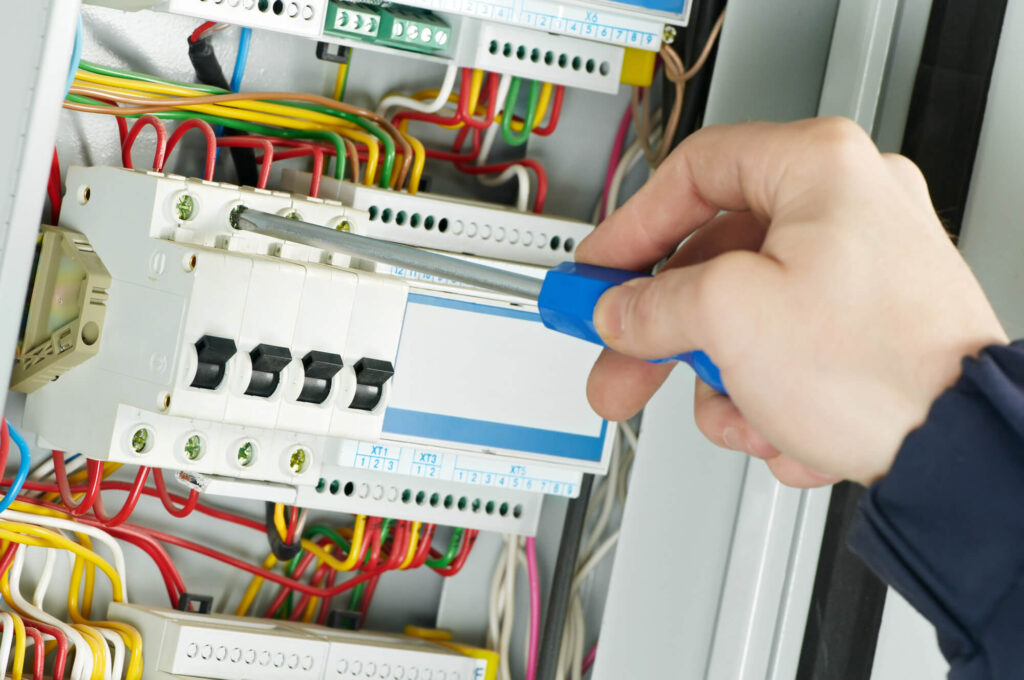
Commercial buildings rely on complex electrical systems running 24/7 — and a single failure can halt operations, create safety hazards, and expose building owners to serious liability. A structured electrical maintenance program isn’t optional; it’s the foundation of safe, compliant, and efficient facility management.
⚡ Key Takeaways
- Unlike residential systems, commercial electrical infrastructure supports high-demand equipment, multiple occupancy zones, and strict regulatory requirements.
- A thorough commercial maintenance program covers the full electrical system from the utility point of connection through every circuit in the building.
- Maintenance frequency depends on the building type, age of the electrical system, and how heavily the system is used.
Why Commercial Electrical Maintenance Matters
Unlike residential systems, commercial electrical infrastructure supports high-demand equipment, multiple occupancy zones, and strict regulatory requirements. Neglecting maintenance creates compounding risks over time.
Safety and Compliance Requirements
OSHA, NFPA 70E, and local building codes mandate regular inspection and maintenance of commercial electrical systems. Failure to maintain adequate records and schedules can result in fines, failed inspections, or voided insurance coverage. Proactive maintenance keeps you compliant and demonstrates due diligence to insurers and regulators.
Reducing Operational Disruptions
Unplanned electrical failures cost businesses far more than scheduled maintenance. Downtime, emergency call-out fees, spoiled inventory, and lost productivity quickly outweigh the cost of a regular maintenance contract. Maintenance also extends equipment lifespan — motors, HVAC systems, and lighting all last longer when the electrical supply feeding them is clean and stable.
What a Commercial Electrical Maintenance Program Includes
A thorough commercial maintenance program covers the full electrical system from the utility point of connection through every circuit in the building.
Scheduled Visual Inspections
Electricians inspect switchboards, distribution panels, circuit breakers, fuses, wiring, and connections for signs of overheating, corrosion, physical damage, or non-compliant installations. Loose terminations are a leading cause of arc faults and fires — and they’re entirely preventable with routine checks.
Preventive Testing and Servicing
Beyond visual checks, qualified electricians perform thermal imaging scans to detect hotspots invisible to the eye, insulation resistance testing to identify degraded wiring before it fails, earth continuity and RCD/GFCI testing, load testing on panels, and battery checks on emergency lighting and UPS systems.
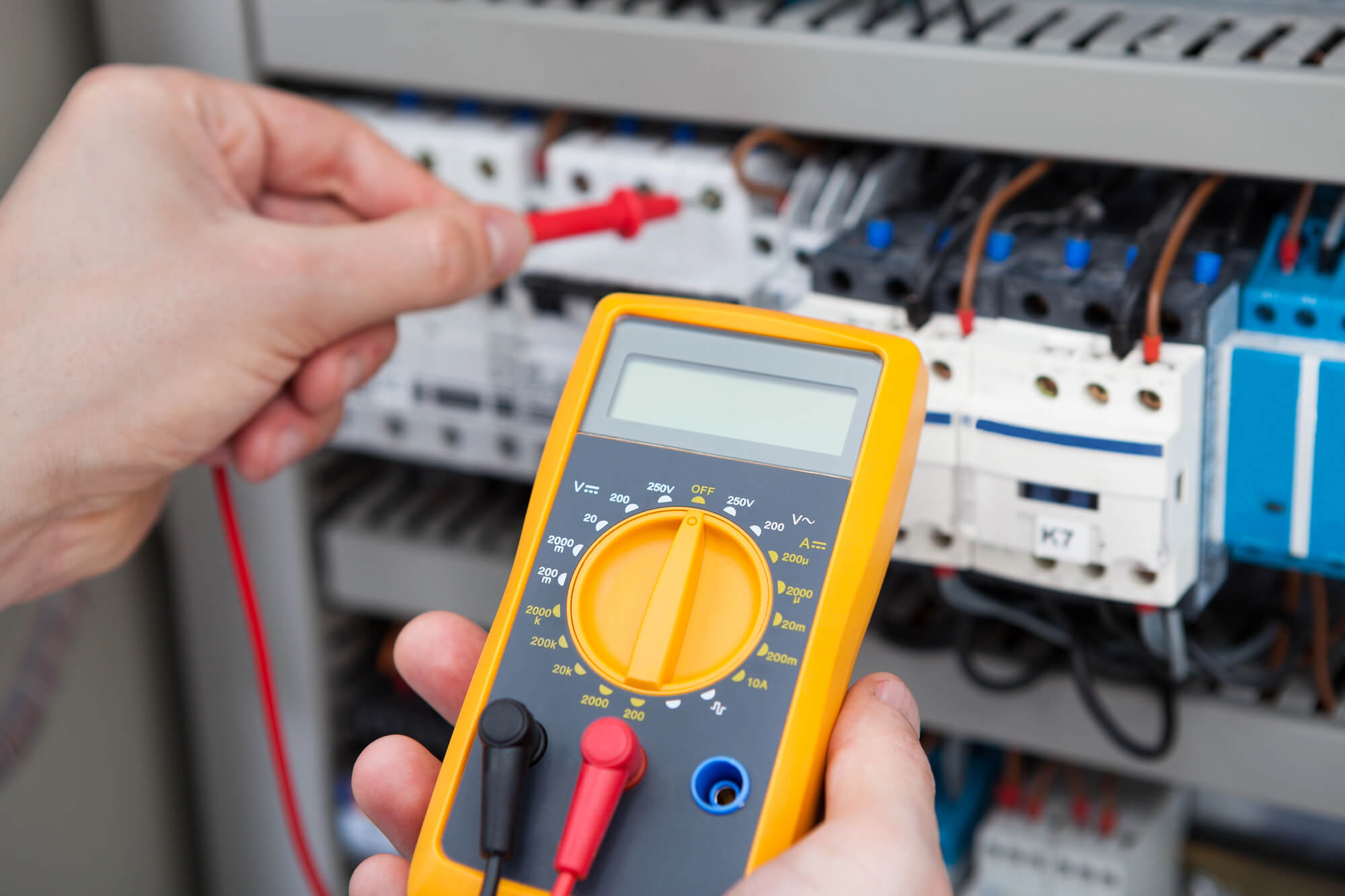
Regular commercial electrical maintenance reduces downtime and liability. Our commercial team offers scheduled maintenance contracts to keep your building safe and code-compliant.
How Often Should Commercial Buildings Have Electrical Maintenance?
Maintenance frequency depends on the building type, age of the electrical system, and how heavily the system is used.
Recommended Maintenance Schedules
Most commercial buildings benefit from a quarterly visual inspection combined with a full annual service. High-demand facilities — data centres, manufacturing plants, hospitals, restaurants — often require monthly checks on critical systems. Emergency lighting and exit signs should be tested monthly per NFPA 101, with a full 90-minute discharge test annually. After any significant electrical event (power surge, partial outage, equipment failure), a full inspection should be performed before normal operations resume.
Common Commercial Electrical Problems Found During Maintenance
Experienced commercial electricians consistently find the same categories of problems during maintenance inspections.
Overloaded Circuits and Undersized Panels
As businesses add equipment over time — additional workstations, new HVAC units, kitchen equipment — original electrical panels become overloaded. Maintenance visits catch circuits running above their rated capacity before they cause breaker failures, overheating, or fires.
Outdated Wiring and Connections
Older commercial buildings may have aluminium wiring, outdated cloth-sheathed cables, or connections that have loosened through years of thermal cycling. These are discovered during inspections and can be repaired or upgraded before they become emergencies.
Faulty Emergency and Safety Systems
Emergency lighting, exit signs, fire alarm power supplies, and smoke detector backup systems are life-safety equipment — and they’re frequently found to be non-functional during maintenance checks because they’re only used in emergencies. Regular testing ensures these systems work when they’re needed most.
Choosing the Right Commercial Electrician
Not all electricians are equipped to handle commercial maintenance. Look for contractors with demonstrated experience in commercial systems, appropriate licensing for your jurisdiction, and the ability to provide detailed maintenance reports and recommendations.
What to Look for in a Commercial Electrical Contractor
Your contractor should carry commercial liability insurance and workers’ compensation, be familiar with NFPA 70E arc flash safety standards, and be willing to work around your operating hours to minimise disruption. Ask for references from similar commercial properties, and ensure they can provide documented maintenance logs — these are essential for compliance audits and insurance claims.
Regulatory Compliance and Code Requirements for Commercial Buildings
Commercial electrical systems must comply with the National Electrical Code (NEC), which is updated every three years. The 2023 NEC includes enhanced requirements for arc-flash safety, equipment grounding, and surge protection. Building owners and facility managers need to understand these evolving standards to ensure their systems remain compliant and safe.
In addition to the NEC, many states and municipalities have adopted the International Building Code (IBC), which references electrical standards. Commercial buildings may also be subject to OSHA regulations, particularly regarding electrical safety for employees. Some facilities fall under additional regulations like NFPA 79 for industrial control equipment or special requirements for healthcare facilities, laboratories, and data centers.
Regular compliance audits help identify areas where aging equipment no longer meets current code requirements. For example, older commercial buildings may have outdated grounding systems, inadequate short-circuit protection, or wiring that doesn’t support modern electrical loads. A qualified electrician can conduct a comprehensive code review and recommend necessary upgrades to bring systems into compliance and reduce liability risk.
NFPA 70E and Electrical Safety in Commercial Buildings
NFPA 70E is the electrical safety standard specifically designed for workers in commercial and industrial settings, and it is significantly more stringent than the NEC. While the NEC (NFPA 70) establishes installation standards, NFPA 70E requires arc flash hazard analysis to identify dangerous areas where high-energy electrical faults could cause severe injuries or death. Employers must provide appropriate personal protective equipment (PPE)—arc-rated clothing, gloves, face shields, and insulated tools—based on the hazard levels in each area. NFPA 70E also mandates lockout/tagout procedures to de-energize equipment before maintenance, qualified worker training and certification, and documented safety programs. Failure to comply exposes building owners and facility managers to serious liability, worker injuries, and OSHA fines.
The difference between NEC and NFPA 70E is critical: the NEC assumes installation by qualified electricians and focuses on how systems should be built; NFPA 70E assumes ongoing maintenance and operation by workers who may not be fully trained and focuses on how to work safely around energized systems. A commercial building with an aging electrical infrastructure or heavy equipment—such as a factory, hospital, or data center—must have a qualified commercial electrician conduct arc flash studies and implement NFPA 70E protocols. Some facilities hire in-house maintenance staff, but NFPA 70E requires them to be qualified workers with specialized training and certification. For complex or high-risk facilities, outsourcing maintenance to a licensed commercial electrician is the safest and most compliant approach.
Frequently Asked Questions
How much does commercial electrical maintenance cost?
Commercial electrical maintenance costs vary based on building size and system complexity. Most businesses pay between $500 and $3,000 per annual service visit, with ongoing monthly contracts available for larger facilities. Emergency repairs avoided through maintenance typically cost far more than the maintenance itself.
Is commercial electrical maintenance required by law?
OSHA regulations and many state/local codes require employers to maintain electrical systems in safe condition. Specific inspection intervals may be mandated for certain building types or equipment. Your local authority having jurisdiction (AHJ) can confirm requirements for your building.
What’s the difference between commercial and residential electrical maintenance?
Commercial systems operate at higher voltages, carry much heavier loads, and involve more complex distribution equipment including three-phase power, switchgear, and large sub-panels. Commercial maintenance requires electricians trained in these systems and familiar with commercial safety standards like NFPA 70E.
Can I do electrical maintenance myself in a commercial building?
Commercial electrical maintenance must be performed by licensed electricians. Building owners and facilities managers should never open electrical panels or attempt testing themselves. Self-performed work can void insurance, violate code, and create serious safety risks for building occupants.
How do I set up a commercial electrical maintenance contract?
Contact a licensed commercial electrical contractor and request a site assessment. They’ll evaluate your system, identify any immediate issues, and propose a maintenance schedule and contract terms tailored to your building’s needs and regulatory requirements.